
Unverzichtbare Urlaubsangebote – Sparen Sie bis zu 20 %

 Englisch
 Niederländisch
 Japanisch
 Hindi
Hindi Italienisch
 Spanisch
 Französisch
 Deutsch
 Chinesisch.
 Koreanisch
 Arabisch
 Hebräisch
 Russisch
 Portugiesisch
 Dänisch
 Tschechisch
 Polnisch
 Schwedisch
Trekking in Nepal has entered a new phase with big changes in rules and policies. The new change is already making a big sensation among global travelers. After years of strict regulation for solo travelers in restricted regions, the government has now introduced a new policy that allows solo trekkers and travelers to obtain permission for restricted areas.
This change is recent and applicable from the year 2026. The new policy is applied for the aim of attracting more visitors to the country and giving travelers more flexibility. The change in policy is about to impact different aspects of tourism in Nepal.
Also, travelers and trekkers who prefer to do their traveling journey alone and independently, this policy can make a big difference to them. Most of the areas that were restricted in the past for solo travelling are now open for solo trekking.
The changes in new policies mark significant changes in the tourism of Nepal. So, here we will break down what this new policy means for trekkers, agencies, and the future of Nepal tourism.
Understanding Nepal’s Trekking System
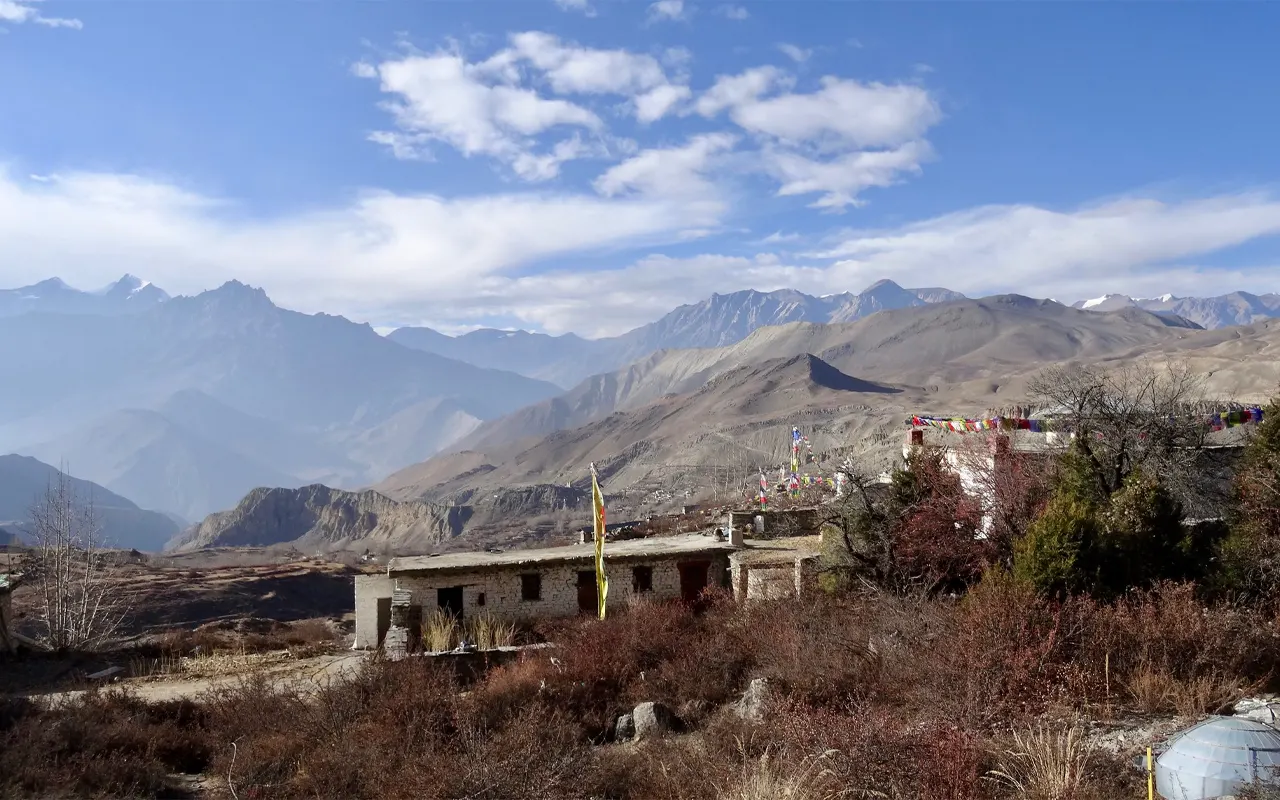
Trekking in Nepal is one of the most popular outdoor adventure activities in the Himalayas. It is also because Nepal is home to the iconic trekking destinations across Langtang, Annapurna, Everest, Manaslu, Mustang, and Upper Dolpo. Among them are open trekking regions, and some of them are restricted areas. Dividing trekking regions into categories is to protect the sensitive areas in terms of biodiversity and culture. Trekking regions like the Everest Region, the Annapurna Region, the Langtang Region, etc., are open trekking regions. And the trekking regions like Upper Dolpo, Mustang, Manaslu, and Kanchankunga are restricted trekking regions.
The Old Rule: No Solo Trekking in Restricted Area
Before 2026, trekkers who trek solo or alone were not allowed to do trekking activities in restricted areas. Very few of them are open for solo trekking, but still under some strict conditions. The conditions were,
- Minimum 2 foreign trekkers required for the restricted area
- Must book through registered trekking agencies
- A government-licensed guide was mandatory during the journey
- Permits cannot be issued to individuals
These rules were introduced for the safety of trekkers, border security, and cultural preservation.
The 2026 Update: Solo Permits Now Allowed to Independent Travellers
A very surprising policy is updated from the Tourism Board and the Department of Immigration. It favours solo travellers in wider areas.
Solo foreign trekkers can now obtain permits for restricted areas. The previous rule for a minimum of 2 members in a group has now been removed.
These changes in regulations aim to increase flexibility and to attract more trekkers in the Himalayas. This update is also introduced due to strong demand from different sides of tourism. It was argued that the old rule discouraged many potential visitors.
Why this change Matters
Freedom for Independent Travelers
Many trekkers prefer to do solo trekking and want to manage aspects like personal needs, finances, and route planning on their own. The new rule opened doors to
Alleinreisende
Budget traExperienced trekkers who seek solitude and a peaceful journey
Boost to the new policy is also set to boost the economy of Nepal, as the economy of Nepal heavily relies on tourism. By removing the restrictions, it,
- Erhöht die Zugänglichkeit
- Attracts more trekkers
- Makes remote and restricted areas more appealing. More Flexible Itineraries. One of the most flexible aspects of this new change is about the itineraries. Trekkers can,
- Travel without waiting for group management and for customizable trails and routes, along with schedules
- Explore less crowded trails with more accessible advantages.
Important Clarification: Is Solo Trek Fully Free Now?
The chaotic condition of the new policy is a bit confusing. It is not entirely free for solo trekkers. Even with new regulations, permits are still processed through registered agencies. A licensed guide may be required to trek in restricted regions. And the most important safety and tracking may remain important priorities.
Restricted Areas Covered by the Change
The newly updated rules and regulations on permits apply in all trekking regions of It also covers the major trekking regions, which include,cludes,
- Oberer Mustang
- Oberes Dolpo
- Manaslu Trekking Region
- Tsum-Tal
- Kanchanjunga Trekking Region
- Nar Phu
Most of these areas are known for their unspoiled beauty, remote landscapes, Tibetan-influenced culture, and high-altitude terrains.
Why were These Areas Restricted in the First Place?
These areas are restricted due to various factors. Most of the factors are about the trekkers, and some of them are about the preservation of biodiversity and cultural preservation inside the region.
Grenzsicherung
Most of the restricted region lies near the Nepal-China border. This condition automatically requires controlled access.
Kulturerhaltung.
These restricted trekking regions have very unique traditions and cultural lifestyles which have been preserved and practised for centuries back. The government aims to protect it.
The restricted areas where trekking trails are drawn consist of remote trails, limited access for rescue, as well as unpredictable weather conditions.itions. These factors automatically make it riskier to travel through these regions.
Umweltschutz
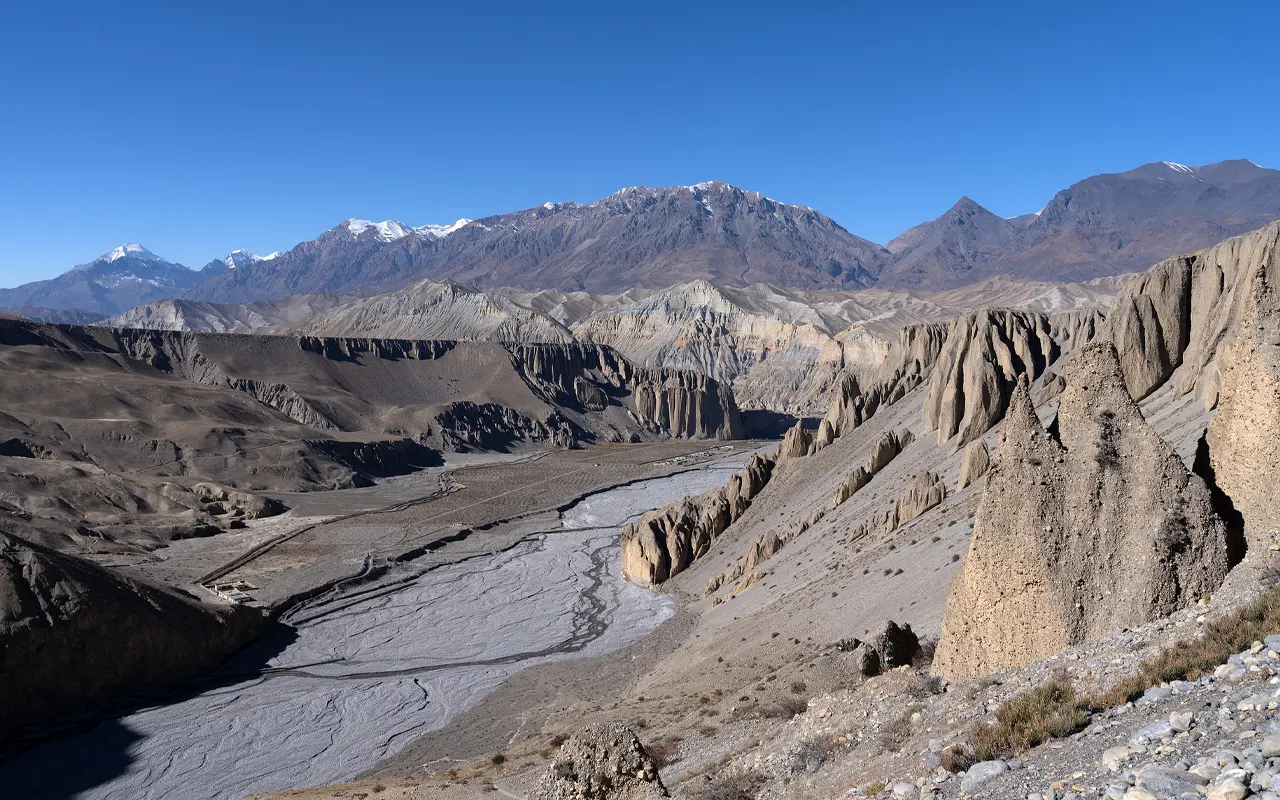
No doubt this restricted area is full of rare and endangered species of plants and animals. As well as diverse biodiversity, which has habitats without external influence in their natural form. This rule is to protect these environmental aspects.
Impact on Trekking Agencies
This policy will impact trekking agencies positively with more opportunities, as well as adding some challenging parts.
Positive Auswirkung
- More bookings from solo trekkers
- Flexibility in tour design and itineraries
- Growth in niche-based as well as customised trips
Challenging impacts
- Can reduce group-based revenue
- May need to adapt to new pricing models
- Erhöht den Wettbewerb
But agencies can adapt these challenges too into opportunities by focusing more on guide services, logistics support, and customised itineraries.
Impacts on Guides and local communities
This change in regulation can lead to some impactful dimensions in local guides and communities.
The concerning side of this regulation will be effective in reducing demand for guides as fewer mandatory group bookings will appear.
Also, guides will have opportunities to be hired for solo trekkers, considering the safety, cultural insights, and proper navigation. It can also boost the hiring of guides as more independent travellers are likely to hire individual guides for the journey. More travellers means more opportunities for work for safety considerations for Solo Trekking. Even with the changed rules, trekking in restricted areas can still be riskier with different factors. The factors like,
- High -altitude risks
- Remote terrains
- Eingeschränkte Kommunikation
- Unvorhersehbares Wetter
So, authorities still recommend some safe practices even though some restrictions are now lifted. The safe practices include hiring experienced guides, carrying gear, and using registered routes.
Opportunities for Solo Trekkers
This new rule will enhance some opportunities for solo trekkers. The opportunities like,
Exploring the Hidden Solo, travellers can now access restricted areas. areas. Most of them are filled with less crowded trails. And can access unspoiled regions independently.
Budget Now, solo travellers do not have to wait for the group sharing costs. costs. They can manage and use their expenses independently.
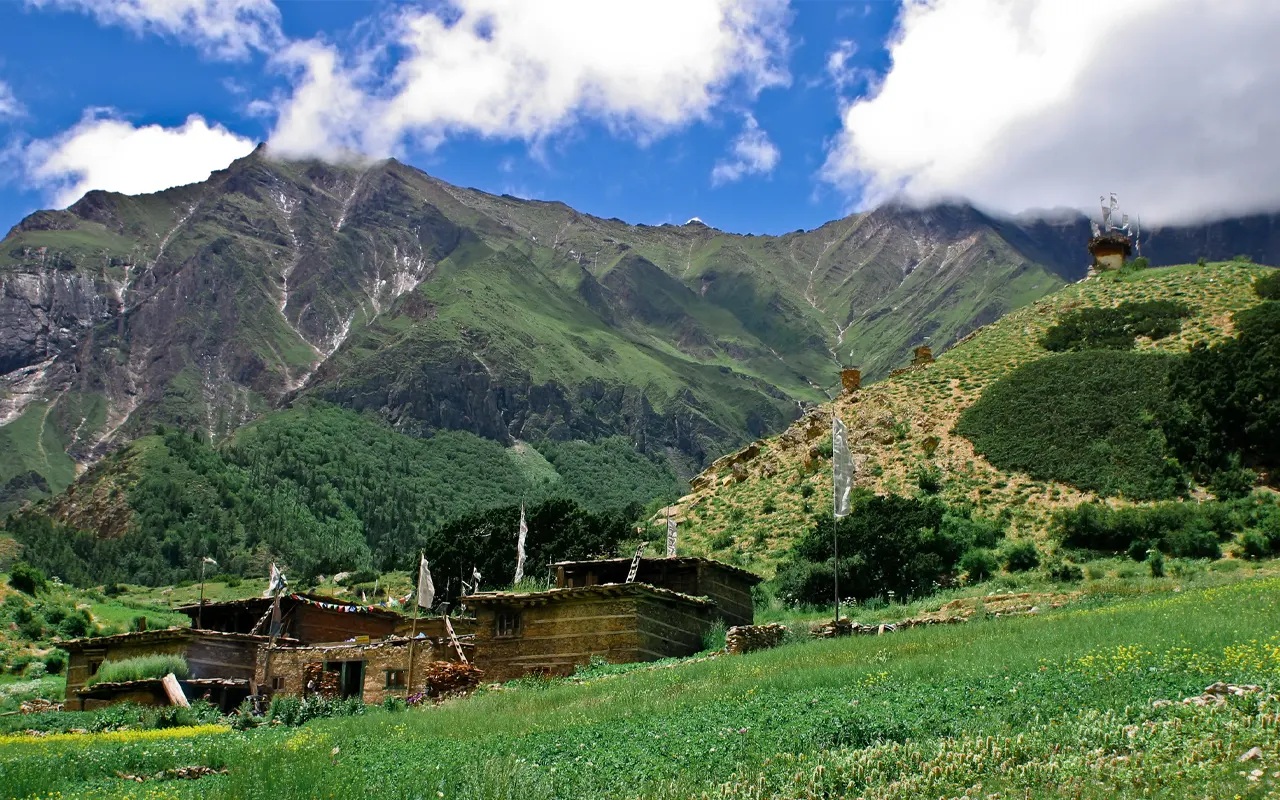
Persönliche Erfahrung
Solo trekkers will get more freedom , solitude, and connection with themselves. They will be free from the chaotic group management and avoid doing so of their own free will during the journey.
Fazit
The new decision from the government on permits for restricted areas can be a turning point for tourism in Nepal. It reflects a growing understanding of travellers from the new generation seeking independent travelling with authentic experiences with flexibility.
However, the new changes in rules and regulations in permits do not mean completely unrestricted solo trekking. But it significantly lowers the previous boundaries for travellers who prefer to travel solo. With proper planning, responsible travelling, as well as awareness of regulations, trekkers can now explore and trek to the most remote areas and culturally rich regions with more flexibility and freedom than before.
For travellers and adventure seekers, this time is one of the best moments to rediscover Nepal and its remote beauty as well as its cultural destination. It will reopen the doors into the Himalayas, not just as a destination but as a deep personal journey in the nature of the Himalaya.

Inhaltsverzeichnis
- Understanding Nepal's Trekking System
- The Old Rule: No Solo Trekking in Restricted Area
- The 2026 Update: Solo Permits Now Allowed to Independent Travellers
- Why this change Matters
- Alleinreisende
- Important Clarification: Is Solo Trek Fully Free Now?
- Restricted Areas Covered by the Change
- Why were These Areas Restricted in the First Place?
- Grenzsicherung
- Kulturerhaltung.
- Umweltschutz
- Impact on Trekking Agencies
- Impacts on Guides and local communities
- Opportunities for Solo Trekkers
- Persönliche Erfahrung
- Fazit