Introduction
Nepal is the country of magnificent mountains, ancient temples, and diverse cultures, which attracts every traveler. It presents an excellent diversity of experiences to everyone, including the great Himalayas and serene valleys, as well as ancient cities.
Nepal displays an amazing combination of adventure, spirituality, and nature to first-time visitors. Hiking in the mountains or visiting religious locations, all these trips seem to have a sense of meaningfulness and a refreshing uniqueness.
The fact that Nepal balances between tradition and nature is what makes it extraordinary. In this case, there are golden pagodas on snowy mountains, colorful prayer flags flying over deep valleys, and warm smiles embrace travelers at every turn of the journey.
In this guide, we’ll explore the best places to visit in Nepal, including major cities like Kathmandu and Pokhara, some of the most peaceful villages, and some destinations. The destinations represent the soul and the glory of this Himalayan country.
Kathmandu – The Cultural Heart of Nepal
Kathmandu, the bustling capital of Nepal, is what travelers frequently visit on their Himalayan trip. It is one of the most interesting Places to visit in Nepal as it is a combination of history, religion, and modernity.
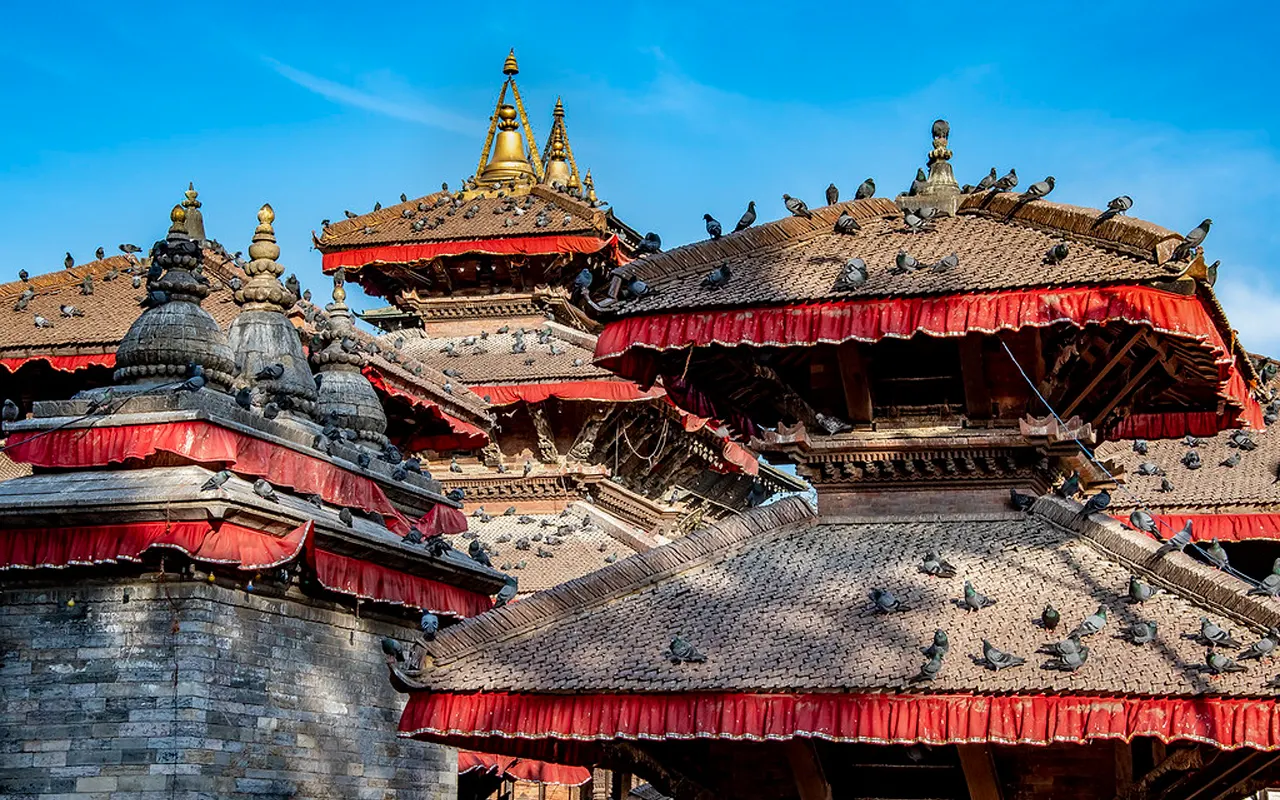
Some of the UNESCO World Heritage Sites that are found in the city include Kathmandu Durbar Square, the sacred Swayambhunath Stupa (Monkey Temple), and the sacred Pashupatinath Temple on the bank of the Bagmati River, where Hindu worship has continued throughout the ages.
The Boudhanath Stupa is another impressive structure that is an unmissable landmark, being one of the largest in Asia, with colorful prayer flags blowing and chanting monks set the peaceful environment. Every holy place shows why Kathmandu is a destination site to visit in Nepal.
Other than temples, there is the modern lifestyle in Thamel in Kathmandu, a place full of shops, cafes, bakeries, and bustling bars. That is why it is the best place to relax, buy souvenirs, and enjoy the young spirit of the city.

Bhaktapur – The Living Museum of Newari Art
Bhaktapur is a well-preserved medieval Newari city, which represents centuries of Newari art and architecture. Walking through its brick-laid alleys is like returning to Nepal to its glorious artistic and cultural history.
The Bhaktapur Durbar Square stands in the center of the city. It boasts masterpieces of architecture like the towering Nyatapola Temple, the 55-Window Palace, and the Golden Gate, all of which are symbols of the great mastery and the great devotion of the ancient Newar artists.
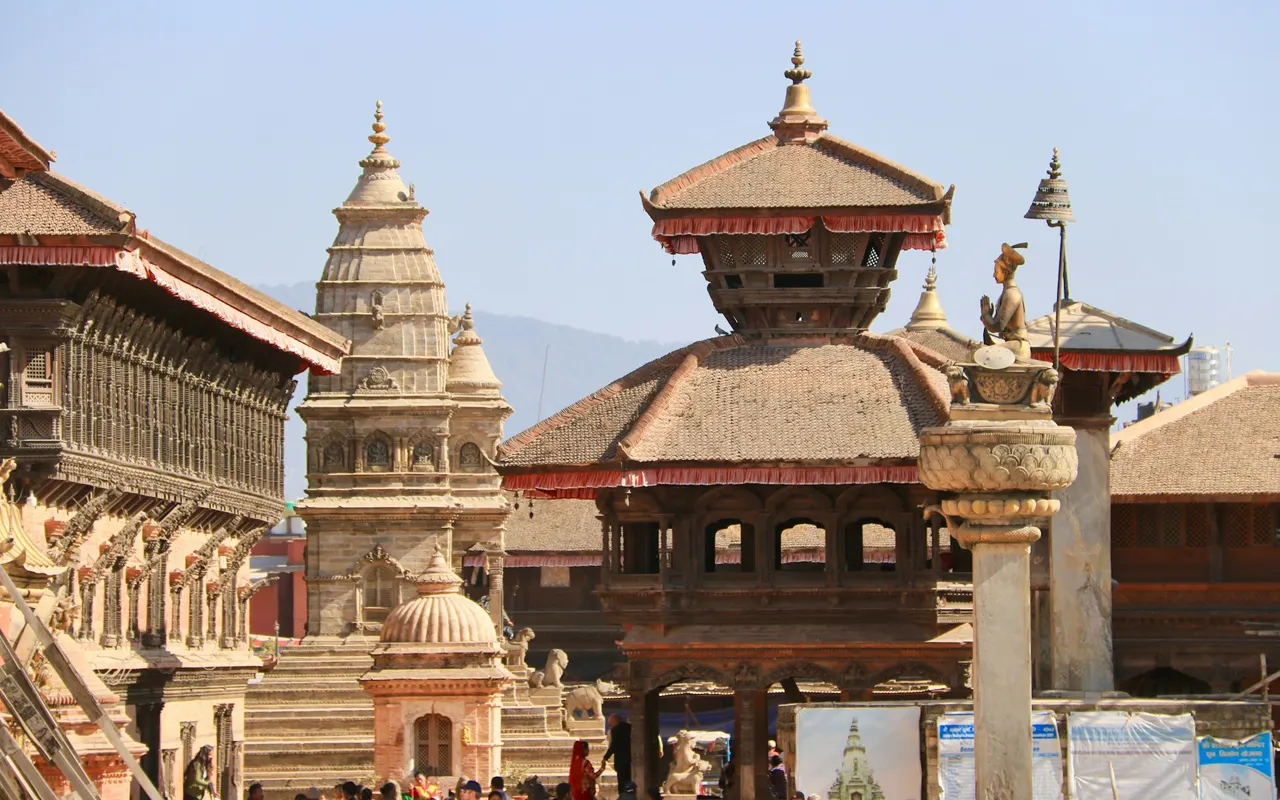
Another place of interest is Pottery Square, where local artisans shape clay into their daily household items and ornamental art. Observing artists in action gives one the opportunity to look into the ancient traditions of Bhaktapur that still characterize this cultural treasure among the Places to visit in Nepal.
You can also have an opportunity to taste the true flavors of Newari food, such as JuJu Dhau (King of Curds) and Bara lentil pancakes, while visiting local handicrafts, which makes Bhaktapur an ideal mix of the past, present, and future.
Patan (Lalitpur) – The City of Fine Arts
Patan is a great destination that one can visit in Nepal in order to explore art and architecture. The ancient city is a place of unrivaled temples, courtyards, and the traditional Newari craftsmanship characterizing the cultural charm of Nepal.
It is a part of the Kathmandu Valley UNESCO World Heritage Site adorned with detailed woodwork, stone sculptures, and royal courts. The great Krishna Mandir, which is completely made of stone, is a monument of undying devotion and art.
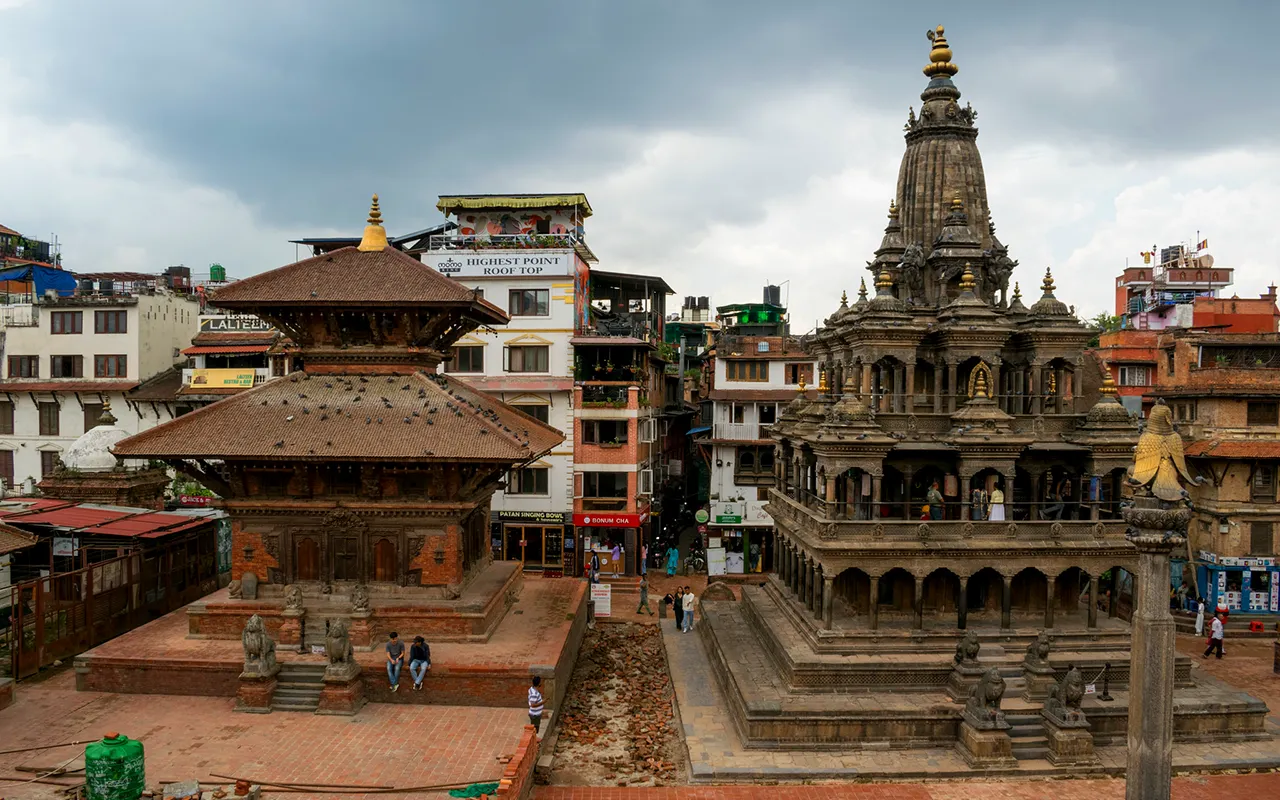
The Patan Museum houses sacred art, bronze statues, and traditional metalwork. It displays a profound understanding of both spiritual and creative heritage that has made Patan one of the most interesting places to visit in Nepal.
Out of the congested streets of Kathmandu, Patan is a serene place that can be explored slowly. Tourists have the opportunity to explore local cafes, art workshops, and secret gardens that reveal the graceful beauty of the city and its perennial artistic health.
Pokhara – The City of Lakes and Adventure
Pokhara is among the most stunning places to visit in Nepal, located along serene lakes and the backdrop of the snow-covered Annapurna Range. It is the primary entry point to Annapurna Base Camp, Mardi Himal, and other trekking destinations.
The attractions in the city include boating on the Phewa Lake, the World Peace Pagoda, Devis Fall, and the magical sunrise view above the Himalayas from Sarangkot. Every place reveals the reasons why Pokhara is one of the most popular places to visit in Nepal.
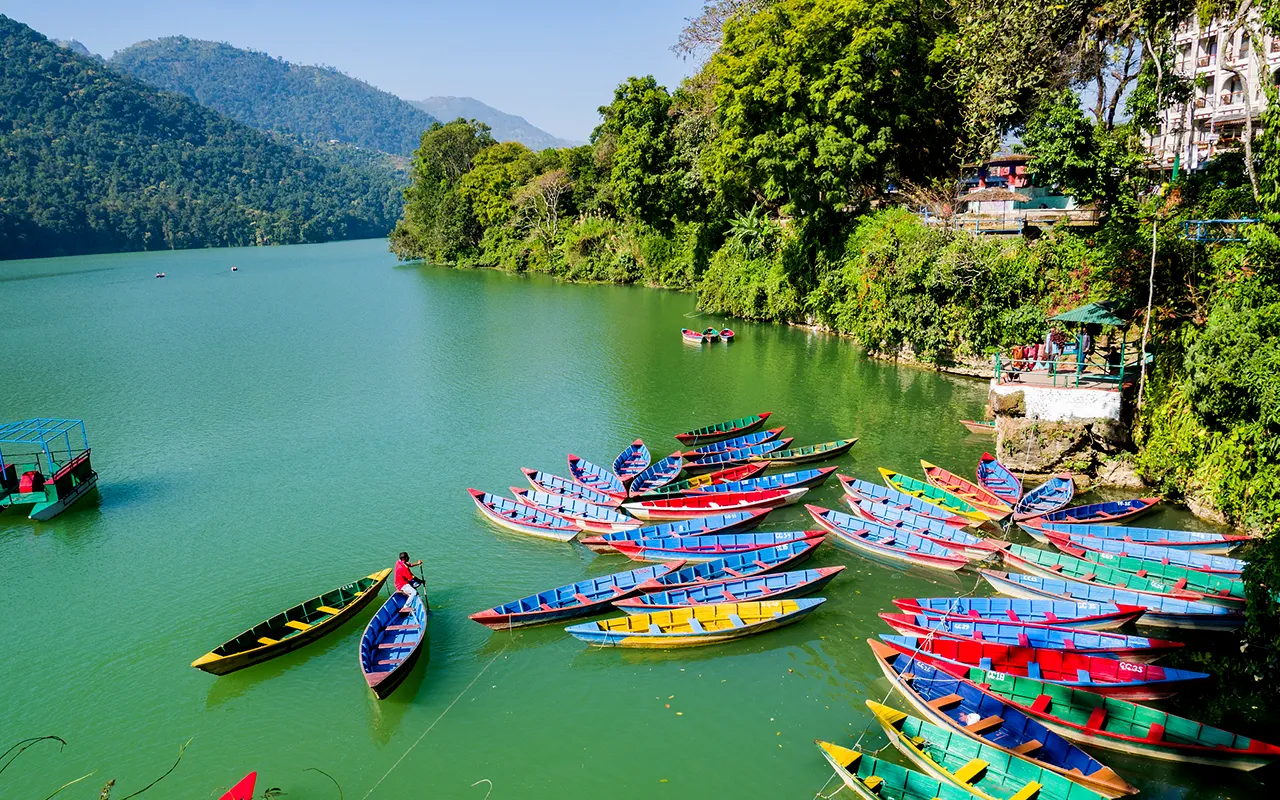
Pokhara is the adventure capital of Nepal, in addition to its scenery. Visitors are able to paraglide across lakes, zip-line across beautiful valleys, and they can have serene boat rides. Its combination of excitement and peacefulness is what makes it a necessary place to visit as a traveler.
Chitwan National Park – Nepal’s Wildlife Paradise
Chitwan National Park is among the most exciting Places to visit in Nepal for nature and wildlife lovers. It is a world heritage site of UNESCO that is admired for having dense jungles, biodiversity, and the memorable experiences that people have when they go on safari in the southern plains of Nepal.
Bengal tigers, one-horned rhinoceroses, elephants, gharial, and more than 500 species of birds can be found in the park. A guided jeep safari through its wilderness is a life-changing experience, as one gets to have a close encounter with some of the most endangered and magnificent creatures in Asia.
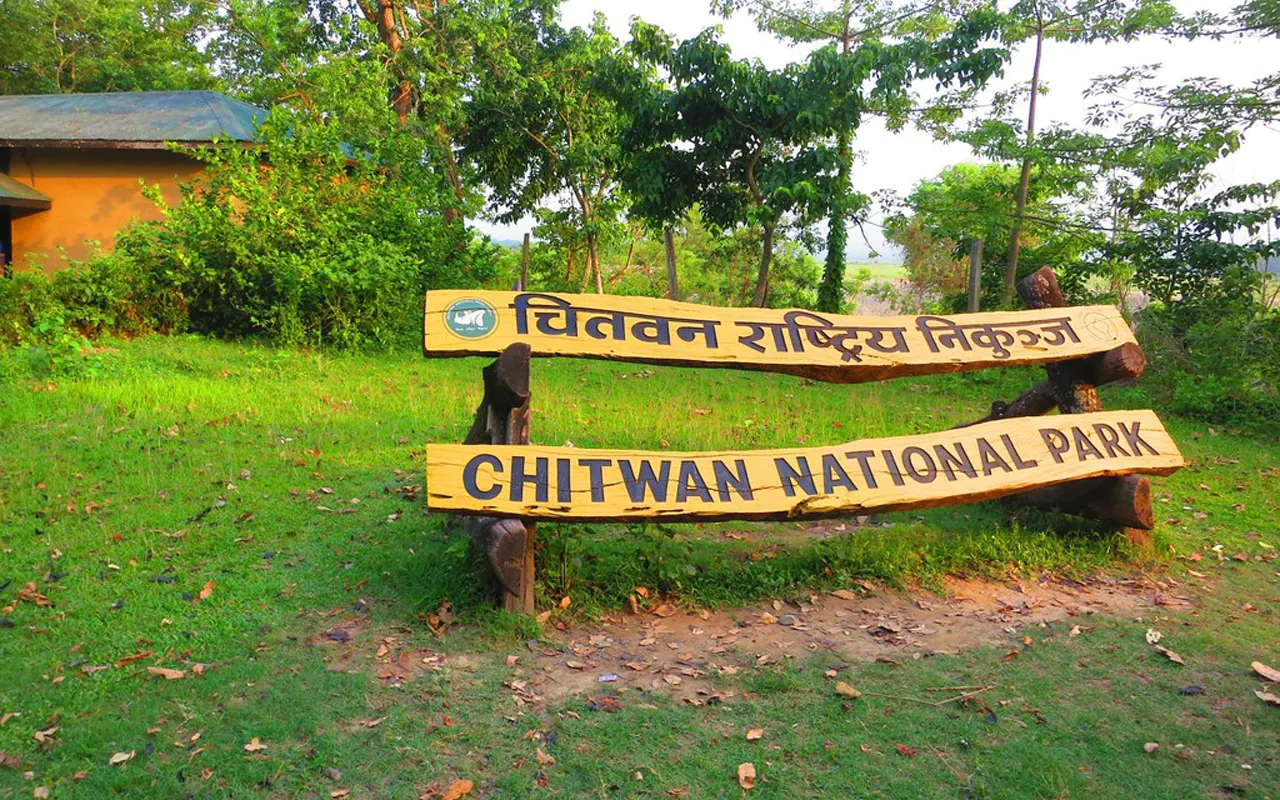
On top of wildlife, the visitors can have opportunities for canoe rides down the Rapti River and view the traditional dance of the Tharu culture in the nearby villages. The combination of nature, adventure, and culture is indeed what makes Chitwan one of the best places to visit in Nepal.

Lumbini – The Birthplace of Lord Buddha
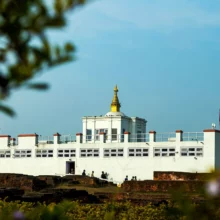
The Birthplace of Lord Buddha, Lumbini, is one of the Sacred Places to visit in Nepal. This UNESCO World Heritage Site will attract travelers who are interested in relaxing, gaining spirituality, and getting an insight into the history of Buddhism.
The Maya Devi Temple is the heart of Lumbini and is regarded as the very point where Buddha was born. It is surrounded by the Lumbini Sacred Garden and Monastic Zone, which is adorned with well-constructed monasteries of the Buddhist communities across the world.
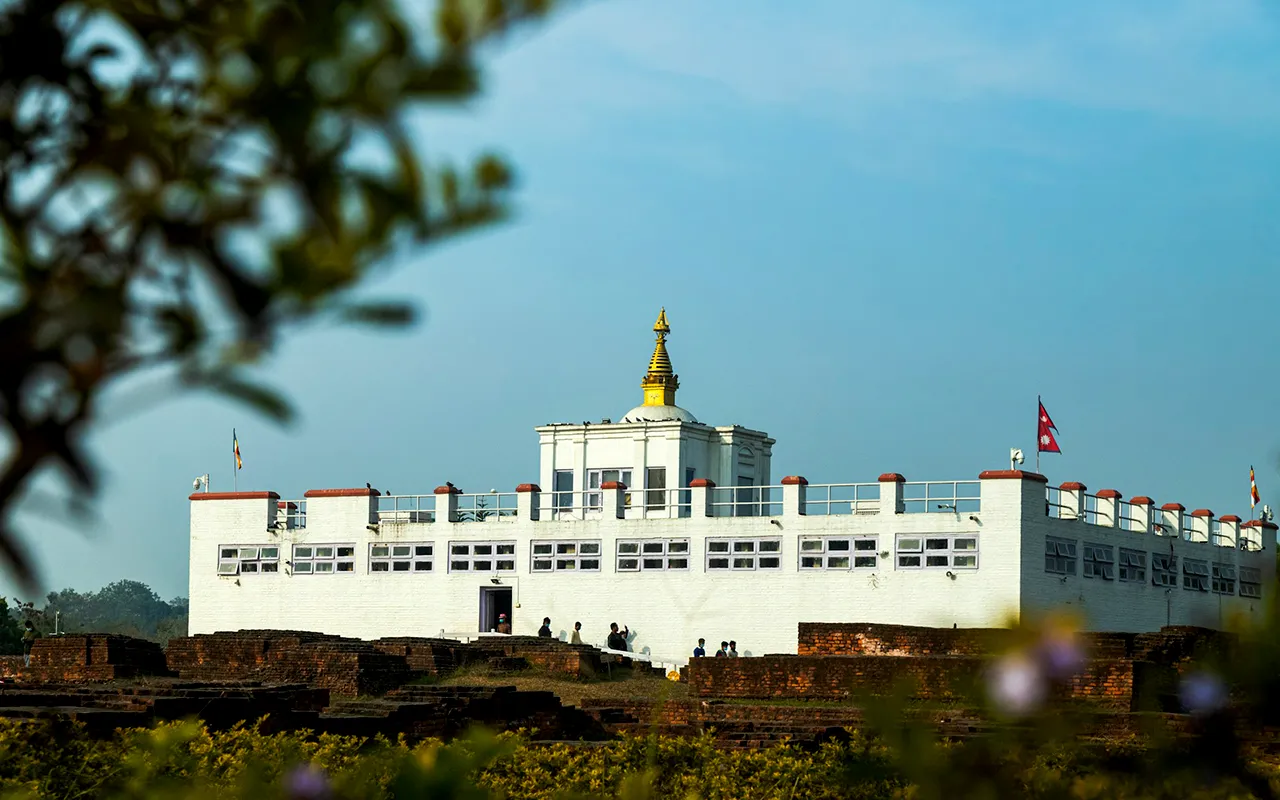
The calm gardens, holy ponds, and the prayer flags dashing in the air provide a sense of profound serenity. Lumbini is one of the significant places for history lovers and spiritual travelers.
Nagarkot – The Best Sunrise Viewpoint Near Kathmandu
Nagarkot belongs to the list of the most impressive Places to visit in Nepal, and it is situated 2,175 meters above sea level. The hill station is a peaceful place that is known to have a magnificent view of sunrise in the Himalayan range, including Mount Everest on clear mornings.
Nagarkot is a popular destination among travelers seeking short hikes through quiet forest trails where many hills, terraced fields, and mountains at a distance make a picturesque view on the postcards. It is a favorite place of retreat among photographers and other nature lovers owing to its serene atmosphere.
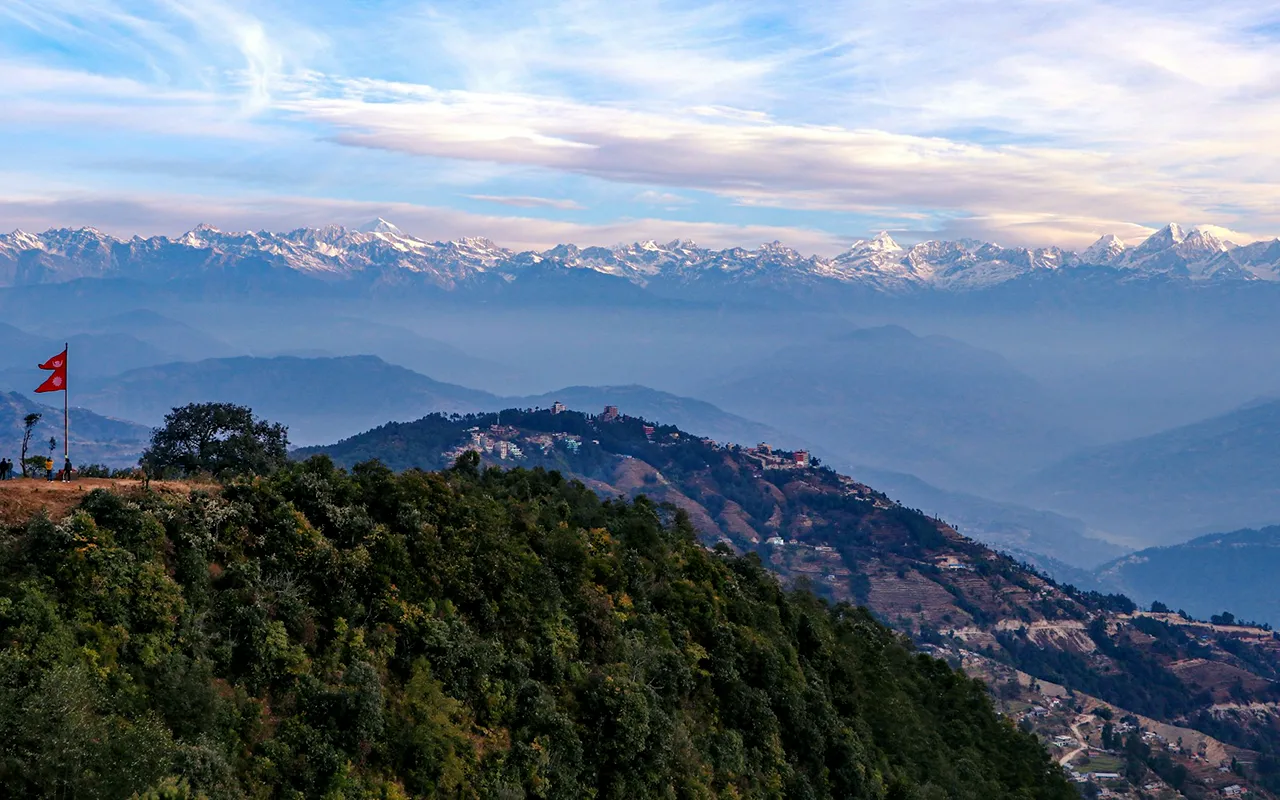
Whether enjoying sunrise at your hotel balcony or hiking around the places in the area, Nagarkot is a place of peace within an hour of Kathmandu. It has a serene ambiance and breathtaking views that must not be missed in Nepal.

Bandipur – The Timeless Hilltop Town
Bandipur is a beautiful Newari hill village and is one of the most beautiful Places to visit in Nepal. It boasts a wonderful array of historical architecture, cobblestone streets, and a Himalayan vista, an ideal mix of the past and the present, as well as peace.
When strolling along the traffic-free streets of Bandipur, a traveler can visit antique temples, wooden houses carved up, and people been keeping the old traditions. The tranquility, mountain sunsets, and rural nature of Bandipur are some of the outstanding passages everyone will remember.
Gorkha – The Historic Birthplace of Nepal’s Unification
Gorkha is also a proud destination to visit in Nepal, the birthplace of King Prithvi Narayan Shah, who brought the country together. Its palace complex, called Gorkha Durbar, is situated on a hilltop and has a panoramic view, and is home to the Shah Dynasty palace of King Pritivi Narayan Shah.
The old palace, temples, and shrines can be visited to introduce the spiritual and historical nature of the region to the travelers. Gorkha is one of the most important places to visit in Nepal because of its combination of heritage, mountain scenery, and cultural pride.
Everest Region – The Roof of the World
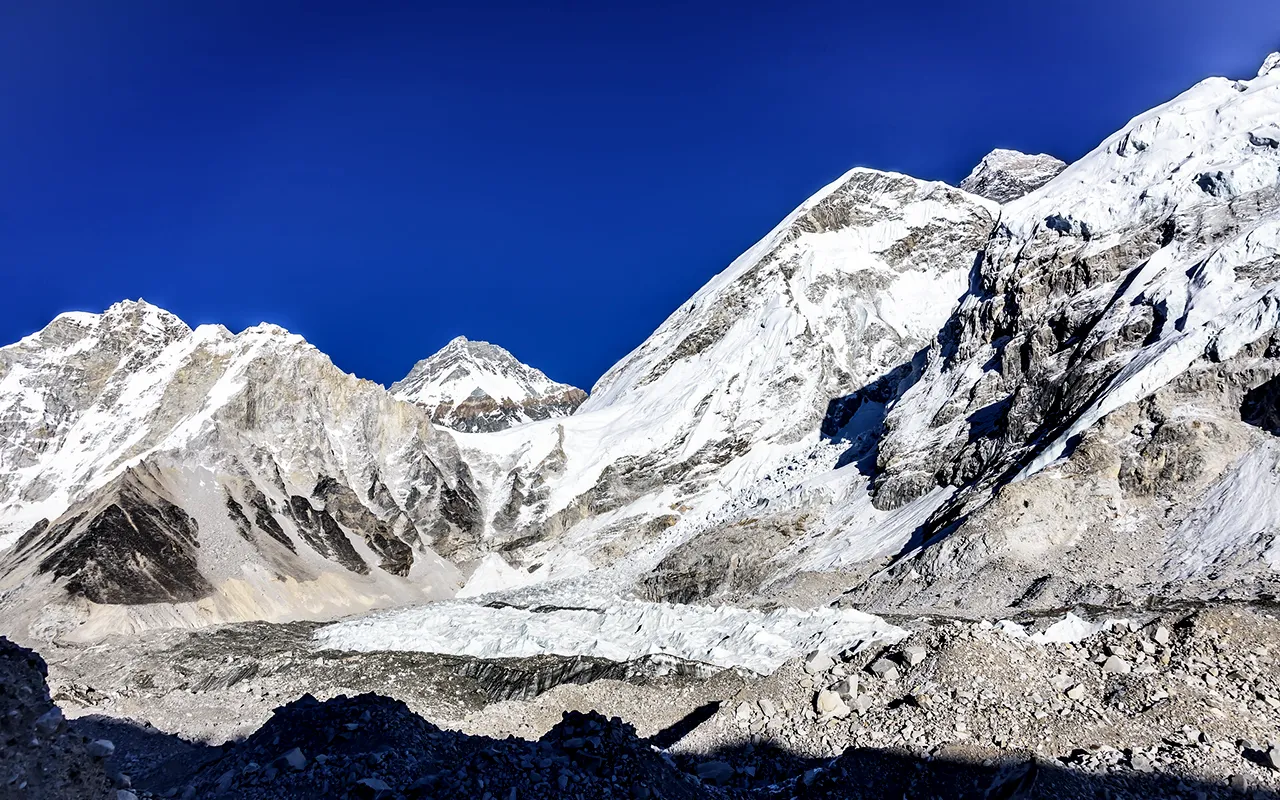
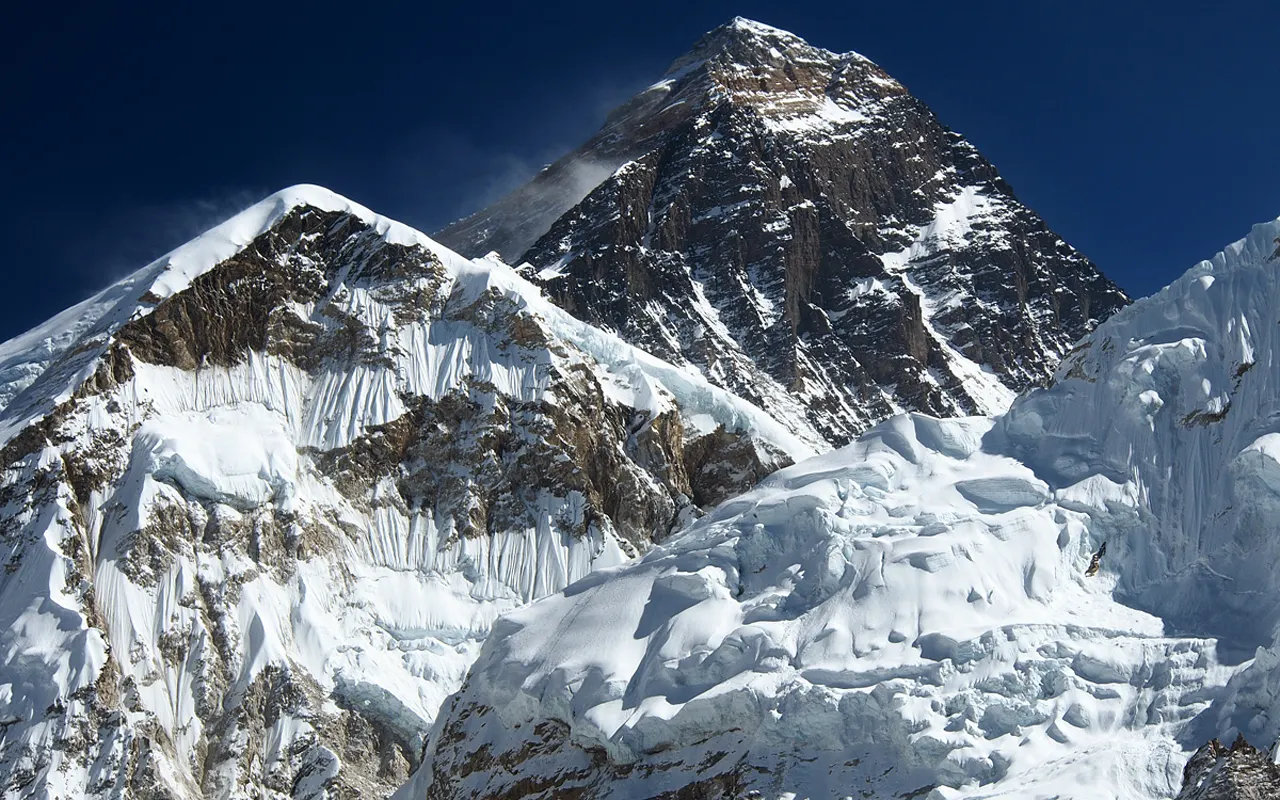
The Everest region is among the most renowned Places to visit in Nepal and is a destination for lots of trekkers and adventure seekers worldwide. High mountains, ancient monasteries, and the hospitable nature of the Sherpa culture characterize this mythical Himalayan scenery.
Major attractions include Namche Bazaar, the bustling Sherpa capital; Tengboche Monastery, where a person can find spiritual peace with mountain views; the ever-popular Everest Base Camp; and the Gokyo Lakes with their turquoise water. Every single place discloses the magnificence that renders this area memorable.
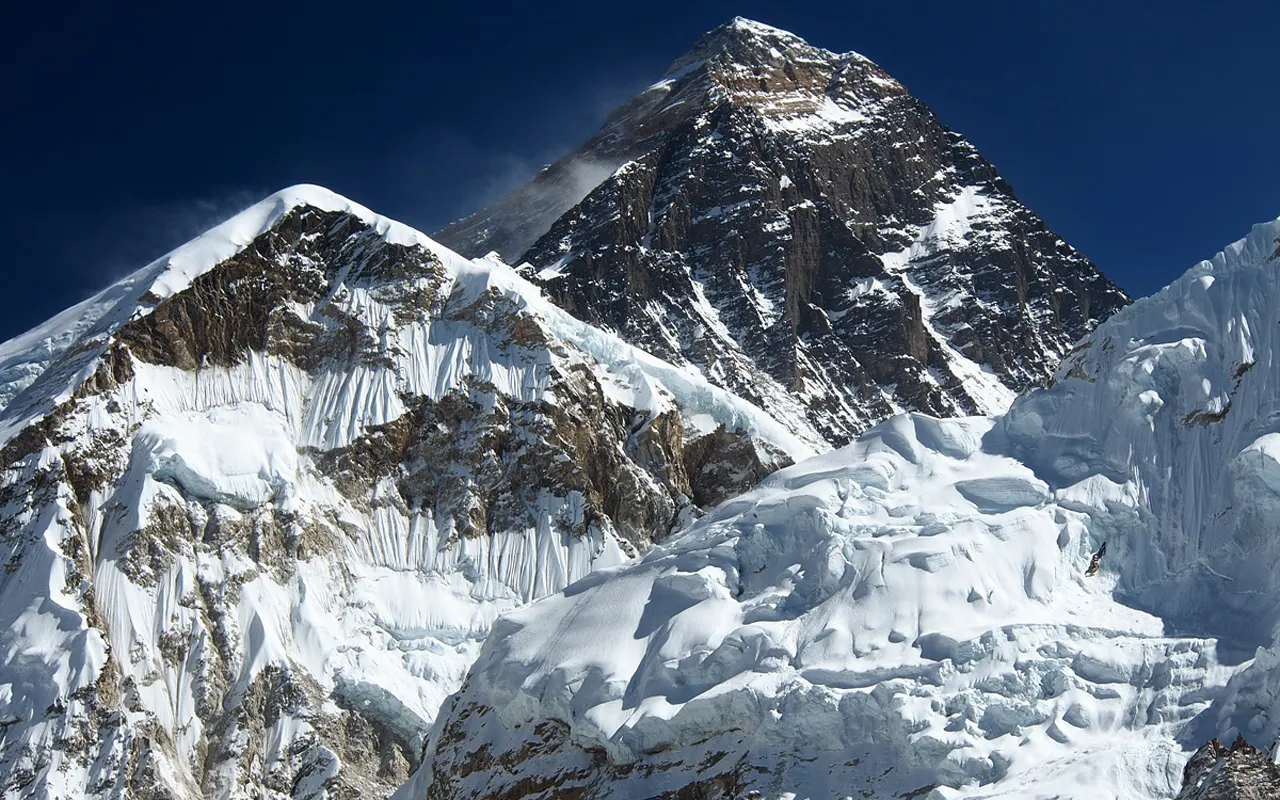
In addition to the adventure, tourists get to enjoy the authentic Sherpa culture, colorful prayer flags, and unlimited Himalayan panoramas. Regardless of whether one is trekking or enjoying the view, the Everest region is surprisingly one of the most breathtaking Places to visit in Nepal.

US$ 1650
Annapurna Region – A Trekker’s Paradise
One of the most rewarding regions to visit in Nepal is Annapurna, where one can enjoy the best combination of adventure in the mountains and cultures. It is the most beautiful place with excellent trekking trails, which attract trekkers who would love to see beautiful scenes and a real Himalayan experience.
The most popular ones are the Poon Hill trek, the Annapurna circuit, and the Mardi Himal trail, all of which offer panoramic views of Annapurna, Machapuchare, and Dhaulagiri. These are the trips with the magnificent mountains, beautiful villages, and dynamic natural surroundings.
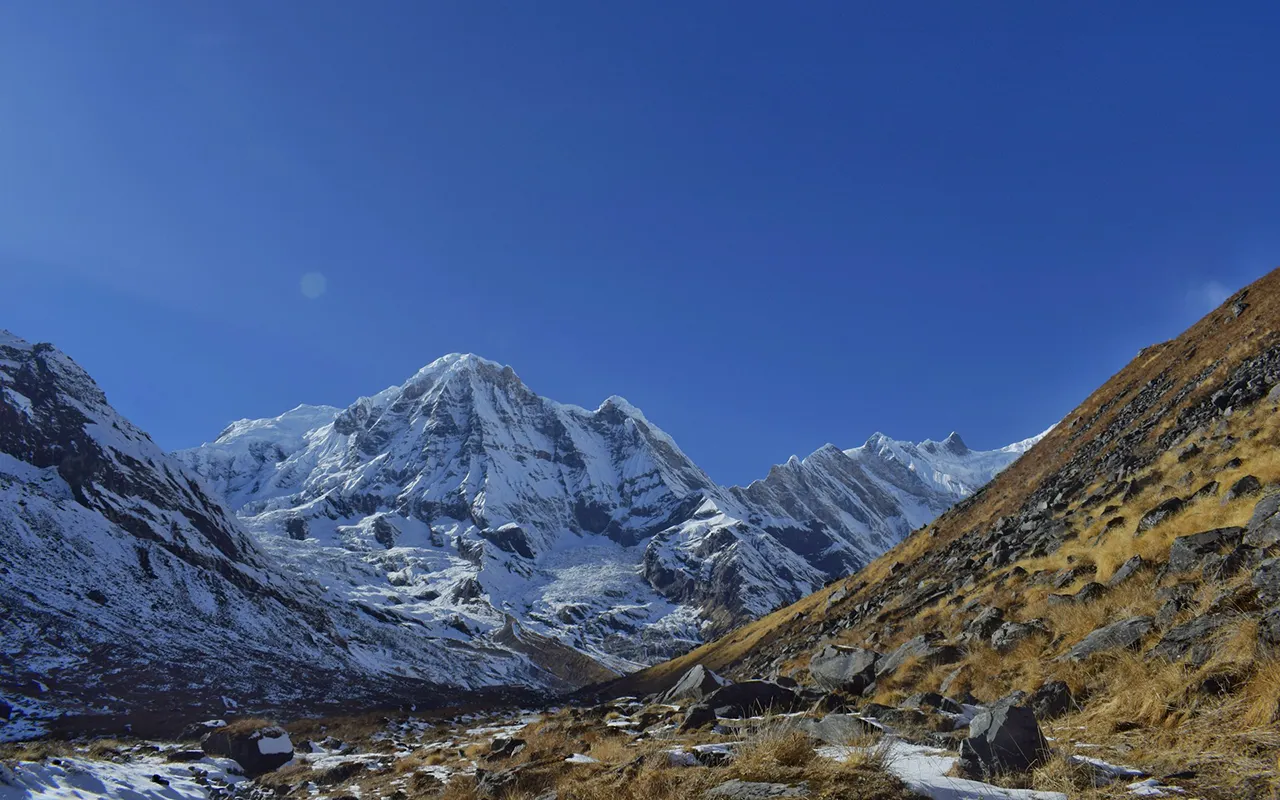
On their way, the traveler can experience friendly Gurung and Magar hospitality, traditional teahouses, and peaceful rhododendron forests. The Annapurna area is one of the most favorable areas to visit in Nepal because of its affordability, variety, and breathtaking views.

Langtang Valley – Close to Kathmandu Yet Wild
The Langtang Valley is one of the most rewarding destinations to be visited in Nepal because of its alpine scenery, Tamang villages, as well as the glacier viewpoint. It is ideal when a traveler wants the wilderness without spending a lot of time on the road.
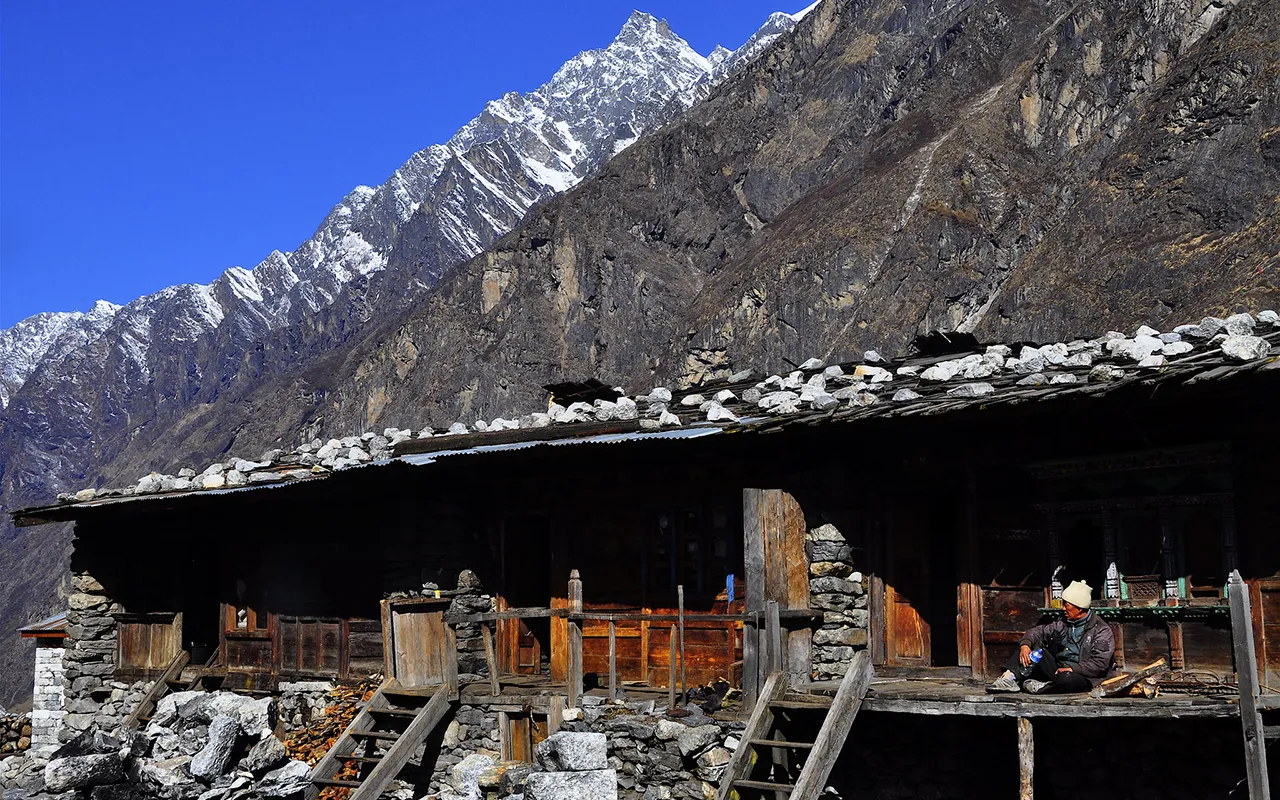
The trail passes through yak fields, Tibetan meditation centers, and spectacular landscapes of Langtang Lirung and other mountain ranges. With its accessibility, cultural depth, and natural beauty, Langtang Valley is one of the most interesting destinations to visit in Nepal in case of a short adventure.
Trip not found.
Rara Lake – The Jewel of Western Nepal
The Rara Lake (2,990 meters) is an untouched location to visit in western Nepal. It is a real masterpiece of nature as it is enclosed by pine forests and snow-capped mountains.
The waters of the lake are crystal clear and reflect the mountains around it, forming a surreal, dream-like scenery. Trekkers enjoy solitude, bird watching, and making quiet walks along the shores, far removed from the crowded trails of central Nepal.
To the travelers in need of peace and nature, Rara Lake provides the ultimate tranquility. It is one of the most enchanting spots to visit in Nepal, especially for people who enjoy nature because of its remoteness, pure beauty, and silence.

Tansen (Palpa) – The Hidden Gem of Mid-Western Hills
Tansen is a beautiful hill station and one of the most attractive sites to visit in Nepal. Its paved roads, old-fashioned structures, as well as hospitable people speak of a classic mix of culture, past, and welcome.
Known for its handmade brassware, pagoda temples, and panoramic views of the Kali Gandaki Valley, Tansen is a serene spot to get away from hectic tourist routes. It is a much underrated destination in Nepal because of its easy-going nature.
Ilam – Nepal’s Tea Garden Heaven
Ilam is a serene hill station located in eastern Nepal and is known to be full of rolling tea gardens, cool climate, and scenic beauty. Travelers love strolling in the plantations of Kanyam, having fresh tea, and mountain sights.
Other than tea, Ilam also provides sunrise scenery at Antu Danda, bird watching, and homestays. It is one of the most refreshing places to visit in Nepal due to its silent beauty, green rolling hills, and hospitable hosts.
Conclusion
Nepal is the place that literally has it all: mountain ranges, ancient temples, lush jungles, and the colorful local community. The trips open new colors, cultures, and feelings, which is why these are the most fascinating places to visit in Nepal.
First-time travelers are advised to plan their adventures intelligently and include such classic destinations as Kathmandu and Pokhara, and some smaller treasures like Bandipur and Rara Lake. Traveling is an essential experience of the true beauty and hospitality of the country when one ventures beyond the main tourist routes.
So, pack your bags and follow the call of the Himalayas. Nepal is waiting to receive you with open hearts, smiling faces, and adventures in a lifetime to make it one of your most memorable destinations to visit in Nepal.