notification-icon

Unmissable holidays deals - Save up to 20%

Kori Village : A Hidden Gem in Gorkha Himalayas

Introduction

Nepal is at the top of trekking destinations. With a wide range of trekking trails all across the Himalayas covering the spectacular beauty of mountainous geography and unspoiled nature, trekking in Nepal is already one of the most popular outdoor activities in the Himalayas. Due to the traditional trails across the tranquil nature, along with cultural immersion, it is now becoming a once-in-a-lifetime experience.

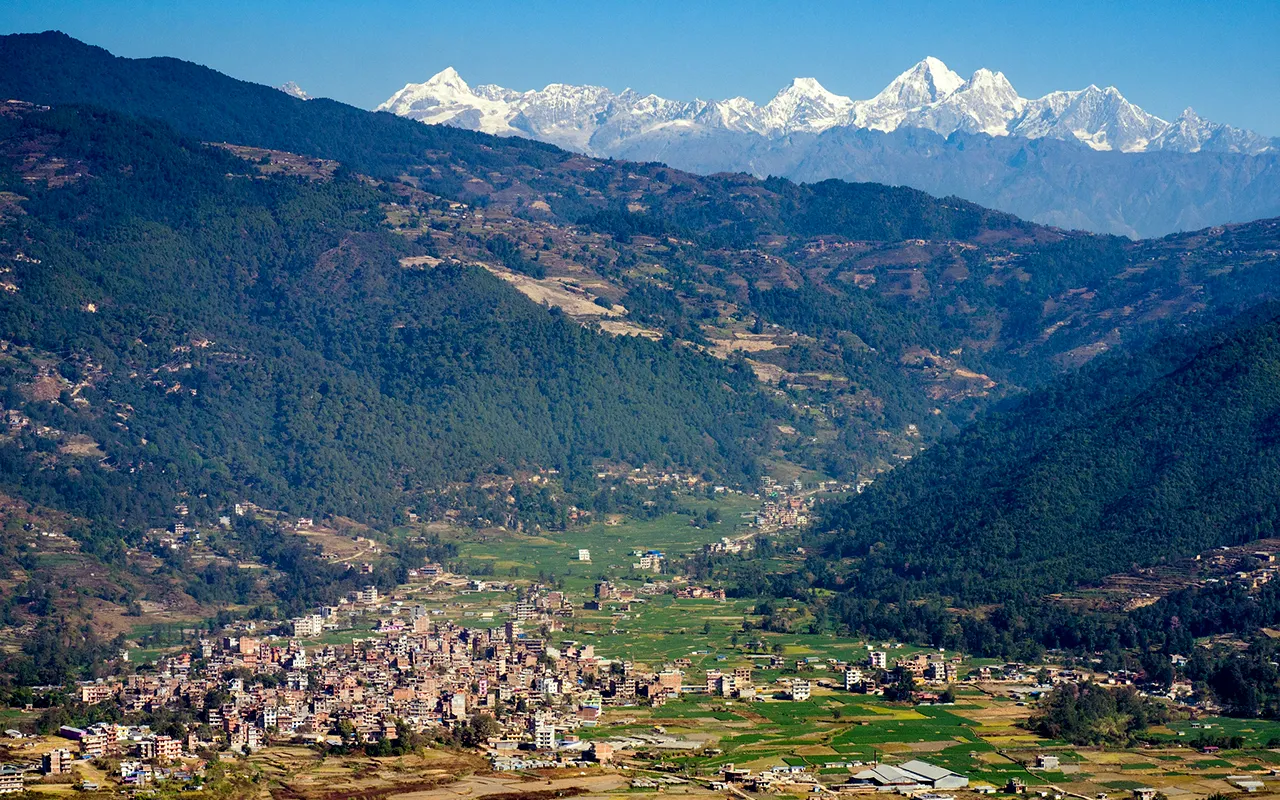
Among and across the wide range of choices in trekking in Nepal, Kori Village is now becoming a Himalayan gem in the destination list. Located at the scenic foothills of the Himalayas, Kori Village remains untouched by mass tourism and is in its natural topography. Very limited commercialization, simple village, and pristine nature give travelers and trekkers a rare opportunity to experience the Himalayas in Nepal. The raw and authentic form offers the spectacular mountain panoramas, lush forest, as well as tranquil nature, which always keep Kori village ideal for travel enthusiasts who seek solitude.

The nature-rich Kori village is expanding its popularity with less-crowded trails, pristine nature, and majestic landscapes for trekkers who seek solitude. Also, the cultural immersion and hospitality of people too adds more flavor to the experience of nature travel.

The combination of breathtaking Himalayan views, cultural diversity, traditions, and accessibility makes Kori village itself as a hidden gem for trekkers. Unlike longer Himalayan expeditions, this trek can often be completed within a few days, equally offering the trekking journey as much as Everest and Annapurna as a short trekking trip.
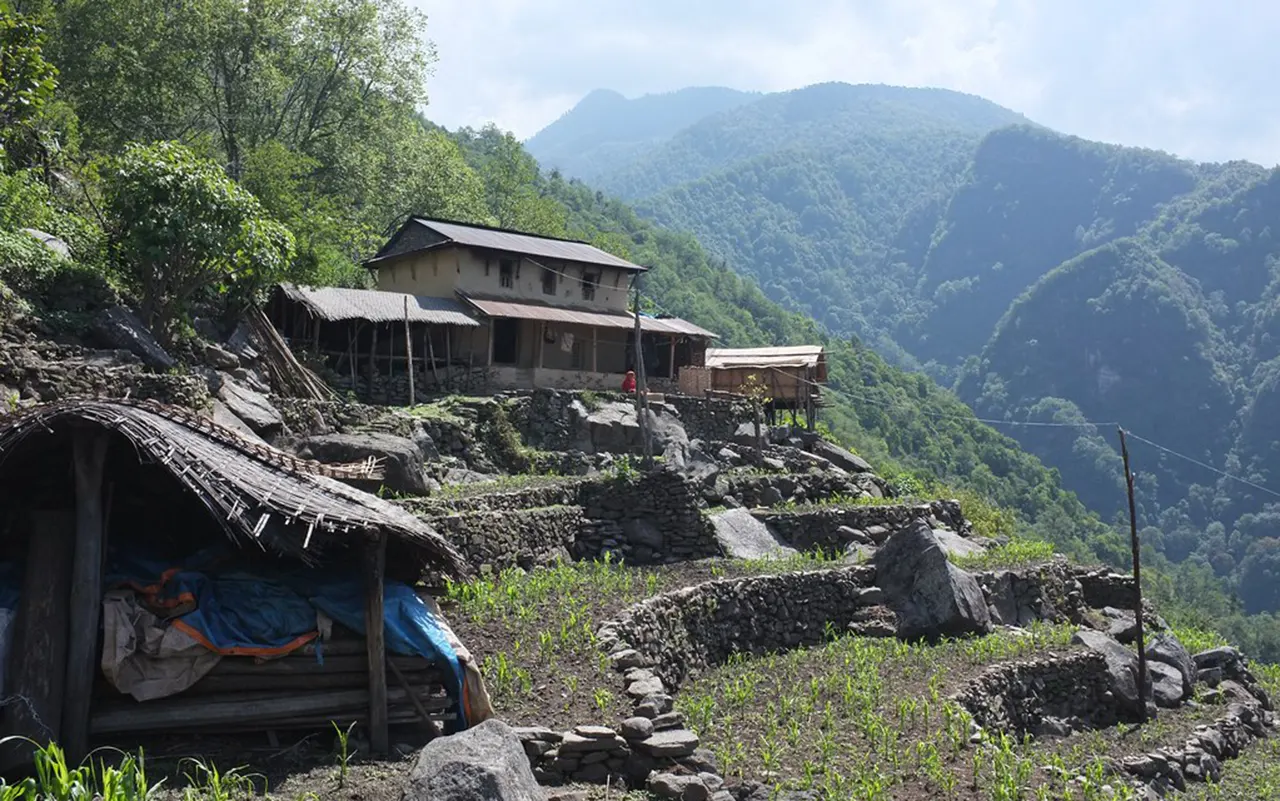
Kori Village

Where is Kori Village Located?

Kori Village lies in the district of Gorkha, a very historic place from where the unification of Nepal began. The geography of Gorkha is already known for the dramatic hills, rich heritage, and gateway to the Himalayan trekking regions.

From Kathmandu, the journey typically involves a scenic drive. After arrival in the Gorkha region, it is followed by a trekking journey through the uphill forest and traditional villages. The distance varies accordingly to the chosen routes, but generally takes some hours by road to get there before trekking begins. Nearby landmarks too includes the traditional Gurung villages, alpine meadows, and viewpoints offering the majestic scenery of the Himalayan ranges.

Why Kori Village is a Hidden Gem

Untouched Natural Beauty

Kori Village still remains untouched by mass visitors, preserving its pristine natural environment in its finest form. The trek usually passes through diverse natural aspects such as rhododendron forests, terraced farmland, and rolling green hills that transform dramatically with the seasons . mostly spring is considered the heavenly season for kori as it brings the vibrant blooms, while autumn offers the crystal clear skies.

Because tourism infrastructure still remains minimal, the environment feels way more peaceful, and the absence of crowds allows trekkers to fully appreciate and enjoy nature’s rhythm. The trail offers very vibrant and tranquil birdsongs, mountain breezes and quite ruler life making it a garneted once in a lifetime journey.

Panoramic Himalayan Views

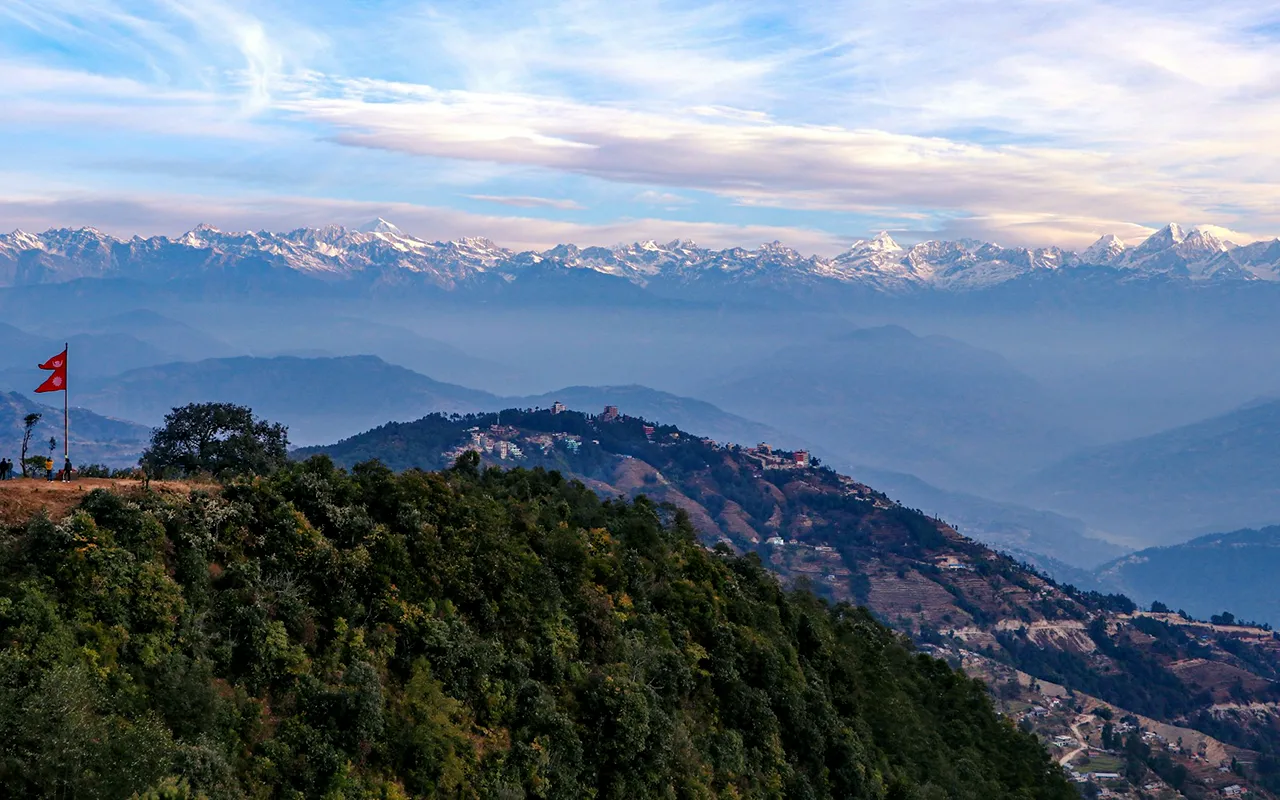
Kori Hill, which is often called Kori Danda, offers majestic Himalayan vistas. Trekkers and travelers always get to enjoy the view of Ganesh Himal and Manaslu, especially during the Sunrise and Sunset.

During the morning light, it also illuminates snow peaks, creating unforgettable photographic moments. As well, during the evening, the sunset offers an opportunity to see the stunning view of sunset with layered hills fading into the Himalayan peaks.

Fewer Tourists, Authentic Experience

Due to less commercialization, the Kori village offers genuine cultural immersion, several trekking trails, and authentic village hospitality. So travelers and travel enthusiasts who are seeking solitude, mindfulness, opr off-the-beaten path adventures, Kori often appeals to such journeys.

Kori Village Trekking Overview

Trek Duration

The trekking journey up to Kori village typically takes about 2-4 days of trekking journey. It also depends upon the starting point and pace of the journey. This duration makes it perfect for weekend adventurers or travelers with limited time and who seek to have a shorter journey with authentic Himalayan taste.

Trek Difficulty Level

Kori village offers a moderate level of trekking journey.  The trek is generally considered beginner-friendly with moderate walking hours, regular ascents, and manageable terrains.

Altitude

Kori village offers a moderate level of trekking journey with mild Himalayan elevation, typically below the high-altitude trekking zones. It reduces altitude sickness and rare acclimatization. So, it is suitable for beginners.
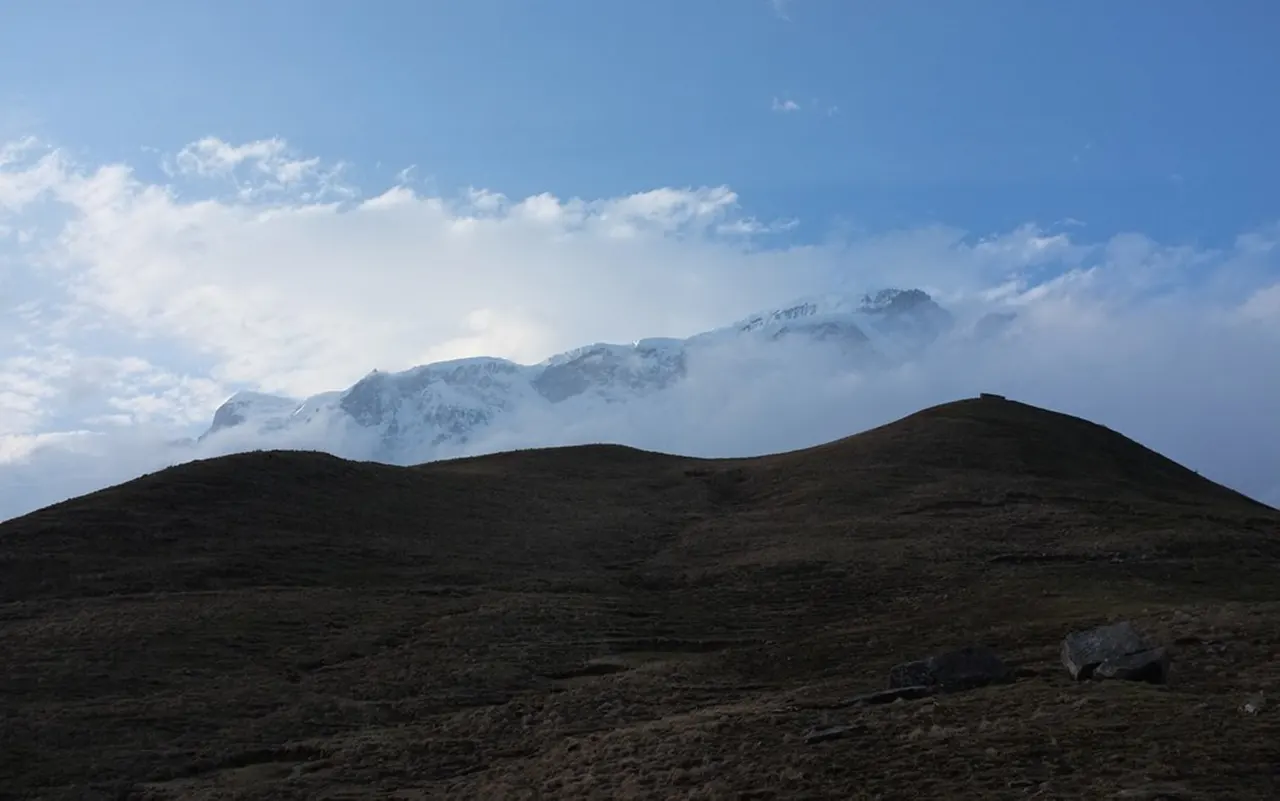
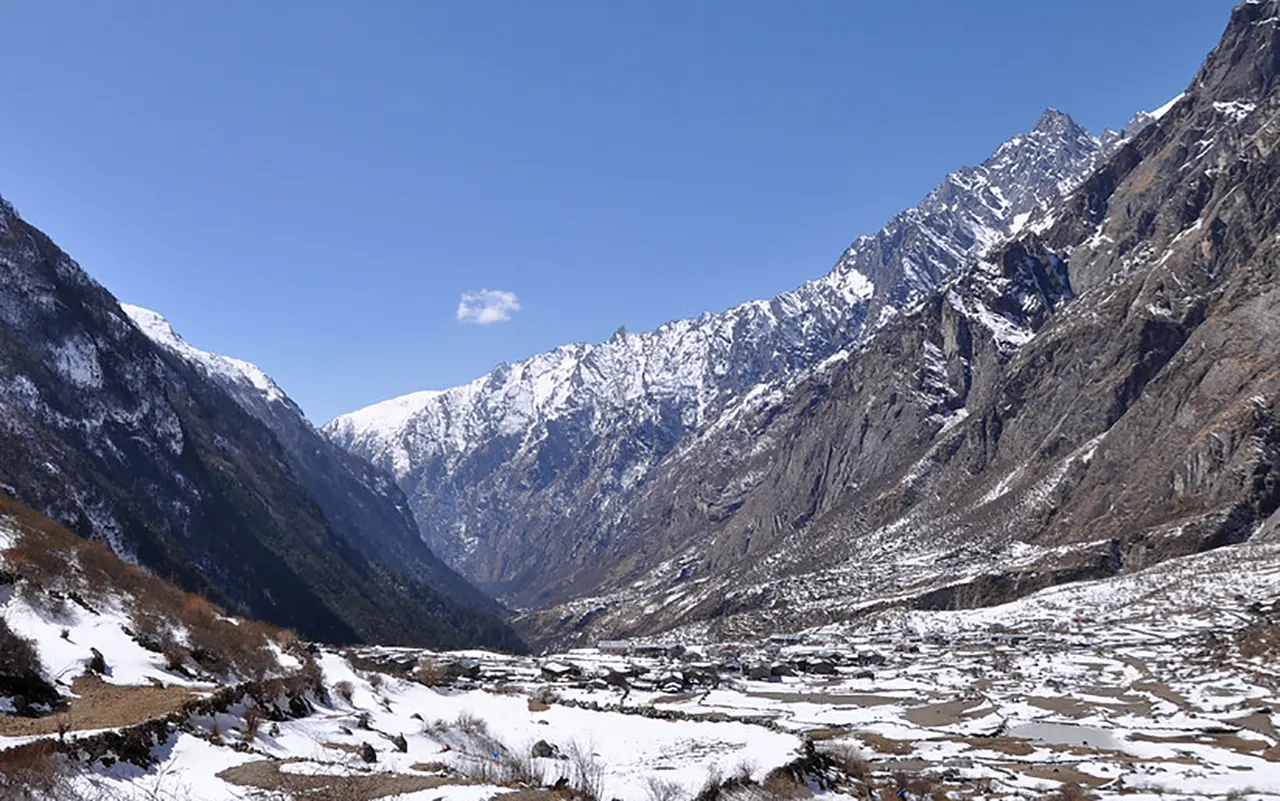
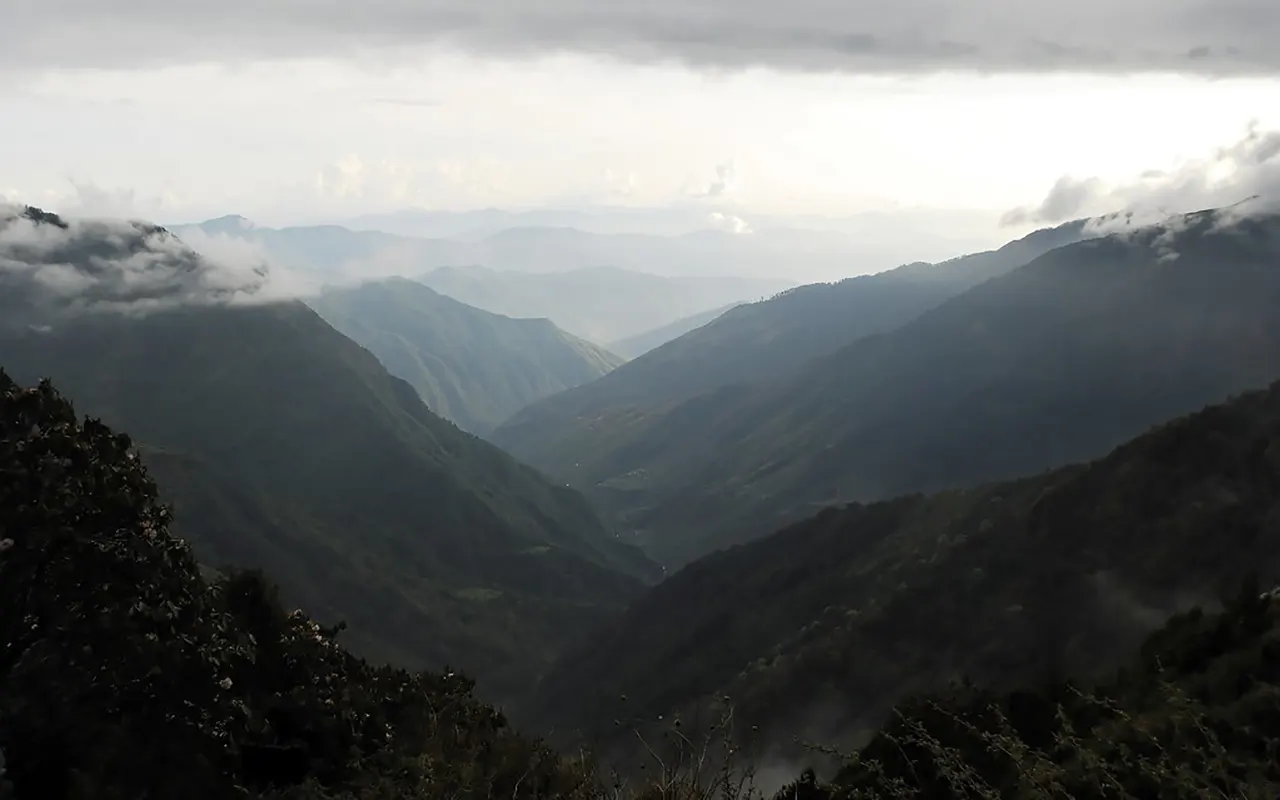
kori dada

Cultural Experience in Kori village

Kori village is a place of living Gurung community mostly7 known for its traditions, preserved cultures, and warm hospitality. Trekkers often encounter and get to witness stone and mud-plastered houses, stone-roofed houses, traditional agriculture, seasonal festivals and rituals, as well as rich oral story traditions.

Mostly, the home stays provide an authentic experience. Trekkers can enjoy transitional meals and participate in day-to-day village life. Trekkers also get an opportunity to learn about local customs firsthand.

Best time to visit Kori village

Although Nepal is open and welcoming for trekkers and travelers all around the year, choosing the best time or season can play curial role to enhance your experience more according to your personal preferences. So, considering the features and factors too, Spring and Autumn can be picked as the best time to explore Kori.

Spring

During the Spring Kori is considered at its peak natural beauty. With Rhododendron forests, blooming spectacularly, mild temperatures, and scenic landscapes makes it an ideal choice for the Kori village journey. Also, the best time to enjoy the stable weather, clear visibility, as well as refreshing nature, due to the pre-monsoon with lush greenery.

Autumn

During Autumn, clear skies and stable weather offer an excellent mountain visibility with the best visibility of any other season of the year. The colorful trails due to the falling season of dry leafs, makes it a very ideal choice for having a mesmerizing and picturesque journey. Also, the weather will be at its finest stage.

How to Reach Kori Village

To get to Kori village, the journey typically begins with a road journey from Kathmandu to Gorkha. The condition of the road may vary, but generally it is manageable with private vehicles and local transport.

After arriving at the nearest accessible village, the journey for trek begins passing scenic hills, terraced farmlands, forested trails, as well as traditional villages of Gurung Communities. Some routes are too suitable for a jeep, shortening the trekking time and duration.
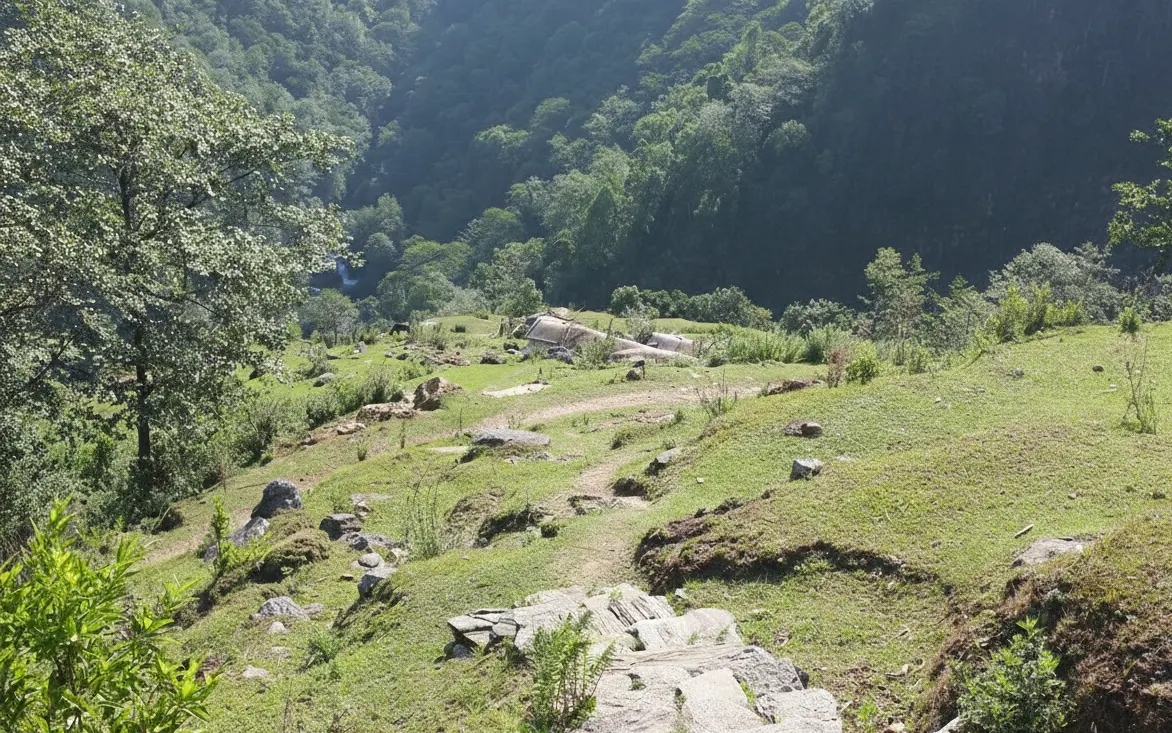
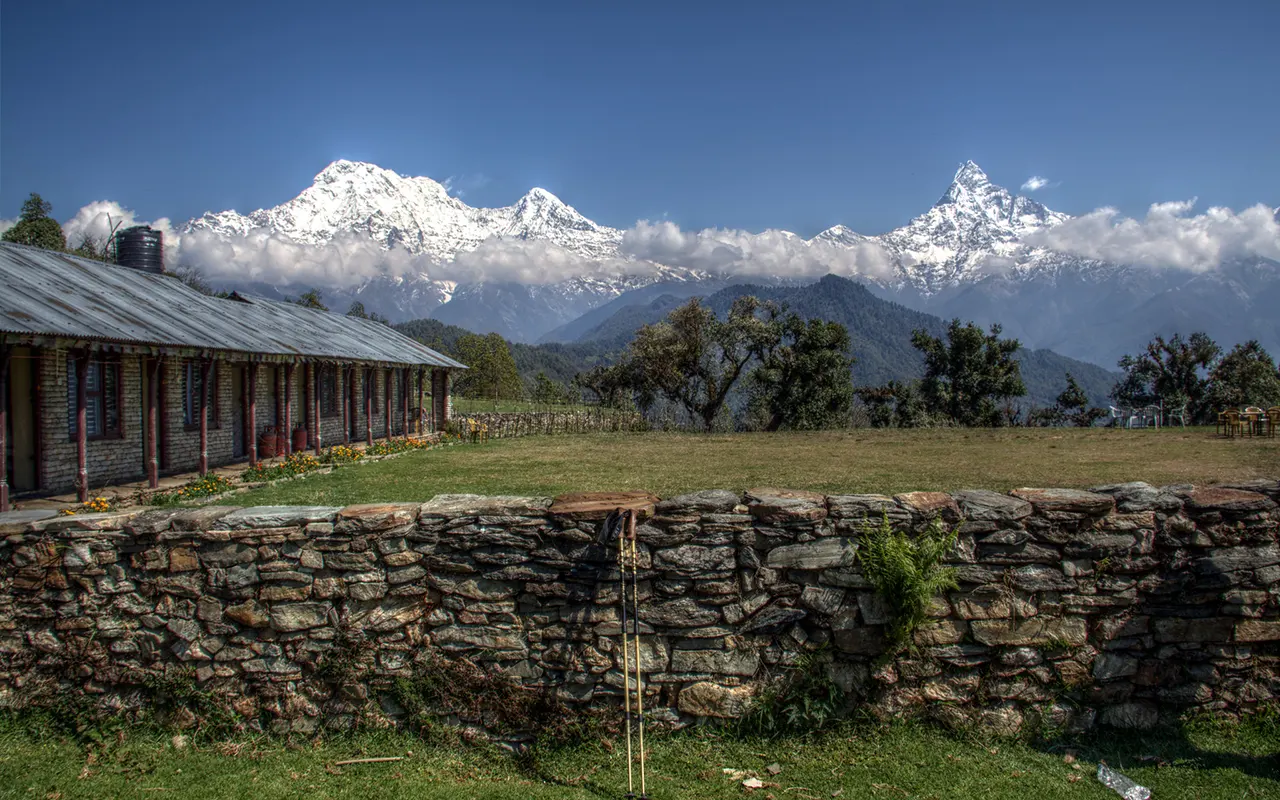
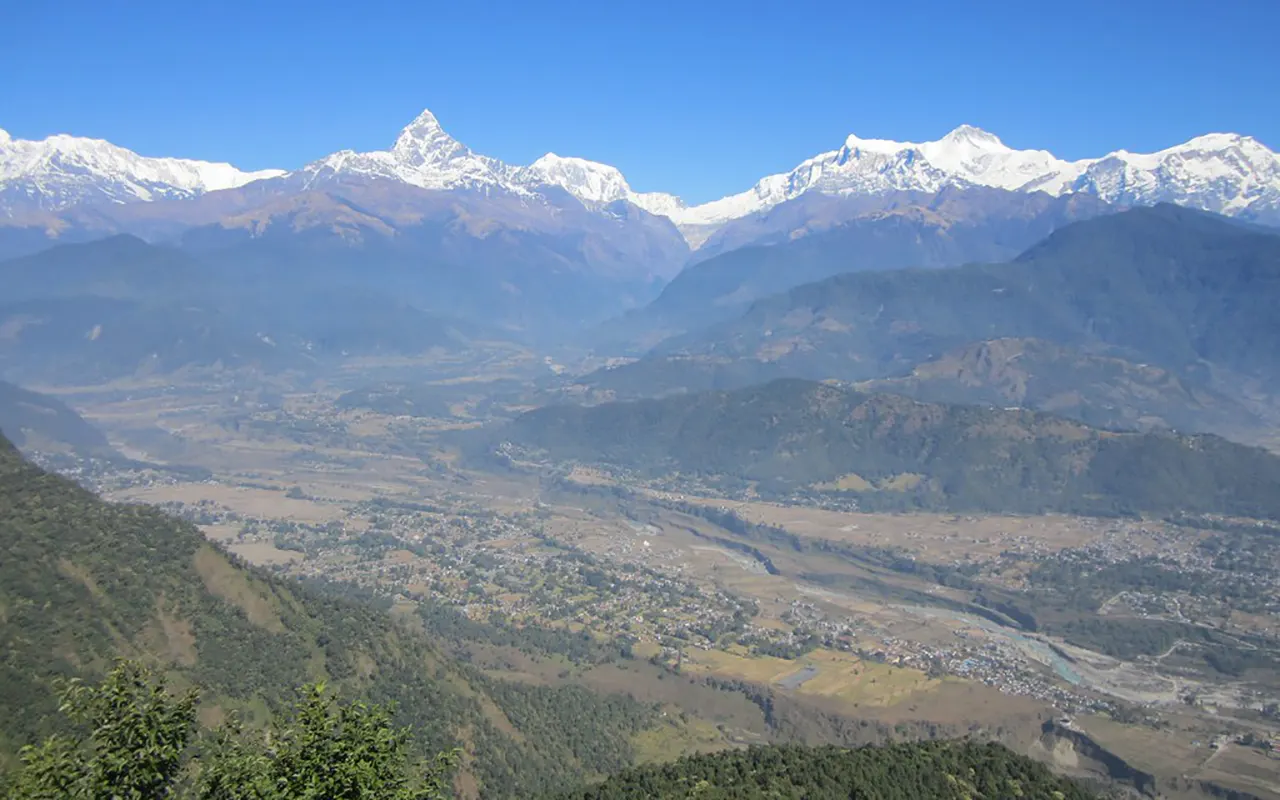
kori trek

Accommodations and Food

Accommodations in the Kori Village journey consist of basic logistics with basic services. It offers clean basic rooms, warm hospitality, and shared facilities. Camping is also possible if done with organized and properly managed trekking groups.

The menu for meals often includes mostly the local dishes, like Dal Bhat(rice, lentils, Vegetables), seasonal local foods, pickles, tea, as well as other local cuisines with local ingredients that are produced locally.

Most of the overnight stays are offered by the local homestays, teahouses, and guest houses. Also, these are all owned and run by the local communities.

Things to Do in Kori Village

Sunrise and Sunset views

Koti Hills offers stunning sunrise and sunset views from different spots. It too includes the majestic scenery of layered hills and snow-capped mountain peaks, making it an outstanding experience.

Nature Walks

The short hikes that go through hills, nature trails, villages, forests, and meadows offer relaxation and exploration.

Cultural Interactions

The trekking journey to Kori Village too offers an opportunity to interact and immerse yourself in local cultures and traditions. It can be a great way to learn and engage with local cultural practices.

Photography

Kori is so rich in nature and spectacular views, offering the photography opportunity to capture landscapes, wildlife, and cultural photography opportunities. Also, during sunrise and sunset, it can be turned into an opportunity to capture beautiful moments.

Stargazing

Minimal light and very low light pollution, unlike in cities, Kori Village offers an amazing stargazing during the evening and at night time.
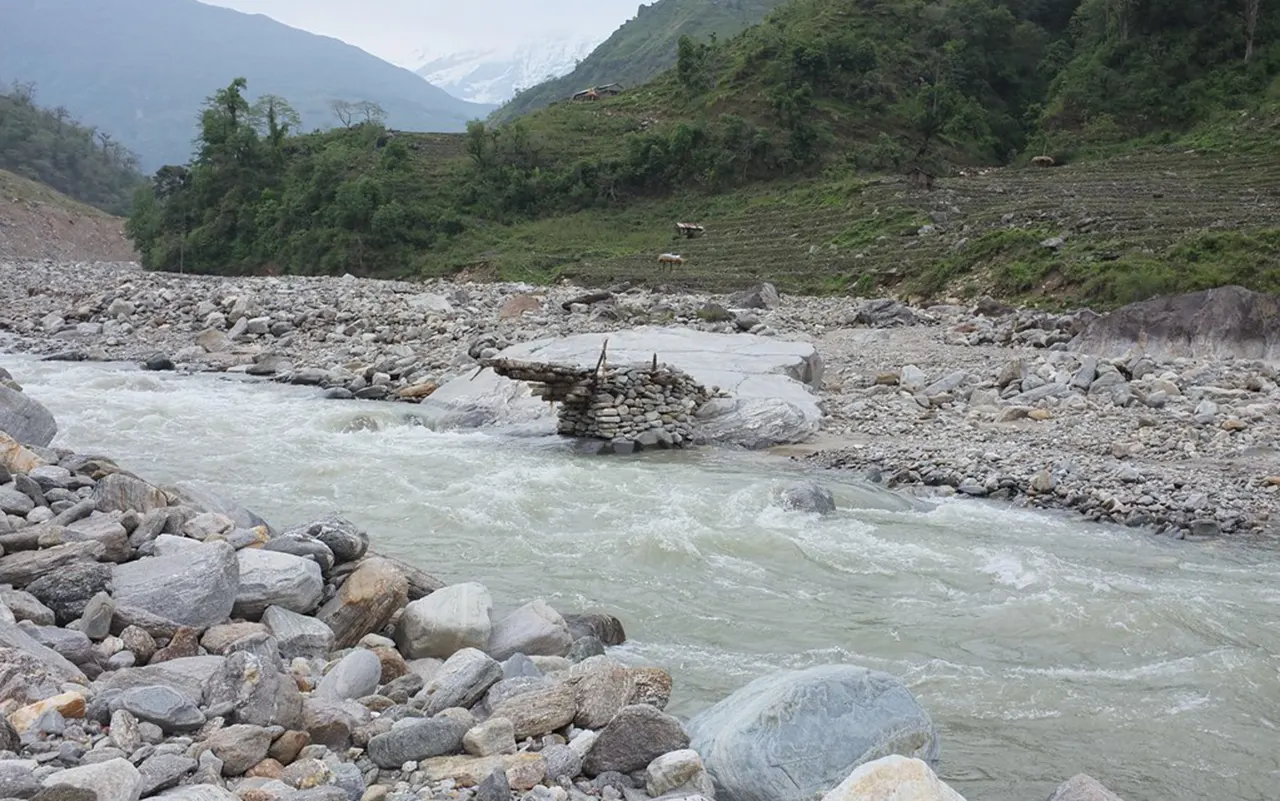
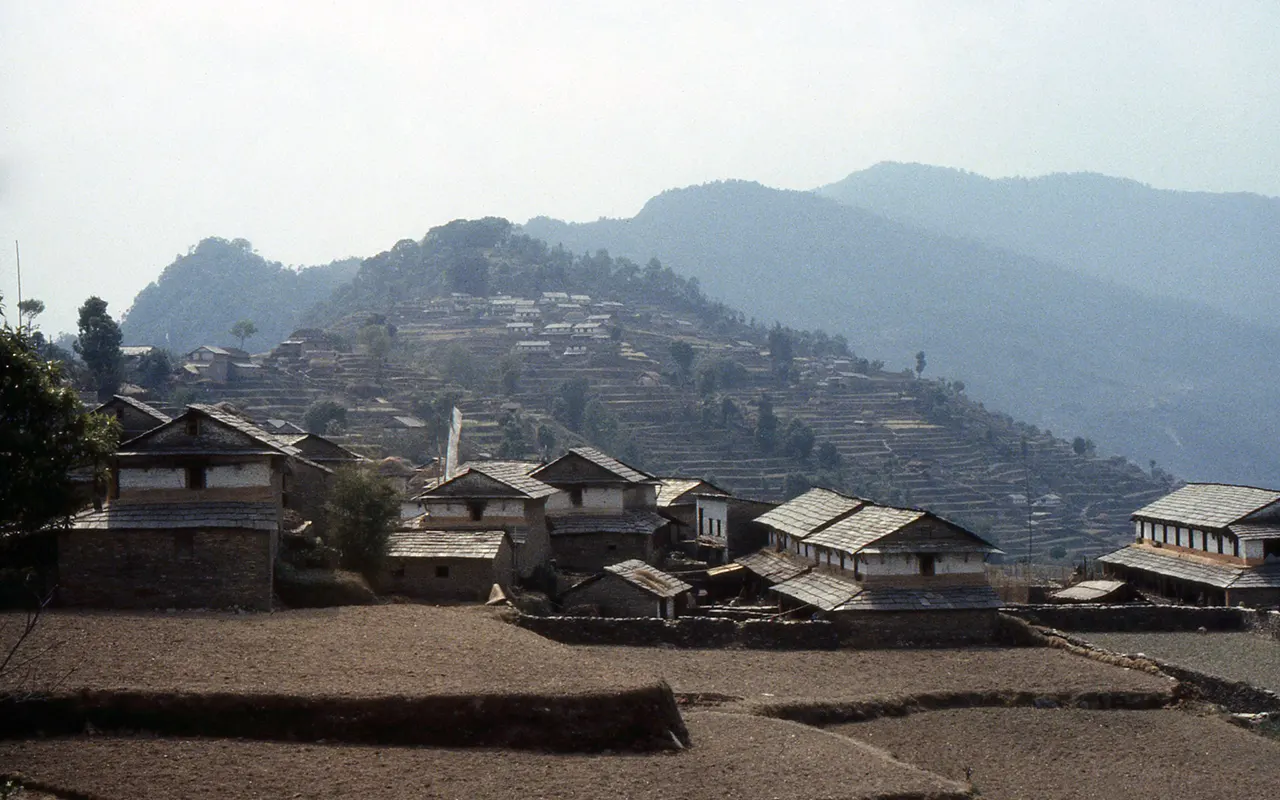
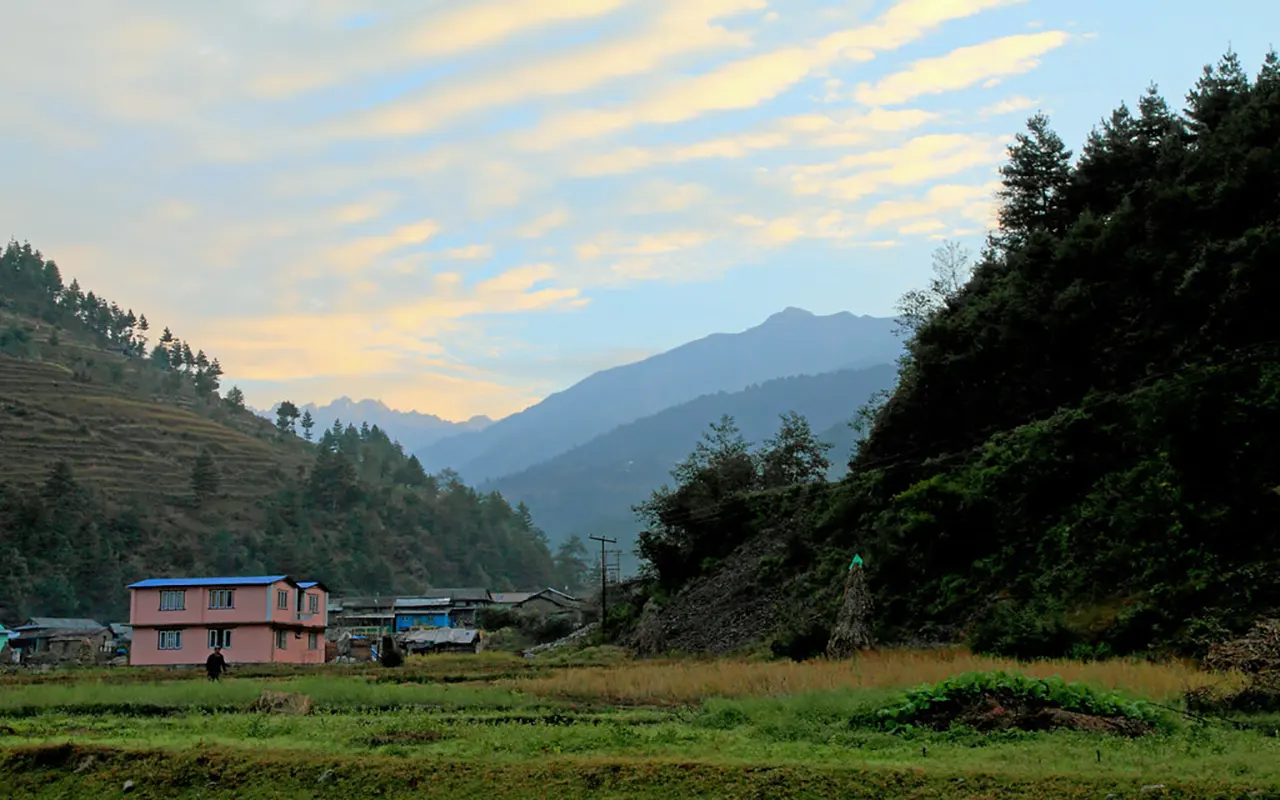
kori village trek

Sample 3-Day Itinerary

Day 1: Drive and Trek

The journey begins with a drive from Kathmandu towards the Gorkha district. The drive offers a very scenic road trip passing through the Himalayan geography. Then, after arrival in Gorkha, the uphill trek to Kori village passes through scenic countryside.

Day 2: Explore and Sunrise View

On this day, an early sunrise hike to Kori begins with exploration, photography, and cultural interactions. The journey also covers the huge natural diverse trails through various travelling features.

Day 3: Return Journey

Descending from Kori Village to the road access point where the bus arrives, and driving back to Kathmandu.

Essential Travel Tips

Kori is, of course, a short trekking journey, but it too needs proper preparation and essentials to do it properly and enhance the travelling experience. So here are some travel tips,

Packing Checklist

  • Water Bottle
  • Trekking shoes
  • Rain protection
  • Reusable water bottle
  • First Aid Kit
  • Trekking pole if needed
  • Sunscreen and insect repellent

Permits

Checking current regulations is recommended as a requirement also can also vary depending upon the route you choose to travel through.

Guide Recommendation

Local guides enhance safety, proper navigation, cultural understanding and cultural understanding.

Responsible Travel

Responsible travelling is always necessary. Avoid littering, respect local traditions, and support community tourism.
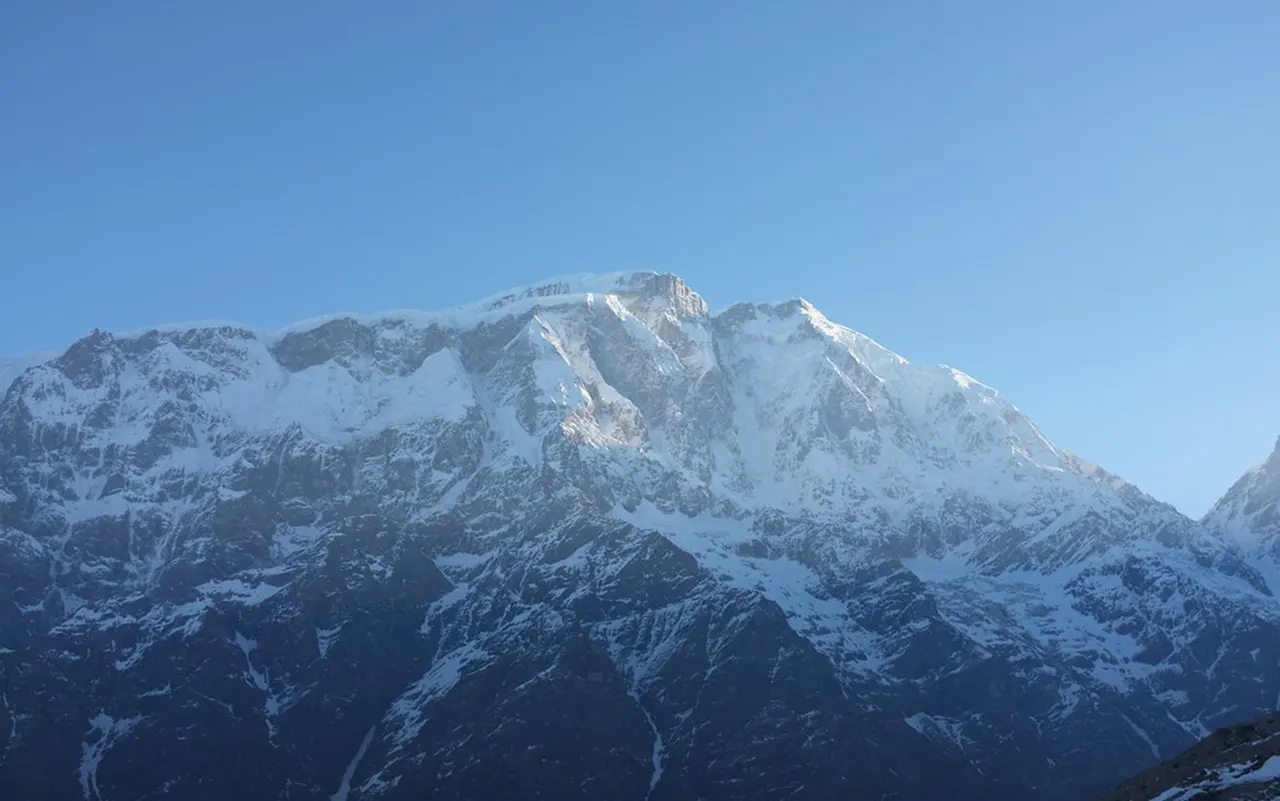
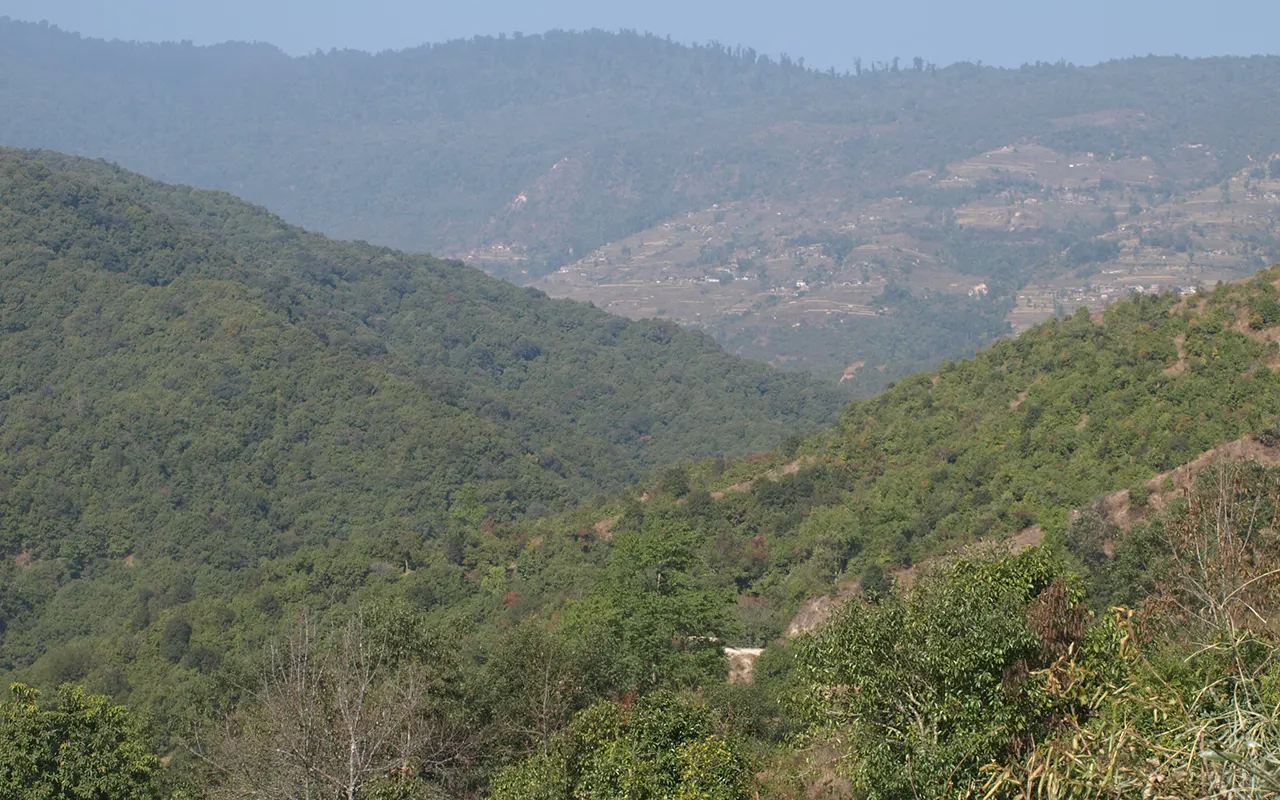
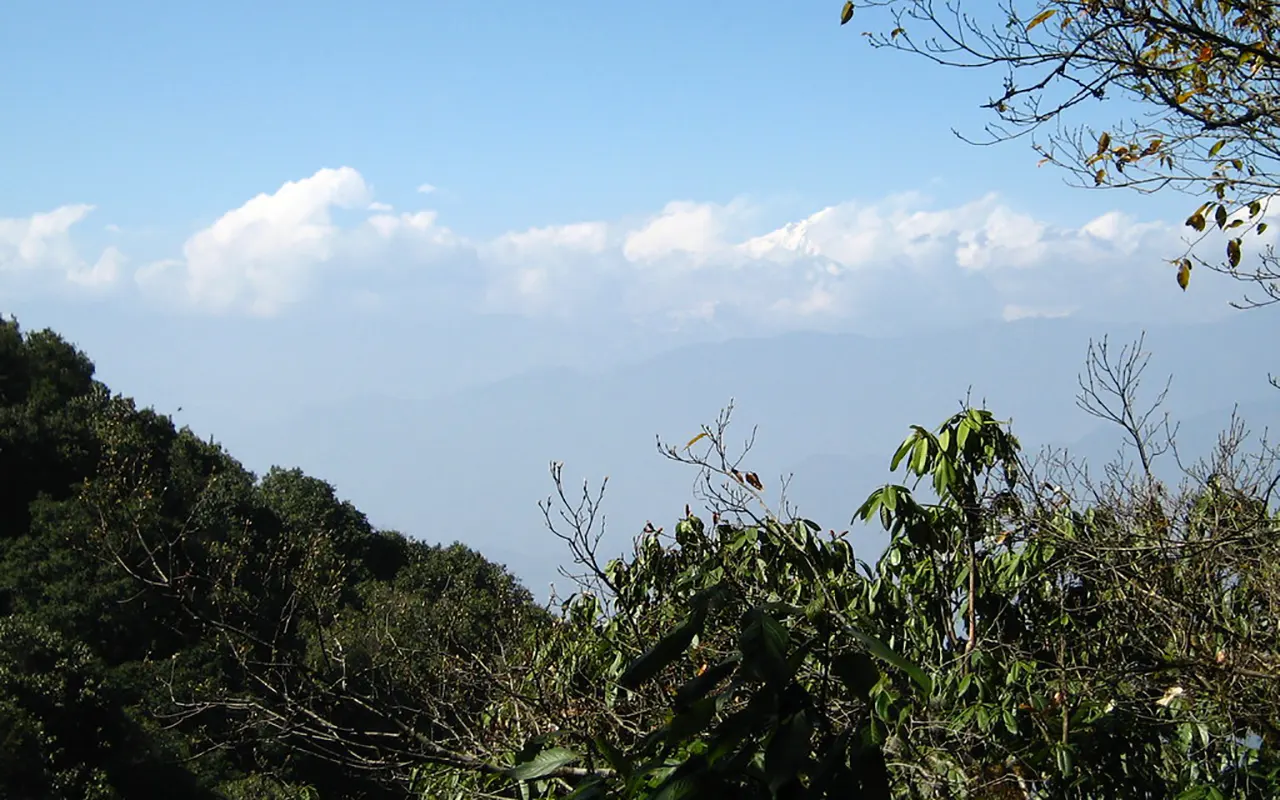
Kori Himal

Who Should Visit Kori Village?

Kori village appeals for diverse traveling with various opportunities for exploring different features and aspects. It is beginner-friendly and has manageable routes, making it a great option for beginners, too.

It is also suitable for families seeking short nature exploration and experiences. It enhances the family vacation more.

Photographers are pursuing unique landscapes, majestic views, and spectacular nature shots.

Weekend travelers, from Kathmandu, due to its short duration and budget-friendly nature, who are willing to have a short nature vacation. Adventure seekers who want quieter and more tranquil alternatives. Kori is really a hidden gem of the Himalayas.

Final Thoughts

Kori Village remains one of the most promising trekking destinations of Nepal. It combines the features of untouched landscapes, warm hospitality, panoramic Himalayan views, as well short duration trek. It is highly appreciated by trekkers too due to its pristine nature and its diverse trails.

As tourism is gradually expanding for the Kori trail, responsible exploration becomes crucial. It also supports local homestays, respecting nature as well as promoting sustainable travel. These aspects ensure the hidden gem retains its charm.

For those who are willing to venture beyond popular trekking trails, the Kori Village trek offers a refreshing and fresh perspective of Nepal. It lies with quieter, deeper, and richer rewards. Exploring such less-travelled destinations and places not only enhances travel experience but also helps to balance tourism development in the country.

So, overall, if you are seeking peaceful Himalayan beauty, meaningful cultural encounters, as well as accessible adventures, Kori village stands as a gem for trekkers.

FAQs

  • What is the difficulty of the Kori Village Trek?

The difficulty level of the Kori Village trek is considered to be moderate in Nature. The short duration and normal steep trails offers easy and accessible trekking journey. It also depends on the experience and pace of the journey.

  • Is Kori Trek suitable for beginners?

Yes, the trekking journey of Kori Village is suitable for beginners with moderate difficulty and a short duration trek. It is also recommended and mostly refers to beginner trekkers who want to have a Himalayan taste in their beginning treks.

  • Is it suitable with children to trek to Kori Village?

Yes, it is suitable with children. It can also be a great way to have your family time and to show your children the natural and untouched side of the world. Kori can be taken as an opportunity to explore nature and create unforgettable memories with your children and family.

  • What is the duration of the Kori Trek?

The duration for the Kori Village trek is about 3-4 days of trekking journey, including the drive from Kathmandu. It also depends upon your personal preferences and pace, as well as how much time you want to spend in specific locations.

  • Is the Kori Village Trek budget-friendly?

Yes, the Kori trek is a budget-friendly trekking journey. It offers flexible, affordable foods, accommodations, and stays. Most of the overnight accommodations are manageable in teahouses, guesthouses, and local homestays, which are affordable for budget-friendly travelers.
Easy Treks in Nepal: 10 Best Beginner-Friendly Trails for First-Time Trekkers

The Himalayan ranges in Nepal are high and may seem to be terrifying at the beginning, but numerous easy treks in the country can be done by beginner trekkers too, without fearing to conquer the giants. Although some of the highest mountains in the world are here in the country, a lot of trails are on soft routes along the valleys and foothills and are thus easy and pleasant for first-time trekkers.

Easy treks in Nepal usually follow old trade routes where the climbs are moderate, so that you can explore Himalayan views without excessive demand. You are also able to walk at a slow pace while enjoying breathtaking mountain views.

The diversity of Nepal makes these easy treks even greater. Starting with green woods and terraces, traditional villages and tranquil monasteries, each step is gratifying and unforgettable.

What Makes a Trek Easy in Nepal?

Not all the trekking in Nepal entails ascending steep climbs or mountain passes. The easy hikes are below 3,000 meters in altitude, decreasing the chances of altitude sickness and making the weather conditions more comfortable.

The hiking tracks are not technical, and no special skills or equipment are required, other than good walking shoes. The number of hours spent walking daily is moderate, usually between 4 and 6 hours, and the trek is not complicated for beginners.

These are shorter treks that usually take a couple of days to a week, and have teahouses or villages on the trail. This enables trekkers to sleep properly every night and have a view of the Himalayan scenery without getting tired.

Best Times of Year for Easy Treks

The selection of the season is a significant factor in the case of easy treks in Nepal. One of the most favourable seasons is spring (March-May), when the temperatures are not so high, and the rhododendron forests paint the trails. Some beginner routes in Annapurna, Langtang, and the Everest region are of great special interest in this season.

September to November is also the best month to go trekking. The dust and pollution are swept away by the monsoon rains, and fresh air and clear mountain views are left behind. Autumn is the most popular season for trekking due to the existence of stable weather, favourable conditions for walking, and breathtaking landscapes.

December to February is winter and is not very noisy, though most of the low-altitude treks can be done during this season. Such routes as Ghorepani Poon Hill or the Royal Trek are still available even during winter, but nights are chilly. The monsoon seasons are normally avoided as it is usually raining and cloudy, thus spring and autumn are the most suitable seasons to be used by novices.

The 10 Best Easy Treks in Nepal

Nepal has a great number of easy routes that can be used by first-timers. The ten best easy treks in Nepal are listed below, and each has a brief description of what they involve, such as how many days it takes, the highest point, as well as main highlights, and why it is a good beginner trek.

All the way up to the Annapurna base to the periphery of Everest, these trails demonstrate that being a hardcore mountaineer is not necessary to experience the legendary trek in Nepal.

Ghorepani Poon Hill Trek

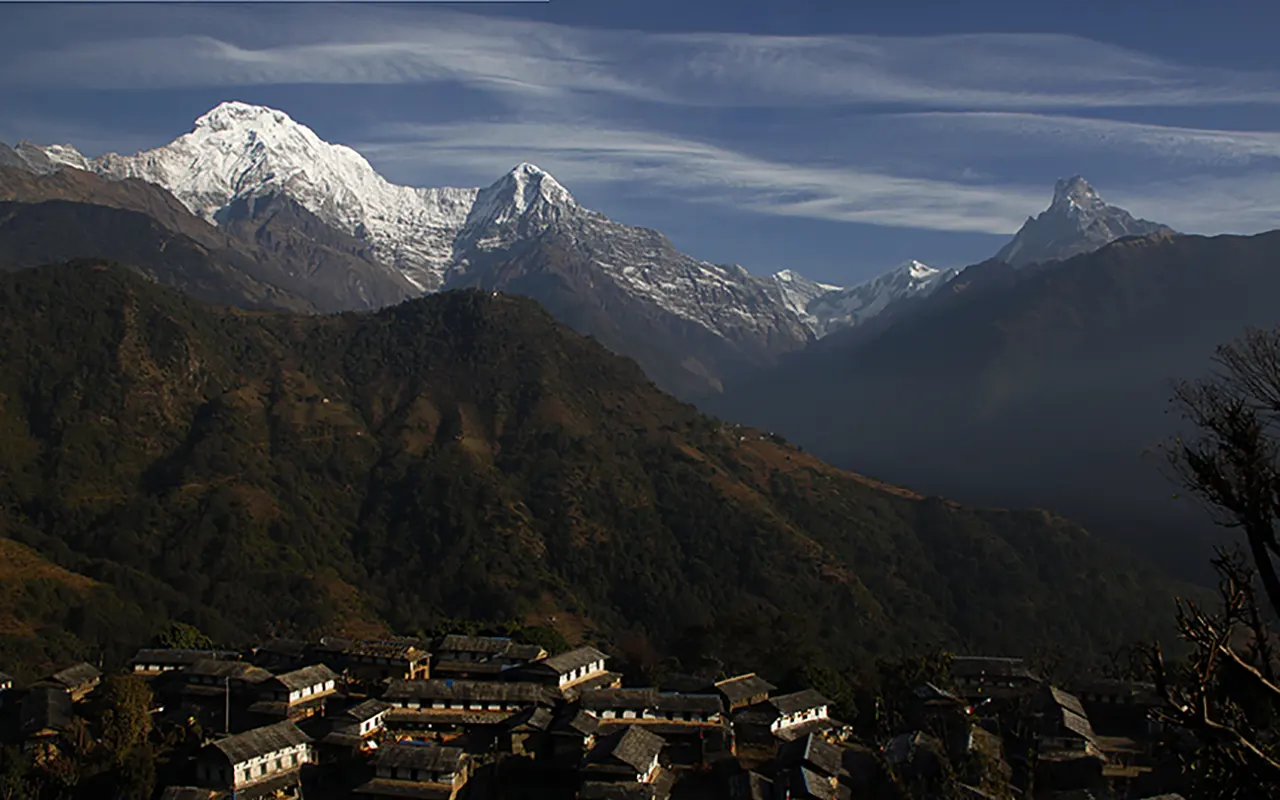
Ghandruk Village

Duration: 4-5 days

Max Elevation: 3,210 meters in Poon Hill (10531 ft)

Highlights: This trek will expose one to lush rhododendron forestry and the traditional Gurung villages of Ghandruk and Ghorepani. The key attraction is the sunrise on Poon hill where the panoramas of the Annapurna and Dhaulagiri ranges are stunning. The trail is pleasant and relaxing with comfortable teahouses.

Why it is a beginner-friendly route: It is a short, well-marked, occasionally moderate path and can be enjoyed by first-time trekkers. The elevation is not high, the number of walking hours per day is moderate, and the facilities are readily accessible, so beginners can enjoy Himalayan trekking without much worry.

Langtang Valley Trek

Langtang Valley

Duration: 6-8 days

Max Elevation: 3,870 meters at Kyanjin Gompa. (12696 ft)

Highlights: This easy trek in Nepal is to the north of Kathmandu and follows the Langtang River through forest, alpine meadow, and Tamang villages. The snow-capped mountains, glaciers, and tour of the Buddhist monasteries make the whole natural and cultural experience quite rich, with fewer crowds than other regions popular in the country.

Why it is a beginner-friendly route: The trail does not ascend too quickly, and this allows beginners to get accustomed to the situation comfortably. The tea houses can be found all the way along the route, and the trek does not demand technical expertise; hence it is an excellent option with first time trekker who needs a longer but not an insurmountable one.

Ghandruk Village Trek

Ghandruk Village

Duration: 3-4 days

Max Elevation: 2,012 meters in Ghandruk village. (6601 ft)

Highlights: The Ghandruk Village Trek is a short, scenic walk into the foothills of Annapurna around Pokhara. The path goes through terraced agricultural land, wooded areas, and Gurung villages that still have well-preserved stone structures, to Ghandruk, a quaint stone village.

Village is also known for its Gurung culture, slate-roofed houses, and narrow lanes. Trekking around Ghandruk, the trekkers are rewarded with the breathtaking sunrise of Annapurna South, Hiunchuli, and Machhapuchhre. The local museum and warm village hospitality are also cultural attractions that make the experience even more unique.

Why it is a beginner-friendly route: This easy trek in Nepal has a slow uphill to a relatively low altitude, so you hardly experience any altitude problems. Roads are well-beaten and easy to follow, and the number of hours spent walking every day is minimal. It is appropriate for families, seniors, and beginners who seek culture, views, and comfort within a brief period.

Australian Camp Trek

Australian Camp

Duration: 2-3 days

Max Elevation: 2,065 meters at Australian Camp. (6774 ft)

Highlights: The Australian Camp Trek is one of the easy treks in Nepal that starts at Kande or Phedi and is a fast and satisfying hike in the area around Pokhara. The path goes up through the terraced fields and rhododendron bushes to towns such as Dhampus up to the Australian camp, which is a quiet hill-top scenery.

It is a starting point of panoramic sight of Annapurna South, Hiunchuli, and Machhapuchhre by trekkers. The primary attraction is sunrise and sunset, where the environment is very tranquil, with an open grassy environment. There are local lodges and basic camping locations that are an addition to the attraction of this short trek.

Why it is a beginner-friendly route: This hike is much shorter and does not require such high altitude, and therefore is perfect to begin with. Governmental increases are simple and not physically straining. It is an ideal introduction to trekking in the Himalaya due to its easy accessibility as well as its location, which is near Pokhara.

Dhampus Trek

Dhampus

Duration: 2-3 days

Max Elevation: 1,520 meters in Dhampus Village. (4986 ft)

Highlights: The Dhampas Trek is a brief and scenic walk around Pokhara, and it all begins with a drive to Phedi and a gradual ascent through terraced rice fields and forest trails.

Dhampus village is located on a ridge and has expansive views of the Annapurna and Manaslu ranges, which include Machhapuchhre that is very visible. Sunrise and sunset in the village are particularly beautiful, and the rural setting is close to village life.

Why it is a beginner-friendly route: This is one of the most accessible easy treks in Nepal, and the altitude is low, with few walking days. It does not require any sort of acclimatisation, and the trails are good to ensure they are used by all ages, and those who have never used the trails before.

Chisapani-Nagarkot Trek

Chisapani-nagarkot

Duration: 3 days

Max Elevation: 2,175 meters, Nagarkot. (7135 ft)

Highlights: It is a walk around the rim of Kathmandu Valley, beginning with Sundarijal and going through Shivapuri National Park. Forest trails, waterfalls, and ridge walks lead to Chisapani and then to Nagarkot, which is renowned for its sunrise and sunset mountain views.

There are mountains of the Himalayas visible in the distance on a clear day. The hiking usually concludes at the Changu Narayan Temple, which also brings a touch of culture.

Why it is a beginner-friendly route: The trail is short, well-marked, and not at a dangerous altitude. It is easy to walk daily, and it is suitable for beginners, families, or people who do not have much time.

Helambu Trek

Helambu

Duration: 5-6 days

Max Elevation: 3,650 meters, around Thadepati or Ama Yangri. (11975 ft)

Highlights: The Helambu Trek is located north of Kathmandu, and it goes through the villages of Yolmo and Tamang, terraced lands, and forests. The most important are Kutumsang and Tarkeghyang, and on the way, there are Buddhist monasteries, prayer flags, and rhododendron forests.

The clear days provide the sight of Langtang Lirung and Ganesh Himal. There is also the sweet apple and colorful woolen textile, which is also a cultural addition to the trek in the region.

Why it is a beginner-friendly route: Helambu is near Kathmandu, at a moderate altitude, with well-marked trails and good lodges. The schedule is slow and thus an approachable Himalayan trek. It is less busy compared to other agenda roads, and it is calm and easily manageable for first-timers. This causes it to be one of the perfect easy treks in Nepal.

Royal Trek

Royal Trek

Duration: 3-4 days

Max Elevation: 1,730 meters

Highlights: The Annapurna base of the Pokhara Royal Trek goes through Gurung villages such as Kalikasthan and Syaklung. Trekkers can have a glimpse of Annapurna, Machhapuchhre, and Lamjung Himal, and also peaceful lakes such as Begnas and Rupa. The hiking trail is also a good place for exploration of local culture with small crowds, terraced fields, and citrus groves on the route.

Why it is a beginner-friendly route: This is among the least difficult treks in Nepal, and the elevation and daily walks are very short. It is ideal when you are with a family or go with older travellers or those who want to have a soft introduction to Himalayan trekking, and at the same time have a breathtaking mountain view. Royal Trek is also one of the easy treks highly recommended in Nepal.

Pikey Peak Trek

Pikey Peak Trek

Duration: 5-7 days

Max Elevation: 4,065 meters on the Pikey Peak. (5675 ft)

Highlights: One of the easy treks in Nepal, primarily follows the path through villages of Sherpa, such as Dhap, Jhapre, and Junbesi, and is also surrounded by monasteries and pastoral scenery. The summit also has a sunrise panorama of eight 8,000-meter peaks such as Everest, Lhotse, and Kanchenjunga. The journey is filled with rhododendron forests and the Sherpa culture.

Why it is a beginner-friendly route: The climb is also not rapid, and therefore, someone can get used to it, and hiking every day is manageable. It is lower than the Everest Base Camp, and it does not necessitate technical climbing. Majestic views and cultural assimilation make the trek a rewarding Himalayan journey for first-timers, and it is noteworthy in comparison to the other easy treks in Nepal.

Shivapuri Peak Hike (Shivapuri National Park Trek)

Shivapuri Peak Hike

Duration: 1 day (6-7 hours round-trip) or a stay in a camp

Max Elevation: 2,732 meters at the Shivapuri Peak. (8963 ft)

Highlights: The Shivapuri Nagarjun National Park is the ideal day trip to the Shivapuri Peak, located right outside Kathmandu. It goes through pine, oak, and rhododendron woods, mossy creeks, and a little waterfall. On the way, you may also visit Nagi Gompa, a quiet monastery belonging to Buddhists.

On top, one can see beautiful panoramic views of the Himalayas of Ganesh Himal, Langtang Lirung, Dorje Lakpa, and Annapurna, as well as a bird’s-eye view of Kathmandu Valley. The park also has a variety of wildlife and a variety of birds, thus the trek is made very worthwhile to nature lovers.

Why it is a beginner-friendly route: It is one of the easy treks in Nepal, hence suitable for those who have limited time or are first-time trekking. The route is in good condition, average in terms of elevation, and is non-technical and does not demand a lot of equipment. Beginners can experience Himalayan perspectives, fresh air, and a feeling of achievement within a day without spending long hours in travel, and even making arrangements to stay overnight.

Permits Needed for Trekking in Nepal

To assist in conservation and local communities, permits are required in most places in Nepal to make easy treks. The most popular places, such as Annapurna and Langtang Valley, and a section of Helambu, need an Annapurna Conservation Area Permit (ACAP) for entry and a Langtang National Park Entry Permit (Langtang Valley).

Pikey Peak is included in the Gaurishankar Conservation Area, and Shivapuri Peak demands a nominal entry fee to the Shivapuri National Park. An entry fee is also charged by some local rural municipalities as an alternative to the previously used TIMS system.

Why it is significant to first-timers: Obtaining permits means that you are legally responsible when on the trek. In Kathmandu or Pokhara, most of the permits can be obtained without much difficulty or through a trekking agency.

Bring along your permits and passport copies to cross-examinations. The possession of the permits enables the beginners to just enjoy the trek without worrying that they are helping to maintain the natural beauty of Nepal, besides exploring the Himalayas safely.

Packing Essentials for Easy Treks in Nepal

It is noteworthy that even in easy treks in Nepal, appropriate gear makes the difference between comfort and safety. You should begin with a pair of hiking shoes or trail shoes that are good for the ankle and worn out. Blisters can be avoided by not using new boots. Clothing layers are required because the mountain climate may change rapidly.

Bring moisture-absorbing shirts, a fleece jacket, a windproof jacket or a rainproof jacket, and insulating clothing in case it gets cold in the evenings. Nights can be cold during spring or fall, even on treks that are low and below 3,000 meters in altitude.

Hydration is an important aspect, which is why you should have a reusable water bottle or a hydration bladder, and think of purification pills or a filter. This makes you refreshed, and plastic waste is minimised. Even on the routes of high traffic, a small first aid kit consisting of band-aids, blister care, pain relievers, and personal medications is important.

Wear a light daypack (30-40 litres) with water, snacks, extra layers, and a camera on board. Such options as trekking poles, a headlamp, sunblock, and sunglasses are offered. Carry light – one of the pleasures of the effortless walks in Nepal is the feeling of trudging with light bags.

It is easy to hire equipment in Kathmandu or Pokhara, so a beginner can easily see whether trekking is a big investment. Trekking in the Himalayas, even over a short distance, is safe, fun, and good, memorable with the right preparation.

Tips for First-Time Trekkers on Easy Treks in Nepal

Preparation and the right type of mindset are important even in easy treks in Nepal. To enjoy the trek, this may be a good use of money to hire a guide or porter to help with the navigation, permits, and local information, whilst you just bring a light daypack.

Climb slowly – do, as the natives say, “Bistaarai, bistaarai” (slowly, slowly). Take a break, drink a lot of water, and eat well at teahouses or on the trail to keep one’s energy high.

Be conscious of the local culture and nature by following the tracks, abiding by traditions in the villages or monasteries, and amiably communing with the locals. Bring a change of clothes and a rain jacket in case of a change of weather, and check permits and cash beforehand. These tips will help beginners to have safe, comfortable, and memorable experiences in easy treks in Nepal.

Conclusion

The easy treks in Nepal will be an ideal introduction to trekking in the Himalayas. Poon Hill trails and Helambu trails have spectacular views, easy tracks, and the local culture, which makes them the best destination for a beginner. The beginners who are trekking are assured as they get to enjoy magnificent sunrises, terraced hills, and friendly villages.

Even walking tours are a feeling of accomplishment and an experience one will never forget. All these available routes can bring one to the mountains safely and comfortably by proper planning, guidance, and packing. Begin with easy treks in Nepal, and slow down, and you will find out why the Himalayas create the impression of an eternal footprint on every adventurer.

Island Peak Nepal: Complete Climbing Guide for First-Time Himalayan Climbers

Introduction to Island Peak Nepal

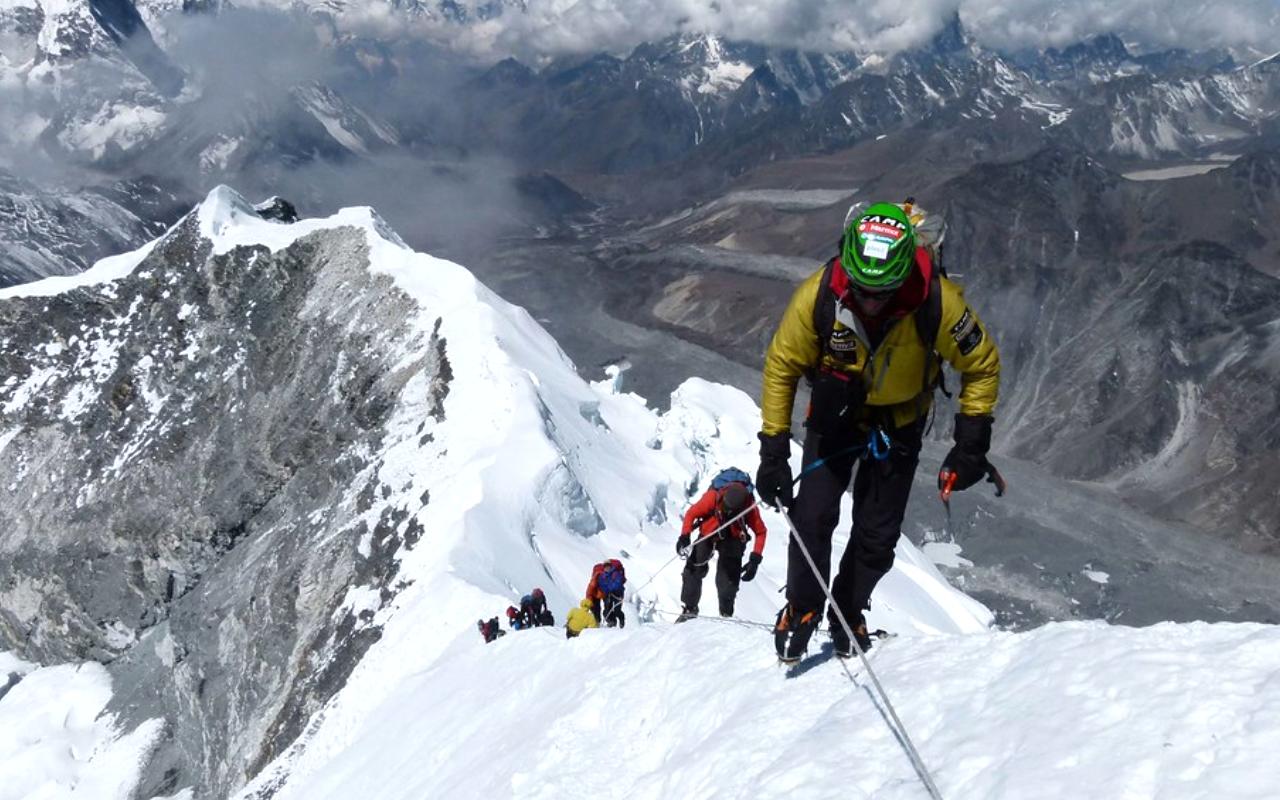
Island Peak Nepal
Island Peak Nepal

Imja Tse or Island Peak is one of the top mountains where first-time climbers in Nepal prefer to climb. It is six thousand one hundred eighty-nine meters tall and lies in the Imja Valley in the middle of glaciers and rocky ridges.

This peak was called Island Peak since it looks like a small snow island against a background of ice when seen from Dingboche. It is beautiful and memorable to the trekkers and climbers because it has a certain appearance that is exceptional.

Island Peak achieved fame when the 1953 British Everest Expedition members climbed Island Peak as part of pre-Everest training. Since then, it has become one of the most climbed trekking peaks in Nepal. Today, it attracts thousands of new mountaineers every year who want to try high altitude climbing for the first time in a safe and achievable way.

This guide explains everything a beginner needs to know: why the peak is suitable for first-timers, how to reach the mountain, best climbing seasons, required permits, training ideas, safety tips, and final thoughts. Each section is written in simple and clear language so you can plan your climb confidently, even if this is your first time in the Himalayas.

Island Peak gives you a complete mountaineering experience in one journey. You start with a trek through Sherpa villages, then learn climbing techniques at base camp, and finally attempt a real Himalayan summit with ropes, crampons, and an ice axe. It feels challenging but achievable for anyone who prepares well. Many climbers choose Island Peak as the perfect entry point before attempting higher mountains in the future.

Why Island Peak Nepal is Ideal for First-Time Climbers

The Island Peak is referred to as a beginner-friendly mountain since it is a mixture of trekking and simple mountaineering. The route is not extremely technical, but it still involves real mountaineering elements that will teach you the essential skills required for climbing in the Himalayas.

You get to know how to walk on snow, how to use a rope, how to take a slope, and also move safely on glaciers. These are the experiences that enable new climbers to have an upper goal in the future.

The climb has the appropriate level of difficulty and safety for first-time climbers. You take about a week of trekking to reach Island Peak Base Camp, which gives your body enough time to adapt gradually to the altitude.

This process of acclimatization can make the climb safe and comfortable. Even the walk itself is beautiful and pleasant as it traces forests, Sherpa villages, and breathtaking viewpoints.

Most guides give a basic training lesson at base camp, where you are taught:

  • How to put on a harness
  • How to walk using crampons
  • How to hold an ice axe
  • How to clip into a rope
  • How to climb on fixed lines
  • How to descend safely

This is an easy-going training intended to be used by amateurs. Even if you have never used climbing gear before, your guide will teach you everything step by step so you feel confident during the climb.

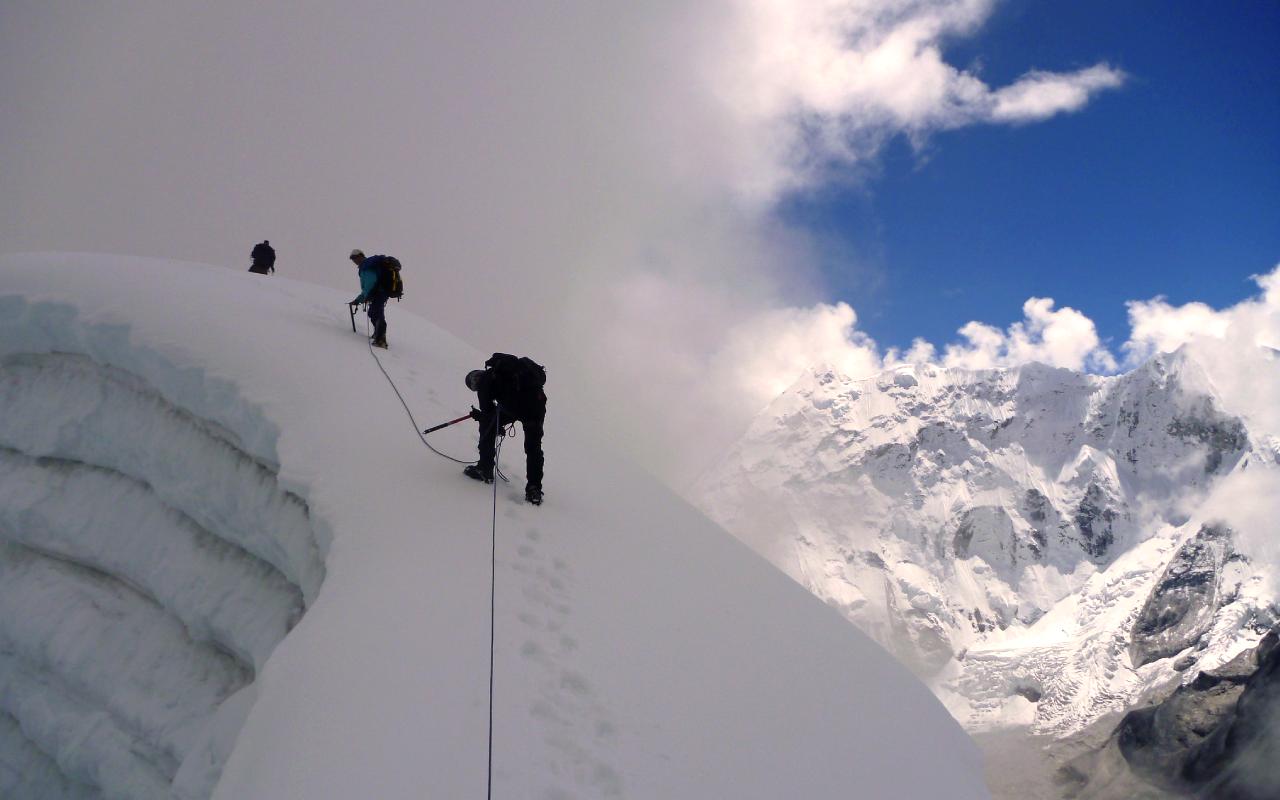
The ascent involves a glacier traverse and a last snow slope, which has a fixed rope. You ascend slowly in the footsteps of your guide. This arrangement renders this mountain perfect for the beginner since one will always be supported and guided. You learn as you are doing, and each of the steps seems to be progress.

The perspective is overwhelming. You are standing below high mountains like Lhotse, Nuptse, Makalu, and Ama Dablam. It is a life-changing moment for many individuals. It makes them see that after training and working hard, they can have bigger dreams about their future adventure.

Island Peak is not merely about summit achievement. It is also confidence, learning, and working in a team, and finding your power. This is the reason why it is still among the best climbs that can be recommended to all beginners.

Location and How to Get There

Island Peak Nepal is situated in the Khumbu region of Nepal, within the popular Sagarmatha National Park. The Everest Base Camp trek is conducted in the same place. The summit is located on a ridge to the south of Lhotse and is accessible via the Imja Valley. The path to the mountain is a trip in itself and is regarded to be one of the most scenic walks on the planet.

The starting point of your journey is Kathmandu. Then you have a short domestic flight to Lukla. The flight itself will only last about half an hour, yet it will transform you out of the bustling metropolis into an alpine setting that is pretty distant.

The Lukla airport is considered to have a mountain setting and a short runway that makes the start of your trip even more exciting. When you get there, your actual footing starts.

Lukla to Phakding is a walk along the Dudh Koshi River. The road takes us past high Sherpa villages, walled in stone and suspension bridges, and prayer flags. The air is cool and calm. The next day, you head toward Namche Bazaar. This is a significant climb because Namche sits at three thousand four hundred forty meters.

The trail includes the famous Hillary Suspension Bridge and then a long uphill stretch known as the Namche Hill. Namche is considered the main Sherpa capital of the region. It is lively with shops, bakeries, cafes, and stunning viewpoints. You spend at least one acclimatization day here to allow your body to adjust to a higher altitude.

After Namche, the trail continues through forests and open meadows to Tengboche. This area is famous for the Tengboche Monastery, one of the most important Buddhist monasteries in the region. From there, you walk to Dingboche, a village that sits at four thousand three hundred eighty meters. This is another important place for acclimatization. Many climbers take an extra rest day here.

The Island Peak Nepal route starts in Dingboche, after which the main trail of the Everest Base Camp deviates and heads towards Chhukung. The valley is a beautiful one and encircled by huge walls of Lhotse, Ama Dablam, and Nuptse.

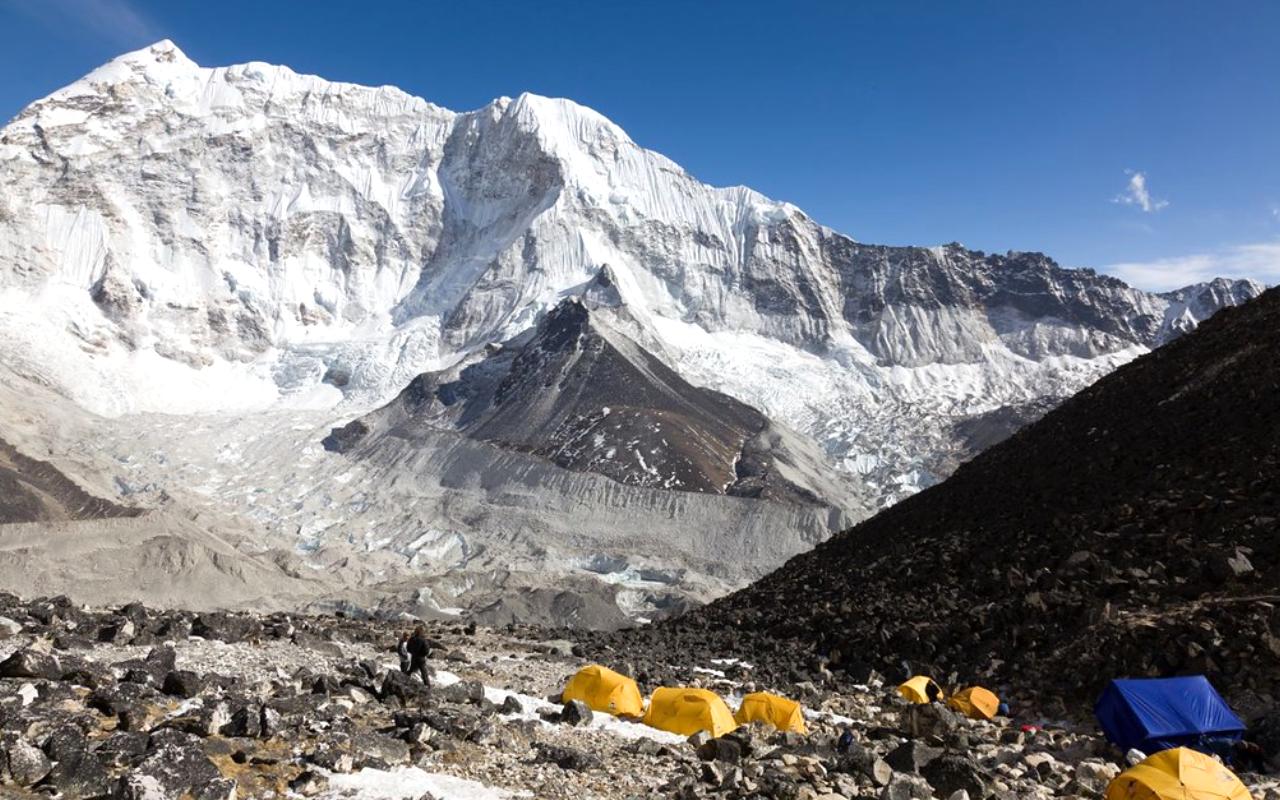
The Island Peak staging point is Chhukung, which is four thousand seven hundred and thirty meters. You then leave this place after a night to Island Peak Base Camp at approximately five thousand one hundred meters. This is the place you will be sleeping in tents and ready to climb the summit.

The total approach trek will last approximately a week, and this is sufficient time that allow your body to accustom. The travelling itself is laden with sceneries, cultural experiences, and meaningful moments. Each of the steps will lead you nearer to the mountain and will allow you to be physically and mentally prepared.

Best Time to Climb Island Peak Nepal

Island Peak
Island Peak

Choosing the right season is important for a safe and enjoyable climb. Island Peak is best climbed during Nepal’s two major trekking seasons: spring and autumn.

Spring runs from March to May.
Autumn runs from September to November.

Spring is characterized by good daytime weather, colorful forests, and predictable weather patterns. The hills below are in full blossom with rhododendrons, which provide a wonderful contrast to the snowy mountains.

Early spring offers crisp views and moderate temperatures. By late May, clouds from the approaching monsoon can begin to appear, so many climbers prefer March and April.

Autumn is equally popular. After the monsoon ends, the air becomes extremely clear. Visibility is at its best between mid-September and late October. During this period, mountains look sharp and bright under blue skies. The weather is cool but comfortable. Nights are cold but manageable with proper gear.

Winter, from December to February, is extremely cold. Temperatures can be harsh, and snowstorms can make the route difficult. Only climbers with high experience choose winter attempts. Summer, from June to August, is the monsoon season.

Trails become muddy, mountain views are blocked by clouds, and flights to Lukla face frequent delays. The peak also receives fresh snow, which increases the risk.

For first-time climbers, spring and autumn offer the safest and most predictable weather. These seasons give you the highest chance of reaching the summit comfortably.

Required Permits and Paperwork

Climbing Island Peak requires a few important permits. These documents are checked at various points throughout the trek. If you are traveling with a trekking company, they will arrange all the paperwork for you.

If you are traveling independently, you must obtain each permit yourself. As per the current trekking rules in Nepal, a licensed guide is required for Island Peak and for all trekking inside Sagarmatha National Park

  • Sagarmatha National Park entry permit
  • Khumbu Pasang Lhamu Rural Municipality permit
  • Island Peak climbing permit
  • Travel insurance that covers high altitude rescue

The Sagarmatha National Park entry permit allows you to enter the protected area. It is issued either in Kathmandu or at the park entrance in Monjo. The Khumbu permit is collected by the local municipality and helps support the region’s development and maintenance.

The Island Peak climbing permit is issued by the Nepal Mountaineering Association. The fee varies by season. Spring is the most expensive because it is the main climbing season. Autumn is slightly cheaper, and winter or summer permits are the lowest.

Even though travel insurance is not a government requirement, it is essential. Helicopter rescue in the Everest region is expensive. Your insurance must cover high altitude trekking and mountaineering up to at least six thousand five hundred meters. Always carry a copy of your insurance and permits in your daypack.

Physical Preparation and Training Plan

Climbing Island Peak requires good physical fitness. You will trek for several days, carry a backpack, sleep at high altitude, and finally climb a steep slope using ropes and crampons. A proper training plan helps you enjoy the journey and reduce the risk of altitude sickness.

Your training should focus on these key areas:

  • hiking endurance and stamina
  • regular cardio exercises
  • leg strength and overall body stability
  • balance and flexibility
  • comfort walking uphill with a loaded backpack
  • basic familiarity with climbing movements

Endurance training is important because you will walk for five to seven hours each day during the trek. Try to do long hikes once a week. Making gradual increments, lengthen the distance, the length of time, and the weight in your pack. In case you manage to hike three to four hours without difficulties, you will cope with the trek.

Running, cycling, or swimming are cardio exercises that are used to enhance lung capacity. It is possible to begin with brief sessions and gradually extend them. One should target a minimum of three cardio sessions a week. Weight lifting develops leg muscles, the back, and the core. Such exercises as lunges, squats, and step-ups train your legs to walk uphill.

Stretching and balance exercises help prevent injuries and keep your body flexible. Yoga or simple stretching exercises ensure that your body is long and loose. If you live near to mountain or a hill, practice hiking on steep terrain. If not, stair climbing or treadmill incline walking can replace it.

If possible, try using climbing equipment before your trip. A simple indoor climbing session, gym rope practice, or crampon walk on snow can build confidence. Many people climb Island Peak without previous technical experience, but learning the basics beforehand makes you more comfortable on summit day.

Safety Tips and Altitude Considerations

Island Peak
Island Peak

The most significant aspect of any Himalayan climbing is safety. Island Peak is considered beginner-friendly among the Himalayan peaks, but it still demands proper preparation because anyone can be affected by altitude.

The weather conditions are also a factor, including cold temperatures and physical exhaustion. It is possible to minimize risks and have an enjoyable time with adequate planning and awareness.

The following are important precautions:

  • Climb gradually and observe days of acclimatization.
  • Watch for the symptoms of altitude sickness.
  • Keep hydrated by consuming a lot of water.
  • Eat enough food to maintain high energy levels.
  • Do not drink and smoke at altitude.
  • Think about altitude medication when it is necessary.
  • Keep your body warm and dry
  • Remain attached to the rope during difficult parts.
  • Always follow the directions of your guide.
  • Go back in case the weather is not safe.

Altitude sickness is common. Light symptoms comprise a headache, nausea, or exhaustion. These symptoms are normally relieved by rest, fluids, and sleep. When the symptoms are aggravated, the best option is to descend. When one feels ill, never press on. Guides are also well taught and know how to deal with such situations.

The weather may also influence safety. The summit day is initiated early in the morning when the temperatures are very low. Strong winds can make glacier travel colder and more difficult, so wearing proper warm layers is very important. One should wear warm clothes, high-quality gloves, insulated socks, and good boots.

In the final climb, technical safety is of importance. It has a snow slope that has fixed ropes. Your ascender should always be securely attached to the fixed rope, and it must remain properly connected to your harness for safety at all times. On the way down, pay complete attention to your guide and take your time with the rope system.

Your guide becomes your main support and safety expert throughout the climb. Believe them when they make a decision, particularly when circumstances become unfavorable or when you start experiencing symptoms of altitude sickness. The mountain will be there to be tried again. You should always put safety first.

Final Thoughts

Island Peak is not just a mountain. It is a Himalayan trip full of culture, landscape, and self-exploration. The adventure takes you along the Sherpa villages, prayer wheels, yak pastures, and ancient monasteries. The spiritual power of the Khumbu area is experienced when walking through forests, crossing rivers, and ascending to high valleys.

These are the last tips that you should bear in mind as you get ready to go on your adventure:

  • Have fun in every step and value the journey.
  • Always remain positive even in bad times.
  • Appreciate the local culture and traditions.
  • Encourage other climbers and communicate well throughout the journey.
  • Pack lightly but wisely.
  • Use environmental guidelines and leave no trace.

Island Peak changed the lives of many climbers, as they claim. Patience, determination, and confidence are taught by the climb. You push yourself and create new strengths. It is also where you meet the people of the world with the same dream.

It is a fantastic experience to be at the top. The view is unforgettable. You are not going to the top, but the journey is in itself beautiful and meaningful. Each day has a fresh memory, whether it’s watching the sunrise over Ama Dablam, having a cup of tea in a Sherpa lodge, or strolling through the silent sky under stars at the base camp.

Island Peak provides beginners with an opportunity to enter the world of mountaineering safely and meaningfully. You can have a satisfying and motivating adventure to the Himalayas with proper preparation, guidance, and attitude. Good trip, good trip, speeding away and leaving any memorable moments behind.

Best Season for Trekking in Nepal: Complete Guide for First-Time Trekkers

Everest Base Camp
Everest Base Camp

If you are getting ready for your first trek in Nepal, one of the biggest questions is when to go. The weather in Nepal changes a lot throughout the year, and each season offers a different experience on the trails. Nepal has spring, summer or monsoon, autumn, and winter, and every season has something special to offer.

Some months have clear skies and comfortable weather, while others can be rainy, hot, or very cold. Choosing the best season for trekking in Nepal can make your trip much more enjoyable. This guide explains what each season is like and helps you choose the right time for your first Himalayan adventure.

Understanding Nepal’s Trekking Seasons

It helps to know a little about Nepal’s trekking seasons before choosing when to visit. Nepal has four main seasons—spring, monsoon, autumn, and winter. Each season brings its own type of weather and a different feel on the trails.

Spring is warm and colorful, monsoon makes the hills green and fresh, autumn has the clearest skies, and winter is calm with bright views.
The table below gives you a quick idea of what each season is like. The detailed sections that follow explain each season more clearly.

Quick Summary of Trekking Seasons in Nepal

Season Months Weather Trail Conditions Best For
Spring March–May Warm days, clear mornings, lots of flowers Good, stable trails Nature lovers, mild weather, popular treks
Monsoon June–August Rainy, humid, and cloudy Muddy paths, leeches, flight delays Mustang, Dolpo, Nar Phu, quiet trails
Autumn September–November Clear skies, cool mornings, stable weather Best conditions of the year First-time trekkers, Everest, Annapurna
Winter December–February Cold mornings and nights, sunny days Snow in high areas, quiet routes Low-altitude treks, peaceful scenery

Spring (March to May) – Blooming Rhododendrons and Mild Weather

Spring is one of the most beautiful times to trek in Nepal. The days gradually become warm, the skies are often clear in the mornings, and the hills sparkle with blooming rhododendrons. Early spring can still feel cool at higher altitudes, but by April and May, the temperatures in most trekking regions are very comfortable.

Trail conditions are good because winter snow has mostly melted at mid altitudes, and many high passes become easier to cross. The colorful rhododendron forests between 2,000 and 3,500 meters are a highlight of this season.

Spring is ideal for popular routes such as Everest Base Camp, Annapurna Base Camp, Poon Hill, and Langtang Valley. You may even see Everest expedition teams preparing for their climbs in April and May. High-altitude treks like the Annapurna Circuit and Manaslu Circuit are also possible once the passes clear.

There are also lively festivals like Holi and the Nepali New Year in this season, giving you an opportunity to sample local culture on the way. Spring is a good season to introduce first-time trekkers to the highlands because of the fair weather, long daylight, and colorful landscape.

Cultural Highlights

Festivals in Nepal are also lively during spring. Holi is the festival of colors, and people toss colored powders, which is typically held in March, and gives a happy mood to such cities as Kathmandu and Pokhara.

During mid-April, Nepal celebrates its New Year with fairs, music, and local events. When you are walking through these festivals, you can be exposed to village celebrations. These cultural events provide adventure and warmth to your spring trekking adventure.

Summer/Monsoon (June to August) – Lush Green Hills and Rain Shadow Adventures

Nepal is in summer, and thus you will have warm weather with lots of rain. When there is sunshine, the mountains are typically covered with clouds, and afternoons are often subject to rainfall. Although this season does not suit most of the popular treks, the rain makes the hills vibrant with the bright green forests, waterfalls, and new vegetation.

Trails may be muddy and slippery, and the forests may have leeches. There are also the possibilities of landslides or road blocks along certain routes, and flights to destinations such as Lukla are often delayed. Hiking along with an experienced guide is significant during this period of the year.

The rain shadow areas, or areas where the rainfall level is minimal, receive the best trekking during the summer months. The most recommended are the upper Mustang and Dolpo, which have dry tracks, desert scenery, and expansive skies. Nar Phu Valley is also a good choice. Monsoon is the best season in these regions, and most parts of Nepal are wet.

Better places, such as Everest and Annapurna, are far less busy during summer. It is possible to walk there when you are not afraid of rain, and the mountain scenery is not that great; you have to be open to schedule changes.

Monsoon can only be chosen by first-time trekkers who decide to visit a dry area such as Mustang or Dolpo, or the trekker is willing to explore wet weather. The positives are the serene trails, stunning landscape, and reduced charges.

Cultural Highlights

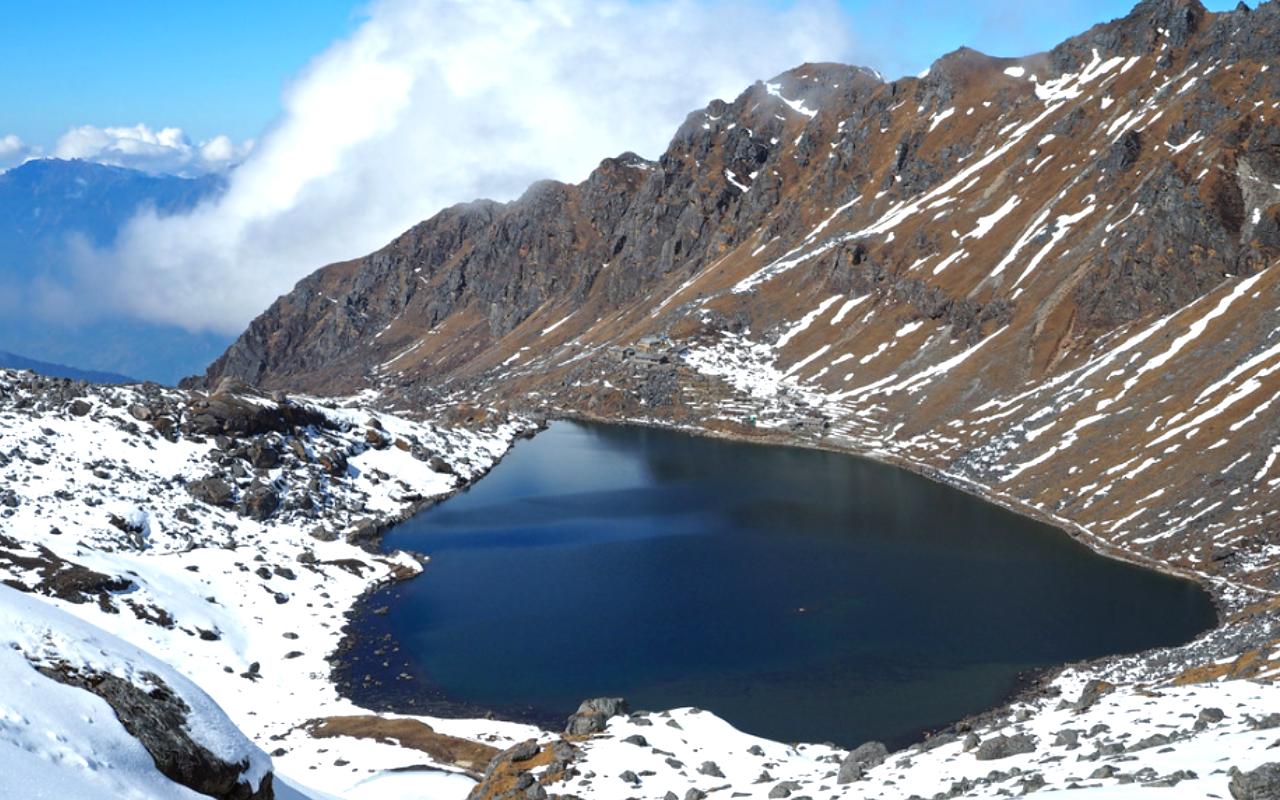
Festivals are also colorful during the monsoon. Teej, a festival in which women wear red, sing, and dance, typically takes on in August or early September. Janai Purnima is another significant festival, and pilgrims go to holy lakes such as Gosainkunda.

Gosaikunda Lake
Gosaikunda Lake

Local summer festivals like Yartung, which is a colorful horse-racing festival, are held in Mustang. These festivals enrich your cultural experience of your trip, even in the rainy season.

Autumn (September to November) – Clear Skies and Peak Trekking Season

Autumn is the most favorable trekking season in Nepal, and it is the perfect season when the first-time trekker would enjoy. The cessation of the monsoon in September makes the air cool and pure, the mountains sharp and bright, and the weather cool and comfortable.

In October and November, there are dry days, blue skies, and warm temperatures that provide trekking with a lot of enjoyment.

Autumn is the best period to arbitrarily find trail conditions. The rivers relax following the rain, the roads are solid, and High-altitude passes are usually safe to cross during autumn.

During this time, since this is the high season, the primary trails in the Everest, Annapurna, and Langtang may be crowded, and teahouses will be full within an hour. Nevertheless, the vibe in the trails is welcoming and fun, and the trekkers of various backgrounds eat and talk there in the evenings.

The autumn season is a perfect time to do traditional hikes like the Everest Base Camp, the Annapurna Base Camp, the Annapurna Circuit, Langtang Valley, and the Manaslu Circuit. Excellent mountain views are provided almost every day (in October). Even the rain shadow regions, such as Mustang and Dolpo, are a good choice, particularly in the early part of the season.

Cultural Highlights

Nepal also has a festive season in the autumn. The two largest festivals in the country, Dashain and Tihar, normally coincide with October or early November. Family meetings, music, lights, and colorful decorations make the villages and towns alive. At Tihar, houses are filled with candle lamps, and everyone celebrates animals like dogs and cows, thus making the atmosphere cozy and happy.

Some other attractions in the Everest region can include Mani Rimdu, which is a Sherpa Buddhist festival in the Tengboche Monastery, which is also associated with traditional dances and prayer ceremonies. These festivals make your trek a very cultural experience and make it even more special.

Winter (December to February) – Winter Trails and Views of Snow.

Nepal has the coldest seasons during winter, but it is a beautiful time to walk in the forest, provided one knows the right path. The skies are generally clear, the air is crisp, and the trails are quiet. Temperatures in low elevations are pleasant during the day, but evenings in high altitudes during the nights may be extremely cold. There could be snowfall, particularly during the months of January and February; thus, high mountain passes are usually closed.

In winter, the treks to lower and mid-altitude areas are best. Popular destinations include Ghorepani Poon Hill, Everest Panorama (up to Namche or Tengboche), Helambu, Lower Mustang, and even Langtang (when the weather is stable). These regions have sunny days, untroubled trails, and brilliant snowy mountain sceneries. It is necessary to have good warm clothes, and it is safer to hire a guide and walk with them during icy or snowy weather.

Solitude is also one of the greatest benefits of winter trekking. Autumn offers an opportunity to have a more intimate experience with nature and local communities since places that are busy in autumn turn out to be empty and quiet.

Cultural Highlights

There are special festivals of winter festivals that you might come across. Maghe Sankranti in mid-January is the solstice of winter and the occasion of small fairs and festive food in most villages. During the month of February, there is a celebration of Losar, which is the Tibetan New Year, in certain Himalayan communities, particularly in Sherpa villages such as Namche or Khumjung, where dances and meetings are held.

Some trekkers rave about spending Christmas or New Year in a mountain teahouse, which not only makes the winter atmosphere warm and cozy, but also gives the experience the feel of camaraderie. Overall, winter trekking in Nepal is not to be taken lightly, and one must not be afraid of the cold to enjoy the Himalayas in their calm and serene environment.

The reward of facing the cold is the trails to oneself and mountain vistas of awe-inspiring clarity. Winter may well be your season to trek in Nepal, when you are a first-time trekker who has a sense of adventure (and warm jackets!), then do the same.

Seasons Comparison: Which one suits you best?

Annapurna Base Camp
Annapurna Base Camp

You are now aware of what each of the trekking seasons in Nepal is like; it is now easy to select the one that suits you. The whole year Nepal is beautiful, and the experience may seem much different in relation to the time you visit.

There are those who like clear skies, others like quiet trails, and some people like warm weather as opposed to cold. An amiable comparison is given below to assist you in determining the season you would feel comfortable in.

Spring (March to May)

Pros:

The days of spring are warm, pleasant, and even cool nights. The hills are brought to life with the colorful rhododendron flowers, and the forests are fresh and green. Early mornings are usually very scenic, and generally one feels good as there are usually numerous trekkers, which does not mean that there are too many to obscure the view.

Cons:

At the end of May, the atmosphere is damper and the scenery may become a little smoky. Light showers may also be experienced as the monsoon approaches.

Best for:

Ideal for travellers who enjoy nature, blooming flowers, and mild, pleasant weather. Everest Base Camp, Annapurna Base Camp, Ghorepani, Langtang, and even treks that are a bit more difficult, such as Manaslu, are the classic routes that should be done in spring. It is a perfect time to be in a case where you desire beauty and comfort simultaneously.

Summer / Monsoon (June to August)

Pros:

This is the time Nepal is put in vivid green. Forests, fields, and hills appear so green, and waterfalls are all around. The number of trekkers on the trails is minimal and thus making the experience very quiet and peaceful. Rain-shadow areas such as Upper Mustang and Dolpo remain largely dry, making the area ideal in terms of trekking.

Cons:

It rains a lot, trails are slippery, and leeches are prevalent in jungles. It is common to experience cloud cover in mountain scenery, and delays in transportation are a possibility.
Best for:

For travelers who are comfortable with some rain and prefer peaceful, uncrowded paths, this season works well. Areas such as Mustang, Dolpo, and Nar Phu offer the best conditions during this time. Beginners will be able to participate provided that they pick the appropriate area and are weather-adaptable.

Autumn (September-November)

Pros:

The weather is the most reliable in autumn. The weather is clear and fresh following the monsoon, making the mountains very visible. It is pleasant and mild, and the majority of trails are open. Nepal is also a beautiful combination of both culture and nature because it is the season of the largest festivals in the country.

Cons:

It happens to be the busiest season, and thus, popular routes may be crowded. It is advisable to book flights and accommodation in advance.

Best for:

The first-time trekkers and those who wish to get the traditional Himalayan experience. Perfect for Everest, Annapurna, Manaslu, Langtang, and numerous other walks. Autumn is the safest option when you desire to have a perfect view and wonderful weather.

Winter (December to February)

Pros:

The sky during the winter is very clear, the trails are quiet, and the scenery of snow is beautiful. The treks on lower and mid altitudes are quite enjoyable, and the sunlight is warm during the day. You can even have better fares since it is the low season.

Cons:

The nights are quite chilly, more than 3,000 meters. A few highways may be closed due to excessive snow, and the days are shorter.

Best for:

For travelers who love the refreshing coolness of the high mountain air. Best in such routes as Poon Hill, Everest Panorama, Helambu, and Lower Mustang, and even in Everest Base Camp, provided you are well-equipped and possess warm clothes. The winter season is beautiful with trekking to enjoy alone and serene moments.

What to Pack for Each Season

Travelling to Nepal with the appropriate stuff will help make your journey easier and more comfortable. The mountain weather is unpredictable, and each season is different on the trail. Spring is hot and cool in the mornings, monsoon is wet and humid, autumn is sunny and clear, and winter may be very cold at elevated places.

It is preferable that you select your clothes and gear based on the season you are going to. The light layers can be used during hot months, waterproof clothing is essential during the rainy season, and warm insulated clothes are necessary during winter. Minor things such as sun protection, gloves, or a rain cover will also go a long way.

A general guide on how to pack according to the season is provided below. These are simple goods that will enable you to be warm, dry, and comfortable during your trek.

Spring (March to May)

The days are warm, and mornings are cool during spring, hence light layers should be taken. A light jacket comes in handy during the early morning and the evening. It is possible that the sun is very strong in higher altitudes; therefore, do not forget about sunglasses, sunscreen, and a hat. Light trousers or trekking shorts would be comfortable in the daytime. A light rain jacket is also recommended in case you are hiking late in May, since it can sprinkle.

What to pack for spring:

• Light jacket
• Hiking pants or light trousers.
• Sun hat, sunscreen
• Sunglasses
• Light rain jacket (late May)

Monsoon (June to August)

In this season, it is rainy and humid, and therefore waterproof clothing is highly essential. A waterproof jacket and waterproof boots will serve to keep you dry on wet and muddy roads. Quick-dry pants are superior to cotton since they are able to dry faster. The woods can have leeches; leech socks can come in handy. When raining in the afternoon, you also need a rain cover for your backpack.

What to pack for monsoon:

• Waterproof jacket
• Waterproof boots
• Quick-dry clothes
• Leech socks
• Rain cover for your backpack

Autumn (September through November)

Autumn is dry and stable; however, mornings and evenings may be cold. Anthropomorphic outerwear, such as a warm fleece and a windproof jacket, will make you comfortable even in higher altitudes. Bring a warm coat in case of cold nights. Due to the clear and sunny skies, a pair of sunglasses comes in handy. A warm hat is also beneficial in cold mountains.

What to pack for autumn:

• Warm fleece jacket
• Windproof jacket
• Thermal layer
• Warm hat
• Sunglasses

Winter (December to February)

The coldest season is winter, and therefore warm clothes are required. A nice down jacket will keep you cozy during mornings and evenings when it is freezing. The thermal layers should be used to keep your body warm during the day. Garments like a warm hat and gloves keep you warm against the cold. In case you will be walking in a place that has snow or ice, secure microspikes. Insulated boots ensure that your feet are warm.

What to pack for winter:

• Down jacket
• Thermal top and bottom
• Warm gloves
• Insulated hat
• Microspikes
• Insulated boots

Conclusion

The best season to go trekking in Nepal is determined by the kind of experience you wish to have, but the country really has something beautiful throughout all its months year-round. Autumn or spring is the most preferable time of the year for most first-time trekkers, as this time of the year is the most reliable and offers clear views and comfortable conditions during the walk.

Autumn is with crisp blue skies and temperatures that are stable, whereas spring is with colored forests, blooming rhododendrons, and pleasant warmth. Anyway, the other seasons are also charming. It is wonderfully peaceful in winter, and the trails are quiet, and the mountain scenery is of crystal purity.

Monsoon offers green hills and dramatic scenery, and despite the wet season it can get, places such as Mustang and Dolpo are dry and are ideal during this period of the year. Each season presents a new face of Nepal, whether it is flowers of all colors or snowy mountains, or colorful festivals.

The trekking in Nepal is good in terms of views, great hospitality, and memorable experiences for all the visitors, irrespective of the time of the year. With the right preparation, spring and autumn are often considered the best seasons for trekking in Nepal, thanks to their clear skies and comfortable weather. Nevertheless, all seasons are beautiful, and Nepal is prepared to receive you whenever you are going to visit.

Top 15 Places to Visit in Nepal for First-Time Travelers

Introduction

Nepal is the country of magnificent mountains, ancient temples, and diverse cultures, which attracts every traveler. It presents an excellent diversity of experiences to everyone, including the great Himalayas and serene valleys, as well as ancient cities.

Nepal displays an amazing combination of adventure, spirituality, and nature to first-time visitors. Hiking in the mountains or visiting religious locations, all these trips seem to have a sense of meaningfulness and a refreshing uniqueness.

The fact that Nepal balances between tradition and nature is what makes it extraordinary. In this case, there are golden pagodas on snowy mountains, colorful prayer flags flying over deep valleys, and warm smiles embrace travelers at every turn of the journey.

In this guide, we’ll explore the best places to visit in Nepal, including major cities like Kathmandu and Pokhara, some of the most peaceful villages, and some destinations. The destinations represent the soul and the glory of this Himalayan country.

Kathmandu – The Cultural Heart of Nepal

Kathmandu, the bustling capital of Nepal, is what travelers frequently visit on their Himalayan trip. It is one of the most interesting Places to visit in Nepal as it is a combination of history, religion, and modernity.

Kathmandu
Kathmandu

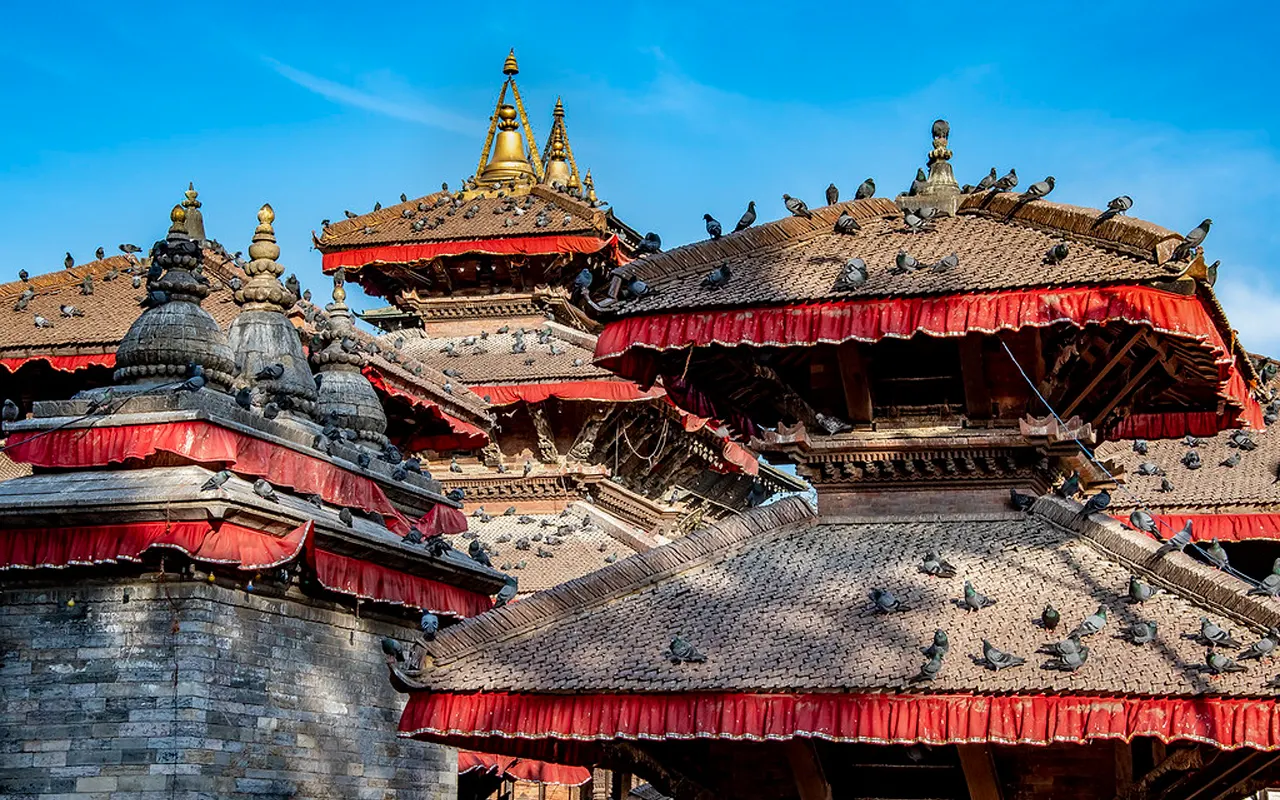
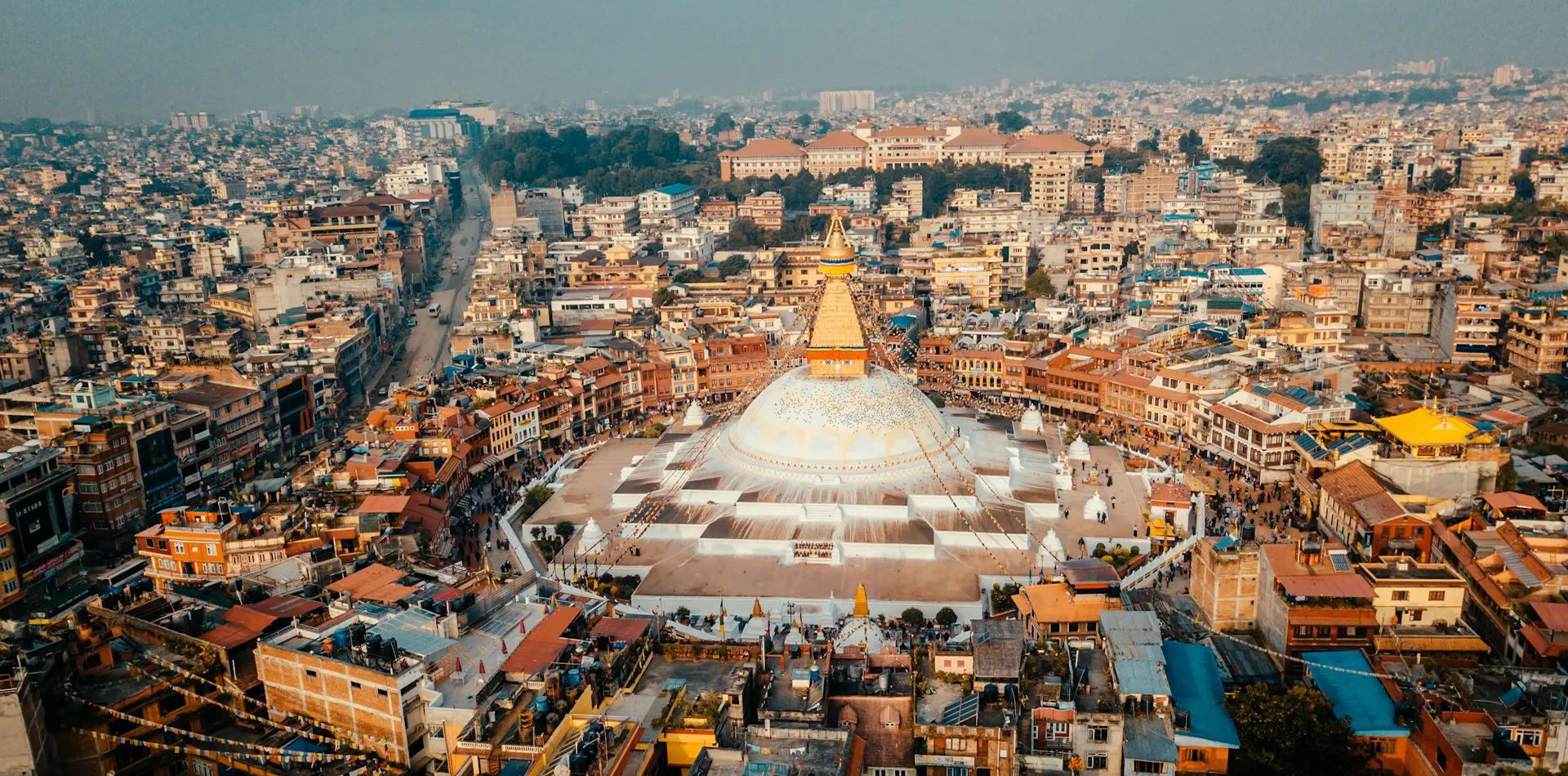
Some of the UNESCO World Heritage Sites that are found in the city include Kathmandu Durbar Square, the sacred Swayambhunath Stupa (Monkey Temple), and the sacred Pashupatinath Temple on the bank of the Bagmati River, where Hindu worship has continued throughout the ages.

The Boudhanath Stupa is another impressive structure that is an unmissable landmark, being one of the largest in Asia, with colorful prayer flags blowing and chanting monks set the peaceful environment. Every holy place shows why Kathmandu is a destination site to visit in Nepal.

Other than temples, there is the modern lifestyle in Thamel in Kathmandu, a place full of shops, cafes, bakeries, and bustling bars. That is why it is the best place to relax, buy souvenirs, and enjoy the young spirit of the city.

Kathmandu Valley Cultural Heritage Tour
Introduction Nepal is the country of magnificent mountains, ancient temples, and diverse cultures, which attracts every traveler. It presents an excellent diversity of experiences to everyone, including the...
4 Days
Easy

Bhaktapur – The Living Museum of Newari Art

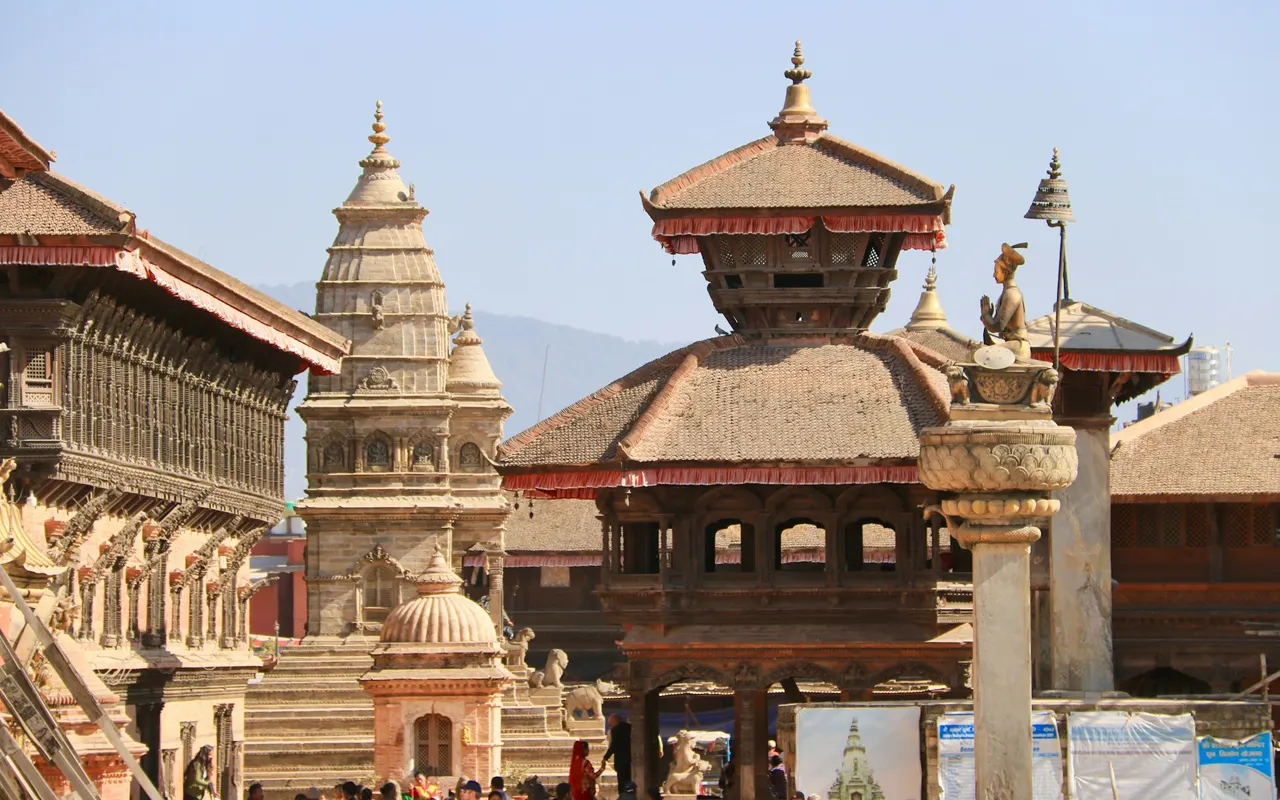
Bhaktapur is a well-preserved medieval Newari city, which represents centuries of Newari art and architecture. Walking through its brick-laid alleys is like returning to Nepal to its glorious artistic and cultural history.

The Bhaktapur Durbar Square stands in the center of the city. It boasts masterpieces of architecture like the towering Nyatapola Temple, the 55-Window Palace, and the Golden Gate, all of which are symbols of the great mastery and the great devotion of the ancient Newar artists.

Bhaktapur Durbar Square

Another place of interest is Pottery Square, where local artisans shape clay into their daily household items and ornamental art. Observing artists in action gives one the opportunity to look into the ancient traditions of Bhaktapur that still characterize this cultural treasure among the Places to visit in Nepal.

You can also have an opportunity to taste the true flavors of Newari food, such as JuJu Dhau (King of Curds) and Bara lentil pancakes, while visiting local handicrafts, which makes Bhaktapur an ideal mix of the past, present, and future.

Patan (Lalitpur) – The City of Fine Arts

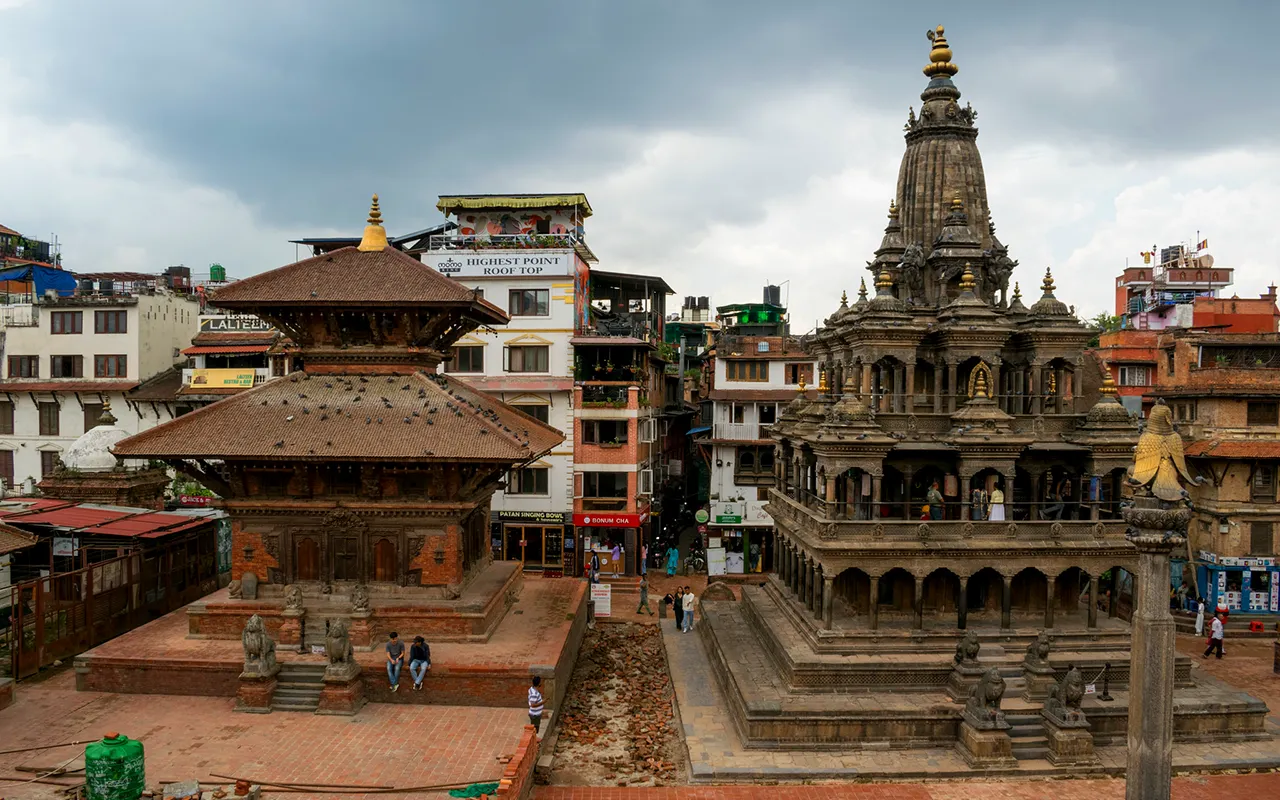
Patan is a great destination that one can visit in Nepal in order to explore art and architecture. The ancient city is a place of unrivaled temples, courtyards, and the traditional Newari craftsmanship characterizing the cultural charm of Nepal.

It is a part of the Kathmandu Valley UNESCO World Heritage Site adorned with detailed woodwork, stone sculptures, and royal courts. The great Krishna Mandir, which is completely made of stone, is a monument of undying devotion and art.

Patan
Patan

The Patan Museum houses sacred art, bronze statues, and traditional metalwork. It displays a profound understanding of both spiritual and creative heritage that has made Patan one of the most interesting places to visit in Nepal.

Out of the congested streets of Kathmandu, Patan is a serene place that can be explored slowly. Tourists have the opportunity to explore local cafes, art workshops, and secret gardens that reveal the graceful beauty of the city and its perennial artistic health.

Pokhara – The City of Lakes and Adventure

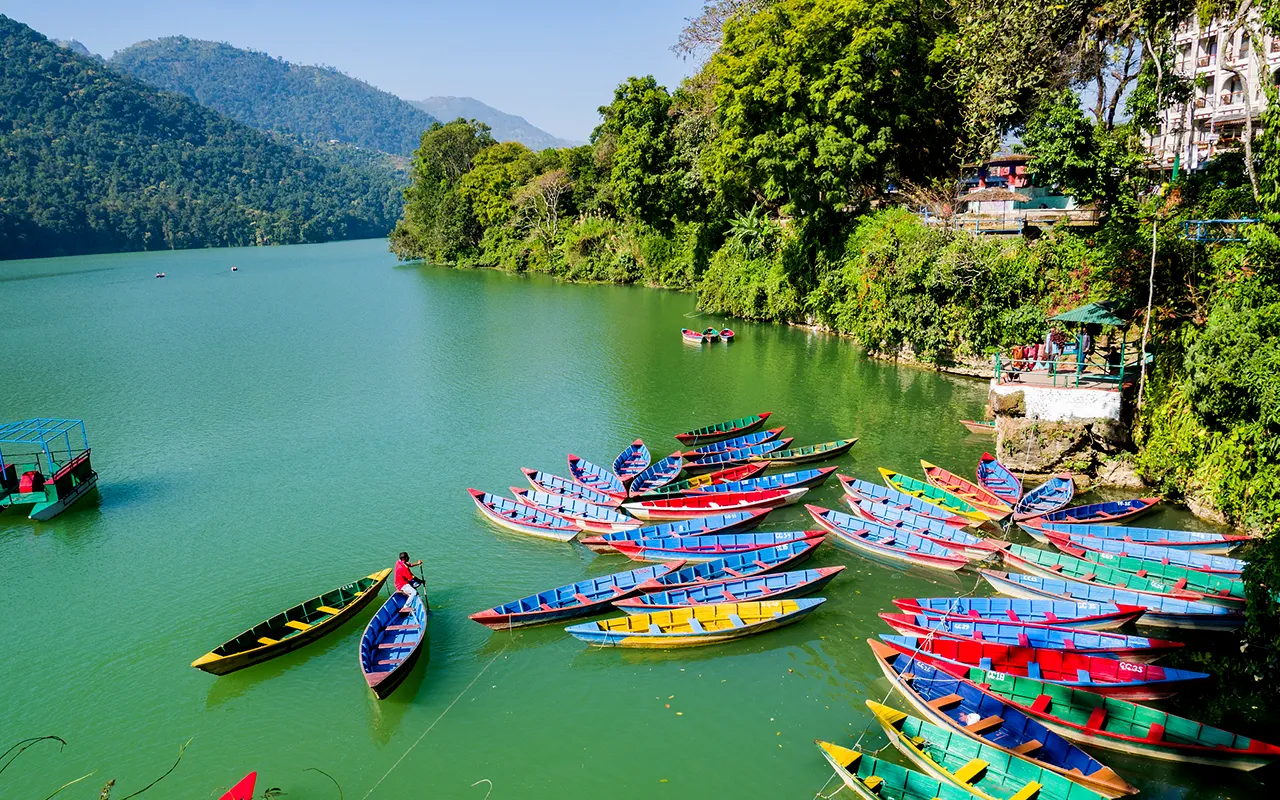
Pokhara is among the most stunning places to visit in Nepal, located along serene lakes and the backdrop of the snow-covered Annapurna Range. It is the primary entry point to Annapurna Base Camp, Mardi Himal, and other trekking destinations.

The attractions in the city include boating on the Phewa Lake, the World Peace Pagoda, Devis Fall, and the magical sunrise view above the Himalayas from Sarangkot. Every place reveals the reasons why Pokhara is one of the most popular places to visit in Nepal.

Pokhara
Pokhara

Pokhara is the adventure capital of Nepal, in addition to its scenery. Visitors are able to paraglide across lakes, zip-line across beautiful valleys, and they can have serene boat rides. Its combination of excitement and peacefulness is what makes it a necessary place to visit as a traveler.

Chitwan National Park – Nepal’s Wildlife Paradise

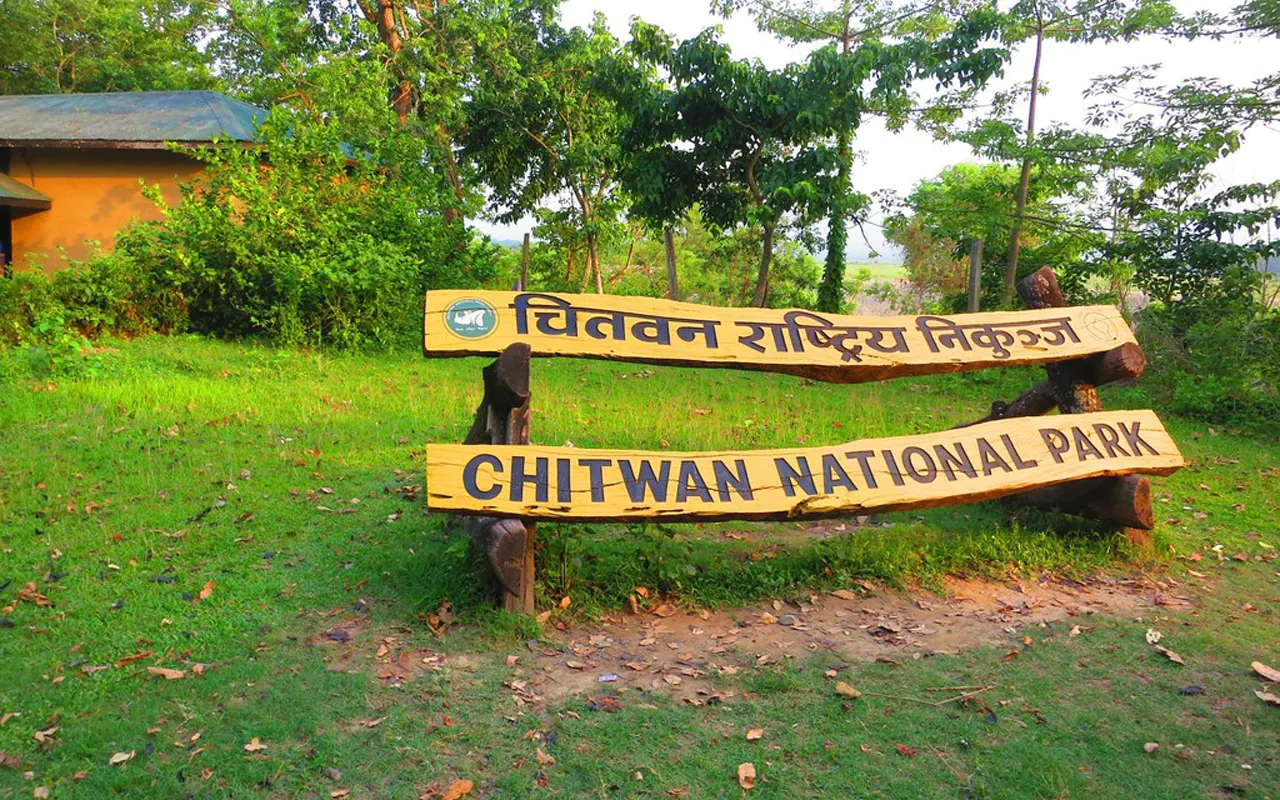
Chitwan National Park is among the most exciting Places to visit in Nepal for nature and wildlife lovers. It is a world heritage site of UNESCO that is admired for having dense jungles, biodiversity, and the memorable experiences that people have when they go on safari in the southern plains of Nepal.

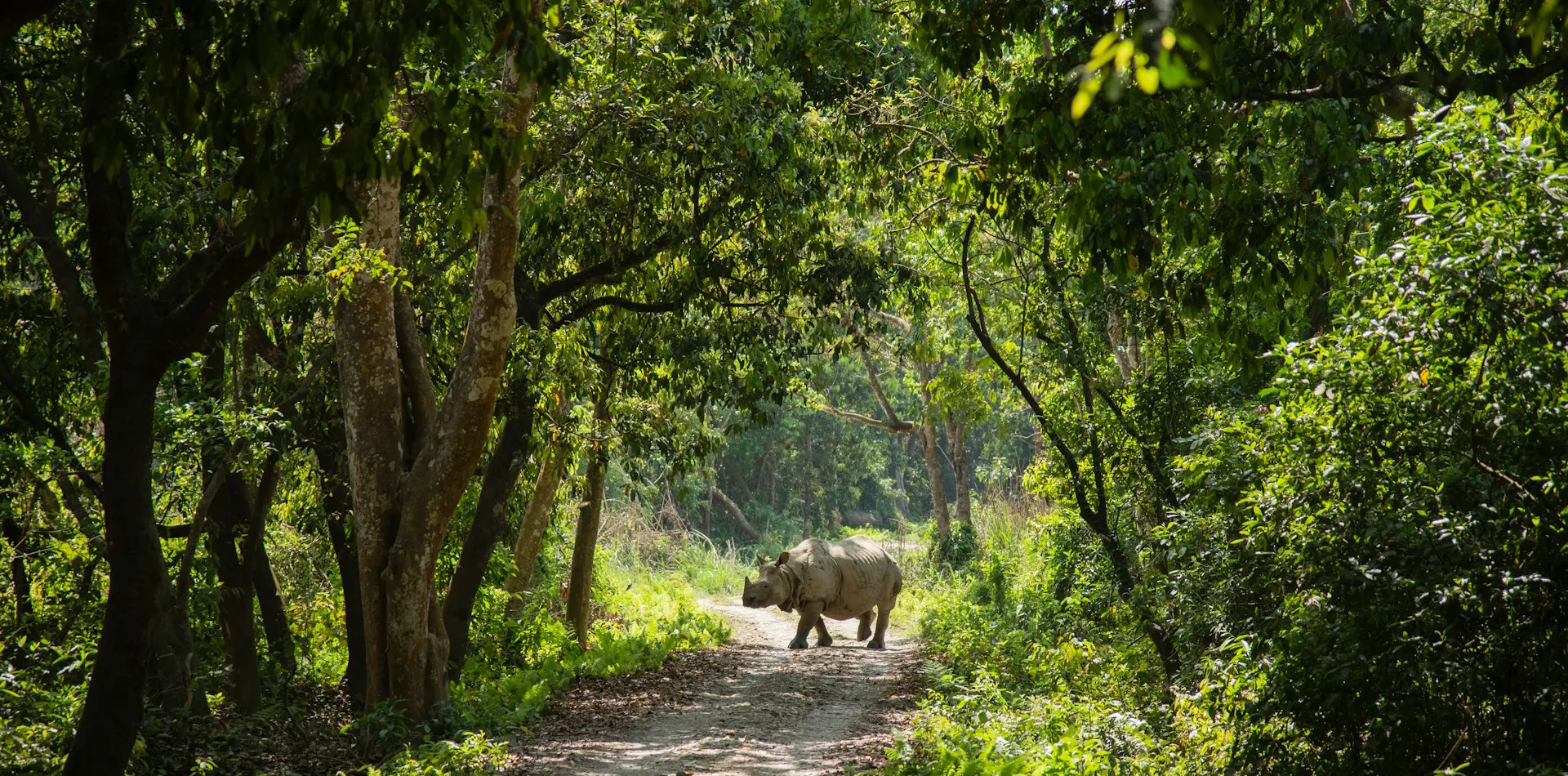
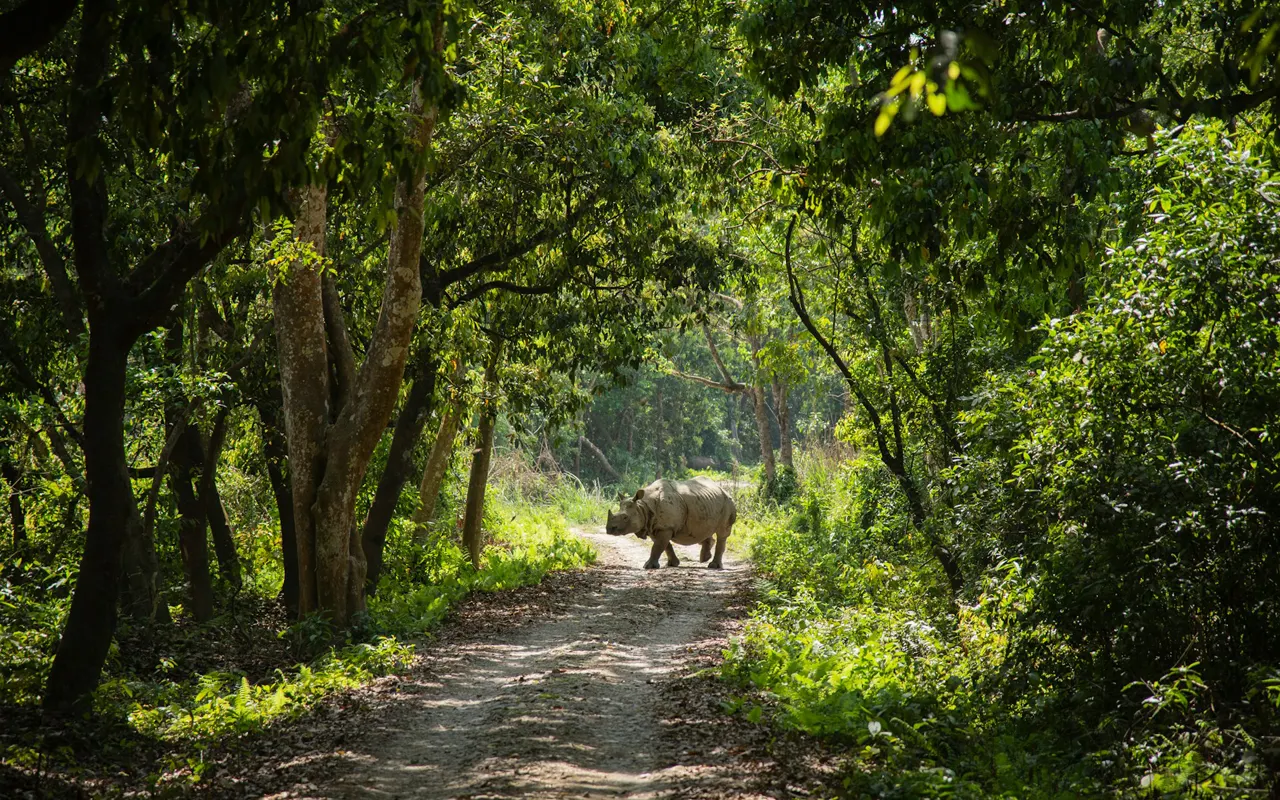
Bengal tigers, one-horned rhinoceroses, elephants, gharial, and more than 500 species of birds can be found in the park. A guided jeep safari through its wilderness is a life-changing experience, as one gets to have a close encounter with some of the most endangered and magnificent creatures in Asia.

Chitwan National Park board - Chitwan Jungle Safari
Chitwan National Park board

On top of wildlife, the visitors can have opportunities for canoe rides down the Rapti River and view the traditional dance of the Tharu culture in the nearby villages. The combination of nature, adventure, and culture is indeed what makes Chitwan one of the best places to visit in Nepal.

Chitwan Jungle Safari
Introduction Nepal is the country of magnificent mountains, ancient temples, and diverse cultures, which attracts every traveler. It presents an excellent diversity of experiences to everyone, including the...
03 Days
Easy

Lumbini – The Birthplace of Lord Buddha

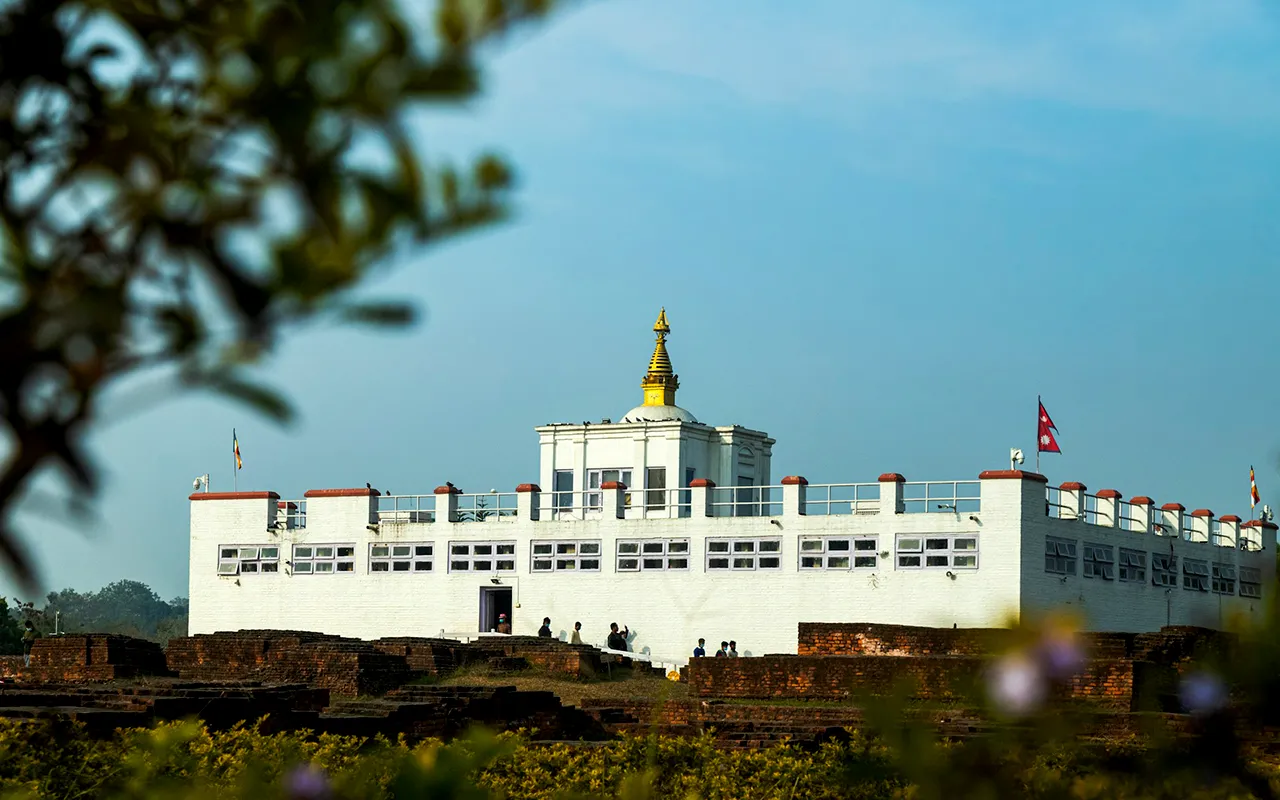
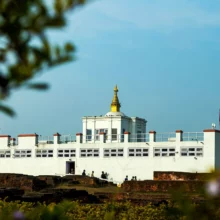
The Birthplace of Lord Buddha, Lumbini, is one of the Sacred Places to visit in Nepal. This UNESCO World Heritage Site will attract travelers who are interested in relaxing, gaining spirituality, and getting an insight into the history of Buddhism.

The Maya Devi Temple is the heart of Lumbini and is regarded as the very point where Buddha was born. It is surrounded by the Lumbini Sacred Garden and Monastic Zone, which is adorned with well-constructed monasteries of the Buddhist communities across the world.

Lumbini
Lumbini

The calm gardens, holy ponds, and the prayer flags dashing in the air provide a sense of profound serenity. Lumbini is one of the significant places for history lovers and spiritual travelers.

Lumbini Pilgrimage Tour
Introduction Nepal is the country of magnificent mountains, ancient temples, and diverse cultures, which attracts every traveler. It presents an excellent diversity of experiences to everyone, including the...
5 Days
Easy

Nagarkot – The Best Sunrise Viewpoint Near Kathmandu

Nagarkot belongs to the list of the most impressive Places to visit in Nepal, and it is situated 2,175 meters above sea level. The hill station is a peaceful place that is known to have a magnificent view of sunrise in the Himalayan range, including Mount Everest on clear mornings.

Nagarkot is a popular destination among travelers seeking short hikes through quiet forest trails where many hills, terraced fields, and mountains at a distance make a picturesque view on the postcards. It is a favorite place of retreat among photographers and other nature lovers owing to its serene atmosphere.

Nagarkot View

Whether enjoying sunrise at your hotel balcony or hiking around the places in the area, Nagarkot is a place of peace within an hour of Kathmandu. It has a serene ambiance and breathtaking views that must not be missed in Nepal.

Nagarkot Sunrise Hike – 1 Day
Introduction Nepal is the country of magnificent mountains, ancient temples, and diverse cultures, which attracts every traveler. It presents an excellent diversity of experiences to everyone, including the...
1 Day
Easy

Bandipur – The Timeless Hilltop Town

Bandipur is a beautiful Newari hill village and is one of the most beautiful Places to visit in Nepal. It boasts a wonderful array of historical architecture, cobblestone streets, and a Himalayan vista, an ideal mix of the past and the present, as well as peace.

When strolling along the traffic-free streets of Bandipur, a traveler can visit antique temples, wooden houses carved up, and people been keeping the old traditions. The tranquility, mountain sunsets, and rural nature of Bandipur are some of the outstanding passages everyone will remember.

Gorkha – The Historic Birthplace of Nepal’s Unification

Gorkha is also a proud destination to visit in Nepal, the birthplace of King Prithvi Narayan Shah, who brought the country together. Its palace complex, called Gorkha Durbar, is situated on a hilltop and has a panoramic view, and is home to the Shah Dynasty palace of King Pritivi Narayan Shah.

The old palace, temples, and shrines can be visited to introduce the spiritual and historical nature of the region to the travelers. Gorkha is one of the most important places to visit in Nepal because of its combination of heritage, mountain scenery, and cultural pride.
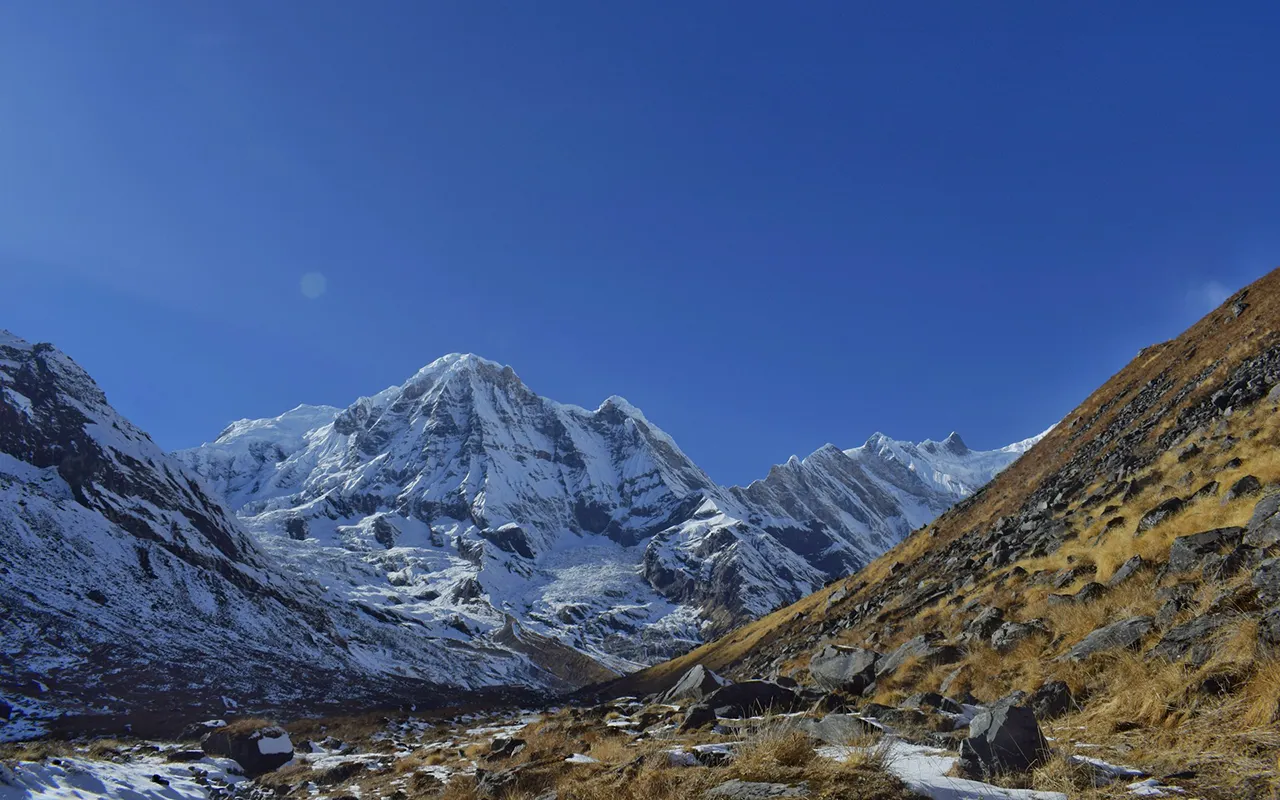
Everest Region – The Roof of the World

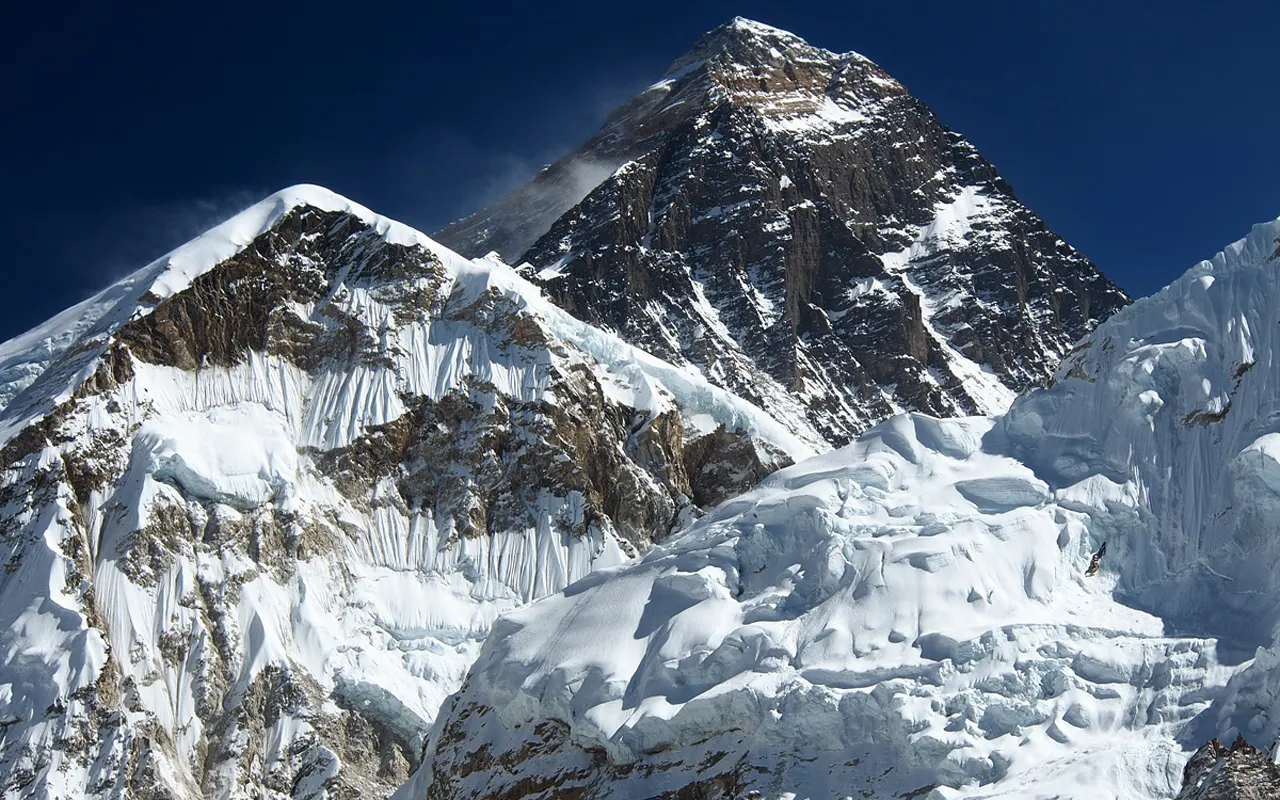
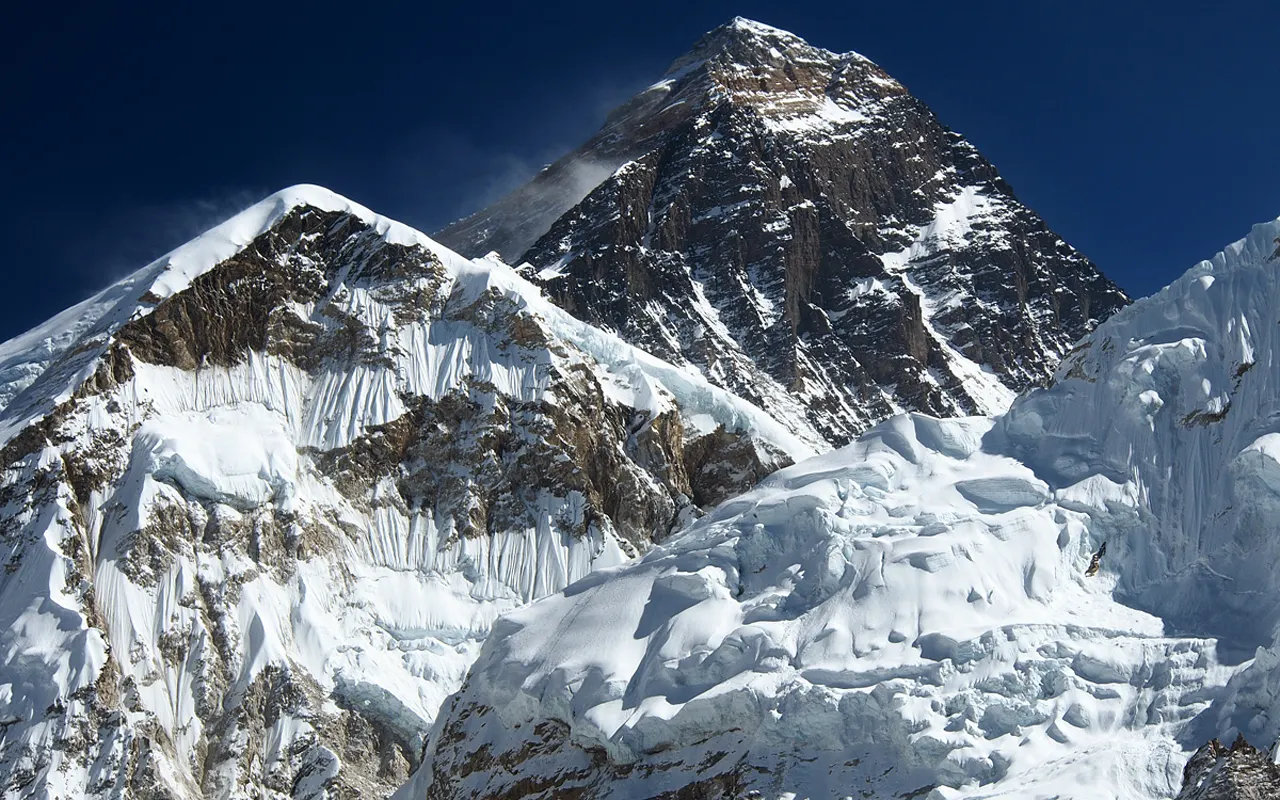
The Everest region is among the most renowned Places to visit in Nepal and is a destination for lots of trekkers and adventure seekers worldwide. High mountains, ancient monasteries, and the hospitable nature of the Sherpa culture characterize this mythical Himalayan scenery.

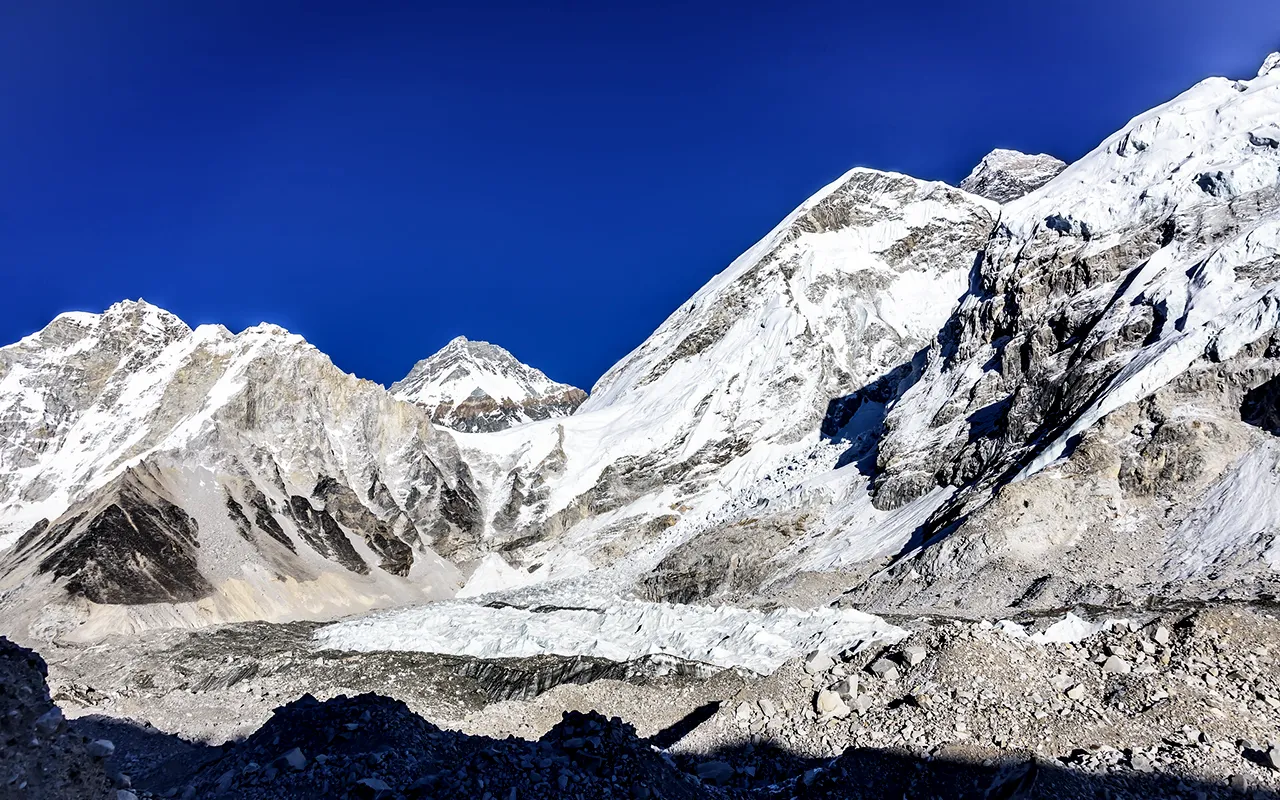
Major attractions include Namche Bazaar, the bustling Sherpa capital; Tengboche Monastery, where a person can find spiritual peace with mountain views; the ever-popular Everest Base Camp; and the Gokyo Lakes with their turquoise water. Every single place discloses the magnificence that renders this area memorable.

Everest

In addition to the adventure, tourists get to enjoy the authentic Sherpa culture, colorful prayer flags, and unlimited Himalayan panoramas. Regardless of whether one is trekking or enjoying the view, the Everest region is surprisingly one of the most breathtaking Places to visit in Nepal.

Everest Base Camp Trek 14 days
Introduction Nepal is the country of magnificent mountains, ancient temples, and diverse cultures, which attracts every traveler. It presents an excellent diversity of experiences to everyone, including the...
14 Days
Moderate

US$ 1650

Annapurna Region – A Trekker’s Paradise

One of the most rewarding regions to visit in Nepal is Annapurna, where one can enjoy the best combination of adventure in the mountains and cultures. It is the most beautiful place with excellent trekking trails, which attract trekkers who would love to see beautiful scenes and a real Himalayan experience.

The most popular ones are the Poon Hill trek, the Annapurna circuit, and the Mardi Himal trail, all of which offer panoramic views of Annapurna, Machapuchare, and Dhaulagiri. These are the trips with the magnificent mountains, beautiful villages, and dynamic natural surroundings.

annapurna
annapurna

On their way, the traveler can experience friendly Gurung and Magar hospitality, traditional teahouses, and peaceful rhododendron forests. The Annapurna area is one of the most favorable areas to visit in Nepal because of its affordability, variety, and breathtaking views.

Annapurna Base Camp Trek
Introduction Nepal is the country of magnificent mountains, ancient temples, and diverse cultures, which attracts every traveler. It presents an excellent diversity of experiences to everyone, including the...
11 Days
Moderate

Langtang Valley – Close to Kathmandu Yet Wild

The Langtang Valley is one of the most rewarding destinations to be visited in Nepal because of its alpine scenery, Tamang villages, as well as the glacier viewpoint. It is ideal when a traveler wants the wilderness without spending a lot of time on the road.

Langtang-Village

The trail passes through yak fields, Tibetan meditation centers, and spectacular landscapes of Langtang Lirung and other mountain ranges. With its accessibility, cultural depth, and natural beauty, Langtang Valley is one of the most interesting destinations to visit in Nepal in case of a short adventure.

Trip not found.

Rara Lake – The Jewel of Western Nepal

The Rara Lake (2,990 meters) is an untouched location to visit in western Nepal. It is a real masterpiece of nature as it is enclosed by pine forests and snow-capped mountains.

The waters of the lake are crystal clear and reflect the mountains around it, forming a surreal, dream-like scenery. Trekkers enjoy solitude, bird watching, and making quiet walks along the shores, far removed from the crowded trails of central Nepal.

To the travelers in need of peace and nature, Rara Lake provides the ultimate tranquility. It is one of the most enchanting spots to visit in Nepal, especially for people who enjoy nature because of its remoteness, pure beauty, and silence.

Rara Lake Trek
Introduction Nepal is the country of magnificent mountains, ancient temples, and diverse cultures, which attracts every traveler. It presents an excellent diversity of experiences to everyone, including the...
13 Days
Moderate

Tansen (Palpa) – The Hidden Gem of Mid-Western Hills

Tansen is a beautiful hill station and one of the most attractive sites to visit in Nepal. Its paved roads, old-fashioned structures, as well as hospitable people speak of a classic mix of culture, past, and welcome.

Known for its handmade brassware, pagoda temples, and panoramic views of the Kali Gandaki Valley, Tansen is a serene spot to get away from hectic tourist routes. It is a much underrated destination in Nepal because of its easy-going nature.

Ilam – Nepal’s Tea Garden Heaven

Ilam is a serene hill station located in eastern Nepal and is known to be full of rolling tea gardens, cool climate, and scenic beauty. Travelers love strolling in the plantations of Kanyam, having fresh tea, and mountain sights.

Other than tea, Ilam also provides sunrise scenery at Antu Danda, bird watching, and homestays. It is one of the most refreshing places to visit in Nepal due to its silent beauty, green rolling hills, and hospitable hosts.

Conclusion

Nepal is the place that literally has it all: mountain ranges, ancient temples, lush jungles, and the colorful local community. The trips open new colors, cultures, and feelings, which is why these are the most fascinating places to visit in Nepal.

First-time travelers are advised to plan their adventures intelligently and include such classic destinations as Kathmandu and Pokhara, and some smaller treasures like Bandipur and Rara Lake. Traveling is an essential experience of the true beauty and hospitality of the country when one ventures beyond the main tourist routes.

So, pack your bags and follow the call of the Himalayas. Nepal is waiting to receive you with open hearts, smiling faces, and adventures in a lifetime to make it one of your most memorable destinations to visit in Nepal.

Everest Facts for Travelers: Altitude, Weather, and Challenges

Introduction

Mount Everest, towering at 8,848.86 meters (29,031.7 ft) tall, is the tallest mountain on Earth. Its height and terrain symbolize the edge of human limits and human exploration.

The Everest attracts many travelers because of the scenery and the experience. Many people feel it is a test of mental and physical strength, with excitement thrown in when you reach the rooftop of the world.

Anyone planning to have a trek or climbing experience on Everest should understand the most essential facts, including the atmospheric altitude and conditions faced by climbers.  It is critical to learn these facts to have safe and successful adventures to the iconic mountain.

This guide highlights the critical information every traveler should know to stay safe, prepared, and inspired when exploring the world’s highest peak. It is geared toward equipping the explorers with the necessary information to value the dangers and the charms of the legendary giant of Nepal and Tibet.

Mount Everest at a Glance

Mount Everest is 8,848.86 meters (29,031.7 ft) above sea level, which was measured by both China and Nepal in 2020. Everest is situated on the Nepal-Tibet border of the Himalayas in the Mahalangur Himal sub-range.

The landscape is captivating with its steep slopes and gorgeous appearance, and draws trekkers to enjoy the awe of the Everest landscape for themselves. In the local context, Everest is called Sagarmatha in Nepali (“Goddess of the Sky”) and Chomolungma in Tibetan (“Mother Goddess of the World”).

The area is of great spiritual significance to those who reside in the range and live in the shadow of Mount Everest. The associations the goddess names reflect the deep faith associated with the Everest peak.

The first successful ascent of Everest was accomplished in 1953 by Sir Edmund Hillary and Tenzing Norgay Sherpa. This achievement represents one of the greatest accomplishments in modern mountaineering history. The victory continues to be one of the essentials of Everest facts glory to the mountaineers around the globe.

Everest expeditions are dominated by two major routes of climbing: the South Col route via Nepal and the North Col route via Tibet. These directions are at the center of Everest facts for travelers planning climbs.

Things to Do on the Everest Base Camp Trek

Altitude and Acclimatization

The altitude has a significant impact on the trekkers and climbers on the Everest, making the body unable to perform its functions. The Everest facts reveal that it is more difficult to engage in physical activity due to the decreased oxygen, so careful preparation is important to cope with the thin air at high altitudes.

A normal trek to Everest Base Camp will take on a steady ascent, with rest days to acclimatize. These measures are necessary to minimize health risks at the altitudes during the climb.

In the Everest Base Camp (5364 meters), the oxygen level is about 50% of sea level. This is a major decrease that is among the main Everest facts that affect the safety and physical stamina of travelers.

Acute Mountain Sickness (AMS) is prevalent in high-altitude areas with such symptoms as headache, nausea, and dizziness. It is very crucial to identify these symptoms early and use preventive measures to be on the safe side. Ignoring these signs can lead to serious complications such as HAPE (High Altitude Pulmonary Edema) or HACE (High Altitude Cerebral Edema).

“Climb high, sleep low” to give time for the body to acclimatize to less oxygen. Ignoring this puts climbers at high risk for developing severe altitude sickness because pacing yourself is most critical for trekkers and climbers.

Weather and Climate of Everest

The best seasons to visit Everest are spring (March–May) and autumn (September–November), offering clear skies and stable weather. The seasons are good times for safe and enjoyable climbing experiences.

The temperature at Everest Base Camp ranges from -10 °C at night to around 5 °C by day. This is a cold, yet bearable environment for the trekkers. Near the summit, winter temperatures can plummet to –60°C with hurricane-force winds exceeding 150 km/h. Knowing such ranges of temperatures is significant regarding adequate equipment and training.

During winter, the temperature at the summit may reach -60 °C, and it becomes exceptionally risky to climb. These extreme cold situations define the essence of the Everest facts, notifying the climbers about the harsh environment, over 8,000 meters above sea level.

The monsoon (June–August) brings heavy rain to lower valleys and snow at high altitudes, increasing the risk of landslides and avalanches. Climate change is also altering snow patterns, glacier melt, and climbing safety in the region. This climate condition has a great influence on Everest tour arrangements.

Winter is extremely cold with a strong wind that usually stops expeditions. The effects of the changing climate cause unstable conditions of snow and glaciers that present new challenges to the environment of Everest and the future of its safety on trekking.

Trekking and Climbing Challenges

High altitude and low oxygen levels

The trekking and climbing of Everest is quite demanding because of the high altitude and low oxygen levels. The facts on Everest highlight that the body has a hard time acquiring sufficient oxygen, which means that it requires acclimatization and health monitoring to avoid getting altitude illness.

Adapting to this environment requires patience and proper pacing. The inability to acclimate may cause serious symptoms, and it is important to know the facts about Mount Everest’s altitude to both the trekkers and the climbers who wish to summit.

Unpredictable weather and strong winds

The weather in Everest is extremely unpredictable, and its storms and vicious winds come at any time. Additionally, trekkers have to prepare for 6-8 hr trekking days and 3-4 weeks of expedition preparation. Powerful winds may become hurricane speed, challenging the life and stamina of the climbers.

Such severe conditions tend to slow down or halt expeditions; hence, trekkers have to arrange flexible time schedules. Knowledge of Everest facts concerning weather variations will enable the adventurers to be prepared for the abrupt variations along the way.

Physical endurance and fitness requirements

Fitness and physical stamina are needed to address the extreme conditions on Everest. Extraordinary cardiovascular fitness is necessary for long walks on harsh ground under extreme conditions.

Pre-training before the journey increases the possibility of success and survival. The Everest facts emphasize that fitness is essential because when one is tired, they are prone to getting injured and altitude sickness due to fatigue.

Everest
Everest

Technical sections (Khumbu Icefall, crevasses, etc.) for climbers

There are technical sections, such as the Khumbu Icefall, that pose great danger. The moving seracs and deep crevasses found in the icefall require the possession of an advanced skill level by the climbers. These were challenges debated about the southern route.

Highly professional training and guides, as well as equipment and experience, are really helpful in getting through these areas safely.  Everest facts bring out the fact that these areas are quite risky and unpredictable, even to experienced climbers.

Health risks: frostbite, hypothermia, altitude sickness

Frostbite, hypothermia, and extreme altitude sickness are some of the health hazards. These risks increase with the altitude; therefore, personal health care is a priority for all travelers.
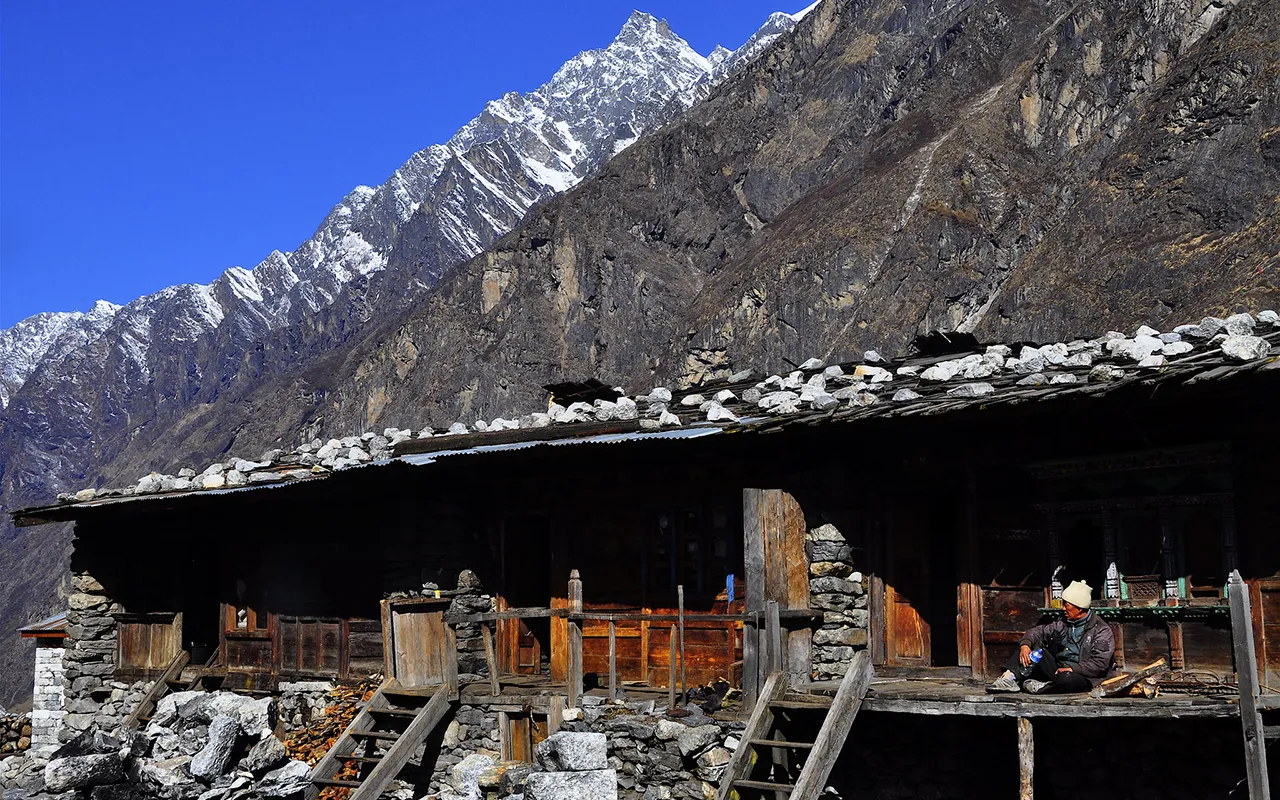
Preventive measures, timely descent during illness, and proper gear are important. Everest facts are as reminder to climbers that disregard for such health hazards may lead to emergencies that may risk life.

Logistical challenges: limited connectivity, rescue costs, permits

Logistical challenges involve poor communication and hard evacuations. The cost of rescue is staggering, as is the process of permission-taking, where all essential information must be considered in establishing the facts of Everest for the aspiring mountaineers.
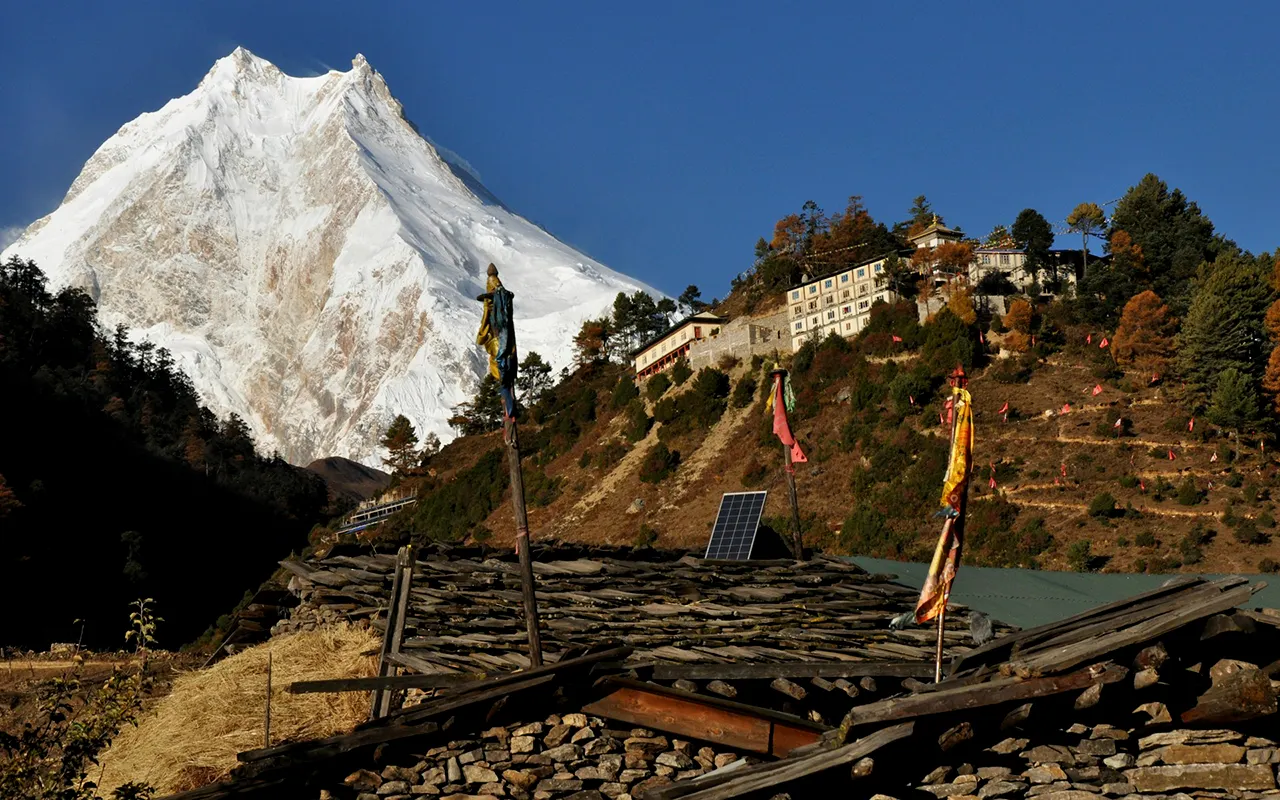
Travelers have to take insurance and use qualified agencies. Understanding logistical challenges helps to prevent expensive and risky complications in the expedition.

Tips for Travelers and Trekkers

Before your trek, you will need to train for at least 3 or 4 months to build endurance. Regular training will lower the risk of being injured and will increase your success percentage on Everest.

Ascend gradually and stay well hydrated to minimize altitude sickness. This will assist in your body adjusting to low oxygen levels, thus reducing the chances of altitude sickness.

Carry medication such as Diamox (acetazolamide) against the Acute Mountain Sickness (AMS) and seek medical advice beforehand. Minor symptoms might be turned into serious medical problems when one is not ready to take them into account.

Always ensure your travel insurance covers helicopter evacuation. Such protection is necessary because Everest is remote and difficult to reach.

Honor the local Sherpa culture and eco-friendly travel practices, carry reusable water bottles, and do not litter. Follow sustainable tourism, as it tends to have the groundwork to preserve the Everest for future generations.

Interesting Facts About Everest (Quick List)

Each year, geological uplift resulting from the collision of the Indian and Eurasian tectonic plates causes Mount Everest to grow about four millimeters taller. The growth of Everest is a cool example of its natural evolution and is an interesting Mount Everest fact.

Jet streams, which are wind streams high in the atmosphere near the top of Mount Everest, can reach speeds of up to 200 kilometers per hour. The jet streams can create dangerously intense winds, as intense weather plays a role in creating one of the most intense and difficult facets of Mount Everest, facts for climbers.
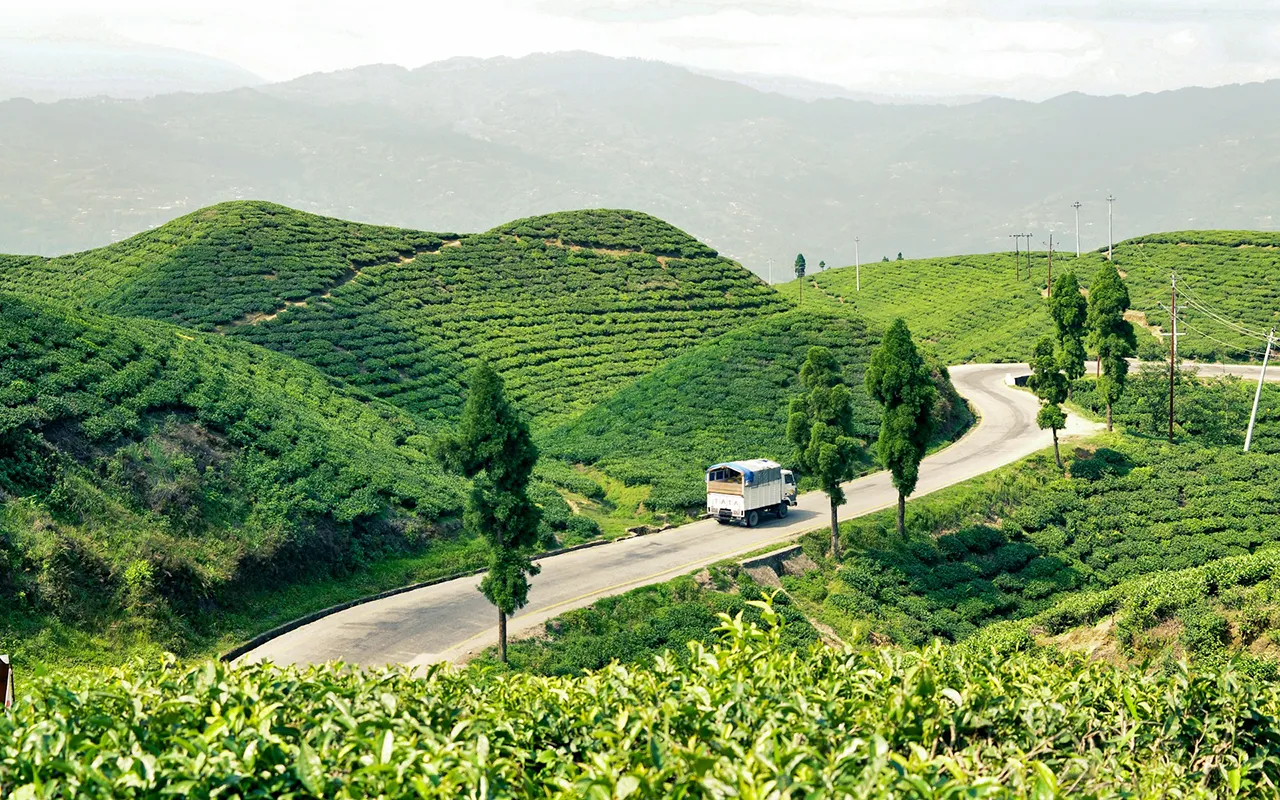
There are over 6,000 summits of Mount Everest to date, placing Everest as the most summited peak above eight thousand meters. This is noteworthy and is a number that is circulated in the Mount Everest facts related to human will and determination.
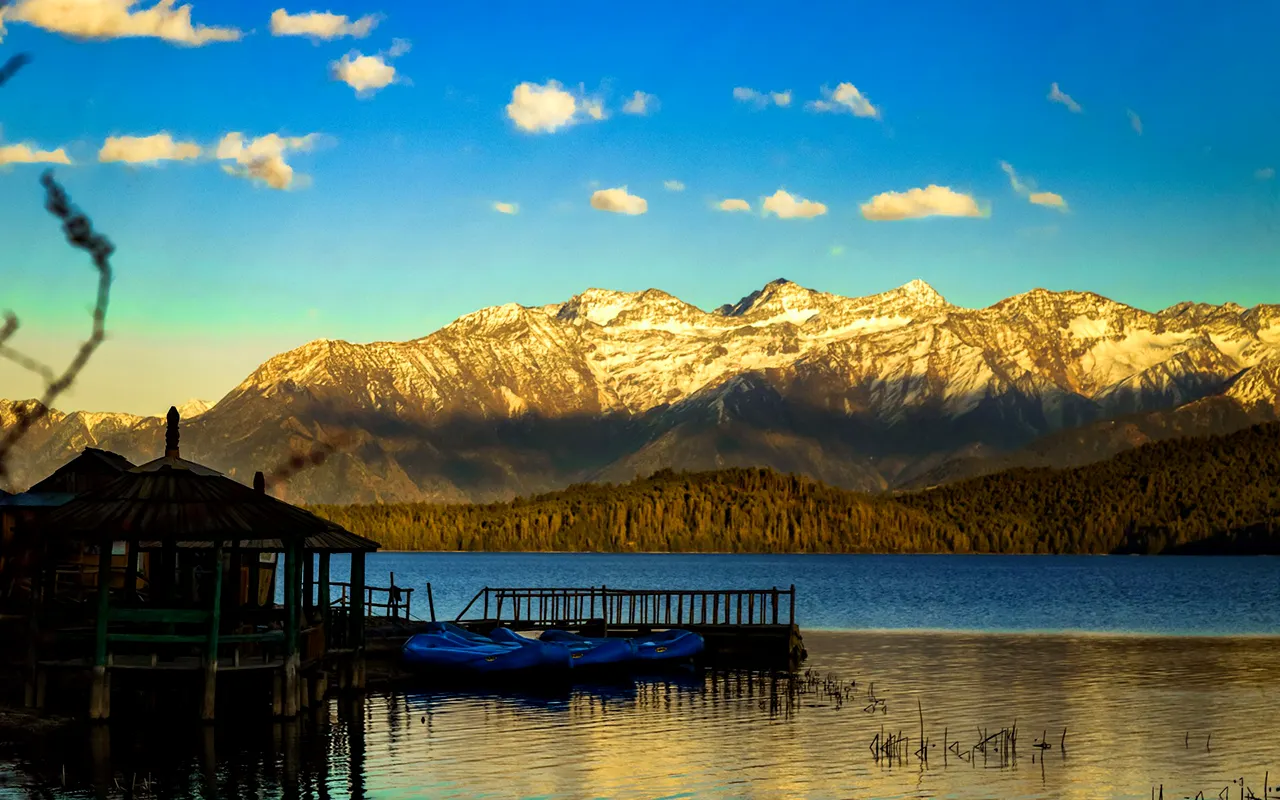
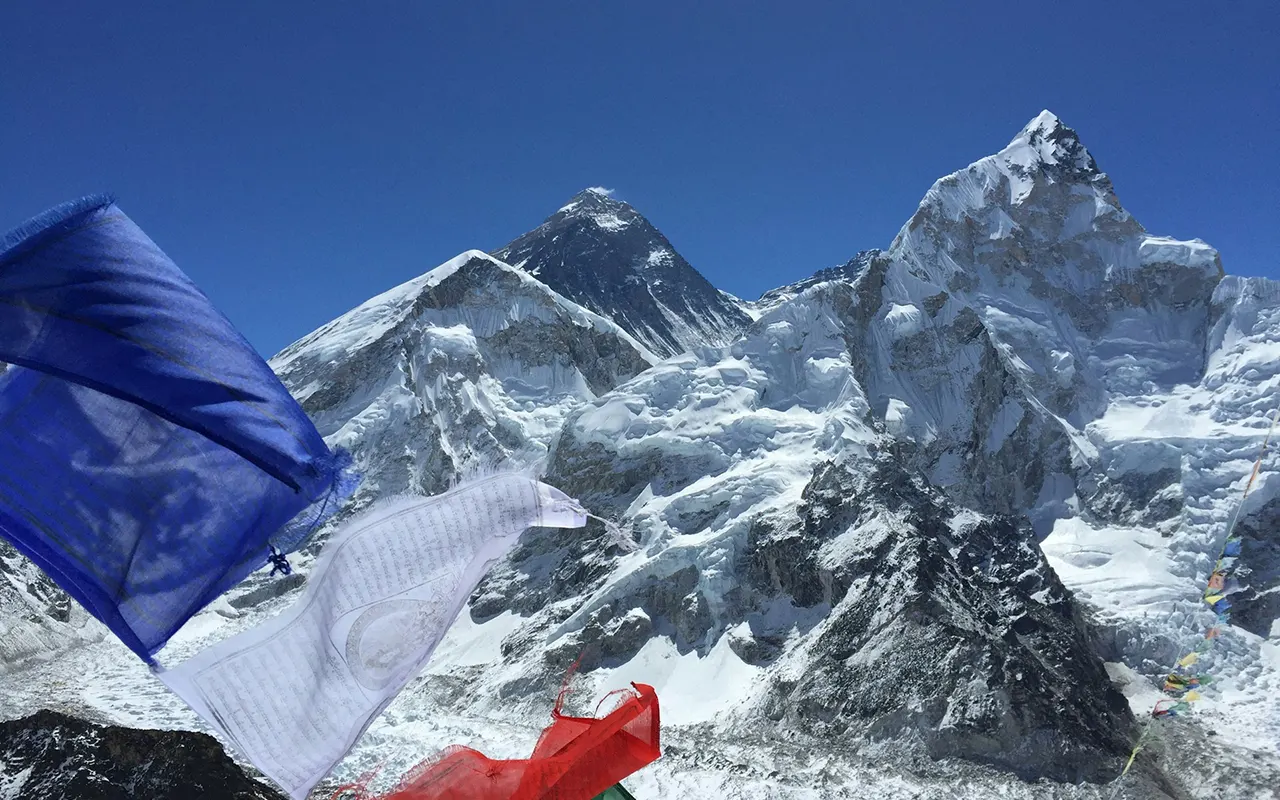
Approximately 300 climbers have died trying to climb Everest, which is a somber statistic and a necessary Mount Everest fact that presents the dangers of making an ascent and not being prepared for danger.

Trash collection and clean-up efforts continue on Mount Everest now that more climbers are visiting, creating more trash on the mountain. Environmental projects are included in new-age Mount Everest facts to continue to preserve and enhance the beauty of the mountain.

Conclusion

For every traveler to be safe and successful, knowledge of the altitude, weather, and challenges of Everest is vital. Being equipped with some key facts about Everest; its height, unpredictable weather, and the challenges of climbing it, provides every traveler with the knowledge and skills to prepare wisely and safely.

If you have trained, equipped, and been guided properly, you can safely enjoy the world’s highest mountain and the local culture while respecting the fragile mountain ecosystem. Responsible travelers have an opportunity to have a great experience in their journey, reducing the health risk and the impact on the natural environment of the vulnerable mountain ecosystem of Everest.

Top 10 Places to Visit on a Nepal Tour

Nepal, a beautiful land filled with breathtaking views, mountain peaks, and a variety of culture and tradition, is an ideal place for those who love trekking and learning about new customs and culture. Nepal is also well known for the highest peak in the world, Mt. Everest, and as the birthplace of Lord Buddha. Although Nepal is a small country, the land has so much to serve.

If you are into trekking, adventure, wildlife, history, or architecture, then Nepal will leave you stunned. A planned tour to Nepal will allow you to explore the inside of the history and beauty of this country in a broader way. This blog will mention 10 places to visit on a Nepal tour.

Kathmandu: Capital City Full of Life and Opportunity

Kathmandu, also known as the capital city of Nepal, covers approx. 50.67 km square of land where people from different communities reside together to identify opportunities. In addition to opportunities, Kathmandu valley is also filled with some of the most heartwarming architecture, as each old temple reflects the creative vision of its ancestors.

Kathmandu
Kathmandu

Kathmandu valley is filled with some of the UNESCO World Heritage Sites: Pasupatinath, Swayambhunath, Boudhanath Stupa, and some of the eye-catching resting and cultural spots, like Patan Durbar Square and also a UNESCO World Heritage Site. Kathmandu City doesn’t rest; this city looks lively during the night and busy during the day. Newari culture, one of the richest and most historical cultures in Nepal, is the most common culture in Kathmandu Valley. Each day has much more to offer you.

Pokhara: The City of Mountain View and Gateway to the Himalayas

Pokhara, a dreamland for local citizens of Nepal and trekkers from around the world, is filled with adventurous activities, wildlife, and natural attractions such as mountain peaks, lakes, waterfalls, and temples. Pokhara covers ~464 km² of land popularly known as the “gateway to the Annapurna Circuit”. A Pokhara tour feels like a luxury tour.

Pokhara
Pokhara

Here you can experience adventure like paragliding, zip lining, and rafting. Mountain peaks reflecting on the surface of tranquil lakes are the most common views you will experience in this place. Adventure and nature lovers would be fond of this place. Pokhara is ideal for someone who loves peace and resting near cozy lakes and spots.

Chitwan National Park: Where Wildlife Meets Adventure

Chitwan National Park covers an area of ~367 sq. mi, where you will pass through subtropical lowlands of the Terai region. Chitwan National Park is home to different types of flora and fauna. Wildlife here is lively. Here one can enjoy jungle safaris, ethnic Tharu culture, tradition, and taste. Your hotel will welcome you with traditional Tharu dances and music. Most of the hotels will provide you the luxury to enjoy Tharu music and dance, where you can join and create memorable moments as well.

Chitwan
Chitwan

Lumbini: A Sacred Town with Peace, the Birthplace of Lord Buddha

Lumbini is a peaceful and sacred destination known for being the birthplace of Lord Buddha. Maya Devi Temple is believed to be the exact spot where Siddhartha Gautama was born. The Lumbini area is home to not only one Buddha temple but also many Buddha temples built by other nations, which offer peaceful meditation spots.

Lumbini
Lumbini

Tourists and travelers mostly visit this place for peace and to learn about Buddhism’s roots. This place connects one’s soul with the peace. Visiting Lumbini is both a spiritual and an educational journey.

Bhaktapur: City of Ancient History (A Living Museum)

Bhaktapur is a preserved old city located near the Kathmandu Valley. This city holds the ancient culture and tradition of the country. From pottery to food, this place reflects the authenticity of Nepalese culture. Durbar Square is filled with traditional artifacts and historical pictures of the king’s dynasty that hold ancient stories. The local delicacy known as king curd (juju dhau) originates from Bhaktapur and is famous throughout Nepal. Aside from the hectic city life, Bhaktapur city is peaceful and surrounded by greenery everywhere.

Bhaktapur Durbar Square

Patan: City of Art and Artifacts

Patan is a renowned place that lies in the land of Lalitpur District, widely famous for its food, temples, architecture, art, paintings, museums, and culture. Patan Durbar Square is a resting spot, a photography spot, and a source of art inspiration for many students, locals, and tourists. Temples of Patan reflect centuries of artworks and craftsmanship.

Patan is not only famous for wooden carved arts but also famous for its metal works and handmade crafts. If you love art and want to be inspired by traditional craftsmanship, then Patan is the ideal place for you.

Patan - Places to Visit on a Nepal Tour
Patan

Bandipur: Hilltop Heritage Town

Bandipur is a municipality of Nepal that lies near Pokhara. Bandipur is known to be a city combined with both natural beauty and culture. Newari is the most common culture in Bandipur. As we already know, Newari culture is one of the oldest and most unique cultures of Nepal, and Bandipur is home to one of the richest cultures of Nepal.

This town may be small, but the values, culture, and hospitality of people living here are unmatched. Townhouses in Bandipur are very unique. The styles and architecture of the townhouses will make you admire your travel choices. The Magar community originally occupied Bandipur as an independent village. Later, during the 18th century, Newari families, especially the merchant community of Kathmandu, migrated to Bandipur and made this city a trading hub.

Gorkha: The Land of Bravery and Pride

Gorkha is a well-known town in Nepal, and it represents pride and bravery for all Nepali communities. Most of the people outside of the boundary recognize Nepali people as Gurkhas or Ghorkhali. This district was once a birthplace of the brave king who made modern Nepal a single country, Prithvi Narayan Shah. Gorkha Durbar, a palace in the Gorkha District, offers you stunning views of the valley from the hilltop. Gorkha holds the sign of bravery for each and every Nepali community; visiting this place adds value to your travel journey to Nepal.

Gorkha
Gorkha

Ilam: The Tea Garden of Nepal

Ilam is located in the far eastern part of Nepal, famous for its tea production and cool climate. This place produces the country’s best tea; walking through the tea garden is like a fever dream. This place is best for photography and shoots. If you want to enhance your photography skills or filmmaking skills, then Ilam will be the best option for you.

Ilam - Places to Visit on a Nepal Tour
Ilam

Visitors will be able to enjoy the local or authentic taste of tea, local tea factories, fresh blowing breezes, and the peaceful vibe of the rural area. The sunrise view from the Shree Antu Hill is very stunning. Overall, Ilam is the best place to escape from busy city areas. Ilam is the perfect option for those visitors who love nature and photography.

Rara Lake: A Paradise Hidden in a Remote Area Yet Famous

Rara Lake is the largest lakes, or the hidden gem, in the remote northwest of Nepal. One of the eye-catching views of Rara Lake is its crystal-clear water that reflects the mountain peak. Pine forests and hills are some of the scenery that you can expect from this area.

Getting there won’t be easy, but the efforts you put in to reach the destination are totally rewarding. The unmatched tranquility and natural beauty will alleviate your stress. Rara Lake resides inside the Rara National Park, home for many wildlife and bird species. For travelers who enjoy solitude and untouched landscapes, Rara Lake will truly be a blessing.

Rara lake
Rara lake

The best time to visit these destinations

Landscapes of Nepal vary based on the seasonal changes. Your experience depends on the seasons you choose. The spring season, from (March to May), is one of the ideal times to travel in Nepal, as the scenery becomes more vibrant. Skies, mountain views, and lake views are clearer. You might get to see rhododendron blooming on the hillsides and mountainsides. For temperature, it’s mostly moderate.

Autumn (September to November) this season is best for those travelers who want the best experience of trekking, mountain views, etc. Temperature is moderate as well. The winter season is quiet, but if you are interested in enjoying the city life of Kathmandu, Bhaktapur, and Lalitpur, it might be the best time to visit; however, traveling to the mountain region for trekking can be both dangerous and adventurous.

Summer/monsoon season is very risky whether you are in the capital city or the mountain region. Floods and landslides are common natural disasters you will face during the season. Heavy rainfall and flight delays is the major problem this season.

What Does Autumn Have to Offer You?

The autumn season is filled with festivals that allow you to learn about local practices and values. Some of the famous festivals that occur during the autumn season are the festivals of Dashain and Tihar are among the biggest celebrations for every Nepali person. These festivals bring happiness, colors, and reunions in families and society. Y You might have the opportunity to enjoy kite flying and authentic traditional foods, such as sel and roti. Mostly made during Tihar.

This season might be ideal for you if you love photography or videography. The costs of lights and bus travel may be somewhat high during this season.

Tips for a Perfect Nepal Tour

To have the perfect tour, you need to create a proper plan and maintain the right mindset. First, please determine what you truly desire. What are you most excited about? Is it the culture? It is the beauty of nature. Always carry spare cash to enjoy pottery and local products sold by friendly vendors. If you want to be respectful toward local people, always dress modestly, especially at religious places. Saying “Namaste” and smiling at local people can create a positive impression on them.

How to Travel Between These Destinations

After arriving in Nepal, you can book a taxi or take a local bus to travel through the Kathmandu, Bhaktapur, and Lalitpur valleys. If you are traveling to a long-distance destination, such as from Kathmandu to Pokhara or from Nepalgunj to Rara, consider taking domestic flights.

Taking domestic flights saves your time. Tourist buses and private jeeps are the most popular modes of transportation. If you are on a budget, traveling by the local bus will be an affordable option, although it may be slow. You will get to combine driving and trekking experience during the trekking portion of your trip. No matter what type of transportation you use, your whole trip is worth your expectation.

Nepali Food You Should Try During Your Tour

Nepali foods are simple, tasty, hearty, and driven by tradition. Don’t forget to taste local dishes such as Dal Bhat and Dhindo, which are served with lentils, soup, vegetables, and pickles. These foods are healthy and appetizing. In Kathmandu Valley and Pokhara, you can enjoy a variety of local and international foods, ranging from Tibetan-style dishes to Indian-style cuisine.

You can also enjoy local favorites such as momo, thukpa, thakali, and Newari dishes. For desserts, you can enjoy selroti, traditional yogurt, and Indian sweets. For street food or spicy dishes, try chatpate, laphing, and Chatamari. Every food corner you encounter is as authentic as you believe.

Conclusion

Nepal is a treasure for travelers who love natural beauty, originality, arts, and culture. Nepal has a variety of fun activities that will keep tourists engaged. Nepal is a dream destination for trekkers and mountain climbers. Nepal offers a unique adventure that balances busy cities like Kathmandu and Pokhara with peaceful destinations such as Rara and Ilam.

People commonly enjoy wildlife and take photographs while exploring various places in Nepal. You can tag along with your friends and family to make memories in the land of Nepal. From luxurious travel to affordable options, Nepal has everything covered for you. If you want to travel to high places, consider using an agency that can handle your tour guide, permits, and hotel arrangements.

Are you ready to explore the culture, nature, and art that beautify Nepal?

Top Things to Do on the Everest Base Camp Trek

The Everest Base Camp trek is widely famous and considered one of the ultimate Himalayan adventure experiences. Everest Base Camp is situated in the Khumbu region of Nepal, often offering breathtaking views, Sherpa tradition, and challenges that thrill everybody’s mind.

The mix of forest and glaciers brings a new experience each and every day. The journey to Everest Base Camp is not about trekking, but it is about feeling the adventure, culture, hospitality, and reward after completing the whole journey. This blog will guide you through the top things to do on your Everest Base Camp trek; this blog ensures to make every moment of yours memorable.

Everest Base Camp
Everest Base Camp

Things to do on Everest base camp trek

Trek through Picturesque Sherpa Villages

The Everest Base Camp trek begins at the small town of Lukla, often famous for its dramatic landscapes and vibrant atmosphere. From Lukla your trails lead you through beautiful villages like Phakding, Namche Bazaar, and Tengboche. Each village has its own importance, and each of them is unique on its own. Colorful flags, prayer flags, stone houses, and cozy tea houses in these villages may differ.

Namche Bazaar is a Sherpa hub, and the market, cafe, and views are totally commendable. To make your experience even more interactive, try communicating with locals and learn about the Sherpa lifestyle.

Visit Buddhist Monasteries

Buddhist culture matters the most to the people, as it holds the whole community together as one. Along the trek you can feel the vibe of Buddhist culture; prayer flags represent peace and the sense of spirituality. Tengboche Monastery, which is situated at 3860 meters, is known as one of the most spiritual and beautiful spots on the entire route.

From this monastery you will be able to get the panoramic views of mountains like Ama Dablam and Everest; the beauty of this mountain provides spiritual insight in the peaceful and sound environment. There are lots of things to be noticed here, and some of them are spinning prayer wheels and monks who are performing rituals.

You should enjoy all these moments and monuments before starting your trek. Visiting sacred monasteries allows you to cleanse your soul and appreciate the spiritual energy and dimension of life in the Himalayan region.

Acclimatization Hikes

Altitude Acclimatization is one of the important factors to be considered while trekking to Everest Base Camp. Don’t think that acclimatization is a waste of your time, but think positively, as acclimatization or rest days are your opportunity to enjoy the panoramic views.

To enjoy the stunning views of Everest, Lhotse, and Ama Dablam, you can hike up to Namche Hill or Khumjung Village. This hike will help your body to escape pressure and to adjust to the surroundings while maintaining your adventure schedule.

If you want a shorter trek that offers you panoramic views, you can try attempting the hike to Thame and Tengboche. Acclimatization days are not a waste of time, but take this day as an opportunity for you to experience adventure, and it helps you to prepare for the high-altitude trials trek.

Marvel at Himalayan Peak

The Khumbu region is home to the world-famous peaks. This region is often considered the living museum of some of the world’s famous peaks. Throughout your trek you will be able to see some of the famous mountains like Everest at 8848.86 meters, Lhotse, Nuptse, and one of the elegant peaks, Ama Dablam.

One of the important suggestions for photography and videography is to try taking pictures early in the morning or In the evening, this is where the sun’s rays strike the White Mountain peaks and reflect the green pine forest.

Each valley looks different in different light. Nature itself will show you how beautiful this region really is. Keep your camera ready to get the best views of the nature along with traditional houses, prayer flags, and striking mountains.

Explore Glacial Landscapes

As you trek to the higher altitude, the green forest and the vibrant landscapes turn into icy and rugged terrain. Near Everest Base Camp and Gorak Shep, the landscapes and beauty are dominated by Khumbu Glacier. Walking along and beside the massive glacier rivers, ice formations and moraines will add a new flavor to your experience.

This whole walk through the massive and beautiful landscapes remains unforgettable. Sounds of walking through snow, cracking ice, and the melody of peace will remind you of icy landscapes and mountain regions’ raw beauty. The high altitude of the landscapes reminds you of the beauty that is extreme, rare, and one of the most dramatic sights of the whole journey.

Experience of Local Cuisine

Trekking is not only about walking through the high landscapes and watching the scenery, but it is also about tasting the local food that makes you energetic. To warm yourself up, try authentic Sherpa tea, which is served salty and buttery; it will help you boost up energy in cold mountain air. Momo is a Nepali delight; every Nepali person is fond of this food.

Try to treat yourself with it. Dal Bhat (with vegetables and lentils) will provide you energy throughout the day. Try locally produced yak cheese and other dairy products. Eating a local delicacy at the tea house and enjoying the unforgettable part of your journey, which builds your culinary experience.

Visit the Everest Base Camp

Reaching Everest Base Camp (5,364 meters) is the major mission of this whole trek. This is the biggest highlight of this whole trek. The feeling after you stand at the foot of the world’s highest peak feels unreal. The whole camp area is filled with colorful prayer flags and some tents. You will be able to see expedition tents mostly during the climbing season.

Everest
Everest

Reaching Everest Base Camp is a dream for every mountaineer, and every trekker on the camp side will connect you with your dream and decades of Himalayan history. As a picture of Capture as much as you can, soak yourself in the Himalayan air, and feel the achievement make your tour iconic.

Hike to Kala Patthar

Everest Base Camp is about being on the world’s highest peak and feeling the achievement, and Kala Patthar is about seeing the glory of your achievement from the height of 5,545 meters. This part of the trek is optional but is highly recommended, as it will give you the best view of sunrise up to the Everest region and other peaks surrounded by it.

Early morning hikes are popular, as you get to see the sunrise from the Himalayas; this moment is unforgettable for photographers and nature lovers. An early morning trek to see sunrise up to Everest from Kala Patthar is ideal for you if you love nature.

Capture Memories and Photography

Every part of the trails offers you a unique beauty, which is ideal for photography. Photography opportunity is vast. You can document the beauty of this region, from the village life of people living in the Himalayan region and colorful villages to vibrant mountain peaks. Each and every part of this region is worth documenting.

Blogging and journaling are better means of documenting your journey; they will give you an opportunity to earn money as well, as most of the people love to watch videos that showcase the mountain life of people and mountain beauty. Videos will express those things that can’t be expressed by any photos.

If you are used to drone shoots, then try checking on local rules before capturing it. Some areas are restricted, especially around monasteries and some protected zones. Whatever method you use to capture your memories, try considering the rules and regulations of the certain areas.

Everest Base Camp Trek 14 days
The Everest Base Camp trek is widely famous and considered one of the ultimate Himalayan adventure experiences. Everest Base Camp is situated in the Khumbu region of Nepal,...
14 Days
Moderate

US$ 1650

Practical Tips for Trekkers

Trekking in the Everest Base Camp needs better mental and physical preparation. Here are some of the tips that might help you to plan your trips efficiently.

Best Seasons for Trekking

There is always a proper timing and season for trekking; just like that, there is a perfect and worst timing for trekking at Everest Base Camp. Two of the favorable seasons to do trekking on Everest Base Camp are spring (March to May) and autumn (September to November). These seasons are popular yet rewarding. Spring season will offer you vibrant nature filled with blooming rhododendron, crystal-clear sky views, and mountain views.

On the other hand, autumn season will offer you great visibility of mountains and safe trails. The winter season, December to February, is cold and snowy and with slippery trails, condition in winter season is harsh and best for adventure seekers. The monsoon and summer season, June to August, is the worst season to do trekking because of the burning risk of heavy rain, flight delays, floods, delayed treks, and blurred visibility.

Essential Gear and Clothing

Gears and clothing essential to determine your safety and health. Bring proper layered clothing; thermal base layers are essential. Bring fleece jackets and waterproof outerwear. Pick up some good hiking boots that have good grip. Other essential wears include gloves, sunscreen, sunglasses, UV protection layers, trekking poles, hats, and sleeping bags that can help you survive subzero temperatures. Always make your backpack light; bags must be durable so they can survive throughout your whole journey.

Health and Safety Precautions

Altitude sickness is the biggest and most life-threatening concern when you are trekking in the highest region, where the level of oxygen is low. To be safe from altitude sickness, take your acclimatization days seriously and never ignore altitude sickness symptoms like headaches, nausea, and dizziness. Always keep yourself hydrated, as dehydration can cause altitude sickness. Drink at least 3 to 4 liters of water daily. Carry a first aid kit and a small medical kit, which consists of pain relievers, blister plaster, and altitude sickness medicines. Try issuing travel insurance that covers emergency evacuation while doing high-altitude trekking.

Responsible Trekking

As a trekker, you must respect the environment and local culture. Follow the slogan “Leave no Trace.” Clean the environment; don’t throw waste here and there, dispose of the waste properly, and minimize the use of plastic bags or anything related to plastic components. Respect the decisions of local people, try asking them before capturing their pictures, and support local businesses and local teahouses. Make the Everest region welcoming for future generations as well; your first impression will last forever in the hearts of innocent local people.

Food and Hydration

Nutrition plays a huge role, as it keeps your energy up. To boost up your energy and make your appetite full, try eating local foods like Dal and Bhat with vegetables. Take energy supplements with you so that you can eat during your trek. Snacks like nuts, chocolate, and energy bars are easy to put in pockets or inside your bags. It’s highly recommended that you should avoid alcohol, smokes, and caffeine, as they dehydrate your body. Carry water purifier tablets to consume clean water.

Mental Preparation and Physical Preparation

You need both physical and mental preparation to reach your trekking goals. Prepare yourself mentally by doing yoga, meditating, and thinking positively. For physical preparation try doing cardiovascular activities and perform hiking in lower regions. Focus on achievements, not efforts.

Things to Do on the Everest Base Camp Trek

Conclusion

The Everest Base Camp trek is a dream for every trekker. Stepping foot on the tallest mountain in the world is a huge achievement. This trek is more than just a hike; it’s a transformative journey through Himalayan lifestyle, rugged and raw Himalayan beauty, and spectacular landscapes. This journey is also an educational journey, as you get to interact with Sherpa people, also known as one of the bravest people. Colorful prayer flags and monasteries will make this journey spiritual. From monasteries to local cuisine, you get to experience it all. You will get an opportunity to capture the vibrant beauty of mountain landscapes and villages.

If you choose the right season, you will get extra enjoyment and a chance to enjoy each side of the mountain. You will create memories of a lifetime. Whether you are an adventure seeker, a cultural lover, or someone who loves mountaineering, the Everest Base Camp Trek is the best fit for you.
Are you ready to step on the world’s highest mountain to enjoy your achievement?

Nepal Places to Visit with Family: Safe and Fun Destination

Have you ever thought of spending your vacation in a place filled with natural beauty, spiritual energy, and culture? If you do so, you are at the right place. This blog will guide you to one of the amazing destinations filled with natural beauty, the Himalayas, spiritual energy, and most of all, over 100 ethnic groups and 120+ languages: Nepal. A very famous place for its highest peaks: Mount Everest, Annapurna, Kanchenjunga, Machhapuchhre, and many more. A well-known destination to perform hiking, trekking, and adventure safaris. Nepal is family-friendly as well as the safest place to spend your vacation. Here you will explore the best Nepal Places to Visit with Family.

Whether you are with your children, grandparents, or teenagers, you will definitely find Nepal safe and comfortable. Not only the culture and natural beauty, but also the people here are so friendly, and the hospitality is the most to experience. You can enjoy a meaningful journey, clean accommodation, easy transportation, a friendly guide, and fun activities along the road to your destination. Change in the landscapes during your road journey is the most thrilling experience you will get offered. By the end of this blog, you will get to learn more about opportunities in Nepal and some of the best places to visit in Nepal.

Why Choose Nepal for a Family Trip?

Nepal is considered one of the unique places that offers varieties of experience and adventure just in one trip. Culture, tradition, hospitality, landscapes, history, music, and dances are what make Nepal so amazing for the family trip. This trip enhances your child’s knowledge and builds a level of spiritual values in elderly people.

Jungle safaris, bungee jumping, national parks, and mountains, along with breezy fresh air, make this trip comfortable for a group of family with different age groups. The reason why Nepal is the safest place for a family visit is the warm hospitality of the local people, friendly guides who feel more like friends than just guides, and heartwarming hotels and motels that feel like home.
A Nepal trip is more affordable than other international trips. Hotels, tour guides, and meals are affordable, which makes your trip more enjoyable. Imagine getting to travel a country with affordable accommodation, a variety of adventure destinations, and much more for half the price of international trips. A tour that not only offers you fun and enjoyment but also knowledge, knowledge about the lifestyles of people, their struggles, and their culture.

Whether you are eyeing the simplest adventure or a thrilling adventure, Nepal has all the things to offer you. A comfortable ride to harsh hiking in Nepal is the right place you have been looking for. Nepal should be on your bucket list because it fits all the family-friendly standards.

Top Family Friendly Nepal Places to Visit

Kathmandu Valley: Culture and Heritage

Kathmandu City is a city of opportunity, culture, and busy lifestyle. The capital city is home to more than 50 cultures. Kathmandu city will be your first stop before you step out of the airport. A city that is home to many cultures, temples, and unique places. Kathmandu Valley is filled with UNESCO World Heritage Sites, including Swayambunath Temple, also regarded as Monkey Temple, where you will enjoy the peace and your kids will enjoy the playful monkeys that surround the whole temple.

Boudhanath Stupa is a peaceful place where you and your family members can walk with the prayer wheel and experience authentic Tibetan and Sherpa culture and a variety of traditional food. Lastly, Patan Durbar Square is a royal place filled with culture and history. Kathmandu Valley is the family-friendly city where you get to experience the peace and busy life of a people with some fun activities.

Kathamandu
Kathamandu

Pokhara: Lakeside Relaxation and Adventure

Pokhara is a land of adventure and natural beauty. A gateway to various trekking places and the Himalayas. You can experience so much from here. As compared to other cities, this city might be a bit expensive, but there is so much to do. A peaceful, beautiful destination packed with family activities. Some of the eye-catching places are Phewa Lake, where you can rent a boat to experience the Mountain View in a slow and relaxing environment. Davis Falls/Patale Chango and Gupteshowr Mahadev Cave are the most visited places. Fun fact: Davis Fall/Patale Chango will teach you love of locals to a foreigner. This fall is named after a foreigner who died while exploring Davis Fall/Patale Chango. Teens and kids will love the activities like paragliding, cycling, and zip lining, while older and senior citizens can enjoy the lakeside and views.

Pokhara
Pokhara

Chitwan National Park: Wildlife and Jungle Safari

Chitwan is listed as a UNESCO World Heritage Site and the place you must visit with your family members. This place is especially for those family members who love nature and animals. Here you and your kids can enjoy a Jeep safari where you will spot wild animals like rhinos, deer, crocodiles, and maybe tigers. Don’t fear about your safety because the vehicle is well guided and regulated by trained naturalists. You will learn about the conservation of wildlife as you get to see the elephant breeding center. The Tharu culture is one of the major cultures residing in the Chitwan district. Here you will get a taste of Tharu culture; their authentic colorful dance and music are some of the cultural experiences you most feel here.

Chitwan National Park

Nagarkot: Scenic Mountain Retreat

If you and your family love Mountain View but don’t want to trek high up, then Nagarkot is the best option for you. Here you will experience a sunrise view of the mountain; you just need to take a short drive from Kathmandu. This hill station is well known for its mountain view and the heartwarming sunrise along with the blue sky. The trip from Kathmandu to Nagarkot is the safest among all. Nagarkot is safe as well as filled with quiet hotels, resorts, and motels. Balcony views from the hotels and resorts with fresh and cool air aside from the busy city are the most to experience. This unique place will offer you the chance to feel the beauty of Nepal from a balcony view.

Nagarkot
Nagarkot

Lumbini: Spiritual and Educational Visit

Lumbini is well known as the birthplace of Lord Buddha. This place is known for its history, peace, and natural beauty. You should visit this place along with your family members if you love culture and believe in spiritual energy. Just by visiting one country, you will get the taste of other countries as well, and you will get to see different monasteries built by different countries. Each monastery has its unique architectural features and its own styled garden. Spotting Buddha’s birthplace, Maya Devi Temple, feels like a new experience through the spirits. This destination lets your kids know about the different world cultures and religions just by visiting one site. Overall, Lumbini is a safe, calm, and educational site.

Lumbini
Lumbini

Bandipur: Peaceful Hilltop Village

Bandipur is known to be a hidden gem of Nepal; it is filled with one of the oldest and most unique cultures, Newari culture. A peaceful street filled with traditional Newari culture and beautiful mountain views, this bazaar has so much to offer you. Aside from the hectic stress of travel, you and your family can peacefully and safely walk through the calming streets without worrying about traffic. Bandipur will offer you a traditional homestay where you will be introduced to local food and music. You can slow your trek by relaxing in a Nepali village setting. Newari culture is one of the richest cultures when it comes to dance, music, and festivals. Therefore, Bandipur will offer you unique Nepali culture with your family. Bandipur is one of the perfect stops for you and your family members.

Family Activities in Nepal beyond Sightseeing

Nepal is not just about visiting places to enjoy natural beauty; besides sightseeing, Nepal offers you tons of adventure experiences. If you are on a family trip, don’t hesitate to trek. Nepal not only offers you high-level trekking destinations but also beginner-friendly trekking places. You can easily trek on routes like Ghorepani Poon Hill, a beginner-friendly trek where you get to experience a gentle walk through stunning mountains and forests. Even though it’s a beginner-friendly trek, you might need a basic level of fitness.

Kathmandu, Bhaktapur, Lalitpur, and most of the places offer you authentic cultural arts. Where you will get introduced to traditional pottery-making classes. You and your kids can learn basic pottery. Cooking classes and traditional dance classes are also available for you.

If you want your kid to experience light adventure, then there are some light adventures like safe rafting trips, zip lining, and lastly, short bike trips. These trips not only excite you but also your teen kids. Don’t forget to capture this experience in your camera roll, because these experiences and memories are not coming back again. Children won’t be children again, so why not capture your whole adventurous experience here in the landscape of Nepal? Get ready to experience the adventure and not only the natural beauty of Nepal, because Nepal is not just about sightseeing; it’s beyond that.

Suggested Itinerary for Families (7 to 10 day)

Family trips are not just about travelling with your family and gaining experience; they are about making the most of your valuable time. You have to work by analyzing each and every member of your family in order to do family trekking. You have to plan each and every part of your trek, considering all your family members; managing time is important. Here is some itinerary suggestions that might help you.

Day 1 – 2: Kathmandu Valley: Begin your journey from here. Experience local foods, drinks, and music. Consider visiting local temples and historical heritages. Try to explore more of this valley, as this valley has a lot to offer you. Thamel is one of the authentic cities where you can buy cultural, hippie, and modern dresses. Exploring this place on the safest roads might not be peaceful due to traffic, but the main sights are peaceful and calming.

Day 3 – 5: Pokhara, Take a short flight from Kathmandu, and enjoy the air view of mountains with your family members. You can book a boat and enjoy your boating in the Phewa Lake, where mountain reflections strike the clean and peaceful water. Pokhara is filled with adventure, so teens and kids can enjoy zip lining and paragliding.

Day 6 – 7: Chitwan National Park: Take a jeep safari to enjoy the wildlife that lies in the heart of Chitwan. This journey is one of the best experiences with your family members. Visit a hotel that offers you live Tharu culture, food, and music.

Day 8: Travel to Lumbini (Optional): Before returning from Pokhara, you can visit one of the sacred places, Lumbini. Consider visiting different authentic monasteries along with Lumbini. This place holds so much history; try to capture it in your camera roll. This trip is optional.

Day 9: Nagarkot or Bandipur, You can choose whether you want to spend your nights in the city of Nagarkot with sunrise mountain views or in the traditional village of Bandipur, which is the hidden gem filled with traditional Newari culture and tradition.

Day 10: Kathmandu, Make your last day an opportunity to capture as many things as possible, or consider this day to calm yourself. Relax in the breeze of mountain air, as the last day is always an emotional day. If you want to revisit some of the historical places, then consider visiting them before it gets too late.

Conclusion

Nepal is home to culture, mountains, tradition, and adventure. A trip to Nepal is one of the affordable yet thrilling trips to do with your family. A trip to Nepal is safe as well as peaceful for a group of family. Capture your moment in Nepal; save each and every memory on your camera roll, as kids are not going to be kids forever, and elders are not going to stay the same forever. Make each and every moment of your time count with the adventure and beauty that lies in Nepal. If you ever think of peace, budget, adventure, and culture, remember all of these experiences in Nepal. Gather your family members and get ready.