
 English
 Dutch
Dutch Japanese
 Hindi
Hindi Italian
 Spanish
 French
 German
 Chinese
 Korean
 Arabic
 Hebrew
 Russian
 Portuguese
 Danish
 Czech
Czech Polish
 Swedish
Have Questions?
+977 9767224414
Unmissable holidays deals - Save up to 20%
North Annapurna Base Camp Trek – 12 days

Duration
12 Days

Trip Difficulty
Difficult

Max. Altitude
4,188m

Destination
Nepal

Group Size
1-20

Accommodation
Hotel, Teahouse

Transportation
Tourist Bus

Meals
B L D
Explore more facts about the trip
Overview of North Annapurna Base Camp Trek – 12 days
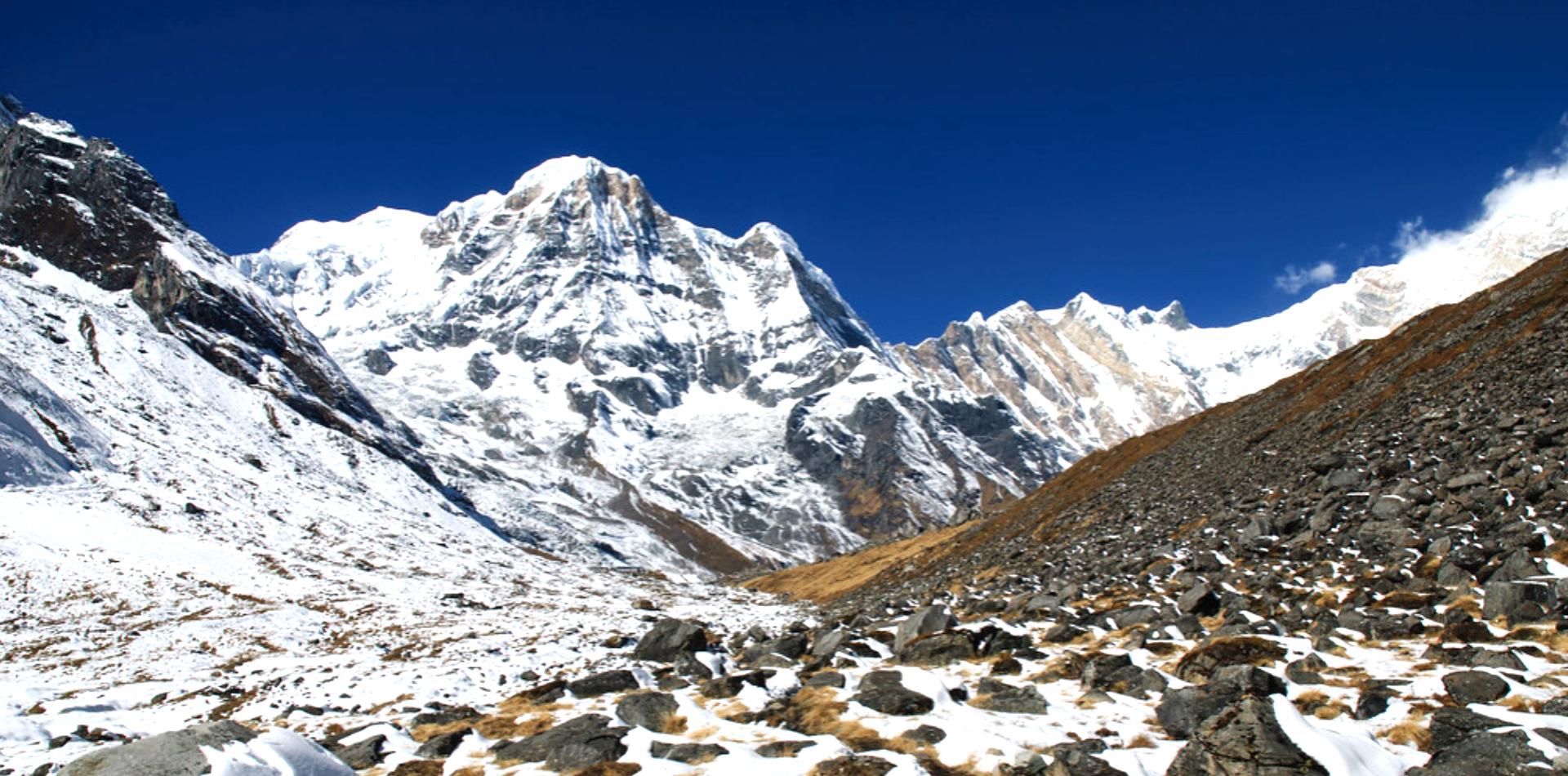
The North Annapurna Base Camp Trek is a 12-day journey to the quieter, northern side of the world’s tenth-highest mountain. Often called the North ABC Trek, it offers a fresh and peaceful path through the heart of the Himalayas, officially opened for trekkers in 2019.
With Morning Star Treks, you’ll find the perfect balance between comfort and raw adventure. You will spend nights in friendly village teahouses and camp under breathtaking starlit skies.
Each day begins in green, blossoming wood and shifts to the theatrical, high-altitude scenery that encircles the large north face of Annapurna. A cherished highlight is the soothing stop at Tatopani’s natural hot springs, a perfect moment of rest.
This trek is special for its deep sense of discovery. You’ll walk through pristine, quiet trails that let you truly connect with the mountains. In the trip, our seasoned guides will share their stories and reveal to you the friendly local culture in the conventional Magar and Thakali villages. You’ll learn the names of the surrounding mountains, including Dhaulagiri, Nilgiri, and Hiunchuli.
With its stunning variety, from cascading waterfalls to silent frozen lakes, this is a trek of memorable contrasts. This trail is graded as moderate, with the aim of helping you to acclimatize safely.
Both fit beginners and experienced trekkers will have a rewarding challenge. In case you would like to experience the beauty of the Himalaya, solitude, and feel the real connection and touch with the Himalayas, then the North Annapurna Base Camp Trek of Morning Star Treks will provide you with lifetime memories.

Price starts
US$ 1100
US$ 1200
- Safety first, always
- Best prices guaranteed
- Expert travel team
- Easy booking, no extras
- Customize your journey
Based on 10 reviews

Photo and Video Gallery


North Annapurna Base Camp Trek – 12 days Detail Itinerary

Day 01: Arrival in Kathmandu (1,400 m)
You will land at Tribhuvan International Airport in Kathmandu, where our representative will receive you warmly and take you to your hotel.
Once you have checked in, you can sleep and relax after your journey. You can then visit the vibrant streets of Thamel or visit the cultural places in the area at your own pace.
In the evening, you will attend a briefing session of a few minutes, during which your guide will describe the trekking schedule, security measures, and routine.
The crew will also check your permits and equipment to make sure they are all in order.
This is the first day of relaxing so that you can easily adapt to Nepal and get acquainted with what is to come. You will stay at Kathmandu hotel overnight.

Max. Altitude: 1,400m/4,593ft. ()

Accommodation: Hotel
Day 02: Drive from Kathmandu to Pokhara (822 m)
After an early breakfast, you will go to Pokhara, where you will take a picturesque ride on the Prithvi Highway.
The path is along the Trishuli and Marsyangdi rivers and through terraced fields, hills, and little towns.
You will make a break on the way to refreshments and lunch. That is, even though it takes several hours due to the changing landscapes, it is an enjoyable journey.
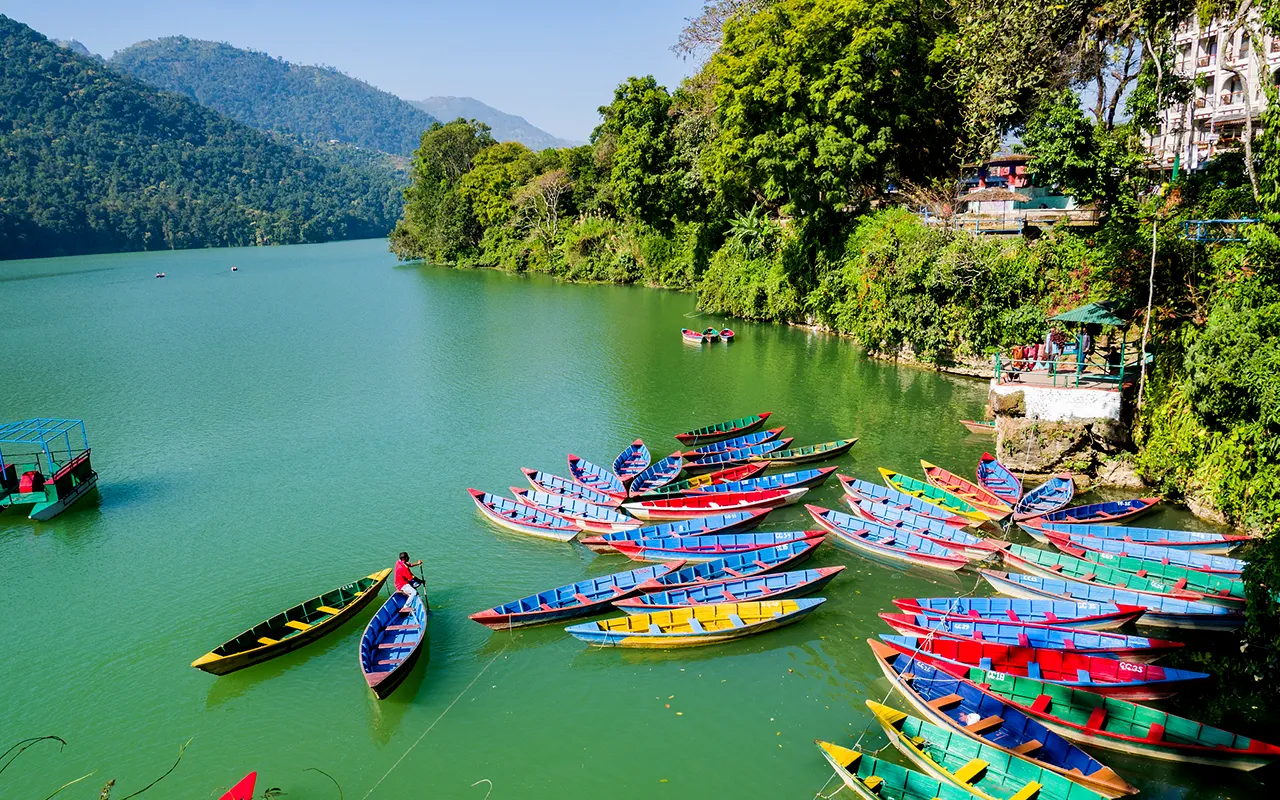
Late in the afternoon, you will reach a gorgeous lakeside city called Pokhara, which is the starting point of many of the Himalayan treks.
Once you get into your hotel, you can go around Phewa Lake or plan your trekking gear. This day will enable you to rest before going into the mountains. Overnight in Pokhara.

Activity: 7hrs drive
Max. Altitude: 822m/2,697ft. ()

Meal: Breakfast
Accommodation: Hotel
Day 03: Drive from Pokhara to Tatopani (1,243 m), then Trek to Upper Narchyang (2,140 m)
Our North ABC trek adventure truly begins today. Early in the morning, we will leave Pokhara and drive northward along the Kali Gandaki Valley, through villages and along the great gorges of the rivers.
We will have lunch at Tatopani, and with time permitting, you may enjoy the natural hot springs.
This is where we will start trekking to Upper Narchyang.
The path ascends slowly through the terraced fields, forests, and falls. The further up we walk, the more traditional the surroundings.
The last permanent village before the remote part of the North ABC Trek is the quiet Magar village of Upper Narchyang. We will spend the night in a local teahouse and have a warm meal.
Activity: 3-4hrs drive & 2hrs trek
Max. Altitude: 2,140m/7,021ft. ()
Meal: B L D
Accommodation: Teahouse
Day 04: Trek from Upper Narchyang (2,140 m) to Chhotepa (2,369 m)
We will leave the teahouse after breakfast and enter the forest. The path takes one through a serene river that makes it a peaceful and beautiful stroll through nature.
On the way and back, we will have lunch and a rest, and sightseeing. Tonight we have our first night camping.
Our professional staff will establish tents in Chhotepa and prepare a hot dinner for everybody.
You may assist in the setup, or simply sit back and have a relaxing view of the peaceful environment.
Spending the night in tents will be an exciting experience for many who will have to attend the North ABC Trek, as it will provide us with a true mountain experience.
Activity: 7-8hrs trek
Max. Altitude: 2,369m/7,772ft. ()
Meal: B L D
Accommodation: Tent
Day 05: Trek from Chhotepa (2,369 m) to Sandhi Kharka (3,165 m)
We will begin with breakfast and keep climbing towards Sandhi Kharka. The trail follows rhododendron and oak forests with streams and waterfalls on its path.
There are also steep areas, and we will walk gradually and have frequent breaks. As we increase in height, the forest expands into vast grassy lands.
Sandhi Kharka is a lovely garden with trees and a mountainous landscape. Once we arrive at the camp, we will take a rest and appreciate the peaceful environment.
During the evening, we are able to take a leisurely walk, eat warm food, and observe the light shifting on the hills. Camping at Sandhi Kharka.
Activity: 6-7hrs trek
Max. Altitude: 3,165m/10,384ft. ()
Meal: B L D
Accommodation: Tent
Day 06: Trek from Sandhi Kharka (3,165 m) to Annapurna North Base Camp (4,190 m)
The Annapurna Base Camp Trek in the north is best on this day. Leaving the forest, we will begin early and walk slowly through alpine country.
The air will grow thinner, and we will walk at a slow and easy pace. When we get near Annapurna North Base Camp, the huge face of Annapurna I looks near and beautiful.
Arrival at the base camp is a memorable experience, and glaciers and the surrounding mountains provide amazing scenes.
Upon arrival, we will have a chance to have some rest, have hot drinks, and have time to admire the environment. We will camp at a safe and peaceful place near the base camp.
Activity: 7-8hrs trek
Max. Altitude: 4,190m/13,747ft. ()
Meal: B L D
Accommodation: Tent
Day 07: Explore Annapurna North Base Camp (4,190 m), then Trek back to Sandhi Kharka (3,165 m)
We will wake up early in order to see the mornings around the Annapurna North Base Camp.
We will use some time after breakfast to explore the area and appreciate the scenery.
Afterwards, when we are prepared, we will start our trek back to Sandhi Kharka. We will go very slowly on steep parts, but the downward slope is easier for breathing.
When we stroll down, we might see things we did not see on the way up. In the afternoon, we will arrive at Sandhi Kharka and again pitch camp.
The altitude is lower and even warmer, and we will rest after a memorable experience in the high mountains. Overnight in tents at Sandhi Kharka.
Activity: 6-7hrs trek
Max. Altitude: 4,190m/13,747ft. ()
Meal: B L D
Accommodation: Tent
Day 08: Trek from Sandhi Kharka (3,165 m) to Thulo Bugin (3,500 m)
We will leave Sandhi Kharka after breakfast and follow a trail that will be less crowded to Thulo Bugin.
The road goes through high woods of rhododendron and juniper; the walk is quiet, with little rises and falls that allow our legs to relax. We can hear birds or observe small animals.
Later in the afternoon, we will reach Thulo Bugin, a distant place to camp in with nothing within a 30km radius.
Once we have camped out, we will be able to enjoy the calm environment of nature and have a peaceful evening.
The sky at night is generally clear and beautiful. Overnight camping in Thulo Bugin.
Activity: 6-7hrs trek
Max. Altitude: 3,500m/11,483ft. ()
Meal: B L D
Accommodation: Tent
Day 09: Trek from Thulo Bugin (3,500 m) to Lete (2,010 m) via Thulo Bugin Pass (4,320 m)
Today, we will start early for a long day. The path ascends gradually to Thulo Bunge Pass, the summit, where we can have wonderful views of the mountains and vast scenes.
We will spend a brief period at this place and then start to head downwards towards the Kali Gandaki Valley on a lengthy downward trail.
In case of good weather, we can stop at Titi Lake on the way. It is a long day, and by afternoon we will arrive in the village of Lete, where the night will be very welcome in a teahouse, with a comfortable bed, hot food, and a shower.
Activity: 7-8hrs trek
Max. Altitude: 4,319m/14,170ft. ()
Meal: B L D
Accommodation: Teahouse
Day 10: Drive from Lete (2,010 m) to Pokhara (822 m)
After breakfast, we will say goodbye to the mountains. We will drive from Lete to Pokhara. The road follows a big river valley.
You will see the landscape change. We will stop for lunch. We will reach Pokhara in the afternoon.
You can check into the hotel and relax. The evening is free. You might want to go for a walk, get a massage, or enjoy a nice dinner.
We will all meet to celebrate the end of our North Annapurna Base Camp Trek adventure together.
Activity: 5hrs drive
Max. Altitude: 2,010m/6,594ft. ()
Meal: B L
Accommodation: Hotel
Day 11: Drive from Pokhara (822 m) to Kathmandu (1,400 m)
We will have breakfast at the hotel. After a final mountain breakfast, we will load into our jeep for the drive back to Pokhara.
It’s a beautiful journey down the Kali Gandaki valley, and you can watch the dramatic landscape slowly soften.
We will stop for lunch along the way. By mid-afternoon, we will be back at our hotel in Pokhara. The rest of the day is yours to truly relax.
Stroll by the lake, get a massage. Tonight, we will all get together for a final farewell dinner to share stories from our North Annapurna Base Camp Trek.
Activity: 7hrs drive
Max. Altitude: 1,399m/4,590ft. ()
Meal: Breakfast
Accommodation: Hotel
Day 12: Final Departure from Kathmandu
We will have breakfast together. Then, we will take you to the airport for your flight home. We will help with your bags and check-in. We hope you enjoyed your North ABC Trek with us. We wish you a safe journey home.
Please come back to Nepal again. Thank you for traveling with our team. Namaste and farewell.
If your flight is later, we can help you plan your day. Otherwise, we will say our goodbyes at the airport.
Meal: Breakfast
If our standard itinerary doesn't fully meet your needs, we are happy to tailor it to your specific preferences and requirements.

Includes and Excludes
What’s Included?
- Airport pick-up and drop-off in Kathmandu.
- All ground transport: bus to/from Pokhara and jeeps to/from the trail.
- Hotel stays in Kathmandu and Pokhara (4 nights total, with breakfast).
- All trek accommodation: teahouse, teahouses, and tented camping.
- All meals during the trek (breakfast, lunch, dinner).
- An experienced, licensed English-speaking guide and support crew.
- All staff costs: salaries, insurance, meals, and equipment.
- All necessary trekking permits (ACAP & TIMS).
- Full camping gear: tents, dining tent, toilet tent, and mats.
- Basic first aid kit and safety equipment (oximeter).
- A detailed trekking map.
- All government taxes and our service charges.
What is not Included?
- International flights to Nepal.
- Nepal entry visa fee.
- Meals in Kathmandu and Pokhara (except hotel breakfasts).
- Personal expenses (drinks, snacks, Wi-Fi, charging, showers).
- Personal trekking gear (sleeping bag, jacket, poles).
- Travel insurance (must cover trekking and helicopter rescue).
- Tips for your guide and crew.
- Extra hotel nights for early arrivals or late departures.
- Costs from unexpected delays or events beyond our control.
- Anything not listed in the “Includes” section above.
Trip Information of North Annapurna Base Camp Trek – 12 days
Trip Difficulty
The North Annapurna Base Camp Trek is a moderately difficult journey. We will trek for 5 to 7 hours most days and reach high altitudes, but no climbing skills are needed.
The highest point is the base camp at 4,190 meters, with a pass at around 4,320 meters. The trail has some steep and rough sections, especially between villages like Upper Narchyang and Sandhi Kharka. Good fitness is important, as we will trek for many days in a row.
The challenging part is that this is a camping trek. There will not be a teahouse every night. Nights can be cold in tents. But with a steady pace and our support, many fit beginners enjoy this trek. Our schedule is made to help you get used to the height safely. If you can trek for several hours a day and are ready for a simple camping experience, you can do this wonderful trek.
Altitude Sickness and Suggestions
On the North ABC Trek, we will go above 4,000 meters. This height can cause altitude sickness for some people. We plan our walks to go up slowly, which helps your body adjust. Common signs are headaches, dizziness, or feeling sick.
If you feel any of these, please tell your guide right away. To stay safe, drink plenty of water every day. Avoid alcohol and smoking. Our guides carry a first aid kit and a device to check your oxygen.
We suggest you talk to your doctor about medicine like Diamox before you come. If you feel sick, we can rest or walk down to a lower place. Your safety is our first concern. With care and by listening to your body, we can all enjoy the high mountains safely.
Food and Drink During the Trip
Your meals on the trek will be simple, hot, and filling. In cities like Kathmandu and Pokhara, you can choose from many types of food. On the trail, our team will cook fresh meals at camp. You will often eat Dal Bhat, a traditional Nepali meal of rice, lentils, and vegetables. It gives good energy for trekking. We also serve pasta, noodles, potatoes, and eggs.
For breakfast, you might have porridge or pancakes. We provide safe drinking water at camp every day. You can fill your bottle with boiled water. Please also bring your own water purification tablets as a backup.
It is important to drink a lot, especially at high places. We advise not to drink alcohol during the trek. Eating well and drinking water will keep you strong for each day’s adventure.
Visa and Permits for the North Annapurna Base Camp Trek
Most travelers need a visa to enter Nepal. You can get one when you arrive at the airport in Kathmandu. Please bring a passport photo and cash for the fee. A 15-day visa is enough for this trek.
Also, your passport must be valid for six months after your trip. For the North Annapurna Base Camp Trek, you need two permits. The Annapurna Conservation Area Permit, or ACAP, and the TIMS card.
These permits help protect the area and keep trekkers safe. Our team at Morning Star Treks will get these permits for you before we start trekking. You do not need to do any paperwork. Just bring your passport and two photos for us. We will handle everything so you can focus on getting ready for a great trek.
Health and Safety
Your health and safety are very important to us on the North ABC Trek. Our guides are trained in first aid and know the mountains well. They carry medicine and can check your oxygen levels. We walk slowly to help you get used to the height. Please tell your guide if you do not feel well. We cook food with clean practices and provide safe drinking water.
The trail can be steep in places, so please watch your step. We will camp in wild areas, so keep your tent closed. Our team is honest and will look after you. In case of a serious problem, we can call for a helicopter. This is why travel insurance is required. We will do everything we can to make sure you have a safe and happy trek.
Transportation
We arrange all your transport for the North Annapurna Base Camp Trek. We will pick you up from Kathmandu airport and take you to your hotel. To reach Pokhara, we will travel by a comfortable tourist bus. The drive is long but very scenic. If you prefer, you can fly to Pokhara at an extra cost. From Pokhara, we drive to Tatopani to start our walk.
This drive is on a bumpy mountain road. After the trek, we will drive from Lete back to Pokhara. Finally, we take the bus back to Kathmandu. All these drives are included in your trip. Our drivers are experienced with Nepal’s roads. Sometimes schedules can change, but we will always find the best way to keep your journey smooth and on time.
Travel Insurance
Travel insurance is required for the North Annapurna Base Camp Trek. We will go to remote and high places, and your insurance must cover trekking up to 4,500 meters. It must also include emergency helicopter evacuation. Please check this with your insurance company before you come.
A good policy will also cover medical costs and lost luggage. We hope you never need it, but it is important for your safety. If there is a serious problem on the trail, a helicopter can come quickly. Without insurance, this cost is very high for you. Please bring a copy of your insurance details. We will also keep a record. Having insurance lets you trek with peace of mind.
Language and Communication
On the North Annapurna Base Camp Trek, you will not have a language problem. Our guides speak English well. In Kathmandu and Pokhara, many people in hotels and restaurants also speak English.
In the villages, locals speak Nepali, but they are used to trekkers. A smile and “Namaste” work everywhere. For communication, please know that there is no phone signal for many days on the trek. You can call from Tatopani at the start and from Lete at the end.
In between, we will be offline. This is a nice chance to enjoy nature without screens. You can charge devices in teahouses, but not at camp. Please bring a power bank for your camera. Tell your family you will be offline, so they do not worry. Our guide will have a way to call for help if needed.
Important Rules on This Trip
There are some simple rules to help everyone have a good trek. Please do not litter. Take all your trash back to the city. Do not ignore signs of altitude sickness. Tell your guide if you feel unwell. Do not walk off alone. Stay with the group for safety. Please respect local culture. Dress modestly in villages and ask before taking photos of people.
Do not bring a drone unless you have special permission from Nepal’s government. They are not allowed here. Do not make open fires or destroy plants and animals. Helping the environment and respecting the local people, you live according to these rules.
Photography and Drone Rules
You are welcome to take photos on the North ABC Trek. The views are amazing. Please be polite when taking pictures of local people. Always ask first with a smile. Do not take photos inside monasteries or at army posts if it is not allowed. Keep your camera safe from rain and cold. Battery life is short in the cold, so keep spares warm in your pocket.
Drones are not allowed in the Annapurna area without a hard-to-get permit. We advise you not to bring one. If you fly a drone without permission, it can be taken away. Please enjoy taking pictures with your camera or phone. It is a wonderful way to remember your adventure without causing any problems.
Tips for First-Time Visitors
In case it is your first visit to Nepal, then you should prepare by trekking or trekking at home first. Wear a light pack, but have warm clothes on cold mornings and nights, and have tight-fitting trekking boots.
You must drink plenty of water and have the meals we give you to keep you up. Do not walk too fast or listen to your guide; there is no need to hurry. The trail is simple, and one can enjoy simple camping. Carry a little local cash to buy trifles, and be polite to local people and to nature.
Most Asked Questions
 General
How long is the North Annapurna Base Camp trek?
Your total trip is 12 days from Kathmandu back to Kathmandu. Within that, you will be trekking for about 7 full days. The other days are for comfortable travel to and from the mountains, which is part of the adventure.
Where does the trek start and end?
Your journey begins and ends in the capital city, Kathmandu. The actual trekking part of the North Annapurna Base Camp Trek starts in the village of Tatopani, after a beautiful drive from Pokhara. We will finish trekking in the village of Lete, and then drive back to Pokhara and Kathmandu.
What is the highest point on this trek?
The highest point you’ll reach is the Thulo Bugin Pass at about 4,320 meters. You will cross this pass on your return journey. The North Annapurna Base Camp itself is at 4,190 meters, which is also a very high and impressive point.
Which mountains will I see?
You will have beautiful views of many famous peaks. The star of the show is Annapurna I, which you will see up close from its north side. You will also see the beautiful Machhapuchhre (Fishtail), Dhaulagiri, Nilgiri, and Hiunchuli mountains throughout your journey.
Is this the same as the regular Annapurna Base Camp trek?
No, it is a different trail. The classic Annapurna Base Camp trek goes to the south side of the mountain. The North Annapurna Base Camp Trek is a newer route that takes you to the base camp on the north face. It’s a more remote and quiet path with a different perspective.
 Preparation & Fitness
Can this trek be done by beginners?
Yes, this trek can definitely be done by a fit beginner. It is a steady increase, not ascending. If you can walk for several hours a day and are excited for an adventure, you can do it. We have guided many first-time trekkers to base camp successfully.
How hard is it compared to other treks in Nepal?
It is more challenging than short, low-elevation treks but generally easier than the very high routes like Everest Base Camp. The North Annapurna Base Camp Trek is a perfect balance—it’s rewarding and achievable for most active people.
How fit do I need to be?
You should be able to comfortably walk for 5-7 hours with a small daypack. Doing some cardio like jogging, cycling, or weekend treks in the months before your trip will make your experience much more enjoyable.
Do I need trekking experience?
No, you do not need previous trekking experience. What you need is a good attitude and reasonable fitness. Our guide will be with you every step of the way to offer support and encouragement.
Do I need a guide, or can I go alone?
A guide is required and highly recommended. The trail is remote and not always clear. Going alone would be difficult and unsafe. With our guide and team, you can relax, stay safe, and fully enjoy the journey without any logistical worries.
How do I get to the starting point?
You will first take a scenic drive from Kathmandu to Pokhara. From Pokhara, we take a shared jeep on a mountain road to Tatopani village. Tatopani is where we put on our boots and start the trekking part of your North ABC Trek.
How many hours will we walk each day?
Most days, we will walk for about 5 to 7 hours. We keep a steady, comfortable pace so you can enjoy the views. Some days are a bit shorter, and one or two might be longer, but we always plan to reach our camp with plenty of daylight left.
Do we go back the same way?
Not entirely. We return from Base Camp to Sandhi Kharka the same way. After that, we take a different, beautiful route out. We cross the Thulo Bugin Pass and descend to Lete village, which gives you new scenery to enjoy.
Are there rest days for acclimatization?
There is no full day without trekking, but our schedule is designed to go up slowly, which is the best way to acclimatize. We also have a relaxed morning at Base Camp to explore and take photos before heading down, which acts as a nice break.
Can we change the itinerary?
We can sometimes make small changes if you ask us in advance. For example, you could take a flight to Pokhara to save a day. But we highly advise the entire 12 days plan. It allows your body time to get acclimatized to the altitude, and you do not miss out on any of the beautiful moments.
 Permits
What permits are needed?
You need two permits: the Annapurna Conservation Area Permit (ACAP) and a TIMS card. These are standard for trekking in this region and help support the local area and trekker safety.
Is a special restricted area permit needed?
No, you do not need any special permit for the North Annapurna Base Camp Trek. The trail is in a conservation area, not a restricted zone, so the two standard permits are all that’s required.
How do we get the permits?
It’s easy when you trek with us. We handle all the paperwork. Before you arrive, we’ll just ask for a copy of your passport and a photo. We’ll have your permits ready when you get to Kathmandu.
Do I need a visa for Nepal?
Yes, almost all travelers need a tourist visa. You can get it easily when you land at Kathmandu Airport. Just fill out a form, pay the fee in cash (about $50 for 30 days), and you’ll get your visa stamp. Make sure your passport is valid for at least six more months.
Is there an age limit for this trek?
There is no strict age limit. We have had happy trekkers from teenagers to those in their 70s. The most important things are good health, reasonable fitness, and a positive spirit. Children should be accompanied by an adult.
 Guides & Support Staff
What amount of tips should I give the guide and porters?
Tipping is a polite means of appreciating the work of the team. It is not obligatory but much welcome. An average rule is around $80-100 on the guide and $40-60 on each carrier on the entire expedition, divided amongst your group. This can be provided in Nepali rupees at the end.
Am I required to have any special climbing equipment such as crampons?
No, not at all. North Annapurna Base Camp Trek is a trekking trail. No special climbing gear such as crampons and ice axes are required. During normal seasons, all one needs is the good trekking boots and poles.
 Accommodation and Facilities
Where will we sleep on the North ABC Trek?
In Kathmandu and Pokhara, you’ll stay in comfortable hotels. On the trail, you’ll spend two nights in simple, friendly teahouses. The other nights, we will be camping in tents that we provide, set up in beautiful, quiet spots in nature.
Will we really be camping?
Yes, for about five nights. After the first village, there are no more teahouses, so we need to camp. Our team sets up everything, and you’ll have a cozy tent, a warm sleeping mat, and a dining tent to enjoy meals together.
What kind of food will we eat?
You’ll eat hearty, energy-giving meals. Dal Bhat is a traditional plate of rice, lentils, and veggies. Our cook also makes soups, pasta, and pancakes. In the cities, you can choose from many different restaurants.
Is drinking water available?
Yes, but the water must be purified. Our team will boil and filter safe drinking water for you at every camp. Please bring a reusable bottle to fill up. We also recommend carrying purification tablets as a handy backup.
Can you accommodate special diets?
We can easily provide vegetarian meals. For vegan, gluten-free, or other specific diets, please tell us in advance. We will do our very best, but options can be limited in remote areas. Bringing some of your own favorite snacks is a good idea.
Will I have phone signal or internet?
Please expect to be mostly offline. You might get a weak signal in the first and last villages, but there is no service at Base Camp or the high camps. Think of it as a wonderful chance to disconnect and fully immerse yourself in the mountains.
Can I charge my phone or camera?
You can charge devices in the teahouses at the start and end of the trek, often for a small fee. During the camping nights, there is no electricity. We strongly recommend bringing a good power bank to keep your camera and phone charged for those days.
What language is spoken? Will the guide speak English?
The local people speak Nepali. Our guides are also fluent in English, and thus, you will find it easy to communicate with our team. It is a pleasant way to bond with the people in the village by learning some Nepali words, such as Namaste (hello), and your guide may always assist you with translation.
 Weather & Seasons
What is the most appropriate time to undertake this trek?
Spring (March to May) and fall (September to November) are the most popular. These seasons have the clearest skies, the most beautiful views of mountains, and pleasant weather to walk. Spring is also blossoming with rhododendron flowers.
Would I be able to trek during the winter or the monsoon weather?
We do not recommend it. The monsoon (June-August) is rainy, leechy, and hazy. It is cold (Dec-Feb), and heavy snow, particularly in the high Pass. To be at the safest and most enjoyable, you would want to schedule your trek during spring or autumn.
 Health & Safety
Is altitude sickness a risk?
Yes, because we pass over 4,000 meters, it might happen. We will have the trek up gradual, and that is the best precaution. The oxygen level of everyone will be monitored by our guide, and he has a device to check the oxygen levels. All you have to do is to drink as much water as you can and make sure to inform your guide at once in case you are feeling ill.
What will happen in the case of sickness or injury?
It is our main concern to take care of your safety. Our guide is equipped with first-aid. On the trail we can treat you in minor matters. When it comes down to anything serious, we will assist you in decreasing the altitude or a helicopter evacuation to a hospital. This is what makes good travel insurance so essential.
Do women feel safe when traveling alone?
Yes, Nepal is a highly secure and hospitable nation to a solo female traveller, particularly in an organized trek. We have a professional and respectful team. We can also arrange a female guide to your trek, though you can inform us when you make your booking.
Are emergency evacuations possible?
Yes, absolutely. In a serious emergency, we can call for a helicopter rescue from the mountains. We work with reputable companies to get you to a hospital quickly. Having insurance that covers this high-altitude evacuation is a mandatory part of booking your trek with us.
 Packing & Gear
What should I pack?
The key is layers! You’ll need clothes for warm days and very cold nights. Essentials are broken-in trekking boots, a warm down jacket, a waterproof shell, thermal layers, a good sleeping bag, a headlamp, and sunglasses. Don’t forget a water bottle and trekking poles—they are very helpful.
Can I rent gear in Nepal?
Yes, easily. In Kathmandu and Pokhara, you can rent or buy almost anything you need, like sleeping bags and down jackets, for a reasonable price. This is a great option if you don’t want to buy gear for one trip. We can help you find good rental shops.
Do I need to bring a sleeping bag?
Yes, you need your own warm sleeping bag for the camping nights. We provide the tent and a sleeping mat, but a good bag (rated to -10°C / 14°F) is essential for a cozy night’s sleep. You can rent one here if you don’t have one.
How much can the porter carry?
Each porter carries gear for two trekkers. We provide you with a duffel bag for your trekking clothes. Please try to keep it under 15 kg (33 lbs). You can safely leave any extra luggage or city clothes at your hotel in Kathmandu while we are on the trek.
Price starts
US$ 1100
US$ 1200
- Safety first, always
- Best prices guaranteed
- Expert travel team
- Easy booking, no extras
- Customize your journey
Based on 10 reviews
Have Questions?
+977 9767224414