
Unmissable holidays deals - Save up to 20%

 English
 Dutch
Dutch Japanese
 Hindi
Hindi Italian
 Spanish
 French
 German
 Chinese
 Korean
 Arabic
 Hebrew
 Russian
 Portuguese
 Danish
 Czech
Czech Polish
 Swedish
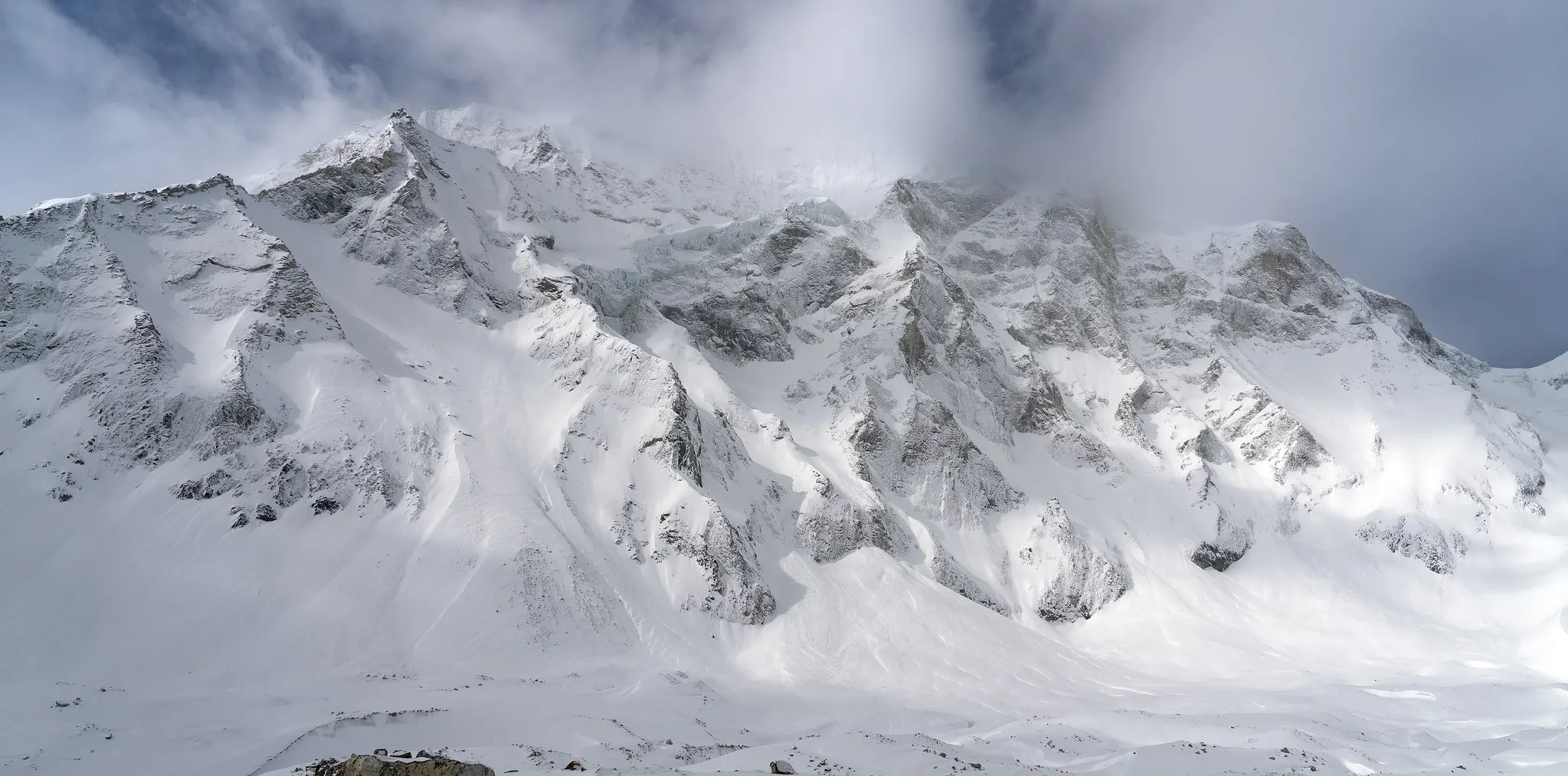
Nepal has no shortage of great trekking routes, but the Manaslu Circuit stands apart from almost all of them. It circles Mount Manaslu, the eighth highest mountain in the world at 8,163 meters, through landscapes and villages that most trekkers in Nepal never reach. The route crosses the Larkya La Pass at 5,106 meters and covers a mix of subtropical forests, high alpine terrain, and Tibetan influenced culture that shifts noticeably as you gain altitude.
What makes the Manaslu Circuit worth choosing over the more famous routes is exactly what makes it harder to reach. The restricted area permit keeps visitor numbers low. The trail is genuinely remote in sections. Teahouses are simpler and the communities you pass through have not been shaped by decades of heavy tourism in the way that Namche Bazaar or Manang have. That authenticity is the heart of the experience.
Planning the Manaslu Circuit Trek cost carefully matters more here than on most other Nepal routes because the permit structure is more complex, the mandatory guide requirement adds a fixed cost that independent trekkers cannot avoid, and the remoteness means you cannot rely on finding supplies or cash along the way. Getting the budget right before you go makes the difference between a relaxed experience and a stressful one.
This guide from Morning Start Treks covers everything you need to plan your Manaslu Circuit Trek for 2026 or 2027. We go through permits, transportation, accommodation, food, guide and porter costs, a complete day by day itinerary, seasonal advice, packing guidance, and budget tips that actually work on the ground.
Why Choose the Manaslu Circuit Trek in 2026 and 2027?
A Less Crowded Alternative to Everest and Annapurna
The Everest Base Camp and Annapurna Circuit routes attract tens of thousands of trekkers every year. Popular teahouses book out weeks in advance during October and the trail at busy checkpoints can feel more like a queue than a mountain path. The Manaslu Circuit sees a small fraction of that traffic. On most days you will walk for hours through genuinely quiet terrain where the only sounds are the river and the wind.
Incredible Mountain Views
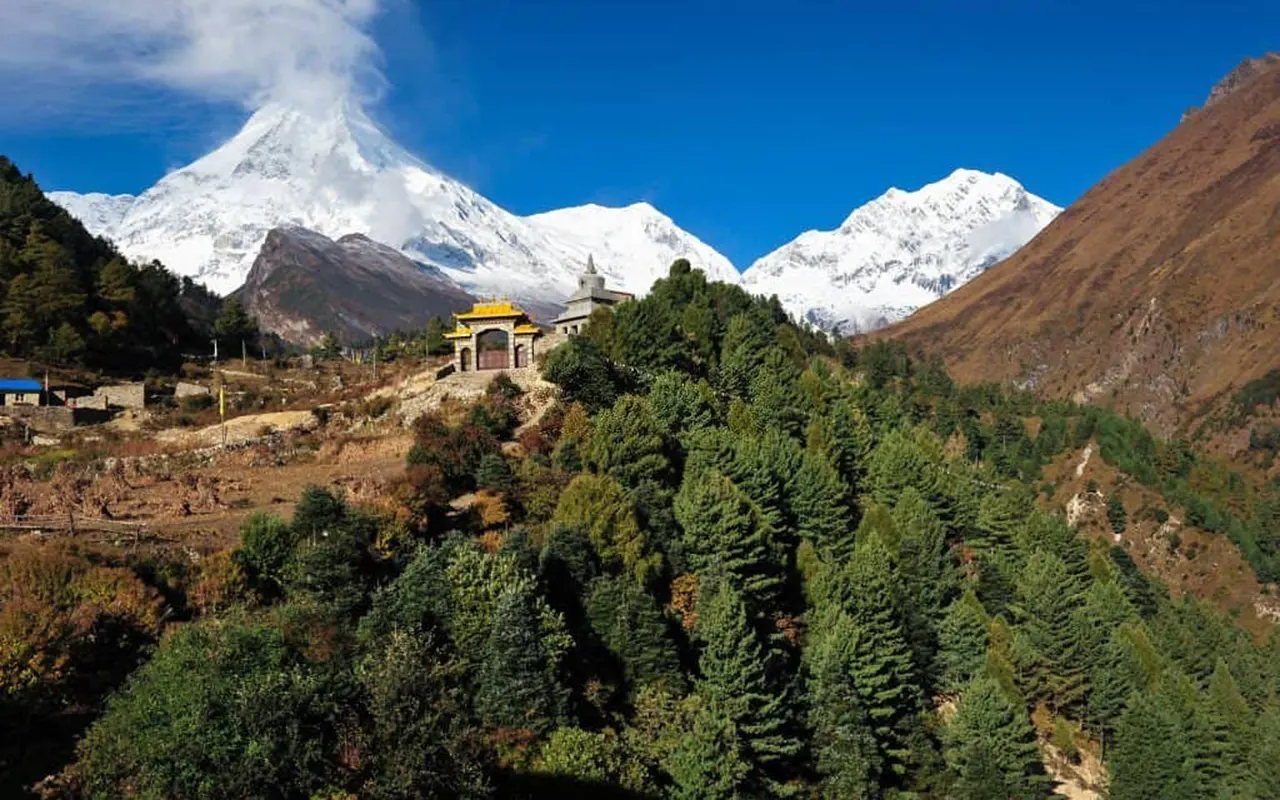
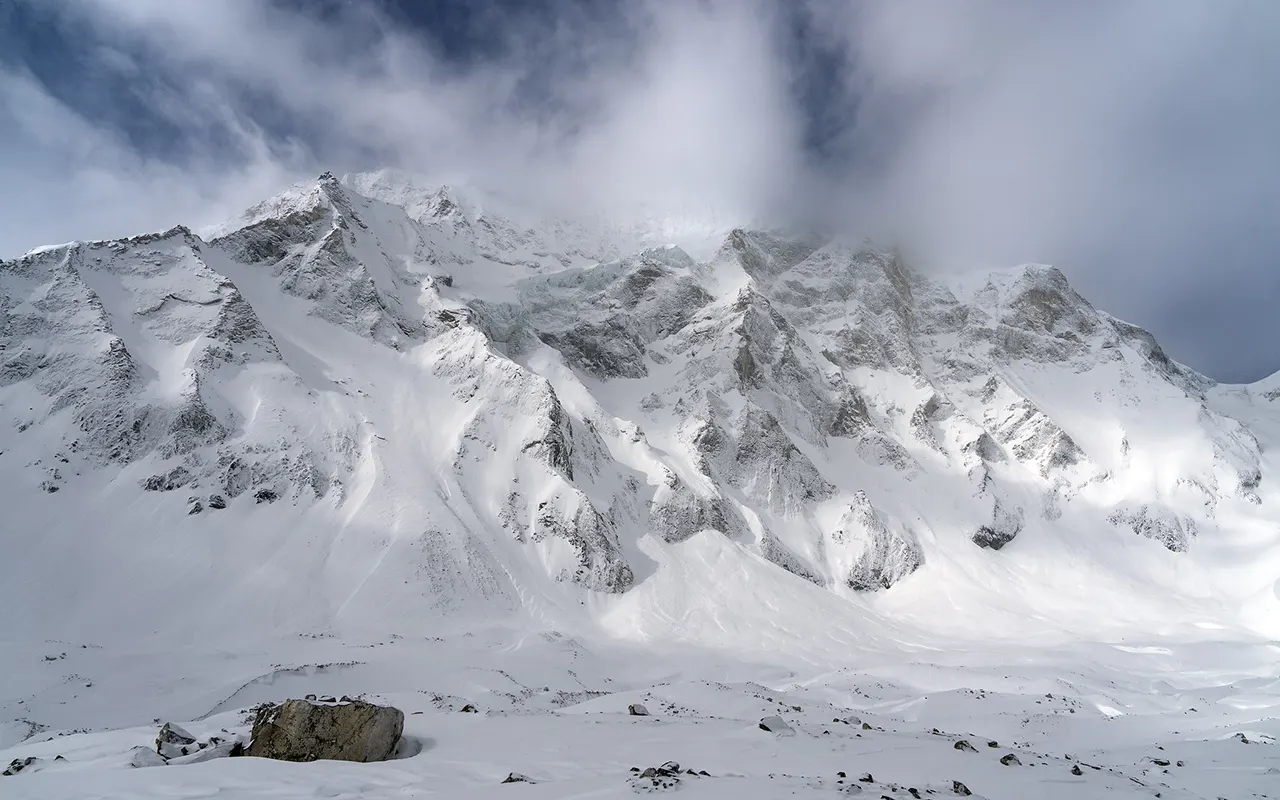
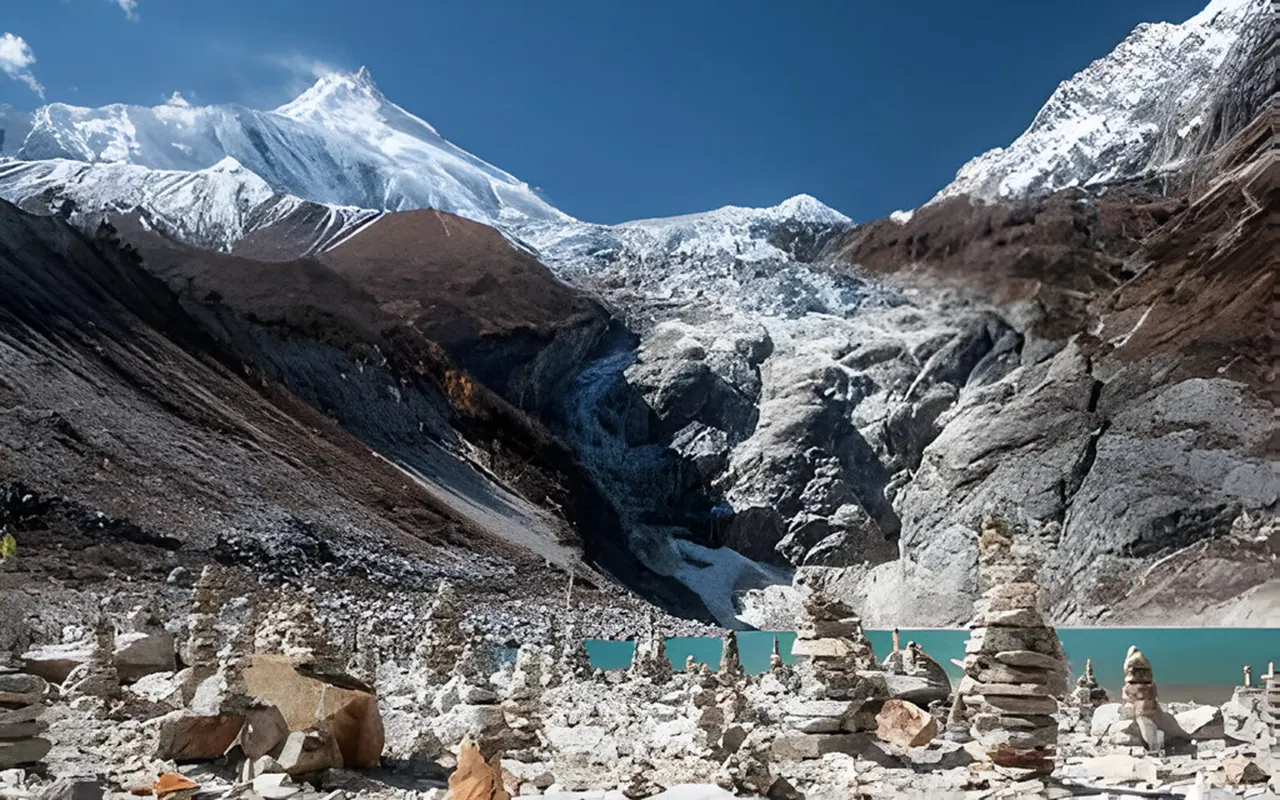
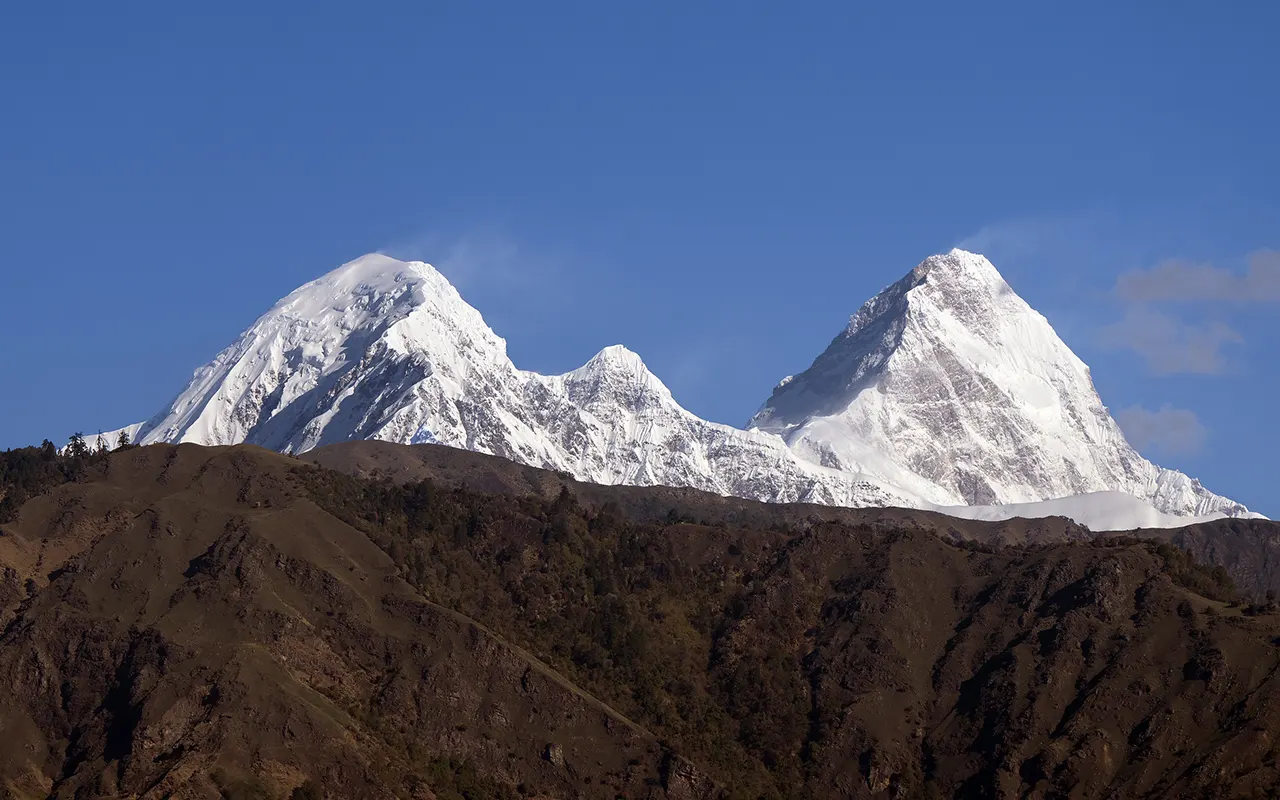
The circuit offers close and sustained views of Mount Manaslu, Himalchuli, Ganesh Himal, and the northern Annapurna range from the final descent section. These are not distant glimpses. The route takes you directly into the cirque of peaks surrounding Manaslu and the views from the upper sections of the trek, particularly around Samagaun and the Larkya La crossing, are among the most complete high mountain panoramas available to non technical trekkers anywhere in Nepal.
Rich Tibetan Buddhist Culture
The upper Budhi Gandaki valley has strong cultural ties to Tibet. Villages like Lho, Samagaun, and Samdo have monasteries, mani walls, prayer flags, and local festivals that reflect a way of life largely unchanged by outside influence. Trekking through these communities is a genuinely cultural experience, not just a scenic one. Morning Start Treks guides are knowledgeable about local customs and help trekkers engage respectfully with the communities they pass through.
Adventure and High Pass Experience
The Larkya La crossing at 5,106 meters is the high point of the circuit in every sense. It is a long, physically demanding day that takes you across a glacier and a high mountain pass with views that open out dramatically on both sides. The descent into Bimthang is steep and the landscape below the pass is completely different from anything on the approach side. For trekkers looking for a genuine high pass experience without technical climbing, this is one of the best available in Nepal.
Manaslu Circuit Trek Overview
| Trek Details | Information |
| Trek Duration | 14 to 18 Days |
| Maximum Elevation | Larkya La Pass (5,106m) |
| Trek Difficulty | Moderate to Challenging |
| Accommodation | Tea Houses |
| Best Seasons | Spring and Autumn |
| Starting Point | Soti Khola or Machha Khola |
| Ending Point | Dharapani |
| Restricted Area | Yes |
| Guide Required | Yes (Mandatory) |
Manaslu Circuit Trek Cost in 2026 and 2027
Average Trek Cost Breakdown
The Manaslu Circuit Trek price varies depending on how you travel, who you travel with, and what level of comfort you choose along the way. The figures below cover all major expenses for the full circuit including permits, guide and porter fees, transportation, accommodation, food, and insurance. International flights to Kathmandu are not included.
| Trek Style | Estimated Cost (USD) | Estimated Cost (NPR) |
| Budget Trek | $850 to $1,100 | NPR 115,000 to 148,000 |
| Standard Trek | $1,200 to $1,800 | NPR 162,000 to 243,000 |
| Luxury / Private Trek | $2,000 and above | NPR 270,000 and above |
Factors Affecting Trek Cost
Several things influence where your final Manaslu Circuit Trek budget lands within these ranges. Group size is the most significant. Costs for the guide, sometimes the porter, and often the transportation are divided among all trekkers in a group, so joining a shared departure brings the per person cost down considerably compared to a private arrangement.
Trek duration matters too. The standard circuit takes 14 to 16 days, but extending to 18 days for a more relaxed pace or to include side trips adds accommodation and food costs at roughly 15 to 20 USD per additional day. The season you choose affects both permit costs and accommodation demand. Private transport versus shared jeep makes a meaningful difference on the transportation line. And whether you hire a full porter or share one between two people changes the porter cost per person noticeably.
Manaslu Circuit Trek Permit Costs in 2026 and 2027
The Manaslu region requires more permits than any standard open trekking route in Nepal. All permits must be arranged in Kathmandu before the trek begins and are checked at multiple checkpoints along the route. Morning Start Treks handles all permit arrangements on behalf of trekkers who book through us.
Restricted Area Permit (RAP)
The Restricted Area Permit is the most significant permit cost for the Manaslu Circuit. During the autumn season from September through November, the RAP costs 100 USD per person for the first seven days and 15 USD per person for each additional day. For a 14 day trek in autumn, the total RAP cost is approximately 205 USD per person.
From December through August, the permit rate drops to 75 USD for the first seven days and 10 USD per additional day. The same 14 day trek in off season costs approximately 145 USD per person for the RAP. These rates are set by the Nepal government and are expected to hold through 2026 and 2027, though it is always worth confirming current rates before finalizing your Manaslu Circuit Trek cost estimate.
MCAP Permit
The Manaslu Conservation Area Permit costs 3,000 Nepali Rupees per person, roughly 22 to 25 USD. This permit covers entry into the Manaslu Conservation Area and is required for the full circuit route. It is issued at the Nepal Tourism Board office in Kathmandu.
ACAP Permit
The Annapurna Conservation Area Permit costs 3,000 Nepali Rupees per person, approximately 22 to 25 USD. This permit is required because the final section of the Manaslu Circuit descends into the Annapurna Conservation Area near Dharapani. Trekkers who plan to continue on the Annapurna Circuit from Dharapani will already have this permit covered.
Local Municipality Permit
The Chumnubri Rural Municipality Fee is a local government charge of 1,000 Nepali Rupees per person, around 7 to 8 USD. It is collected at checkpoints in the lower Budhi Gandaki valley. This fee was introduced in recent years and is in addition to the national level permits listed above.
Important Permit Rules
Two rules about Manaslu permits apply to every trekker regardless of experience or nationality. First, a licensed Nepali trekking guide is legally mandatory. Permits are not issued to trekkers who cannot show a confirmed guide arrangement. Second, a minimum of two trekkers is required to enter the restricted area. Solo trekkers must be paired with at least one other person. This rule means that solo travellers must join a group departure or arrange for another trekker to accompany them. Trekking agencies registered with the Nepal government, including Morning Start Treks, are required to facilitate these arrangements.
Guide and Porter Cost
Licensed Guide Cost
A licensed trekking guide charges between 30 and 45 USD per day on the Manaslu Circuit. Over a 14 to 16 day trek the total guide cost runs from approximately 420 to 720 USD. When this cost is shared across a group of four or more trekkers on a shared departure, the per person contribution drops to roughly 105 to 180 USD, which makes the mandatory guide cost much more manageable for budget trekkers.
Porter Cost
Porters on the Manaslu Circuit charge between 20 and 28 USD per day and carry a maximum load of around 20 to 25 kilograms. A solo trekker needs their own porter if they want their main bag carried, adding the full porter cost to their Manaslu Circuit Trek price. Two trekkers sharing a porter split the cost to around 140 to 224 USD each for a 14 day trek, which is a meaningful saving over solo porter hire.
Guide Porter Option
A guide porter is a single person who carries a modest load while also serving as a guide. This arrangement is cheaper than hiring a separate guide and porter and is a practical option for budget trekkers on the Manaslu Circuit. The daily rate for a guide porter typically falls between 28 and 38 USD, making it the most cost effective staffing option for small groups or solo travellers joining a shared departure.
Tips for Hiring Reliable Staff
Always book your guide through a registered trekking agency. Unlicensed guides cannot legally obtain Manaslu restricted area permits, which means hiring one puts your entire trek at risk of being turned back at a checkpoint. Ask for your guide’s trekking licence number before confirming the arrangement. Morning Start Treks employs experienced, licensed guides who have completed the Manaslu Circuit multiple times and are familiar with altitude safety, local culture, and emergency procedures.
Transportation Cost for the Manaslu Circuit Trek
Kathmandu to Soti Khola
The Manaslu Circuit begins at Soti Khola or Machha Khola, reached by road from Kathmandu. The journey covers roughly 140 kilometers and takes between 7 and 10 hours depending on road conditions.
A local bus from Kathmandu costs approximately 800 to 1,200 Nepali Rupees per person, around 6 to 9 USD. It is the cheapest option but the slowest and least comfortable. A shared jeep costs between 2,500 and 3,500 Rupees per person, roughly 18 to 26 USD, and is the most commonly used option for trekking groups. A private jeep for the whole vehicle runs between 18,000 and 25,000 Rupees, approximately 135 to 185 USD, which divided among four to five passengers works out to a competitive per person rate.
Dharapani to Kathmandu Return
The circuit ends at Dharapani from where most trekkers take a jeep back toward Kathmandu or Pokhara. A shared jeep from Dharapani to Kathmandu costs approximately 3,000 to 4,500 Rupees per person, around 22 to 34 USD. A private vehicle runs 20,000 to 30,000 Rupees for the whole jeep. Some trekkers choose to go to Pokhara first, which is closer and costs slightly less, and then take a tourist bus or flight to Kathmandu from there.
Which Transport Option Is Best?
For most trekkers on a standard Manaslu Circuit Trek budget, the shared jeep both ways is the right balance of cost and comfort. It is faster than the local bus, more comfortable over the rough road sections, and the cost difference from a private vehicle is significant unless you are travelling in a group of four or five who can fill the vehicle. Book your return transport through your guide or teahouse at Dharapani the day before you finish the trek to avoid waiting.
Accommodation and Food Cost
Tea House Accommodation
Teahouses are the only accommodation option on the Manaslu Circuit route. In the lower sections of the valley below Jagat, a basic twin room costs between 300 and 600 Rupees per night, roughly 2 to 5 USD. As altitude increases toward Namrung, Lho, and Samagaun, room prices rise to between 600 and 1,500 Rupees per night, around 5 to 11 USD. Rooms at this level are very simple with basic beds and blankets, shared bathrooms, and no heating in the room itself.
During peak autumn season in October and November, popular stops like Samagaun and Namrung can fill up fast. Trekking in a group with a guide who can communicate ahead and reserve rooms in advance is a real practical advantage during busy weeks.
Food and Drinks
Dal bhat remains the best value meal at every teahouse on the Manaslu Circuit. Most teahouses offer unlimited refills on dal bhat, making it both the cheapest and most filling option at every stop. A dal bhat meal costs between 500 and 900 Rupees depending on altitude, roughly 4 to 7 USD. Noodle soups, fried rice, and pasta are similarly priced. Breakfast options including eggs, porridge, pancakes, and toast cost between 400 and 700 Rupees.
Hot drinks including tea, coffee, and hot lemon cost between 100 and 250 Rupees per cup. Drinking water from a bottle costs 100 to 500 Rupees per liter depending on altitude. Carrying a reusable bottle with purification tablets or a filter significantly reduces this cost and is the approach Morning Start Treks recommends for all trekkers on the circuit.
Extra Expenses
Wi-Fi where available costs between 200 and 500 Rupees for a limited access pass and is slow and unreliable above the lower valley teahouses. Charging electronics at a teahouse costs 100 to 300 Rupees per device. Hot showers are available at some lower altitude teahouses for 200 to 500 Rupees. Snacks bought at teahouses including chocolate, biscuits, and dried fruit cost significantly more than the same items purchased in Kathmandu before departure. Carrying a supply from the city is one of the easiest ways to reduce your daily on trail spending.
Complete 14 Day Manaslu Circuit Trek Itinerary
Day 1: Arrival in Kathmandu
You arrive in Kathmandu and are picked up from Tribhuvan International Airport by a Morning Start Treks representative. The rest of the day is for settling in, a trek briefing with your guide, and completing permit preparations. Your guide will explain what to expect on each section of the route, what to pack in your daypack versus your main bag, and how to manage altitude on the upper sections. Overnight in Kathmandu.
Day 2: Drive from Kathmandu to Soti Khola (700m)
An early morning departure by jeep from Kathmandu. The road follows the Budhi Gandaki river valley west and then north, passing through towns like Arughat before reaching Soti Khola. The drive takes roughly 7 to 9 hours depending on road conditions, which can be rough particularly after monsoon season. The landscape changes gradually from urban to agricultural to forested river valley. Overnight in Soti Khola.
Day 3: Trek from Soti Khola to Machha Khola (869m)
The first walking day follows the Budhi Gandaki river through subtropical forest with good views of the surrounding hills. The trail crosses several suspension bridges and passes through small villages. This is a warm up day by Manaslu standards and gives your legs and feet a chance to settle into the rhythm of the trek before the real climbing begins. Walking time is approximately 5 to 6 hours. Overnight in Machha Khola.
Day 4: Trek from Machha Khola to Jagat (1,340m)
The trail continues north along the Budhi Gandaki, passing through Khorlabesi and crossing several side streams. The valley narrows in sections and the trail involves some steeper climbing as you gain altitude. Jagat is a small village with a checkpoint where your permits are verified for the first time. Walking time is approximately 6 hours. Overnight in Jagat.
Day 5: Trek from Jagat to Deng (1,860m)
From Jagat the trail enters more rugged terrain as the valley continues to narrow. You pass through Salleri and Sirdibas before reaching Deng, which marks the point where the landscape and cultural feel of the villages begins to shift noticeably toward a more Tibetan influence. Walking time is approximately 6 to 7 hours. Overnight in Deng.
Day 6: Trek from Deng to Namrung (2,630m)
This section takes you through Ghap, where a large monastery sits above the village, and then up through forest to Namrung. The altitude gain is significant today and the first signs of thinner air become noticeable for some trekkers. The views of the surrounding peaks improve as you gain height. Walking time is approximately 6 to 7 hours. Overnight in Namrung.
Day 7: Trek from Namrung to Lho (3,180m)
Lho is one of the most visually dramatic stops on the Manaslu Circuit. The village sits on a wide terrace with Manaslu filling the skyline directly ahead. There is a monastery at Lho that is worth visiting. The walk from Namrung takes you through rhododendron and juniper forest with increasingly open views as you approach the village. Walking time is approximately 4 to 5 hours. Overnight in Lho.
Day 8: Trek from Lho to Samagaun (3,530m)
The trail continues north through Shyala with its views of Manaslu and Himalchuli before dropping slightly and then climbing to Samagaun. This is the largest village in the upper circuit and the main acclimatization base before the Larkya La crossing. The teahouses here are among the better ones on the upper route. Walking time is approximately 4 to 5 hours. Overnight in Samagaun.
Day 9: Acclimatization Day at Samagaun
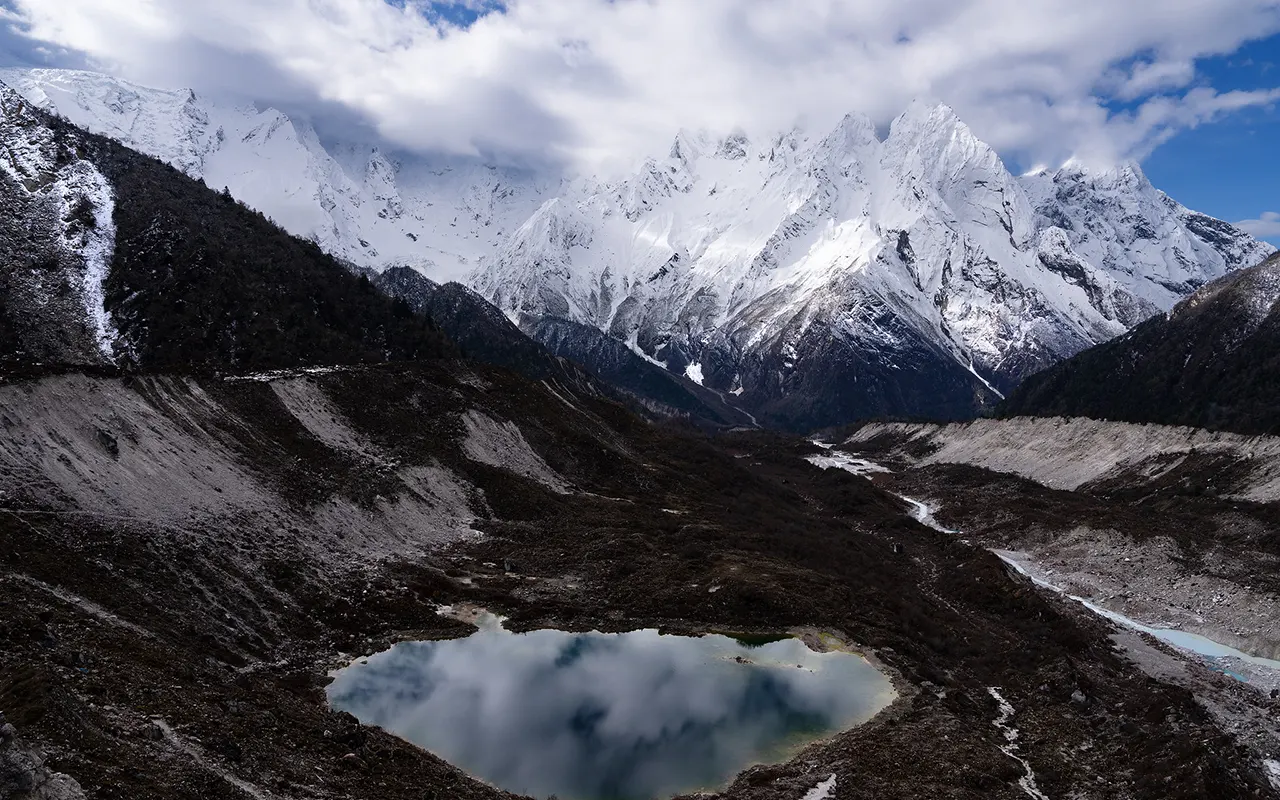
A full rest day at Samagaun is important before continuing higher. Two side trips are available and both are worth doing if weather and energy allow. Birendra Lake, a glacial lake a short walk above the village, is one of the most peaceful spots on the entire circuit. The Manaslu Base Camp walk takes around 4 to 5 hours return and gives you a much closer look at the south face of Manaslu. Most trekkers do one or both of these on the acclimatization day rather than spending it entirely at rest.
Day 10: Trek from Samagaun to Samdo (3,860m)
A shorter day that continues north toward the Tibetan border. Samdo is a small, quiet village just below the Larkya La approach. The trail passes through open terrain with wide views of the surrounding peaks. This is a good day to move slowly and let your body continue adjusting to the altitude. Walking time is approximately 3 to 4 hours. Overnight in Samdo.
Day 11: Trek from Samdo to Dharamsala (4,460m)
Another shorter day designed to aid acclimatization before the pass crossing. Dharamsala, also called Larkya Phedi, is a basic high camp with a few teahouses that serve as the last stop before the Larkya La. The walk from Samdo takes around 3 to 4 hours. Arrive early, eat well, rest as much as possible, and prepare your gear for an early start the following morning.
Day 12: Cross Larkya La Pass (5,106m) and Trek to Bimthang (3,590m)
This is the longest and most demanding day of the Manaslu Circuit Trek. Departure from Dharamsala is typically between 4 and 5 in the morning to reach the pass before weather builds in the afternoon. The ascent crosses a glacier and climbs steeply to the pass, where the views on a clear day stretch across an enormous sweep of Himalayan peaks including Himlung Himal, Cheo Himal, Kangguru, and the Annapurna range. The descent to Bimthang is long and steep in sections. Walking time for the full day is between 8 and 10 hours.
Day 13: Trek from Bimthang to Dharapani (1,860m)
The final walking day descends through forest and terraced fields back to lower altitude. The landscape changes rapidly as you lose height and the air noticeably thickens. Dharapani sits at the junction with the Annapurna Circuit road and marks the end of the restricted area section of the trek. Walking time is approximately 5 to 6 hours. Overnight in Dharapani.
Day 14: Drive from Dharapani Back to Kathmandu
An early morning jeep departure from Dharapani for the long drive back to Kathmandu. The journey takes approximately 8 to 10 hours depending on road conditions and stops. Arrival in Kathmandu in the evening. This completes the 14 day Manaslu Circuit itinerary. Extended itineraries of 16 or 18 days add rest days, additional acclimatization at Samagaun, or side trips that this faster schedule does not include.
Extended Manaslu Trek Options
Manaslu with Tsum Valley Trek
The Tsum Valley is a hidden side valley off the main Manaslu Circuit route with its own restricted area permit requirement. Adding the Tsum Valley extends the overall trek to around 23 to 28 days and adds approximately 400 to 600 USD to the total cost for the additional permit, extra days of guide and porter fees, and accommodation. The valley has very few visitors and some of the most intact Tibetan Buddhist culture in Nepal. It is a serious extension for trekkers who have the time and budget.
Manaslu and Annapurna Circuit Combination
Ending the Manaslu Circuit at Dharapani puts you at the start of the Annapurna Circuit. Continuing on the Annapurna route from this point adds 10 to 14 days and the cost of an extended guide arrangement, additional porter days, and accommodation on the Annapurna trail. The combination gives you two of Nepal’s finest circuits in a single long trip and is popular with trekkers who have four or more weeks available.
Best Time for the Manaslu Circuit Trek
Spring (March to May)
Spring is the second most popular season for the Manaslu Circuit. Temperatures are rising, daylight hours are long, and the rhododendron forests in the lower valley sections are in full bloom through March and April. Weather is generally stable with clear mornings and occasional afternoon cloud build up. The Larkya La is usually clear of serious snow by mid March. Spring is a good time for trekkers who want reliable conditions without the peak season crowds of October.
Autumn (September to November)
Autumn is the peak season for the Manaslu Circuit Trek and the most popular time to go. The monsoon clears by late September, leaving the air clean and visibility excellent. October in particular offers some of the clearest mountain views of the year. Temperatures are comfortable for walking at lower elevations and manageable at altitude with the right gear. Teahouses are busy during peak weeks but rarely completely full if you have a guide who can arrange ahead.
Winter Trekking (December to February)
Winter trekking on the Manaslu Circuit is possible but demanding. Temperatures at altitude drop very low, particularly at night, and the Larkya La can be blocked by deep snow in January and February. The permit cost is at its lower off season rate and teahouses are largely empty, which means more personal service and sometimes negotiable prices. This season suits only experienced cold weather trekkers who are well equipped and comfortable with the added risks of a winter high pass crossing.
Monsoon Trekking (June to August)
The monsoon brings heavy and persistent rain to the Budhi Gandaki valley from June through August. Trail sections become muddy and in some years landslides close parts of the route temporarily. Leeches are common in the lower forest sections. Mountain views are largely hidden by cloud for much of the day. Some trekkers do attempt the Manaslu Circuit in monsoon for the lush green landscape and the much lower permit cost, but it requires a higher tolerance for wet conditions and limited visibility.
Difficulty Level and Altitude Sickness
How Difficult Is the Manaslu Circuit Trek?
The Manaslu Circuit is rated moderate to challenging. Most days involve 5 to 7 hours of walking on trails that range from well maintained lower valley paths to rocky, uneven terrain at higher elevations. The Larkya La crossing day is genuinely demanding at 8 to 10 hours of walking with a significant altitude gain and a long descent on the far side. Trekkers should be comfortable with long walking days before attempting this route.
Altitude Sickness Prevention
Altitude sickness is a real concern on the Manaslu Circuit, particularly above 3,500 meters. The most effective prevention is a slow, gradual ascent with proper acclimatization days built into the schedule. The rest day at Samagaun and the shorter day to Samdo are both important parts of the acclimatization process and should not be skipped even when you feel strong. Drinking at least three to four liters of water per day and avoiding alcohol above 3,500 meters both help significantly. If symptoms of AMS including persistent headache, nausea, or loss of coordination appear, descend immediately.
Fitness Preparation Tips
Begin cardiovascular training at least two to three months before the trek. Regular hill walking with a loaded daypack is the most directly relevant preparation. Swimming and cycling build the lung capacity and leg strength that matter at altitude. In the final four weeks before departure, aim for at least one long walk of 5 to 6 hours per week. Arrive in Kathmandu a day or two before the drive to Soti Khola so your body is rested before the trail begins.
Packing List for the Manaslu Circuit Trek
Essential Trekking Gear
- Trekking boots with ankle support, fully broken in before departure
- Sleeping bag rated to minus 15 degrees Celsius for the upper sections
- Down jacket rated to at least minus 10 degrees Celsius
- Trekking poles, strongly recommended for the Larkya La crossing and long descents
- Daypack of 20 to 25 liters for trail use while your main bag is carried by your porter
Clothing Checklist
- Thermal base layer top and bottom
- Mid layer fleece or softshell jacket
- Waterproof and windproof outer jacket and trousers
- Warm hat and lightweight sun hat
- Gloves and warm liner gloves for the pass crossing
- UV protection sunglasses rated for high altitude
- Comfortable camp shoes or sandals for teahouse evenings
Electronics and Accessories
- Headlamp with spare batteries for early morning starts
- Power bank for charging devices on the trail
- Camera or phone with sufficient memory for a 14 day trek
- Local Nepal SIM card for use in the lower valley sections
Personal Medical Kit
- Altitude sickness medication, discuss Diamox with your doctor before departure
- Ibuprofen and paracetamol for headaches and minor pain
- Rehydration salts
- Water purification tablets or a filter
- Blister plasters and athletic tape
- Personal prescription medications with enough supply for the full trek duration
Travel Insurance for the Manaslu Trek
Travel insurance covering high altitude trekking above 5,000 meters and helicopter evacuation is not optional for the Manaslu Circuit. A helicopter evacuation from the upper circuit to Kathmandu costs between 3,500 and 8,000 USD and must typically be arranged by your insurance provider before the helicopter will fly. Without a valid policy, you or your family would need to find this money immediately in an emergency situation.
Look for a policy that covers trekking to at least 5,500 meters, emergency helicopter rescue, medical evacuation and treatment, and trip cancellation. Check the altitude limit carefully since many standard adventure policies cap at 4,000 or 4,500 meters, which is not sufficient for the Manaslu Circuit. A suitable policy for a two to three week trek typically costs between 80 and 160 USD depending on your nationality and age.
Budget Tips to Save Money on the Trek
- Join a group departure through Morning Start Treks to share guide fees, porter costs, and sometimes transportation across multiple trekkers
- Rent a sleeping bag, down jacket, and trekking poles in Kathmandu rather than buying them if you do not already own these items
- Carry snacks, energy bars, and trail mix from Kathmandu where prices are a fraction of teahouse rates
- Use water purification tablets or a filter instead of buying bottled water every day on the trail
- Use shared jeep transportation to and from the trailhead rather than a private vehicle
- Choose dal bhat as your main meal at least once per day for the best value and the most filling option on the route
- Avoid last minute bookings for peak season departures where guide availability and group slots become limited and prices reflect that scarcity
Manaslu Circuit Trek vs Annapurna Circuit
| Feature | Manaslu Circuit | Annapurna Circuit |
| Crowds | Much less crowded | Busy in peak season |
| Difficulty | More remote and demanding | Easier logistics overall |
| Cultural Experience | Highly authentic | More commercial feel |
| Permit Cost | Higher due to restricted area | Lower and simpler |
| Overall Cost | Slightly higher | Slightly cheaper |
| Guide Requirement | Mandatory by law | Recommended but optional |
| Scenery | Raw and unspoiled | Beautiful but well trodden |
Essential Trekking Tips for First Time Trekkers
- Book your permits and guide well in advance for autumn departures, especially October when group slots fill up months ahead
- Carry all your cash in Nepali Rupees before leaving Kathmandu as there are no ATMs anywhere on the Manaslu Circuit route
- Start physical training at least two months before your departure date and include regular uphill walks with a loaded pack
- Drink water consistently throughout each walking day and do not wait until you feel thirsty, especially above 3,500 meters
- Respect local customs in the villages you pass through, walk clockwise around mani walls and stupas, ask before photographing people, and dress modestly when visiting monasteries
- Listen to your guide on matters of altitude and pacing, they have completed this route many times and their judgment on when to slow down or rest is based on real experience
Frequently Asked Questions
How much does the Manaslu Circuit Trek cost in 2026 and 2027?
The total Manaslu Circuit Trek cost ranges from approximately 850 to 1,100 USD for a budget group departure, 1,200 to 1,800 USD for a standard package, and 2,000 USD or more for a fully private arrangement. These figures cover permits, guide, porter, transport, accommodation, food, and insurance but not international flights to Kathmandu.
Is solo trekking allowed on the Manaslu Circuit?
Solo trekking is not permitted in the Manaslu restricted area. A minimum of two trekkers is required to obtain the Restricted Area Permit, and a licensed guide is mandatory for all trekkers regardless of group size. Solo travellers can join a group departure through Morning Start Treks to meet the minimum trekker requirement while keeping costs reasonable.
How difficult is the Manaslu Circuit Trek?
The trek is rated moderate to challenging. It is not a technical climb and requires no special mountaineering skills, but it does involve long walking days, significant altitude gain, and a demanding high pass crossing at 5,106 meters. Trekkers should be in good physical condition and comfortable with 6 to 8 hours of walking per day before attempting the route.
Do I need travel insurance for the Manaslu Trek?
Yes. Travel insurance covering trekking above 5,000 meters and helicopter evacuation is essential. The cost of a helicopter rescue from the upper circuit without insurance can reach 8,000 USD and must typically be paid before the evacuation takes place. Morning Start Treks requires all trekkers to carry valid insurance before departing on the trail.
What is the best month for trekking the Manaslu Circuit?
October is widely considered the best single month for the Manaslu Circuit. The skies are clear after the monsoon, temperatures are comfortable for walking, and the mountain views are at their best. April is the best spring month, with stable weather, longer daylight hours, and rhododendron forests in bloom in the lower sections.
How many days do I need for the Manaslu Circuit Trek?
The standard itinerary is 14 days from Kathmandu to Kathmandu including the drive days. Extending to 16 or 18 days allows a more relaxed pace, additional acclimatization, and side trips to Birendra Lake and Manaslu Base Camp. A 12 day rush is possible but not recommended due to the altitude gain involved and the increased risk of altitude sickness.
Is internet available during the Manaslu Circuit Trek?
Internet access is available at some teahouses in the lower sections of the route, particularly around Jagat and Namrung, but it is slow and unreliable. Above Namrung, connectivity becomes very limited and largely disappears above Samagaun. Most trekkers use the circuit as an opportunity to disconnect properly for a couple of weeks, which is part of what makes the experience so different from everyday life.
Conclusion
The Manaslu Circuit Trek is one of the most complete and rewarding mountain journeys available in Nepal. It combines genuine remoteness, cultural depth, dramatic high pass adventure, and sustained mountain scenery in a way that very few routes anywhere in the Himalayas can match. The permit structure and mandatory guide requirement mean it costs more and takes more planning than an open route trek, but those same factors are what keep it authentic and uncrowded.
For 2026 and 2027, plan on a total Manaslu Circuit Trek budget of 850 to 1,100 USD for a careful group departure, 1,200 to 1,800 USD for a comfortable standard package, or 2,000 USD and above for a fully private arrangement. The key is to understand where each part of that budget goes and to make sure the non negotiable items including permits, a licensed guide, and proper travel insurance are fully covered before adjusting anything else.
Morning Start Treks runs regular group departures for the Manaslu Circuit throughout the spring and autumn seasons. Autumn 2026 spots begin filling from early 2026, and spring 2026 departures book up through late 2025. The earlier you confirm your booking, the better your choice of departure dates, guide, and group size. If you have questions about any part of the planning process, our team is available to help you build an itinerary and budget that works for your situation. The Manaslu Circuit is worth every part of the preparation. Go well prepared and it will be one of the best things you have ever done.

Table of Content
- Why Choose the Manaslu Circuit Trek in 2026 and 2027?
- Manaslu Circuit Trek Overview
- Manaslu Circuit Trek Cost in 2026 and 2027
- Manaslu Circuit Trek Permit Costs in 2026 and 2027
- Guide and Porter Cost
- Transportation Cost for the Manaslu Circuit Trek
- Accommodation and Food Cost
- Complete 14 Day Manaslu Circuit Trek Itinerary
- Extended Manaslu Trek Options
- Best Time for the Manaslu Circuit Trek
- Difficulty Level and Altitude Sickness
- Packing List for the Manaslu Circuit Trek
- Budget Tips to Save Money on the Trek
- Manaslu Circuit Trek vs Annapurna Circuit
- Essential Trekking Tips for First Time Trekkers
- Frequently Asked Questions
- Conclusion