
Unmissable holidays deals - Save up to 20%

 English
 Dutch
Dutch Japanese
 Hindi
Hindi Italian
 Spanish
 French
 German
 Chinese
 Korean
 Arabic
 Hebrew
 Russian
 Portuguese
 Danish
 Czech
Czech Polish
 Swedish
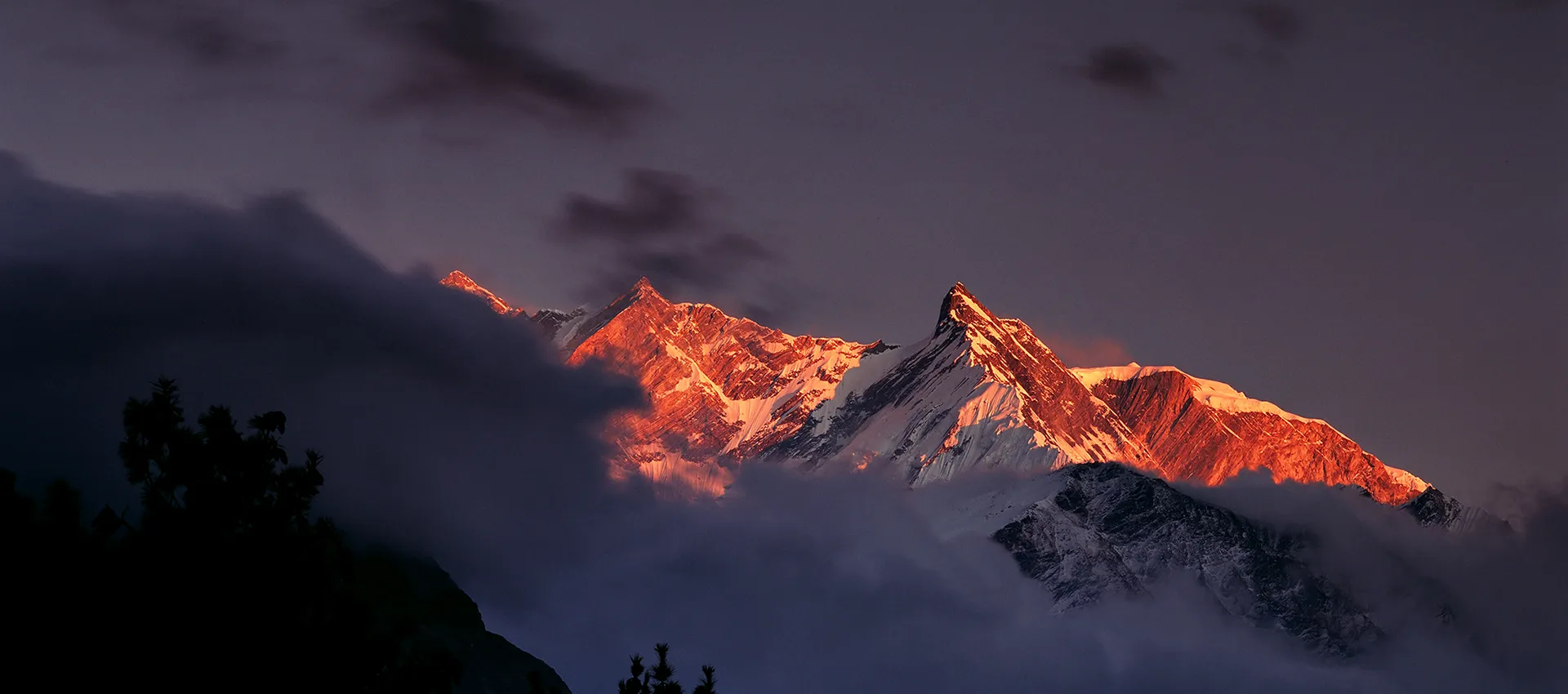
If you are getting ready for your first trek in Nepal, one of the biggest questions is when to go. The weather in Nepal changes a lot throughout the year, and each season offers a different experience on the trails. Nepal has spring, summer or monsoon, autumn, and winter, and every season has something special to offer.
Some months have clear skies and comfortable weather, while others can be rainy, hot, or very cold. Choosing the best season for trekking in Nepal can make your trip much more enjoyable. This guide explains what each season is like and helps you choose the right time for your first Himalayan adventure.
Understanding Nepal’s Trekking Seasons
It helps to know a little about Nepal’s trekking seasons before choosing when to visit. Nepal has four main seasons—spring, monsoon, autumn, and winter. Each season brings its own type of weather and a different feel on the trails.
Spring is warm and colorful, monsoon makes the hills green and fresh, autumn has the clearest skies, and winter is calm with bright views.
The table below gives you a quick idea of what each season is like. The detailed sections that follow explain each season more clearly.
Quick Summary of Trekking Seasons in Nepal
| Season | Months | Weather | Trail Conditions | Best For |
| Spring | March–May | Warm days, clear mornings, lots of flowers | Good, stable trails | Nature lovers, mild weather, popular treks |
| Monsoon | June–August | Rainy, humid, and cloudy | Muddy paths, leeches, flight delays | Mustang, Dolpo, Nar Phu, quiet trails |
| Autumn | September–November | Clear skies, cool mornings, stable weather | Best conditions of the year | First-time trekkers, Everest, Annapurna |
| Winter | December–February | Cold mornings and nights, sunny days | Snow in high areas, quiet routes | Low-altitude treks, peaceful scenery |
Spring (March to May) – Blooming Rhododendrons and Mild Weather
Spring is one of the most beautiful times to trek in Nepal. The days gradually become warm, the skies are often clear in the mornings, and the hills sparkle with blooming rhododendrons. Early spring can still feel cool at higher altitudes, but by April and May, the temperatures in most trekking regions are very comfortable.
Trail conditions are good because winter snow has mostly melted at mid altitudes, and many high passes become easier to cross. The colorful rhododendron forests between 2,000 and 3,500 meters are a highlight of this season.
Spring is ideal for popular routes such as Everest Base Camp, Annapurna Base Camp, Poon Hill, and Langtang Valley. You may even see Everest expedition teams preparing for their climbs in April and May. High-altitude treks like the Annapurna Circuit and Manaslu Circuit are also possible once the passes clear.
There are also lively festivals like Holi and the Nepali New Year in this season, giving you an opportunity to sample local culture on the way. Spring is a good season to introduce first-time trekkers to the highlands because of the fair weather, long daylight, and colorful landscape.
Cultural Highlights
Festivals in Nepal are also lively during spring. Holi is the festival of colors, and people toss colored powders, which is typically held in March, and gives a happy mood to such cities as Kathmandu and Pokhara.
During mid-April, Nepal celebrates its New Year with fairs, music, and local events. When you are walking through these festivals, you can be exposed to village celebrations. These cultural events provide adventure and warmth to your spring trekking adventure.
Summer/Monsoon (June to August) – Lush Green Hills and Rain Shadow Adventures
Nepal is in summer, and thus you will have warm weather with lots of rain. When there is sunshine, the mountains are typically covered with clouds, and afternoons are often subject to rainfall. Although this season does not suit most of the popular treks, the rain makes the hills vibrant with the bright green forests, waterfalls, and new vegetation.
Trails may be muddy and slippery, and the forests may have leeches. There are also the possibilities of landslides or road blocks along certain routes, and flights to destinations such as Lukla are often delayed. Hiking along with an experienced guide is significant during this period of the year.
The rain shadow areas, or areas where the rainfall level is minimal, receive the best trekking during the summer months. The most recommended are the upper Mustang and Dolpo, which have dry tracks, desert scenery, and expansive skies. Nar Phu Valley is also a good choice. Monsoon is the best season in these regions, and most parts of Nepal are wet.
Better places, such as Everest and Annapurna, are far less busy during summer. It is possible to walk there when you are not afraid of rain, and the mountain scenery is not that great; you have to be open to schedule changes.
Monsoon can only be chosen by first-time trekkers who decide to visit a dry area such as Mustang or Dolpo, or the trekker is willing to explore wet weather. The positives are the serene trails, stunning landscape, and reduced charges.
Cultural Highlights
Festivals are also colorful during the monsoon. Teej, a festival in which women wear red, sing, and dance, typically takes on in August or early September. Janai Purnima is another significant festival, and pilgrims go to holy lakes such as Gosainkunda.
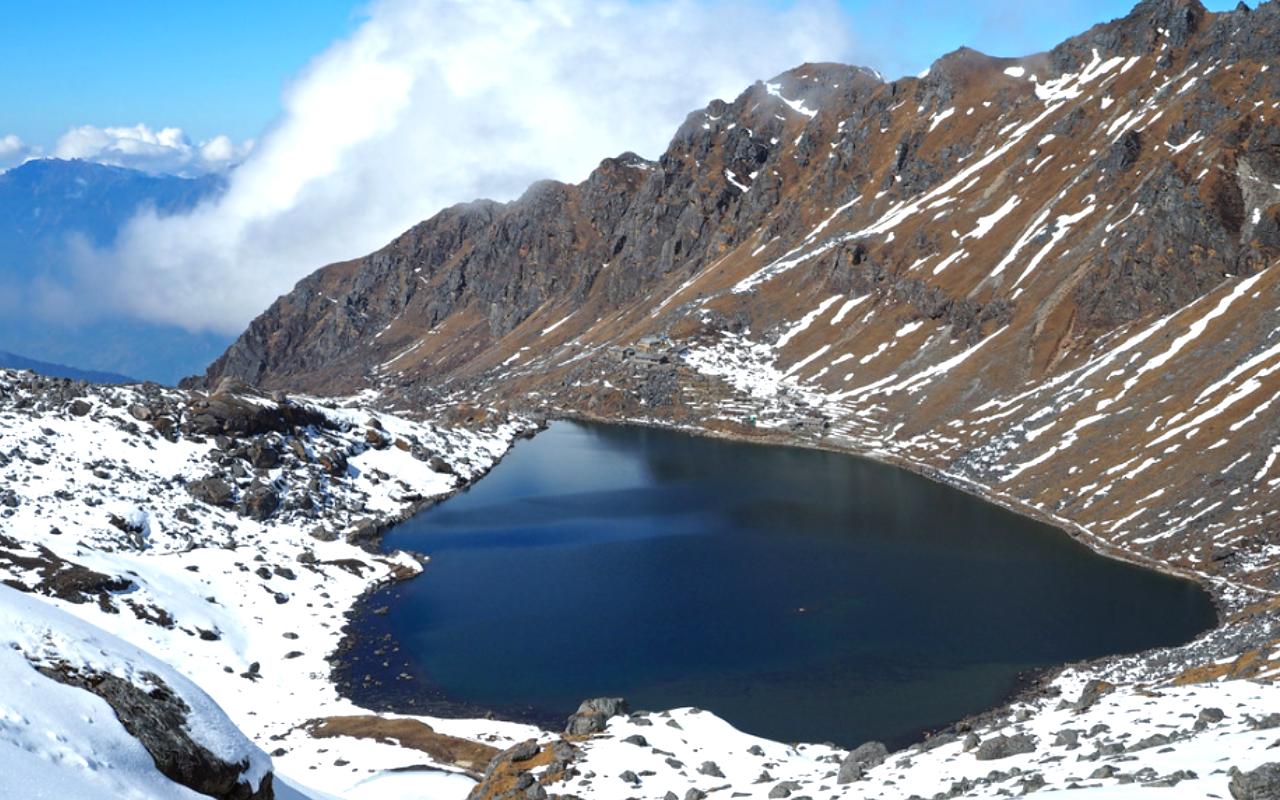
Local summer festivals like Yartung, which is a colorful horse-racing festival, are held in Mustang. These festivals enrich your cultural experience of your trip, even in the rainy season.
Autumn (September to November) – Clear Skies and Peak Trekking Season
Autumn is the most favorable trekking season in Nepal, and it is the perfect season when the first-time trekker would enjoy. The cessation of the monsoon in September makes the air cool and pure, the mountains sharp and bright, and the weather cool and comfortable.
In October and November, there are dry days, blue skies, and warm temperatures that provide trekking with a lot of enjoyment.
Autumn is the best period to arbitrarily find trail conditions. The rivers relax following the rain, the roads are solid, and High-altitude passes are usually safe to cross during autumn.
During this time, since this is the high season, the primary trails in the Everest, Annapurna, and Langtang may be crowded, and teahouses will be full within an hour. Nevertheless, the vibe in the trails is welcoming and fun, and the trekkers of various backgrounds eat and talk there in the evenings.
The autumn season is a perfect time to do traditional hikes like the Everest Base Camp, the Annapurna Base Camp, the Annapurna Circuit, Langtang Valley, and the Manaslu Circuit. Excellent mountain views are provided almost every day (in October). Even the rain shadow regions, such as Mustang and Dolpo, are a good choice, particularly in the early part of the season.
Cultural Highlights
Nepal also has a festive season in the autumn. The two largest festivals in the country, Dashain and Tihar, normally coincide with October or early November. Family meetings, music, lights, and colorful decorations make the villages and towns alive. At Tihar, houses are filled with candle lamps, and everyone celebrates animals like dogs and cows, thus making the atmosphere cozy and happy.
Some other attractions in the Everest region can include Mani Rimdu, which is a Sherpa Buddhist festival in the Tengboche Monastery, which is also associated with traditional dances and prayer ceremonies. These festivals make your trek a very cultural experience and make it even more special.
Winter (December to February) – Winter Trails and Views of Snow.
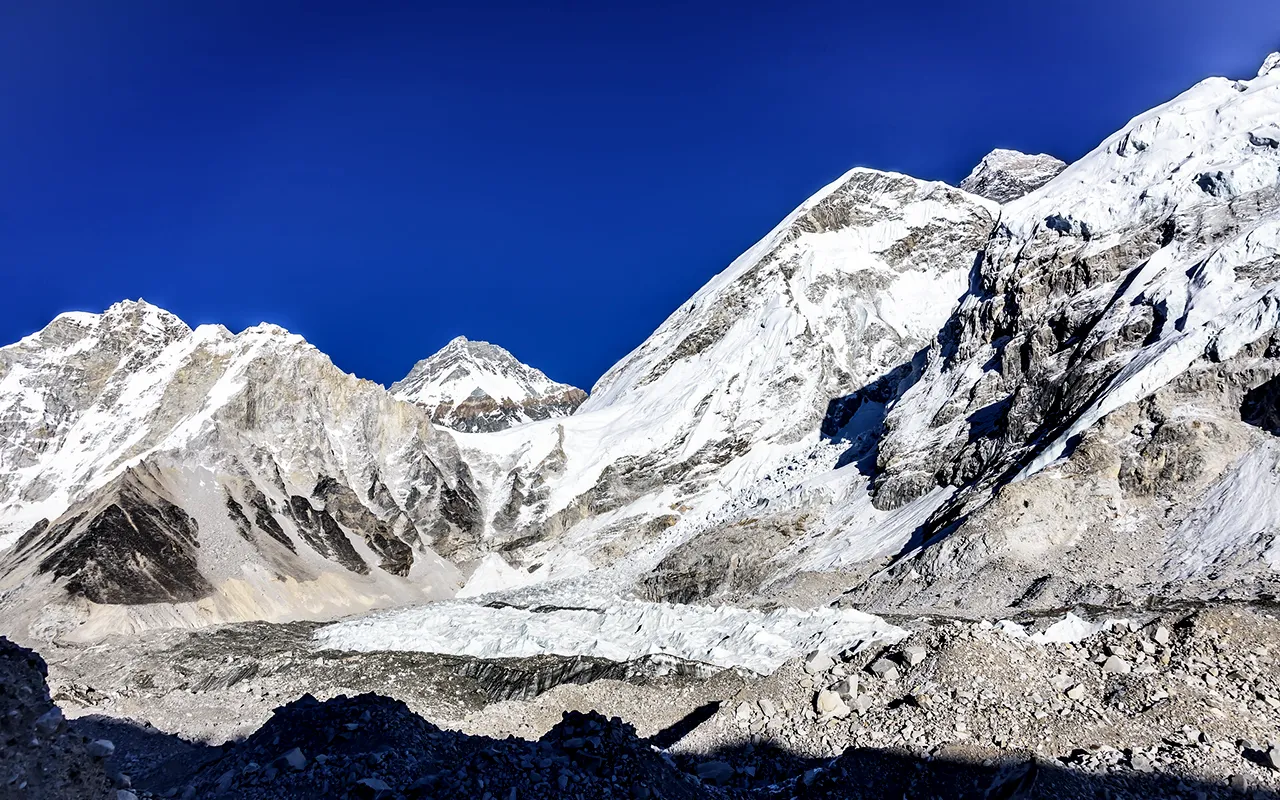
Nepal has the coldest seasons during winter, but it is a beautiful time to walk in the forest, provided one knows the right path. The skies are generally clear, the air is crisp, and the trails are quiet. Temperatures in low elevations are pleasant during the day, but evenings in high altitudes during the nights may be extremely cold. There could be snowfall, particularly during the months of January and February; thus, high mountain passes are usually closed.
In winter, the treks to lower and mid-altitude areas are best. Popular destinations include Ghorepani Poon Hill, Everest Panorama (up to Namche or Tengboche), Helambu, Lower Mustang, and even Langtang (when the weather is stable). These regions have sunny days, untroubled trails, and brilliant snowy mountain sceneries. It is necessary to have good warm clothes, and it is safer to hire a guide and walk with them during icy or snowy weather.
Solitude is also one of the greatest benefits of winter trekking. Autumn offers an opportunity to have a more intimate experience with nature and local communities since places that are busy in autumn turn out to be empty and quiet.
Cultural Highlights
There are special festivals of winter festivals that you might come across. Maghe Sankranti in mid-January is the solstice of winter and the occasion of small fairs and festive food in most villages. During the month of February, there is a celebration of Losar, which is the Tibetan New Year, in certain Himalayan communities, particularly in Sherpa villages such as Namche or Khumjung, where dances and meetings are held.
Some trekkers rave about spending Christmas or New Year in a mountain teahouse, which not only makes the winter atmosphere warm and cozy, but also gives the experience the feel of camaraderie. Overall, winter trekking in Nepal is not to be taken lightly, and one must not be afraid of the cold to enjoy the Himalayas in their calm and serene environment.
The reward of facing the cold is the trails to oneself and mountain vistas of awe-inspiring clarity. Winter may well be your season to trek in Nepal, when you are a first-time trekker who has a sense of adventure (and warm jackets!), then do the same.
Seasons Comparison: Which one suits you best?
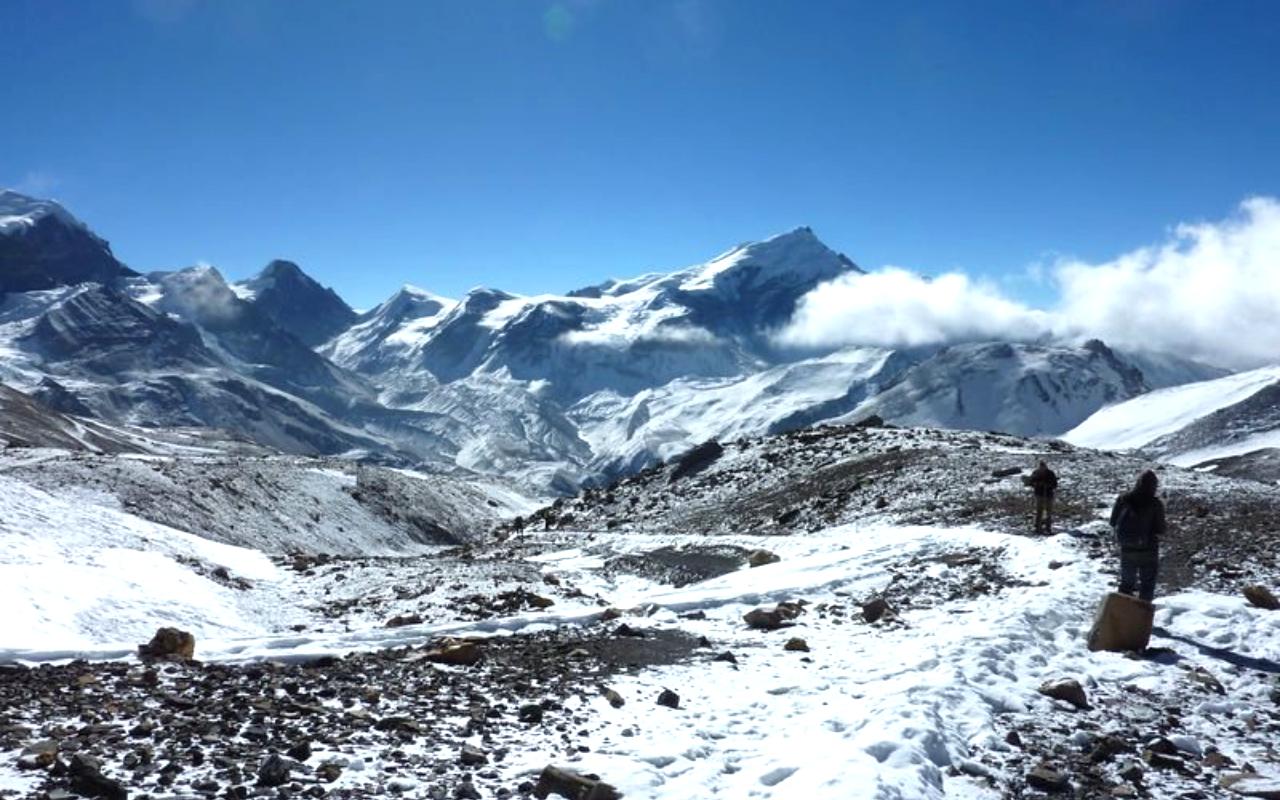
You are now aware of what each of the trekking seasons in Nepal is like; it is now easy to select the one that suits you. The whole year Nepal is beautiful, and the experience may seem much different in relation to the time you visit.
There are those who like clear skies, others like quiet trails, and some people like warm weather as opposed to cold. An amiable comparison is given below to assist you in determining the season you would feel comfortable in.
Spring (March to May)
Pros:
The days of spring are warm, pleasant, and even cool nights. The hills are brought to life with the colorful rhododendron flowers, and the forests are fresh and green. Early mornings are usually very scenic, and generally one feels good as there are usually numerous trekkers, which does not mean that there are too many to obscure the view.
Cons:
At the end of May, the atmosphere is damper and the scenery may become a little smoky. Light showers may also be experienced as the monsoon approaches.
Best for:
Ideal for travellers who enjoy nature, blooming flowers, and mild, pleasant weather. Everest Base Camp, Annapurna Base Camp, Ghorepani, Langtang, and even treks that are a bit more difficult, such as Manaslu, are the classic routes that should be done in spring. It is a perfect time to be in a case where you desire beauty and comfort simultaneously.
Summer / Monsoon (June to August)
Pros:
This is the time Nepal is put in vivid green. Forests, fields, and hills appear so green, and waterfalls are all around. The number of trekkers on the trails is minimal and thus making the experience very quiet and peaceful. Rain-shadow areas such as Upper Mustang and Dolpo remain largely dry, making the area ideal in terms of trekking.
Cons:
It rains a lot, trails are slippery, and leeches are prevalent in jungles. It is common to experience cloud cover in mountain scenery, and delays in transportation are a possibility.
Best for:
For travelers who are comfortable with some rain and prefer peaceful, uncrowded paths, this season works well. Areas such as Mustang, Dolpo, and Nar Phu offer the best conditions during this time. Beginners will be able to participate provided that they pick the appropriate area and are weather-adaptable.
Autumn (September-November)
Pros:
The weather is the most reliable in autumn. The weather is clear and fresh following the monsoon, making the mountains very visible. It is pleasant and mild, and the majority of trails are open. Nepal is also a beautiful combination of both culture and nature because it is the season of the largest festivals in the country.
Cons:
It happens to be the busiest season, and thus, popular routes may be crowded. It is advisable to book flights and accommodation in advance.
Best for:
The first-time trekkers and those who wish to get the traditional Himalayan experience. Perfect for Everest, Annapurna, Manaslu, Langtang, and numerous other walks. Autumn is the safest option when you desire to have a perfect view and wonderful weather.
Winter (December to February)
Pros:
The sky during the winter is very clear, the trails are quiet, and the scenery of snow is beautiful. The treks on lower and mid altitudes are quite enjoyable, and the sunlight is warm during the day. You can even have better fares since it is the low season.
Cons:
The nights are quite chilly, more than 3,000 meters. A few highways may be closed due to excessive snow, and the days are shorter.
Best for:
For travelers who love the refreshing coolness of the high mountain air. Best in such routes as Poon Hill, Everest Panorama, Helambu, and Lower Mustang, and even in Everest Base Camp, provided you are well-equipped and possess warm clothes. The winter season is beautiful with trekking to enjoy alone and serene moments.
What to Pack for Each Season
Travelling to Nepal with the appropriate stuff will help make your journey easier and more comfortable. The mountain weather is unpredictable, and each season is different on the trail. Spring is hot and cool in the mornings, monsoon is wet and humid, autumn is sunny and clear, and winter may be very cold at elevated places.
It is preferable that you select your clothes and gear based on the season you are going to. The light layers can be used during hot months, waterproof clothing is essential during the rainy season, and warm insulated clothes are necessary during winter. Minor things such as sun protection, gloves, or a rain cover will also go a long way.
A general guide on how to pack according to the season is provided below. These are simple goods that will enable you to be warm, dry, and comfortable during your trek.
Spring (March to May)
The days are warm, and mornings are cool during spring, hence light layers should be taken. A light jacket comes in handy during the early morning and the evening. It is possible that the sun is very strong in higher altitudes; therefore, do not forget about sunglasses, sunscreen, and a hat. Light trousers or trekking shorts would be comfortable in the daytime. A light rain jacket is also recommended in case you are hiking late in May, since it can sprinkle.
What to pack for spring:
• Light jacket
• Hiking pants or light trousers.
• Sun hat, sunscreen
• Sunglasses
• Light rain jacket (late May)
Monsoon (June to August)
In this season, it is rainy and humid, and therefore waterproof clothing is highly essential. A waterproof jacket and waterproof boots will serve to keep you dry on wet and muddy roads. Quick-dry pants are superior to cotton since they are able to dry faster. The woods can have leeches; leech socks can come in handy. When raining in the afternoon, you also need a rain cover for your backpack.
What to pack for monsoon:
• Waterproof jacket
• Waterproof boots
• Quick-dry clothes
• Leech socks
• Rain cover for your backpack
Autumn (September through November)
Autumn is dry and stable; however, mornings and evenings may be cold. Anthropomorphic outerwear, such as a warm fleece and a windproof jacket, will make you comfortable even in higher altitudes. Bring a warm coat in case of cold nights. Due to the clear and sunny skies, a pair of sunglasses comes in handy. A warm hat is also beneficial in cold mountains.
What to pack for autumn:
• Warm fleece jacket
• Windproof jacket
• Thermal layer
• Warm hat
• Sunglasses
Winter (December to February)
The coldest season is winter, and therefore warm clothes are required. A nice down jacket will keep you cozy during mornings and evenings when it is freezing. The thermal layers should be used to keep your body warm during the day. Garments like a warm hat and gloves keep you warm against the cold. In case you will be walking in a place that has snow or ice, secure microspikes. Insulated boots ensure that your feet are warm.
What to pack for winter:
• Down jacket
• Thermal top and bottom
• Warm gloves
• Insulated hat
• Microspikes
• Insulated boots
Conclusion
The best season to go trekking in Nepal is determined by the kind of experience you wish to have, but the country really has something beautiful throughout all its months year-round. Autumn or spring is the most preferable time of the year for most first-time trekkers, as this time of the year is the most reliable and offers clear views and comfortable conditions during the walk.
Autumn is with crisp blue skies and temperatures that are stable, whereas spring is with colored forests, blooming rhododendrons, and pleasant warmth. Anyway, the other seasons are also charming. It is wonderfully peaceful in winter, and the trails are quiet, and the mountain scenery is of crystal purity.
Monsoon offers green hills and dramatic scenery, and despite the wet season it can get, places such as Mustang and Dolpo are dry and are ideal during this period of the year. Each season presents a new face of Nepal, whether it is flowers of all colors or snowy mountains, or colorful festivals.
The trekking in Nepal is good in terms of views, great hospitality, and memorable experiences for all the visitors, irrespective of the time of the year. With the right preparation, spring and autumn are often considered the best seasons for trekking in Nepal, thanks to their clear skies and comfortable weather. Nevertheless, all seasons are beautiful, and Nepal is prepared to receive you whenever you are going to visit.
