
Unmissable holidays deals - Save up to 20%

 English
 Dutch
Dutch Japanese
 Hindi
Hindi Italian
 Spanish
 French
 German
 Chinese
 Korean
 Arabic
 Hebrew
 Russian
 Portuguese
 Danish
 Czech
Czech Polish
 Swedish
The Everest Base Camp Trek is one of the most popular trekking adventures in Nepal and is one of the treks with the highest number of visitors each year. The trek will lead trekkers all the way into the Khumbu region inhabited by the Sherpa people and some of the highest mountains on earth. The trek up to Everest Base Camp (5,364 m, 17,598 ft) is a dream come true for many travellers who wish to taste the taste of the mountains without climbing Everest itself.
When people start considering how they will go on the journey, one of the initial questions they ask is the cost of it. This is a question that can vary depending on factors like season, length of the trek, style of the trek, accommodation options, guide and porter services and personal spending. Many travellers opt for a more affordable option, whereas others want the finer things in life with extra services and more luxurious accommodation.
By being aware of the various costs, trekkers can have an accurate idea of what to expect and budget accordingly, as well as eliminate unforeseen expenses on the trail. This Everest Base Camp Trek Cost 2026–2027 is a detailed explanation of all the costs that are involved in going on this trek. This is the Everest Base Camp trek cost for the period 2026-2027, which explains all the costs that you will be incurring before your trek.
Understanding the Overall Everest Base Camp Trek Cost
The sum of the Everest Base Camp Trek Cost varies greatly with the organization of the trek. Most independent treks are cheaper, but it’s easier and more comfortable to hike with a trekking company. The length of the journey also determine the total cost. The duration of most itineraries is typically 12 to 16 days. Some extended trips may have extra acclimatization days and side trips.
The 2026-2027 budget will be around USD 900 to USD 1,400. The average cost of a guided trek is USD 1,500 to USD 2,500. The price of luxury trekking packages to standard trekking packages ranges from USD 3,500 to USD 6,000 or even higher, and includes top-tier lodging, a helicopter, and private guides, cooks, etc.
The costs are typically the most expensive for flights to Lukla, food, accommodation, and personal and guide expenses on the trek itself. Permit fees are required but only a small percentage of the total cost of the Everest Base Camp Trek.
Permit Costs for Everest Base Camp Trek
All trekkers entering the Everest region must obtain the necessary permits. These permitting helps the region with conservation, infrastructure, and tourism management.
The Khumbu Pasang Lhamu Rural Municipality Permit is the first to be required. The local government gives this permit for all the trekkers who enter the Khumbu region. The current rate is about NPR 3,000 per person.
The second permit that is required is the Sagarmatha National Park Entry Permit. Sagarmatha National Park is a protected UNESCO World Heritage Site that covers the majority of the Everest region. Currently, foreigners have to pay NPR 3,000 to get in.
These permits are usually combined, and the price of combining them is approximately USD 45 – USD 60, depending on the exchange rate. Permit fees can change in the future, but it is one of the lesser costs of the entire Everest Base Camp Trek Cost.
Most trekking agencies will organise trekking permits for their clients, and independent trekkers can obtain a permit either before or during their trek.
Kathmandu to Lukla Flight Cost
One of the most vital costs to factor in is the flight from Kathmandu to Lukla. Lukla is the entrance to the Everest region, and is where the majority of treks to the Everest Base Camp begin.
In the peak trekking season, many of the flights are made out of Ramechhap Airport rather than Kathmandu Airport. Ramechhap is a popular destination to stay before heading to Lukla from Kathmandu. This transfer can be additional time and expense on the trip.
The price of the round-trip tickets from Kathmandu to Lukla is usually from USD 400 to USD 500 per person. The prices of flights vary according to the availability of airlines, demand, and the price of fuel. Weather in the Himalaya is unpredictable, and sometimes delays and cancellations are observed.
Some trekkers spend an additional day or two in Kathmandu after the trek to allow for possible flight delays. The flight’s cost is quite high but is a necessary part of the Everest Base Camp Trek Cost to most visitors.
Accommodation Costs During the Trek
Teahouses are the main way to get accommodation along the Everest Base Camp route. These family-owned accommodations provide basic rooms, food, and amenities for trekkers.
The price of accommodation tends to be lower at lower elevations such as Lukla (2,860 m, 9,383 ft), Phakding (2,610 m, 8,563 ft) and Namche Bazaar at 3,440 m (11,286 ft); supplies are more easily transported at these lower levels.
These villages offer rooms that usually charge USD 5 to USD 15 per night. The higher one treks up the mountains, the higher the prices go, as it becomes more difficult to transport and fewer resources are available.
In villages such as Dingboche (4,410 m, 14,469 ft), Lobuche (4,940 m, 16,207 ft), and Gorakshep (5,164 m, 16,942 ft), room prices may range from USD 10 to USD 25 per night.
Twin beds, mattresses, pillows, and blankets are found in most rooms. Bathrooms are frequently shared, although there are some lodges that provide attached bathrooms in the lower villages. There are very few heated rooms, and generally the dining halls are the primary heated room in the evening.
The cost of accommodation for the whole trek varies from USD 120 to USD 250 per trek, depending on the length of the trek and accommodation level chosen.
Food and Drink Expenses
One of the highest costs of the trek is food. Almost all supplies must be carried into the area by porters, yaks or helicopters, and food prices rise rapidly as one moves up in altitude.
Typical breakfast foods include porridge, eggs, pancakes, toast, muesli and tea or coffee. Dhal bhat, noodles, pasta, fried rice, potatoes, soups, momos and simple western dishes are common lunch and dinner specialties.
In lower villages, the prices for meals range between USD 5 and USD 8. Generally, the price of meals will increase to USD 8–15 per meal at a higher point on the trail. The food may be more costly at the higher altitudes of Gorakshep and other high altitudes due to transportation issues.
The cost of food and beverages on the trek is about USD 25 to USD 40 per day. The typical costs of food on a two-week trek are somewhere between USD 300 and USD 550.
The Everest Base Camp Trek Cost also includes the cost of drinks. The higher the elevation, the more it costs for tea, coffee, hot chocolate, bottled water, and soft drinks. The cost of a bottle of water in Kathmandu is less than a dollar, but near Everest Base Camp, it could cost several dollars.
A large number of trekkers cut down on costs by bringing a reusable water bottle and using purification tablets or filtration methods during the trek.
Guide Fees for Everest Base Camp Trek
It is now common practice for trekkers to hire a guide in the Everest region. A guide will assist with navigation, local information, cultural understanding, and emergency support.
The normal price range for a licensed trekking guide is USD 30 to USD 45 per day. The amount generally covers the guide’s salary, expenses for food, lodging, transportation and insurance.
The average price for the guide for a normal 14-day trek is USD 420 – 630. Experience and language proficiency may warrant higher prices for private guides.
While this can make the Everest Base Camp Trek Expensive many hikers believe it’s worth every penny for the added safety and convenience. Guides are able to observe acclimatization progress and support with logistics, as well as manage issues such as bad weather or health emergencies.
Porter Costs and Benefits
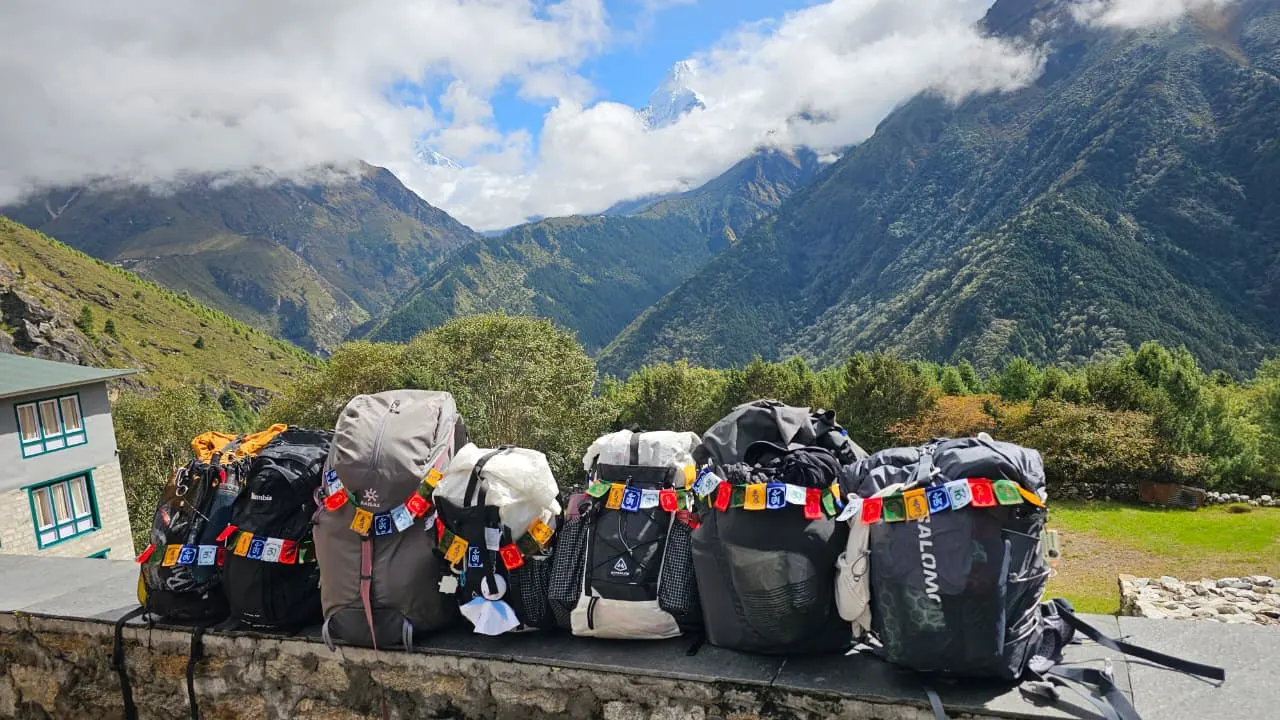
To hire a porter is also a common practice among many trekkers. Most of a trekker’s gear is carried by porters, and visitors can enjoy the trek with a lightweight daypack. A porter can carry 20-25kg which is usually distributed between two trekkers. The daily cost of the porter is between USD 20 and USD 30.
The typical price for porters for an Everest Base Camp trek is approximately USD 250 to USD 400. It’s not a requirement to hire a porter, but it can greatly enhance your trek experience, especially for those who aren’t used to high-altitude backpacking.
For those who are looking for a more comfortable trek experience, the cost of a porter should definitely be included in the Everest Base Camp Trek Cost.
Equipment and Gear Costs
This will vary according to the trekking equipment available to each traveller. Must-have items include trekking boots, thermal layers, waterproofs, gloves, hats, sunglasses, sleeping bags, and down jackets.
If a person has appropriate trekking material, they might spend hardly anything prior to the trek. For first-timers, however, they will need to buy equipment, which can range from USD 200 to more than USD 1,000.
There are many rental shops in Kathmandu for visitors to rent down jackets, sleeping bags, trekking poles and other items. It is often more cost-effective to hire gear if one does not plan to go on a regular basis.
Comfort and safety equipment is critical, especially when skiing at higher elevations where temperatures can drop significantly below freezing at night.
Additional Expenses During the Trek
In addition to the high costs, there are a number of smaller costs along the way. Many teahouses offer hot showers, usually for USD 3 – USD 8. Phone, camera and power bank charges range from USD 2 to USD 5. In many villages there is internet access; availability of connection varies and is often expensive, from 3 to 10 USD.
There are some villages below where laundry services are offered, but most trekkers wash smalls by hand or wait until they get back to Kathmandu. There are surprisingly high snack prices at higher elevations, including chocolate bars, energy bars, and soft drinks. Getting snacks in Kathmandu before the trek can save money.
These small expenses are an aggregate of one another and can make a significant impact on the amount of the Everest Base Camp Trek Cost.
Travel Insurance Costs
One cost that is never to be forgotten is travel insurance. The Everest region is high-altitude trekking, remote and subject to weather conditions. An appropriate policy should include helicopter evacuation and trekking above 5,000 m (16,404 ft). Medical evacuation can be very costly in the Everest region without insurance.
The price of insurance policies ranges from USD 100 to USD 300 and depends on various factors such as coverage level, nationality and age. This comes in addition to the base camp Everest cost but provides a lot of economical safety and tranquility.
Trekkers should read the policy carefully before buying it, checking the policies for coverage limits and making sure that high altitude trekking activities are covered.
Budget, Standard, and Luxury Trek Options
Those who trek on their own and stay in basic teahouses may cover the cost of the trek at around USD 900 to USD 1400. Typical budget covers permits, flights, lodging, meals, and some extra costs. The average amount for a guided trek is between USD 1,500 and USD 2,500. This is the most favored option, as it provides a balance of comfort, safety and value.
Luxury trekking is the style of trekking that includes better accommodation, better service, private guides, helicopter transfers, and even more flexibility. The price of such trips ranges from USD 3,500 to over USD 6,000, depending on the level of luxury offered. It’ll be subject to individual tastes, level of experience, and travel objectives.
How to Reduce Everest Base Camp Trek Cost
The following are some good ideas to keep costs down while still enjoying the experience. Many people find that they can find better rates for their flights and trekking service if they book in advance. Renting equipment as opposed to buying brand new equipment can likewise save lots of cash.
Water purification systems can help to lower daily expenses as compared to buying bottled water. Another good way of keeping expenditures under control is to bring in snacks from Kathmandu.
Sometimes it is possible to find cheaper and more available tickets during less busy times of the year. Weather conditions should always be taken into account when choosing trekking dates.
By carefully planning and budgeting travelers can ensure that they are able to make the most of the Everest Base Camp Trek while keeping the cost within a comfortable range.
Conclusion
The Everest Base Camp Trek is an amazing trip through one of the most popular mountain regions of the world. The trek is filled with memorable experiences from the Sherpa villages and ancient monasteries to the dramatic scenery of the Himalayas.
The cost of the 2026-2027 Everest Base Camp Trek can depend on various factors. It includes the type of trek, the duration of the trek and the preferences of the individual. The budget for a comfortable guided trek is USD 1,500 to USD 2,500. If you prefer a budget or luxury trek, they are available.
Knowing the costs of getting a permit, flying to the mountains, staying at overnight hotels, the cost of food, guide fees, porter fees, insurance costs and what you are going to need for personal spending can help you avoid any unpleasant surprises or make an accurate budget. If organized correctly, the Everest Base Camp Trek is still among the best adventures in Nepal and many people would give a lot for it.

Table of Content
- Understanding the Overall Everest Base Camp Trek Cost
- Permit Costs for Everest Base Camp Trek
- Kathmandu to Lukla Flight Cost
- Accommodation Costs During the Trek
- Food and Drink Expenses
- Guide Fees for Everest Base Camp Trek
- Porter Costs and Benefits
- Equipment and Gear Costs
- Additional Expenses During the Trek
- Travel Insurance Costs
- Budget, Standard, and Luxury Trek Options
- How to Reduce Everest Base Camp Trek Cost
- Conclusion