
Unmissable holidays deals - Save up to 20%

 English
 Dutch
Dutch Japanese
 Hindi
Hindi Italian
 Spanish
 French
 German
 Chinese
 Korean
 Arabic
 Hebrew
 Russian
 Portuguese
 Danish
 Czech
Czech Polish
 Swedish
Introduction
Mount Everest, towering at 8,848.86 meters (29,031.7 ft) tall, is the tallest mountain on Earth. Its height and terrain symbolize the edge of human limits and human exploration.
The Everest attracts many travelers because of the scenery and the experience. Many people feel it is a test of mental and physical strength, with excitement thrown in when you reach the rooftop of the world.
Anyone planning to have a trek or climbing experience on Everest should understand the most essential facts, including the atmospheric altitude and conditions faced by climbers. It is critical to learn these facts to have safe and successful adventures to the iconic mountain.
This guide highlights the critical information every traveler should know to stay safe, prepared, and inspired when exploring the world’s highest peak. It is geared toward equipping the explorers with the necessary information to value the dangers and the charms of the legendary giant of Nepal and Tibet.
Mount Everest at a Glance
Mount Everest is 8,848.86 meters (29,031.7 ft) above sea level, which was measured by both China and Nepal in 2020. Everest is situated on the Nepal-Tibet border of the Himalayas in the Mahalangur Himal sub-range.
The landscape is captivating with its steep slopes and gorgeous appearance, and draws trekkers to enjoy the awe of the Everest landscape for themselves. In the local context, Everest is called Sagarmatha in Nepali (“Goddess of the Sky”) and Chomolungma in Tibetan (“Mother Goddess of the World”).
The area is of great spiritual significance to those who reside in the range and live in the shadow of Mount Everest. The associations the goddess names reflect the deep faith associated with the Everest peak.
The first successful ascent of Everest was accomplished in 1953 by Sir Edmund Hillary and Tenzing Norgay Sherpa. This achievement represents one of the greatest accomplishments in modern mountaineering history. The victory continues to be one of the essentials of Everest facts glory to the mountaineers around the globe.
Everest expeditions are dominated by two major routes of climbing: the South Col route via Nepal and the North Col route via Tibet. These directions are at the center of Everest facts for travelers planning climbs.
Altitude and Acclimatization
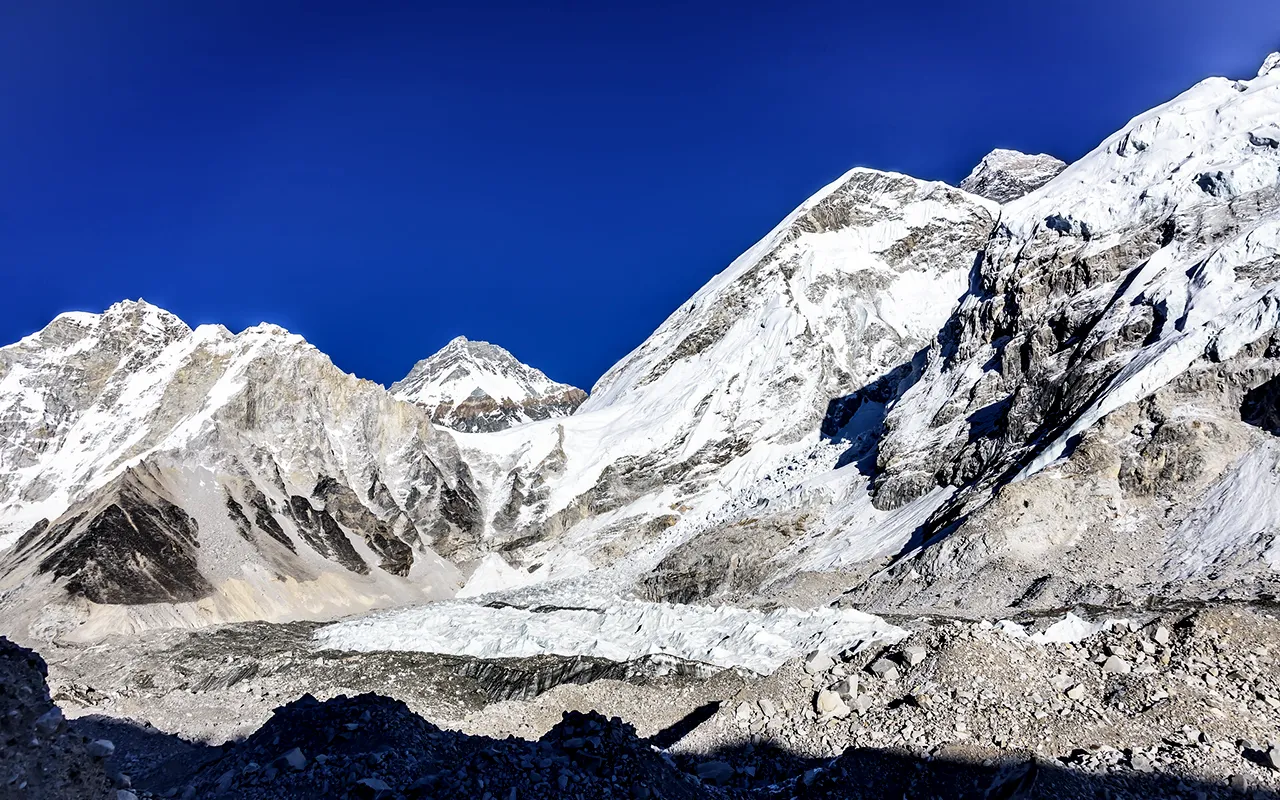
The altitude has a significant impact on the trekkers and climbers on the Everest, making the body unable to perform its functions. The Everest facts reveal that it is more difficult to engage in physical activity due to the decreased oxygen, so careful preparation is important to cope with the thin air at high altitudes.
A normal trek to Everest Base Camp will take on a steady ascent, with rest days to acclimatize. These measures are necessary to minimize health risks at the altitudes during the climb.
In the Everest Base Camp (5364 meters), the oxygen level is about 50% of sea level. This is a major decrease that is among the main Everest facts that affect the safety and physical stamina of travelers.
Acute Mountain Sickness (AMS) is prevalent in high-altitude areas with such symptoms as headache, nausea, and dizziness. It is very crucial to identify these symptoms early and use preventive measures to be on the safe side. Ignoring these signs can lead to serious complications such as HAPE (High Altitude Pulmonary Edema) or HACE (High Altitude Cerebral Edema).
“Climb high, sleep low” to give time for the body to acclimatize to less oxygen. Ignoring this puts climbers at high risk for developing severe altitude sickness because pacing yourself is most critical for trekkers and climbers.
Weather and Climate of Everest
The best seasons to visit Everest are spring (March–May) and autumn (September–November), offering clear skies and stable weather. The seasons are good times for safe and enjoyable climbing experiences.
The temperature at Everest Base Camp ranges from -10 °C at night to around 5 °C by day. This is a cold, yet bearable environment for the trekkers. Near the summit, winter temperatures can plummet to –60°C with hurricane-force winds exceeding 150 km/h. Knowing such ranges of temperatures is significant regarding adequate equipment and training.
During winter, the temperature at the summit may reach -60 °C, and it becomes exceptionally risky to climb. These extreme cold situations define the essence of the Everest facts, notifying the climbers about the harsh environment, over 8,000 meters above sea level.
The monsoon (June–August) brings heavy rain to lower valleys and snow at high altitudes, increasing the risk of landslides and avalanches. Climate change is also altering snow patterns, glacier melt, and climbing safety in the region. This climate condition has a great influence on Everest tour arrangements.
Winter is extremely cold with a strong wind that usually stops expeditions. The effects of the changing climate cause unstable conditions of snow and glaciers that present new challenges to the environment of Everest and the future of its safety on trekking.
Trekking and Climbing Challenges
High altitude and low oxygen levels
The trekking and climbing of Everest is quite demanding because of the high altitude and low oxygen levels. The facts on Everest highlight that the body has a hard time acquiring sufficient oxygen, which means that it requires acclimatization and health monitoring to avoid getting altitude illness.
Adapting to this environment requires patience and proper pacing. The inability to acclimate may cause serious symptoms, and it is important to know the facts about Mount Everest’s altitude to both the trekkers and the climbers who wish to summit.
Unpredictable weather and strong winds
The weather in Everest is extremely unpredictable, and its storms and vicious winds come at any time. Additionally, trekkers have to prepare for 6-8 hr trekking days and 3-4 weeks of expedition preparation. Powerful winds may become hurricane speed, challenging the life and stamina of the climbers.
Such severe conditions tend to slow down or halt expeditions; hence, trekkers have to arrange flexible time schedules. Knowledge of Everest facts concerning weather variations will enable the adventurers to be prepared for the abrupt variations along the way.
Physical endurance and fitness requirements
Fitness and physical stamina are needed to address the extreme conditions on Everest. Extraordinary cardiovascular fitness is necessary for long walks on harsh ground under extreme conditions.
Pre-training before the journey increases the possibility of success and survival. The Everest facts emphasize that fitness is essential because when one is tired, they are prone to getting injured and altitude sickness due to fatigue.
Technical sections (Khumbu Icefall, crevasses, etc.) for climbers
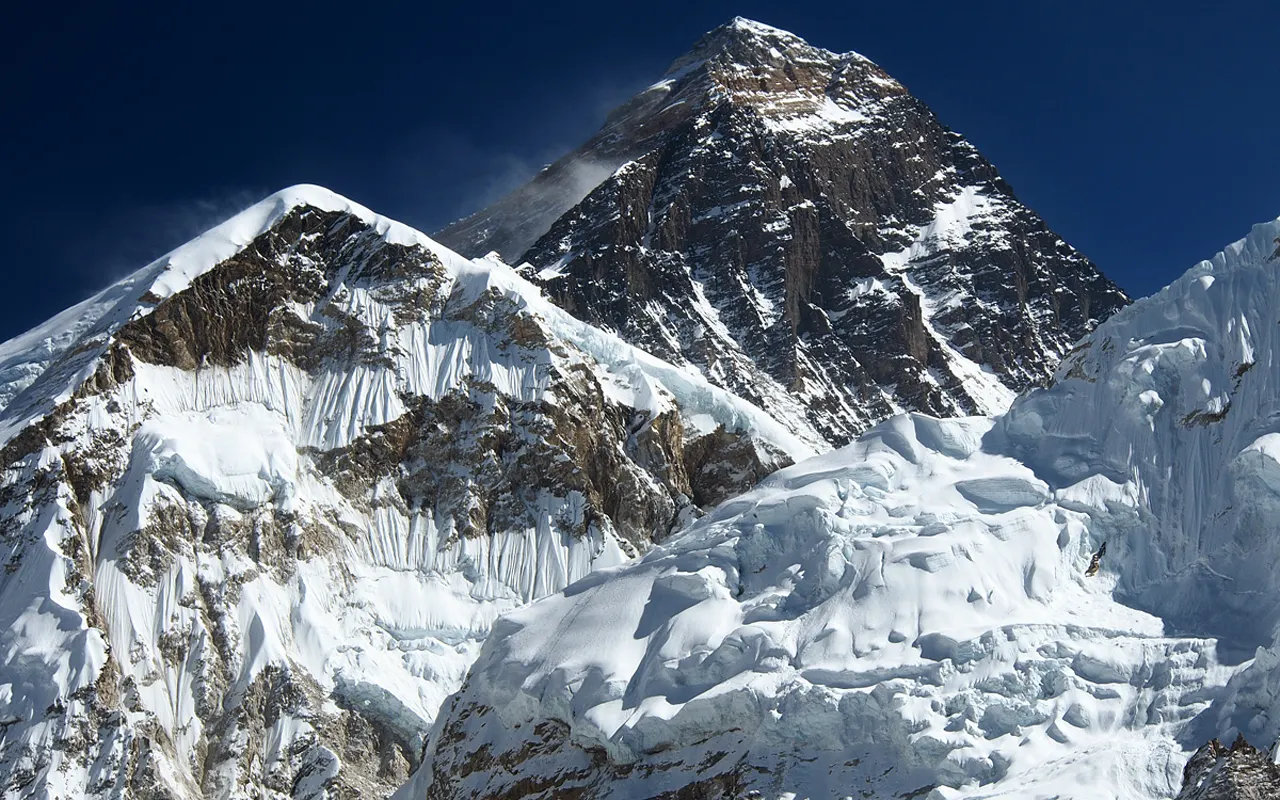
There are technical sections, such as the Khumbu Icefall, that pose great danger. The moving seracs and deep crevasses found in the icefall require the possession of an advanced skill level by the climbers. These were challenges debated about the southern route.
Highly professional training and guides, as well as equipment and experience, are really helpful in getting through these areas safely. Everest facts bring out the fact that these areas are quite risky and unpredictable, even to experienced climbers.
Health risks: frostbite, hypothermia, altitude sickness
Frostbite, hypothermia, and extreme altitude sickness are some of the health hazards. These risks increase with the altitude; therefore, personal health care is a priority for all travelers.
Preventive measures, timely descent during illness, and proper gear are important. Everest facts are as reminder to climbers that disregard for such health hazards may lead to emergencies that may risk life.
Logistical challenges: limited connectivity, rescue costs, permits
Logistical challenges involve poor communication and hard evacuations. The cost of rescue is staggering, as is the process of permission-taking, where all essential information must be considered in establishing the facts of Everest for the aspiring mountaineers.
Travelers have to take insurance and use qualified agencies. Understanding logistical challenges helps to prevent expensive and risky complications in the expedition.
Tips for Travelers and Trekkers
Before your trek, you will need to train for at least 3 or 4 months to build endurance. Regular training will lower the risk of being injured and will increase your success percentage on Everest.
Ascend gradually and stay well hydrated to minimize altitude sickness. This will assist in your body adjusting to low oxygen levels, thus reducing the chances of altitude sickness.
Carry medication such as Diamox (acetazolamide) against the Acute Mountain Sickness (AMS) and seek medical advice beforehand. Minor symptoms might be turned into serious medical problems when one is not ready to take them into account.
Always ensure your travel insurance covers helicopter evacuation. Such protection is necessary because Everest is remote and difficult to reach.
Honor the local Sherpa culture and eco-friendly travel practices, carry reusable water bottles, and do not litter. Follow sustainable tourism, as it tends to have the groundwork to preserve the Everest for future generations.
Interesting Facts About Everest (Quick List)
Each year, geological uplift resulting from the collision of the Indian and Eurasian tectonic plates causes Mount Everest to grow about four millimeters taller. The growth of Everest is a cool example of its natural evolution and is an interesting Mount Everest fact.
Jet streams, which are wind streams high in the atmosphere near the top of Mount Everest, can reach speeds of up to 200 kilometers per hour. The jet streams can create dangerously intense winds, as intense weather plays a role in creating one of the most intense and difficult facets of Mount Everest, facts for climbers.
There are over 6,000 summits of Mount Everest to date, placing Everest as the most summited peak above eight thousand meters. This is noteworthy and is a number that is circulated in the Mount Everest facts related to human will and determination.
Approximately 300 climbers have died trying to climb Everest, which is a somber statistic and a necessary Mount Everest fact that presents the dangers of making an ascent and not being prepared for danger.
Trash collection and clean-up efforts continue on Mount Everest now that more climbers are visiting, creating more trash on the mountain. Environmental projects are included in new-age Mount Everest facts to continue to preserve and enhance the beauty of the mountain.
Conclusion
For every traveler to be safe and successful, knowledge of the altitude, weather, and challenges of Everest is vital. Being equipped with some key facts about Everest; its height, unpredictable weather, and the challenges of climbing it, provides every traveler with the knowledge and skills to prepare wisely and safely.
If you have trained, equipped, and been guided properly, you can safely enjoy the world’s highest mountain and the local culture while respecting the fragile mountain ecosystem. Responsible travelers have an opportunity to have a great experience in their journey, reducing the health risk and the impact on the natural environment of the vulnerable mountain ecosystem of Everest.
