
Unmissable holidays deals - Save up to 20%

 English
 Dutch
Dutch Japanese
 Hindi
Hindi Italian
 Spanish
 French
 German
 Chinese
 Korean
 Arabic
 Hebrew
 Russian
 Portuguese
 Danish
 Czech
Czech Polish
 Swedish
The Everest Base Camp trek is widely famous and considered one of the ultimate Himalayan adventure experiences. Everest Base Camp is situated in the Khumbu region of Nepal, often offering breathtaking views, Sherpa tradition, and challenges that thrill everybody’s mind.
The mix of forest and glaciers brings a new experience each and every day. The journey to Everest Base Camp is not about trekking, but it is about feeling the adventure, culture, hospitality, and reward after completing the whole journey. This blog will guide you through the top things to do on your Everest Base Camp trek; this blog ensures to make every moment of yours memorable.
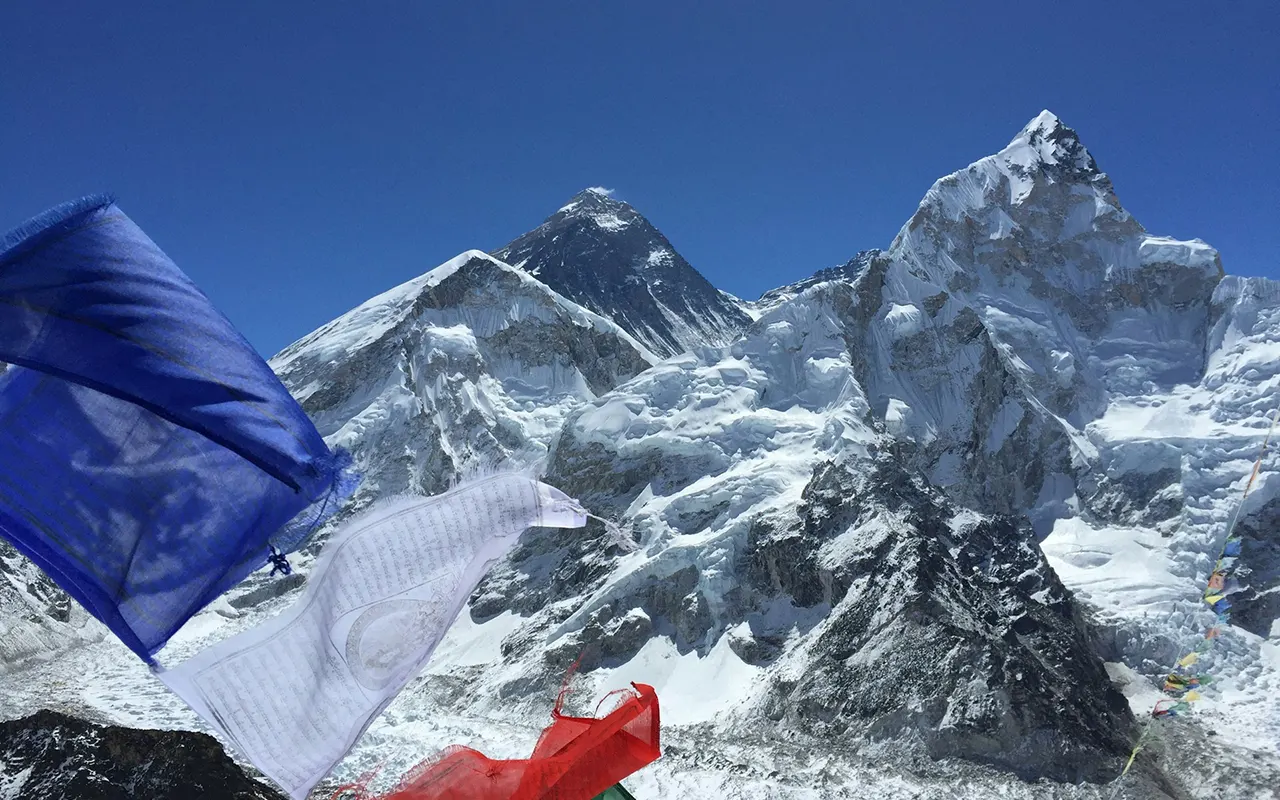
Things to do on Everest base camp trek
Trek through Picturesque Sherpa Villages
The Everest Base Camp trek begins at the small town of Lukla, often famous for its dramatic landscapes and vibrant atmosphere. From Lukla your trails lead you through beautiful villages like Phakding, Namche Bazaar, and Tengboche. Each village has its own importance, and each of them is unique on its own. Colorful flags, prayer flags, stone houses, and cozy tea houses in these villages may differ.
Namche Bazaar is a Sherpa hub, and the market, cafe, and views are totally commendable. To make your experience even more interactive, try communicating with locals and learn about the Sherpa lifestyle.
Visit Buddhist Monasteries
Buddhist culture matters the most to the people, as it holds the whole community together as one. Along the trek you can feel the vibe of Buddhist culture; prayer flags represent peace and the sense of spirituality. Tengboche Monastery, which is situated at 3860 meters, is known as one of the most spiritual and beautiful spots on the entire route.
From this monastery you will be able to get the panoramic views of mountains like Ama Dablam and Everest; the beauty of this mountain provides spiritual insight in the peaceful and sound environment. There are lots of things to be noticed here, and some of them are spinning prayer wheels and monks who are performing rituals.
You should enjoy all these moments and monuments before starting your trek. Visiting sacred monasteries allows you to cleanse your soul and appreciate the spiritual energy and dimension of life in the Himalayan region.
Acclimatization Hikes
Altitude Acclimatization is one of the important factors to be considered while trekking to Everest Base Camp. Don’t think that acclimatization is a waste of your time, but think positively, as acclimatization or rest days are your opportunity to enjoy the panoramic views.
To enjoy the stunning views of Everest, Lhotse, and Ama Dablam, you can hike up to Namche Hill or Khumjung Village. This hike will help your body to escape pressure and to adjust to the surroundings while maintaining your adventure schedule.
If you want a shorter trek that offers you panoramic views, you can try attempting the hike to Thame and Tengboche. Acclimatization days are not a waste of time, but take this day as an opportunity for you to experience adventure, and it helps you to prepare for the high-altitude trials trek.
Marvel at Himalayan Peak
The Khumbu region is home to the world-famous peaks. This region is often considered the living museum of some of the world’s famous peaks. Throughout your trek you will be able to see some of the famous mountains like Everest at 8848.86 meters, Lhotse, Nuptse, and one of the elegant peaks, Ama Dablam.
One of the important suggestions for photography and videography is to try taking pictures early in the morning or In the evening, this is where the sun’s rays strike the White Mountain peaks and reflect the green pine forest.
Each valley looks different in different light. Nature itself will show you how beautiful this region really is. Keep your camera ready to get the best views of the nature along with traditional houses, prayer flags, and striking mountains.
Explore Glacial Landscapes
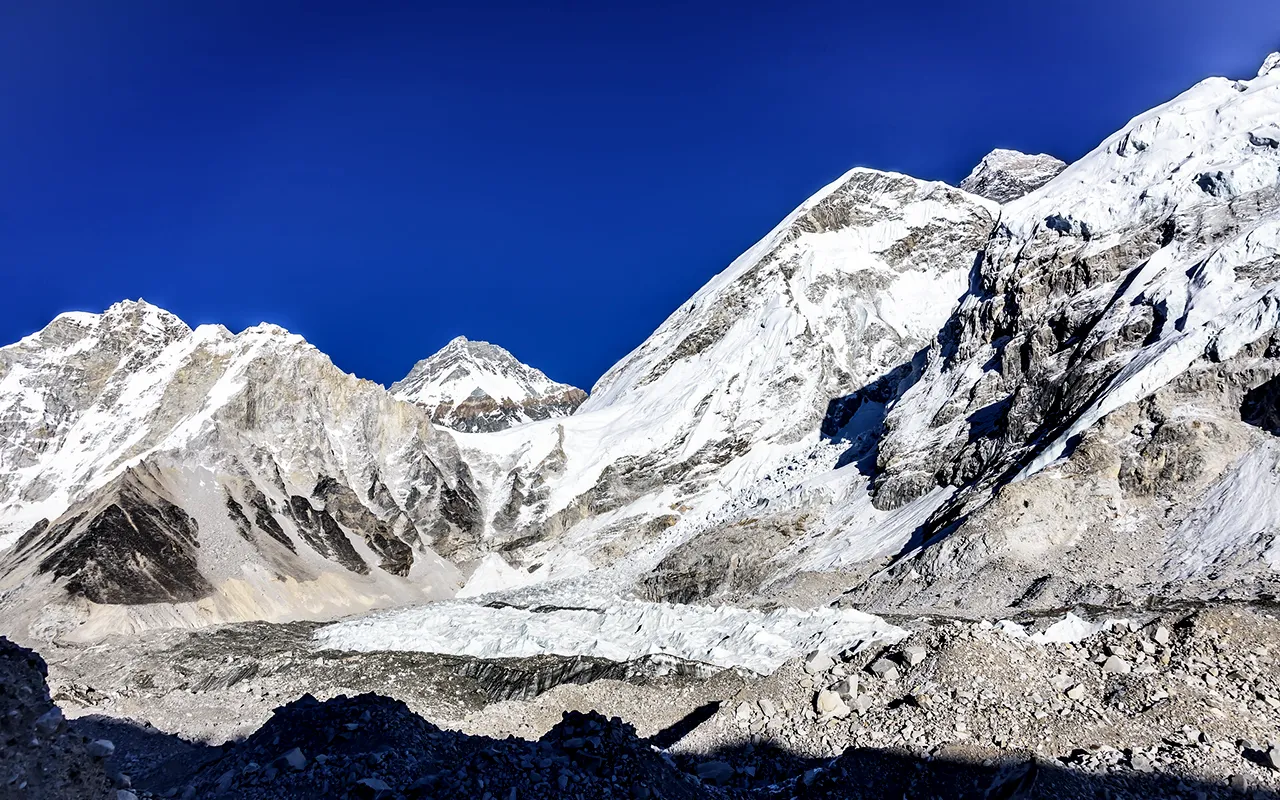
As you trek to the higher altitude, the green forest and the vibrant landscapes turn into icy and rugged terrain. Near Everest Base Camp and Gorak Shep, the landscapes and beauty are dominated by Khumbu Glacier. Walking along and beside the massive glacier rivers, ice formations and moraines will add a new flavor to your experience.
This whole walk through the massive and beautiful landscapes remains unforgettable. Sounds of walking through snow, cracking ice, and the melody of peace will remind you of icy landscapes and mountain regions’ raw beauty. The high altitude of the landscapes reminds you of the beauty that is extreme, rare, and one of the most dramatic sights of the whole journey.
Experience of Local Cuisine
Trekking is not only about walking through the high landscapes and watching the scenery, but it is also about tasting the local food that makes you energetic. To warm yourself up, try authentic Sherpa tea, which is served salty and buttery; it will help you boost up energy in cold mountain air. Momo is a Nepali delight; every Nepali person is fond of this food.
Try to treat yourself with it. Dal Bhat (with vegetables and lentils) will provide you energy throughout the day. Try locally produced yak cheese and other dairy products. Eating a local delicacy at the tea house and enjoying the unforgettable part of your journey, which builds your culinary experience.
Visit the Everest Base Camp
Reaching Everest Base Camp (5,364 meters) is the major mission of this whole trek. This is the biggest highlight of this whole trek. The feeling after you stand at the foot of the world’s highest peak feels unreal. The whole camp area is filled with colorful prayer flags and some tents. You will be able to see expedition tents mostly during the climbing season.
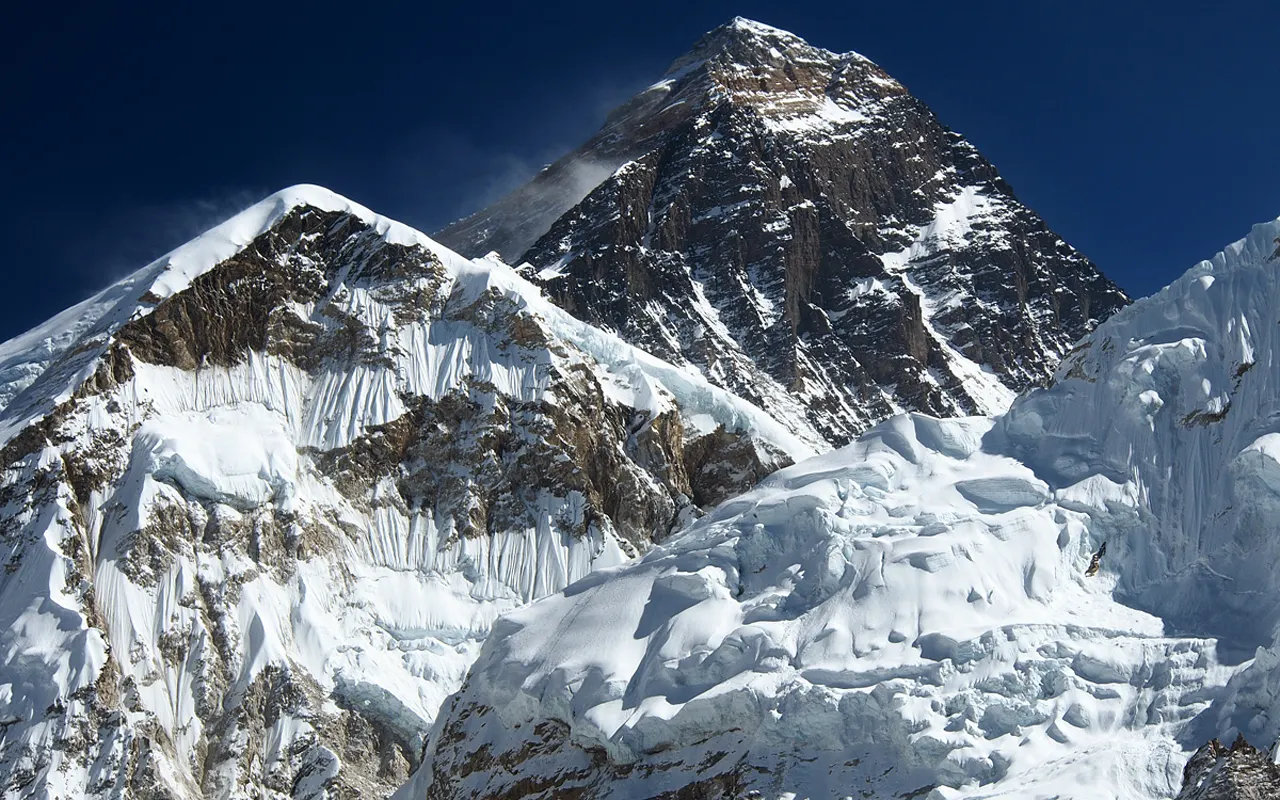
Reaching Everest Base Camp is a dream for every mountaineer, and every trekker on the camp side will connect you with your dream and decades of Himalayan history. As a picture of Capture as much as you can, soak yourself in the Himalayan air, and feel the achievement make your tour iconic.
Hike to Kala Patthar
Everest Base Camp is about being on the world’s highest peak and feeling the achievement, and Kala Patthar is about seeing the glory of your achievement from the height of 5,545 meters. This part of the trek is optional but is highly recommended, as it will give you the best view of sunrise up to the Everest region and other peaks surrounded by it.
Early morning hikes are popular, as you get to see the sunrise from the Himalayas; this moment is unforgettable for photographers and nature lovers. An early morning trek to see sunrise up to Everest from Kala Patthar is ideal for you if you love nature.
Capture Memories and Photography
Every part of the trails offers you a unique beauty, which is ideal for photography. Photography opportunity is vast. You can document the beauty of this region, from the village life of people living in the Himalayan region and colorful villages to vibrant mountain peaks. Each and every part of this region is worth documenting.
Blogging and journaling are better means of documenting your journey; they will give you an opportunity to earn money as well, as most of the people love to watch videos that showcase the mountain life of people and mountain beauty. Videos will express those things that can’t be expressed by any photos.
If you are used to drone shoots, then try checking on local rules before capturing it. Some areas are restricted, especially around monasteries and some protected zones. Whatever method you use to capture your memories, try considering the rules and regulations of the certain areas.

Everest Base Camp Trek 14 days
The Everest Base Camp trek is widely famous and considered one of the ultimate Himalayan adventure experiences. Everest Base Camp is situated in the Khumbu region of Nepal,...
14 Days
Moderate
US$ 1650
Practical Tips for Trekkers
Trekking in the Everest Base Camp needs better mental and physical preparation. Here are some of the tips that might help you to plan your trips efficiently.
Best Seasons for Trekking
There is always a proper timing and season for trekking; just like that, there is a perfect and worst timing for trekking at Everest Base Camp. Two of the favorable seasons to do trekking on Everest Base Camp are spring (March to May) and autumn (September to November). These seasons are popular yet rewarding. Spring season will offer you vibrant nature filled with blooming rhododendron, crystal-clear sky views, and mountain views.
On the other hand, autumn season will offer you great visibility of mountains and safe trails. The winter season, December to February, is cold and snowy and with slippery trails, condition in winter season is harsh and best for adventure seekers. The monsoon and summer season, June to August, is the worst season to do trekking because of the burning risk of heavy rain, flight delays, floods, delayed treks, and blurred visibility.
Essential Gear and Clothing
Gears and clothing essential to determine your safety and health. Bring proper layered clothing; thermal base layers are essential. Bring fleece jackets and waterproof outerwear. Pick up some good hiking boots that have good grip. Other essential wears include gloves, sunscreen, sunglasses, UV protection layers, trekking poles, hats, and sleeping bags that can help you survive subzero temperatures. Always make your backpack light; bags must be durable so they can survive throughout your whole journey.
Health and Safety Precautions
Altitude sickness is the biggest and most life-threatening concern when you are trekking in the highest region, where the level of oxygen is low. To be safe from altitude sickness, take your acclimatization days seriously and never ignore altitude sickness symptoms like headaches, nausea, and dizziness. Always keep yourself hydrated, as dehydration can cause altitude sickness. Drink at least 3 to 4 liters of water daily. Carry a first aid kit and a small medical kit, which consists of pain relievers, blister plaster, and altitude sickness medicines. Try issuing travel insurance that covers emergency evacuation while doing high-altitude trekking.
Responsible Trekking
As a trekker, you must respect the environment and local culture. Follow the slogan “Leave no Trace.” Clean the environment; don’t throw waste here and there, dispose of the waste properly, and minimize the use of plastic bags or anything related to plastic components. Respect the decisions of local people, try asking them before capturing their pictures, and support local businesses and local teahouses. Make the Everest region welcoming for future generations as well; your first impression will last forever in the hearts of innocent local people.
Food and Hydration
Nutrition plays a huge role, as it keeps your energy up. To boost up your energy and make your appetite full, try eating local foods like Dal and Bhat with vegetables. Take energy supplements with you so that you can eat during your trek. Snacks like nuts, chocolate, and energy bars are easy to put in pockets or inside your bags. It’s highly recommended that you should avoid alcohol, smokes, and caffeine, as they dehydrate your body. Carry water purifier tablets to consume clean water.
Mental Preparation and Physical Preparation
You need both physical and mental preparation to reach your trekking goals. Prepare yourself mentally by doing yoga, meditating, and thinking positively. For physical preparation try doing cardiovascular activities and perform hiking in lower regions. Focus on achievements, not efforts.
Conclusion
The Everest Base Camp trek is a dream for every trekker. Stepping foot on the tallest mountain in the world is a huge achievement. This trek is more than just a hike; it’s a transformative journey through Himalayan lifestyle, rugged and raw Himalayan beauty, and spectacular landscapes. This journey is also an educational journey, as you get to interact with Sherpa people, also known as one of the bravest people. Colorful prayer flags and monasteries will make this journey spiritual. From monasteries to local cuisine, you get to experience it all. You will get an opportunity to capture the vibrant beauty of mountain landscapes and villages.
If you choose the right season, you will get extra enjoyment and a chance to enjoy each side of the mountain. You will create memories of a lifetime. Whether you are an adventure seeker, a cultural lover, or someone who loves mountaineering, the Everest Base Camp Trek is the best fit for you.
Are you ready to step on the world’s highest mountain to enjoy your achievement?

Table of Content