
 English
 Dutch
Dutch Japanese
 Hindi
Hindi Italian
 Spanish
 French
 German
 Chinese
 Korean
 Arabic
 Hebrew
 Russian
 Portuguese
 Danish
 Czech
Czech Polish
 Swedish
Have Questions?
+977 9767224414
Unmissable holidays deals - Save up to 20%
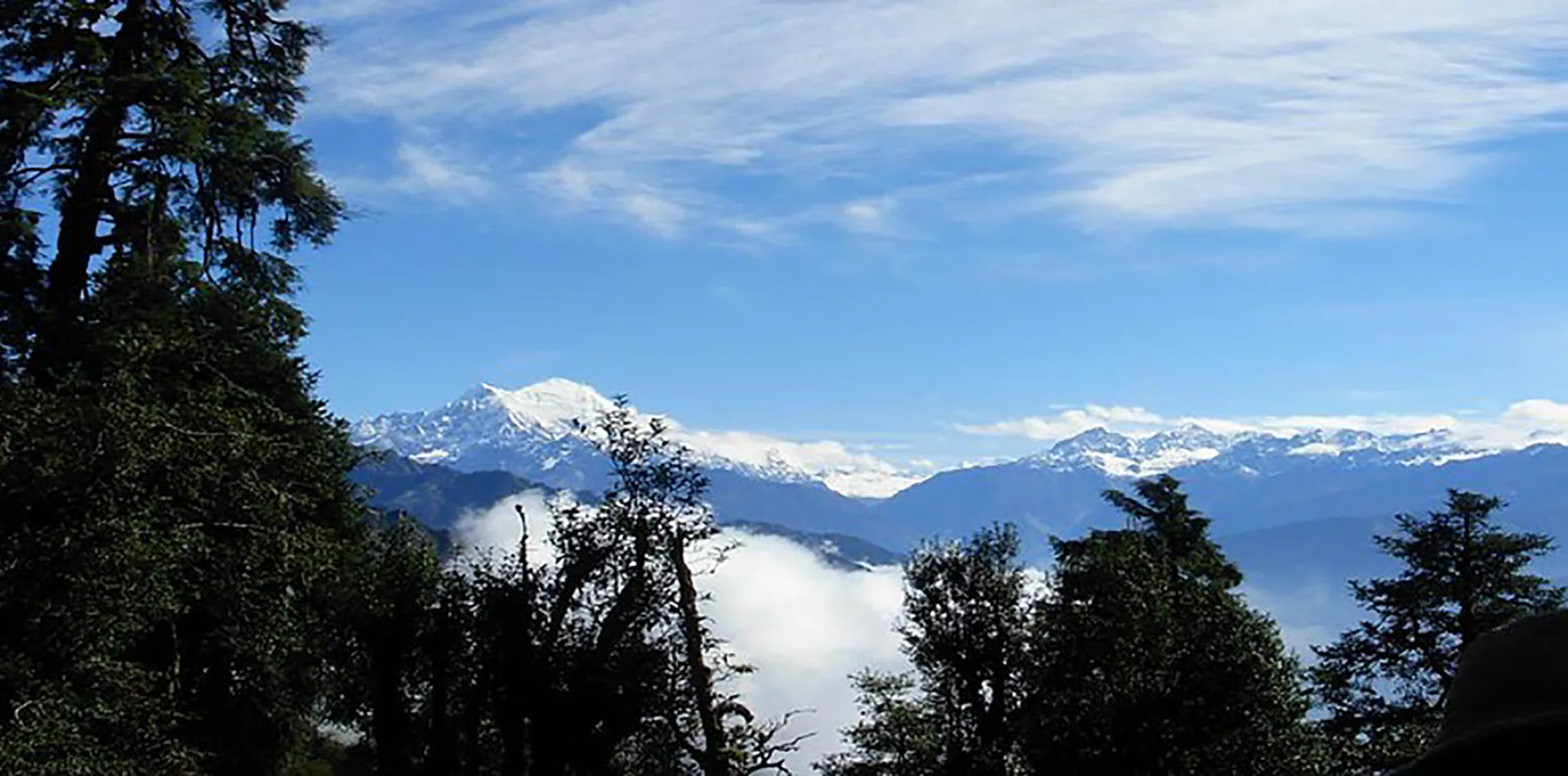
Ganesh Himal Trek – 15 Day

Duration
15 Days

Trip Difficulty
Moderate

Max. Altitude
4,100m

Destination
Nepal

Group Size
2-16

Accommodation
Hotel, Tea House

Transportation
Bus

Meals
B L D
Explore more facts about the trip
Overview of Ganesh Himal Trek – 15 Day
The Ganesh Himal Trek is a scenic 15 day exploration into one of the most serene and unexplored mountainous areas of Nepal. The route is a pleasant blend of culture and nature passing through traditional Tamang villages, small pine forests, and an open alpine meadow. Since there is still no big crowd of people in the area, everyday seems relaxing and peaceful, and the landscapes are new, and you are close to nature and mountains.
Begin your adventure with a beautiful drive of Kathmandu to Betrawati. The route then ascends gradually through terraced plots and wooded hilltops before beginning to ascend the elevated Himalayan scenes. Labu Pass at 4,100 meters is the peak of the trek. Crossing the pass, you get down to silent alpine valleys, which are framed by the Ganesh Himal peaks. On the sunny days, Langtang, Annapurna and the far range of Manaslu glisten in the morning and evening light as well.
The Ganesh Himal mountain range is named after a Hindu deity, Ganesh, whose highest point, the Yangra, at 7,422 meters, rises high above the rest of the hills. Trekkers get expansive mountain scenery, quiet villages, prayer flags waving in the wind, and starry nights that make the trek unique. The number of trekkers visiting this area is very low and therefore you find yourself practically alone on the trail.
Ganesh Himal Trek is regarded as moderate. Most days 5-8 hours of walking which includes some hard climbs. An inbuilt rest day serves to make acclimatization following the long pass crossing. You will spend the nights in basic mountain lodges, where you will get warm Nepali food and local hospitality. The walk is concluded with a drive and back to Kathmandu and finally with a leisurely farewell dinner. Through the journey, you will have seen peaceful trails, scenic mountain landscapes, and the warm culture of the Himalayan people.
- Safety first, always
- Best prices guaranteed
- Expert travel team
- Easy booking, no extras
- Customize your journey
Based on 10 reviews

Trip Highlights
- Breathtaking views of the distant Ganesh Himal mountain range and other mountains
- Traversing dramatic Labu (Shingla) Pass, 4,100 m high, with spectacular alpine views
- Traditional Tamang village and mountain immersion
- Various landscapes: rhododendron forests, alpine meadows, and tropical valleys of rivers
- Off-road adventure through rarely-used, quiet trails
- Wildlife viewing: langur monkeys, pheasants, and potentially the elusive red panda
- Peaceful teahouse lodges and Nepali hospitality every night
Photo and Video Gallery


Ganesh Himal Trek – 15 Day Detail Itinerary

Day 01: Arrival in Kathmandu
Your Ganesh Himal Trek begins when you arrive at Tribhuvan Airport. Our group picks you at the airport and takes you to your hotel in Thamel. Once settled in, you have a clear briefing with your guide on the trek.
The guide inspects your equipment, tells you the route, and responds to your queries. You can have a brief walk around Thamel in case you are feeling energetic. You will have a warm welcome dinner in the evening and sleep comfortably before you begin your trip to the mountain.

Activity: Airport pickup, hotel transfer, trek briefing

Max. Altitude: 1,350m/4,429ft. (Kathmandu)

Meal: D
Day 02: Drive to Betrawati
You will depart Kathmandu after breakfast and start heading to the Ganesh Himal region. The road goes through green hills, terraced fields and villages on the Trishuli River. You will have breaks and enjoy the changing scenery. About the end of afternoon you will arrive at Betrawati, a small peaceable riverside village.
You will stay in a plain lodge, seek out the riverbank, or the pilgrimage place over here. Following dinner, you will get ready to take your first trekking day and enjoy a peaceful evening. A warm Nepali dinner in the lodge completes Day 2 of your Ganesh Himal trek.
Activity: Scenic drive along Prithvi Highway
Max. Altitude: 760m/2,493ft. (Betrawati)
Meal: B, L, D
Day 03: Trek to Deurali
Today will be the start of your Trek. You will leave Betrawati and head on an easy upward path that will cross Tamang villages, terraced fields, and gorgeous forest areas. It will be at a slow pace with your guide making sure that you have a break when necessary. On the way, you will have a fresh mountain air and serene landscape.
You will rest at lunch in a lonely place, and then proceed to Deurali. On your way into the village, you will glimpse the traditional stone houses and far off hill scenes. Your first day trekking will end with settling into a friendly teahouse, a warm dinner and a comfortable rest in the evening.
Activity: Uphill hike through forest and villages.
Max. Altitude: 1,700m/5,577ft. (Deurali)
Meal: B, L, D
Day 04: Trek to Kintang
You will take a beautiful road after breakfast which will pass through rhododendron and pine woods. It will be a calm stroll as you pass through shaded areas, where you can hear flowing water and forest birds. You will see prayer flags and mani stones which are testimonies of the cultural heritage of the area.
You will have lunch in a little teahouse, and then stroll the last way to Kintang. The village is small with green hills and forest covering it providing a serene and cool environment. You will remain in a plain lodge, have a warm dinner, and rest as night falls upon the valley.
Activity: Hiking through valley forests
Max. Altitude: 1,600m/5,249ft. (Kintang)
Meal: B, L, D
Day 05: Trek to Jharlang Village
You will start your day with a gradual ascent through pine and oak forest. You will pass terraced fields, on which the local farmers are tending to their crops as you get tall. The perspectives will twist and turn as you will be able to have beautiful scenery on your way. On the walk you will see langur monkeys or forest birds.
You will move on to Jharlang, a Tamang village which is a traditional village of warm hospitality, after a refreshing lunch. You will arrive at the village, take a room in a plain lodge, you will have tea and sleep very well. You will end the day feeling more connected to the culture and nature of the Ganesh Himal Trek.
Activity: Steady climb to mountain village
Max. Altitude: 1,700m/5,577ft. (Jharlang)
Meal: B, L, D
Day 06: Trek to Borlang Village
Following breakfast you will take a lovely road, traversing rhododendron and pine woods. During spring, the hillsides are covered with colourful blossoms. It is not that steep, so you will be able to walk there at your place. Towards the end of the morning you will arrive in Borlang, a pleasant village which has classic dwellings and terraced gardens.
You will go into a lodge and have lunch. Afternoon can be used to rest, to explore the village, or to talk with local villagers. You will enjoy the peaceful environment and the remote scenery of the Ganesh Himal ranges after dinner. This day brings you a mild and pleasant experience of the area.
Activity: Ascend through pine and rhododendron woods
Max. Altitude: 1,810m/5,938ft. (Borlang)
Meal: B, L, D
Day 07: Trek to Khading Kharka
Today, you will climb higher as the Ganesh Himal Trek leads you toward the alpine pastures. The path is steeper, and the woods gradually lose their way to meadows. You will also have little pauses to appreciate the fresh air of the mountains and the expanding panorama of the surrounding mountains.
As you come close to Khading Kharka, you will find the vast pastureland that is usually occupied by the Yak herders. The weather is colder, and the surroundings are more distant. You will have a plain lodge, a nice dinner, and plans of the next day. This evening at the high pasture will prepare you to the next pass crossing
Activity: Steep climb to high pasture
Max. Altitude: 3,000m/9,843ft. (Khading Kharka)
Meal: B, L, D
Day 08: Cross Labu Pass (Labu Phedi)
You will start early today for one of the most memorable moments of the Ganesh Himal Trek. The ascent to Labu Pass is gradual and steady, and each step will give you extended views of the mountains. At the summit, which is 4100 meters, you will have a beautiful view of Ganesh Himal, Langtang, Manaslu and Annapurna.
Then you will start a slow journey down to Labu Phedi after capturing photos and having a short rest. This is a peaceful pasture which is located below the pass and has the quiet mountain scenes. You will stay all night in a simple lodge, have a good dinner, and sleep after this great accomplishment.
Activity: Steep ascent over high mountain pass
Max. Altitude: 4,100m/13,451ft. (Labu Pass)
Meal: B, L, D
Day 09: Trek to Fulkharka Village
Following high mountain experience you will have a very nice descent into a beautiful valley. The road goes through flowery meadows and into fir and juniper woods. You will find yaks grazing by, or you will hear a bird calling in the trees.
By noon, you will arrive at Fulkharka, a lovely and well disposed village with the Ganesh Himal mountains around. You will enter a teahouse, and have a good meal. Afternoon is at liberty to rest and to walk quietly. This is a restful day and your body should rest after passing by the high pass and as well as to relax in a quiet village setting.
Activity: Descent through alpine forest to village
Max. Altitude: 2,500m/8,202ft. (Labu Pass)
Meal: B, L, D
Day 10: Trek to Arughat Bazar
You will still continue falling down into the warmer lowlands. On your walk you will see how the landscape turns out of alpine forest to green lush hills. The air warms and is filled with vegetation smell. This path will later bring you to the very vibrant town of Arughat Bazar, a town bordering the river, with mini shops, local cafes, and hospitable people.
Once you have settled in your guesthouse, you can go to the bazar or sit along the river. This stop feels refreshing after the remote mountain days and offers you a comfortable place to rest during your Ganesh Himal Trek.
Activity: Long descent to riverside town
Max. Altitude: 1,400m/4,593ft. ()
Meal: B, L, D
Day 11: Trek to Khanchok
It will be a relaxing walking day, tracing a dirt road and traversing farmlands and small villages. The landscape consists of terraces, old houses, and the glimpse of the daily village life. You might meet children smiling on your way.
When you take a nice stroll, you have reached Khanchok, a quiet village that is bounded by undulating hills. You will stay in a basic lodge and having a home cooked meal. The remainder of the day is your time to relax or sightsee. This is a relaxed day as your legs rest before you get to the historic town of Gorkha
Activity: Easy hike through farmland to remote village
Max. Altitude: 1,000m/3,281ft. ()
Meal: B, L, D
Day 12: Trek to Gorkha Bazar
In the morning, you will start your day by a walk through forests and farmlands on your way to Gorkha Bazar. It is a historic town that is very important in the history and culture of Nepal. Upon arrival, you will check into your lodge and have lunch.
In case you are energetic you can go to the old palace area or the temple hill with good views of the valley. The Gorkha atmosphere is full of life and calm. You will enjoy dinner in the evening and celebrate completing the walking section of your Ganesh Himal Trek.
Activity: Hike to historic hill town
Max. Altitude: 1,000m/3,281ft. ()
Meal: B, L, D
Day 13: Scenic drive to Kathmandu
You will leave Gorkha after breakfast and start your drive back to Kathmandu. The trip will pass along beautiful hills and River valleys, and small towns. You will have lunch at one of the restaurants of the town and proceed to the capital. In the afternoon, you will return to your hotel and take some leisure time.
You can either go around Thamel, shopping or have a relaxing meal in the evening. This is a pleasant contrast to the silence of the mountain days that you had during the trek when you returned to the city.
Activity: Scenic drive to Kathmandu
Max. Altitude: 1,350m/4,429ft. (Kathmandu)
Meal: B
Day 14: Kathmandu Sightseeing
A cultural tour of Kathmandu will begin the day. You can go to religious places like Pashupatinath Temple, Boudhanath Stupa or one of the royal squares. These sites capture the richness of the history of Nepal and spiritual traditions.
Your guided tour will be followed by free time to relax, spend or sightsee the city. You can have local food, go to markets or even just rest in your hotel. You will spend your last night in Kathmandu in the evening before taking off.
Activity: Kathmandu cultural tour
Max. Altitude: 1,350m/4,429ft. (Kathmandu)
Meal: B
Day 15: Departure
Your Ganesh Himal Trek concludes today. You will have time to rest or go on a short walk around your hotel after breakfast. We will take you to Tribhuvan International Airport when the time comes to go home.
Your guide will also thank you to have trekked with them and hope you will have a safe and pleasant journey home. You will take all the beautiful memories of calm mountains, warm-hearted villagers, and silent power of the Ganesh Himal region with you as your plane flies over the valley.
Activity: Airport transfer, fly home
Max. Altitude: 1,350m/4,429ft. (Kathmandu)
Meal: B
If our standard itinerary doesn't fully meet your needs, we are happy to tailor it to your specific preferences and requirements.

Includes and Excludes
What’s Included?
- Private vehicle from Kathmandu to Betrawati at the start of the trek
- Private vehicle from Gorkha Bazar back to Kathmandu at the end of the trek
- Airport pick-up and drop-off in Kathmandu
- Hotel stay in Kathmandu before the trek begins and after you return
- Comfortable teahouse or lodge accommodation during the trek, usually in twin-sharing rooms
- Breakfast in your Kathmandu hotel, and three fresh meals every day while trekking
- A caring, English-speaking trekking guide and porters to support you
- All expenses for the guide and porters, including their meals, stay, insurance, equipment, and transpor
- All required trekking permits and national park entry fees
- A basic medical kit and simple safety gear carried by the guide
- A small certificate at the end of the journey as a memory of your achievement
- Government taxes and company service charges
What is not Included?
- International flights to and from Nepal
- Nepal visa fee when you arrive at the airport
- Lunch and dinner in Kathmandu
- Personal expenses like drinks, snacks, hot showers, Wi-Fi, and charging your devices
- Personal travel insurance that covers medical care, emergency evacuation, and helicopter rescue
- Tips for the guide, porters, and driver
- Extra hotel stays if your plan changes because of delays or early arrival
- Extra costs caused by natural events or unexpected situations that are beyond our control
Trip Information of Ganesh Himal Trek – 15 Day
Trek Difficulty & Fitness Preparation Tips
The Ganesh Himal Trek is a moderate adventure, and you will walk for several hours each day on uneven mountain paths. The days are usually characterized by 5-8 hours of constant hiking, with several sections that seem more exhausting or challenging. No climbing experience is required but a decent level of fitness will make the trip more enjoyable.
The best way to prepare before the trek is by engaging in some light cardio exercises of walking, jogging, cycling, or swimming. Your body will also require practicing with a loaded backpack and taking long walks. Good legs and a walkable speed are needed when on the trail, and therefore simple exercises such as squats and lunges can help.
As part of the trek, you will just carry a small day pack with you and the porters will be carrying your main luggage. Wear comfortable shoes, have short breaks in between and drink lots of water. With simple training and a positive mindset, you will enjoy each day of the Ganesh Himal Trek with confidence.
Acclimatization & Altitude Strategy
The highest point of the Ganesh Himal Trek is Labu Pass at about 4,100 meters, so giving your body time to adjust to altitude is important. You will go at slow and gradual pace that will enable you to fit in naturally. Once you have attained elevation, you will have a night in a village, which is relatively lower, such as Fulkharka, to allow your body time to rest.
This technique is commonly referred to as hike high and sleep low, this keeps you safe and cozy. Consumption of a lot of water, normal meals and avoiding alcohol should be adopted in adapting to the altitude. Such mild symptoms like a light headache or fatigue might set in but they tend to be relieved by rest.
Your guide will also watch over your welfare during the trek and will recommend breaks as and when necessary. Whenever a person experiences more symptoms, the best way is to move to a lower level. Walking slowly and listening to your guide will ensure you acclimatize to the altitude and are in time enjoying the amazing scenery of the Ganesh Himal region.
Weather and Best Season
The Ganesh Himal Trek experiences clear seasonal changes, and the best time to enjoy this route is during spring and autumn. During spring, between March and May, you will be walking in warm days and forests of rhododendrons in blossom, and you will have long daylight hours and weather that is serene.
Mountain scenery is also clear, particularly in April and May. Autumn, which is late in September up to November is another season that gives beautiful trekking conditions. Following the monsoon, the skies are crisp and blue and the air is clean and fresh. The day is pleasant, but nights are colder at higher altitudes.
The seasons are the most dependable in terms of the weather and the breathtaking sight of the Ganesh Himal, Langtang, the distant Annapurna and Manaslu ranges. During winter it is quite cold and during summer it rains heavily and therefore, they are not good times to go trekking. A spring or an autumn is the time to have the most comfortable and pleasant walks and the most beautiful landscapes on the trail of the Ganesh Himal.
Is this trip beginner-friendly?
The Ganesh Himal Trek is suitable for beginners who have good health and a willingness to prepare. No technical expertise or climbing experience is required, just a comfortable feeling about the ability to walk several hours daily. In case you are new to trekking you may prepare it by light exercise, e.g., walking, light hikes, or even simple exercises to build some strength. Being well prepared, most first-time trekkers complete this route with great satisfaction. In the trek, you are able to walk at the pace that is natural to you.
Your guide will assist you, will remind you to drink water and will also remind you to have breaks when necessary. The trail consists of both uphill and downhill parts, though not very extreme. The teahouses will serve hot meals and a resting place after every day. With a positive attitude and steady effort, beginners often find the Ganesh Himal Trek both rewarding and achievable.
Altitude Sickness
Altitude sickness can affect anyone above 2,500 meters, so it is important to stay aware during the Ganesh Himal Trek. The peak of the trek, Labu Pass, 4,100 meters is moderate in elevation, and majority of the trekkers adapt effectively in case they walk at a slow pace. One of the ways to decrease the risk is to keep yourself hydrated, consume warm food, and maintain a slow pace of walking. Your guide will give you something to take breaks and will monitor the first-time symptoms like headaches, nausea, or dizziness.
You need to report to your guide immediately in case you are not feeling okay. The best cure is to sleep or go down to a lower place. Not all trekkers need to use the altitude medication, but some do it after the doctor has prescribed it. Our program has a slow ascent and a less strenuous day following the high pass, which will allow your body to adapt. You will have fun on the trek safely with patience and paying close attention to your body.
Permits & Regulations
Several official permits will be required to participate in the Ganesh Himal Trek. A tourist visa is offered at the airport on the payment of the visa fee when a tourist arrives at Nepal. In this itinerary (Kathmandu -Betrawati -Arughat -Gorkha), you usually do not need to pay any fees to a national park, but there might be fees in local rural municipalities and the usual trekking paperwork. These permits are usually arranged in Kathmandu and the arrangements will be completed by your trekking company.
All you have to do is provide passport details and few photographs. Once you obtain the permits, you are also encouraged to carry them with you when hiking because they might be inspected at the local checkpoints. Having your visa and trekking permits in place, you will be able to progress steadily along the path and concentrate on the beauty of nature of the Ganesh Himal Trek.
Health & Safety
Your health and safety are important throughout the Ganesh Himal Trek, and the trek is designed to support your comfort as you travel through mountain villages and varied landscapes. You are advised to take only boiled or purified water and have freshly cooked food served at the lodges.
It is convenient to carry hand sanitizer and simple personal medicaments to use in everyday hygiene and minor problems. Warm jacket, gloves, sun glasses and sun screen will keep you safe against fluctuating temperatures and high intensity sunlight. A first aid kit will also accompany your guide and will keep on reporting to you to ensure you are okay.
In case you are feeling any sort of unease, particularly regarding the altitude, you need to communicate it at once to the guide to enable him to slow down the speed or provide you with additional breaks. It will also keep you safe by walking cautiously on precarious or slippery areas and keeping to your group. These few measures will make your hiking trip easy, fun, and safe.
Attractions
The Ganesh Himal Trek offers a wonderful mix of natural beauty and local culture. When you are walking in the area, you shall find snow covered mountains, silent woods, open fields, and quiet villages. The best is the panoramic view of Labu Pass where you are able to have the Ganesh Himal range as well as being able to see the Annapurna, Langtang, and Manaslu in the distance.
During spring, the hills are covered with colorful rhododendron flower, in autumn the skies are clear and the mountain light is bright. Wildlife that you might see include monkeys like langurs, pheasants or even the elusive red panda in the higher forests. The cultural experience is also abundant, as there are Tamang communities and Gurung living along the trail.
You will cross stone houses, prayer flags, little monasteries, and hospitable villagers who are very welcoming to trekkers. The journey is even more memorable in terms of the peaceful nights with the bright starry skies. These natural and cultural attractions make the Ganesh Himal Trek truly special.
Accommodation and Foods
During the Ganesh Himal Trek, you will stay in simple teahouses run by local families. These lodges have simple yet comfortable rooms that tend to have two beds and warm blankets. Sharing of facilities and lack of hot showers, particularly in elevated locations is a possibility. Majority of the lodges are warmly furnished dining rooms where trekkers sit together in the evenings.
Every meal in the trek is part of the trek experience and breakfast usually contains pancakes, porridge, or eggs. During lunch and dinner, you can have the Nepali food which includes the dal bhat, noodles, soups and vegetable curries. The food is hot and nutritious and it is prepared on a daily basis. Vegetarian food is widespread and it is simple to organize.
Drink only boiled or purified water, which lodges supply at a small fee. You will spend the night in Kathmandu in a nice hotel with a breakfast. Overall, the accommodations and meals create a simple but warm experience throughout the Ganesh Himal Trek.
Transportation
Transportation for the Ganesh Himal Trek is arranged for your comfort and convenience. The trek will start with a private vehicle picking you up in your hotel in Kathmandu and taking you to Betrawati where the trail starts. This is a long drive, and it lasts several hours and goes through mountainous roads that overlook rivers, forests, and agricultural villages. The trek will culminate with another personal car that will pick you up at Gorkha Bazaar and drive back to Kathmandu.
These driving trips can make you rest and have fun with the countryside without the concern of driving or transportation in the country. Pick up and drop off of the airport is also covered at the start and end of your trip. During the trek you will be walking all the way between villages. In case of any adjustments made by the road conditions, like a jeep transfer during rainy season your guide will arrange the same. This easy transport program guarantees the ease and comfort throughout the process.
Tips for First-Time Nepal Visitors
If you are visiting Nepal for the first time before starting the Ganesh Himal Trek, a few simple tips will help you feel more at ease. Bring Nepali rupees to make little purchases in the villages (there are no ATMs in smaller ones). Wear simple and comfortable clothes and warm coats and clothes during cool evenings in the mountains. When visiting a temple or a local house, remove your shoes as a sign of respect.
Consume freshly prepared food and take drinking purified water to prevent stomach complications. Sun protection is necessary, therefore use a hat, sunscreen and sunglasses. Villages do not have good power supply and thus power bank is useful when charging phones or cameras. Wi Fi is present in selected lodges. It is also customary to tip over guides and porters in case you are pleased with their services. These few tips will help you to be relaxed, welcome and eager to meet the warm hospitality of Nepal as you trek.
By following these tips, first-time visitors will feel more comfortable. Enjoy Nepal’s warm hospitality and beautiful sights!
Cultural Festivals on the Trail
When visiting the Ganesh Himal Trek you might get the opportunity to be a part of local festivals in case you are traveling at the time the festival occurs. In January or February, the Tamang people celebrate Sonam Losar, or their New Year. The traditional dances, music, and common meals make villages alive and are usually invited in by the travelers.
This in autumn Nepal has Dashain and Tihar which are the largest festivals of the country. Dashain attracts temple festivities, bamboo swings and family reunions whereas Tihar illuminates villages with oil lamps, colorful adornments and prayers to animals like dogs and cows. During spring, the Buddhists observe Buddha Jayanti with prayer ceremonies in the monasteries and stupas in a peaceful manner.
Even without a significant festival, you will still experience every aspect of cultural life every day Tibetan prayer flags in the wind, bells ringing in the small temples and warm greetings of the villagers. Such cultural instances of nature make the Ganesh Himal Trek to be rich, intimate, and close to local culture.
Mobile Network, Internet & Charging Facilities
When traveling on the Ganesh Himal Trek, you will notice that there are different communication facilities in different locations. Ncell and NTC mobile networks are not only effective in Kathmandu but also in the low villages like Betrawati and Arughat. The farther up into the mountains you go the weak signal becomes or fades altogether particularly in Khading and Fulkharka.
In case of the necessity of intermittent communication, you may purchase a Nepali SIM card in Kathmandu prior to the trek. There is poor internet connectivity in the trail. In bigger villages, some teahouses can provide Wi Fi at a low charge, but the connection is slow and does not always work. Mountain lodges have electricity, which is often provided by solar panels or mini generators and is only supplied during a few hours during the night.
The price of charging your phone or camera might be a bit, and thus it is convenient to bring a power bank. In general, you can expect simple facilities and have a nice digital rest as you proceed through the stunning Ganesh Himal area.
Most Asked Questions
 General
Where is the Ganesh Himal Trek located?
The Ganesh Himal Trek is in central Nepal, northwest of Kathmandu. It lies between the Langtang and Manaslu ranges in the beautiful Ganesh Himal region.
What are the main highlights of the Ganesh Himal Trek?
You will have beautiful sight of Ganesh Himal mountains, picturesque passing of Labu Pass at 4,100 meters, serene rhododendron forests, vast alpine meadowlands, and traditional Tamang villages. There are also the distant increasing views of Annapurna, Langtang, and Manaslu.
What is the highest point of the Ganesh Himal Trek?
Labu Pass, at approximately 4,100 meters (13,450 feet) is the highest point.
How long is the Ganesh Himal Trek itinerary?
The total number of days will be 15 including arrival and departure. Approximately 10 days will be spent hiking within the region.
Is the Ganesh Himal Trek crowded?
No. This walk is silent and tranquil and there are very few trekkers on the path.
Can I do the Ganesh Himal Trek as a solo traveler?
Yes, you can. Individual tourists have the option of traveling with a group or organizing a trek. Trekking company will assist in the logistics, permits and planning.
 Preparation & Fitness
What shape do I have to be to do this trek?
You must be able to walk 5-8 hours daily on hilly conditions. Workouts like walking, cycling or running will regularly keep you in shape.
What is the gear and clothing that I should carry?
Carry warm-up clothes, a waterproof jacket, hiking boots, trekking poles, gloves, a hat, and warm clothes. Sleeping bag, sunscreen, sunglasses, and headlamp are also necessary.
Are there any requirements in terms of prior experience in high-altitude trekking?
No. There is no technical skill in this trek. Nevertheless, a little practice in multi-day hiking might make you be more confident.
What is the number of hours that I would walk on a day?
On average, there are 5 to 8 hours of walking most days. The day you go across Labu Pass can be longer but the speed is slow.
Can this trek be attended by older people or teenagers?
Yes, provided that they are fit and at ease with walking around. It might be difficult to young kids or individuals who are not so fit.
 Permits
What permits do I need for the Ganesh Himal Trek?
You will need a Nepal tourist visa and any local rural municipality or trekking permits required along the route. Your trekking company normally arranges these permits for you.
Can I get my visa on arrival?
Yes. Kathmandu airport can issue tourist visa to most of the nationalities. Carry passport photographs and the visa fee.
Do the package include the trekking permits?
Usually yes. The majority of trekking agencies book and cover the Langtang permit and TIMS card.
What is the location of the processing of the permits?
These are done in Kathmandu and then the trek begins. The guide will take your copy of the passport and photos.
How much do the permits cost?
The Langtang National Park permit fee is approximately NPR 3000 and the TIMS card charges approximately NPR 2000. Fees may change.
 Guides & Support Staff
Do I require a guide or porter for this trek?
Yes. Nepal law requires a licensed guide on this route. A porter is not necessary but very helpful.
What does the guide or porter do for me?
The guide leads the trail, handles permits, provides safety, and assists with altitude-related decisions. Porters carry your main bag, and you only walk with a small daypack.
What number of porters are supplied?
Two trekkers typically share one porter.
Is the guide trained and speaks English?
Yes. The guides are trained, experienced and they speak good English.
How much should I tip?
Tipping is customary. A rough guideline is USD 10-15 per day on the guide and USD 5-8 per day per porter provided at the conclusion.
 Accommodation and Facilities
What type of accommodation is possible?
You will be lodged in plain teahouses whereby you will be sharing rooms. The bathrooms are typically communal.
Are meals included?
Yes. During the trek, you will be served with breakfast, lunch and dinner. Meals are hot, fresh and in most cases Nepali-style.
Can I get vegetarian food?
Yes. Nepal trekking food is generally vegetarian and food requirements can be organized.
Are hot showers available?
Not always. There are lodges that charge a minimal fee to use a solar or bucket shower.
Should I bring snacks?
It is possible to purchase some snacks in teahouses, but it is good to carry some energy bars or nuts.
 Weather & Seasons
What is the best season for the Ganesh Himal Trek?
The best seasons are spring (March to May) and autumn (late September to November). These seasons are clear, the weather is pleasant, and the landscape is beautiful.
What will the weather be like?
The days are warm and nights cool, in the lower places. Up the mountain it is far colder, particularly at sunset.
Do you require any special equipment in cold or rainy weather?
Yes. Carry warm clothes, nice jacket, gloves and some waterproof coating to be used in rainy or windy weather.
Is it safe to go trekking during monsoon or winter?
The heavy rain is brought by Monsoon which is not advisable. The winter is quite hostile and only experienced trekkers can go there.
 Health & Safety
What should I do to prevent altitude sickness?
Take your time, drink plenty of water, and have frequent rests. Follow the advice of your guide, and sleep at a lower altitude after crossing the pass.
Does the trail have medical facilities?
They are limited. There are only small clinics in Arughat and Gorkha. Cases of serious nature should be taken to Kathmandu.
Do I need vaccinations?
None of them require special immunizations, but standard ones such as tetanus, typhoid, and hepatitis A are suggested.
Is the lodge food safe?
Yes. Food is prepared fresh and soft drinks boiled. Avoid untreated tap water.
What will I do in case there is an emergency?
Tell your guide immediately. They will offer first aid and organize evacuation in case of necessity. Ensure that you have insurance against helicopter rescue.
 Transportation & Flight
What is the starting point of the trek?
You will be transported by a private vehicle between Kathmandu and Betrawati.
Does it include transportation or not?
Yes. The transport between Kathmandu and Betrawati as well as Gorkha and Kathmandu are also included. There are also airport transfers.
What if the road is blocked?
Your guide will organize some other path or a jeep. Safety always comes first.
Are the mountain roads safe?
Yes, but they are winding and narrow. The drivers are seasoned, and when feasible you should wear a seat belt.
- Safety first, always
- Best prices guaranteed
- Expert travel team
- Easy booking, no extras
- Customize your journey
Based on 10 reviews
Have Questions?
+977 9767224414