
 English
 Dutch
Dutch Japanese
 Hindi
Hindi Italian
 Spanish
 French
 German
 Chinese
 Korean
 Arabic
 Hebrew
 Russian
 Portuguese
 Danish
 Czech
Czech Polish
 Swedish
Have Questions?
+977 9767224414
Unmissable holidays deals - Save up to 20%
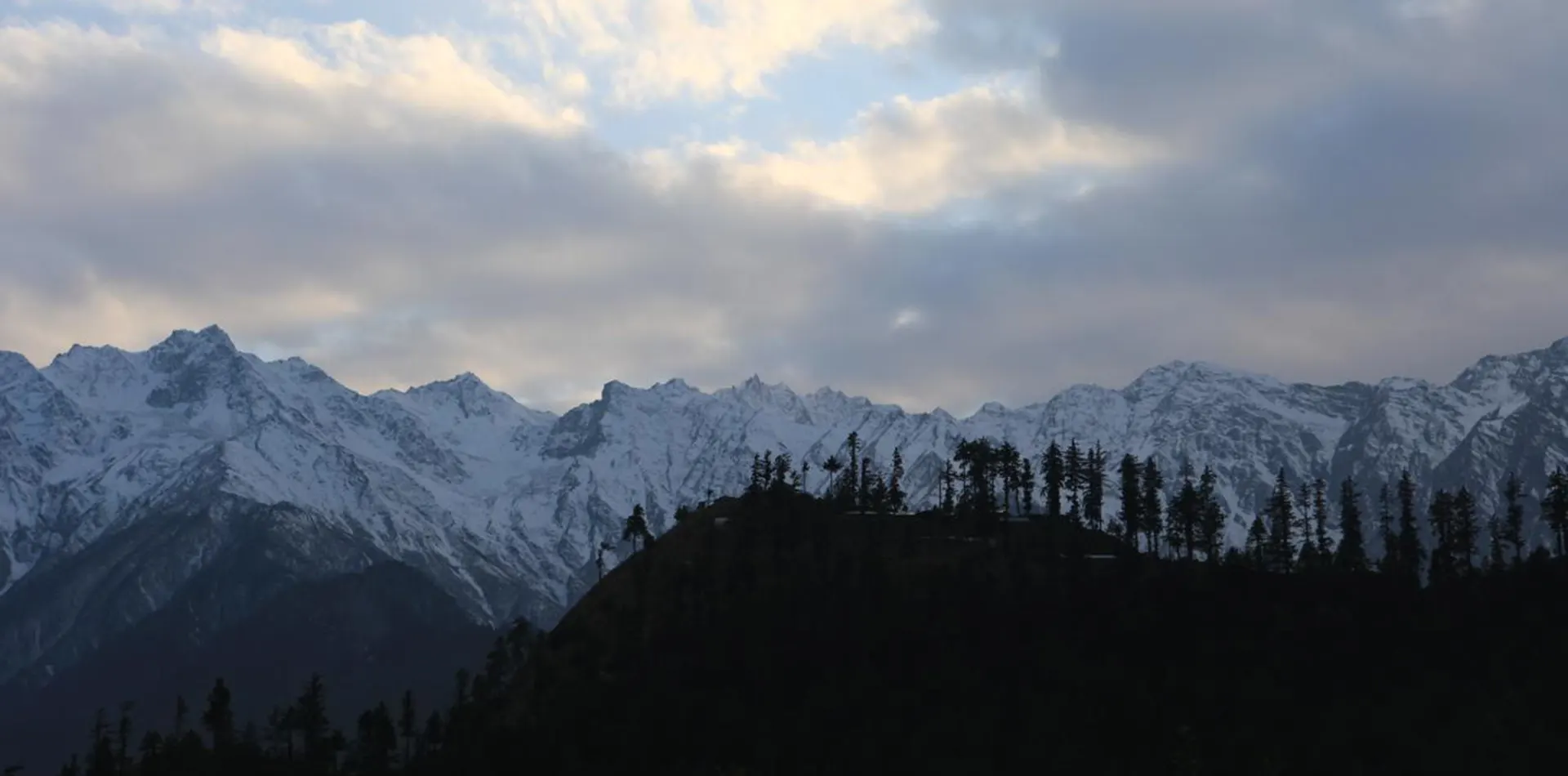
Humla Limi Valley Trek

Duration
18 Days

Trip Difficulty
Moderate

Max. Altitude
4,940m

Destination
Nepal

Group Size
2-16 People

Accommodation
Hotel, Lodge, Teahouse

Transportation
Flight

Meals
B L D
Explore more facts about the trip
Overview of Humla Limi Valley Trek
A journey to the remote far-western part of Nepal is an adventurous experience into unexplored terrain, ancient society, and rough, wild nature. The Humla Limi Valley Trek will bring you way out of the trails, where snow-white mountains rise above the obscured valleys, and the remote village keeps traditions that are centuries old.
The Humla Valley Trek is an adventure trip that offers the traveller some time alone, cultural closeness, and adventure into one of the most remote areas around Nepal. Beginning in Simikot, the path follows the Karnali River and covers the high-altitude valleys, providing panoramic sight of mountains, rivers and alpine meadows to the trekkers.
The Humla Limi Valley Trek is well-designed to demonstrate the best of this amazing area. During the journey, trekkers are welcomed in traditional Tibet-based villages such as Halji, Til, and Muchu, where stone houses and barley fields are surrounded by ancient monasteries form a living image of Himalayan life.
The trek involves two high passes known as the Nyalu La (4,940 m / 16,207 ft) and Nara La (4,580 m / 15,029 ft) that climb the barren Tibetan highlands and grade to the north and Humla valleys to the south, respectively. Travellers are camped either in stars cascading over them, or they are snuggled next to a village, feeling the silence of Himalayan country life.
The Morning Star Treks makes this remote trip safe and smooth with professional guides, porters and a professional cook to manage the logistical, food and camping facilities so that trekkers can concentrate on the adventure. All the required permissions, such as the Humla Restricted Area Permit and entry to Shey Phoksundo National Park, are organised in advance. Trekkers with moderate to high fitness can explore this unmatched venture with proper planning, safety precautions and acclimatisation.
The Humla Limi Valley Trek is not only a physical adventure but a chance to get out of the contemporary world and blend into nature and culture. It is a lifetime experience that will not be forgotten ever, whether it is the rugged trails or the warm reception of the local communities. This trip, be it your first high altitude adventure or the culmination of exploration of the Himalayas, will be a trip to breathtaking scenery, with rich cultural experience and the unique contentment of traversing one of the last remaining true wilderness areas in Nepal.
- Safety first, always
- Best prices guaranteed
- Expert travel team
- Easy booking, no extras
- Customize your journey
Based on 10 reviews

Trip Highlights
- Scenic flight from Kathmandu to Nepalgunj, a lively border town in Nepal.
- Magnificent mountain viewingflight in the remote Simikot airstrip in Humla.
- Walk through the land of the snow leopards and see other rare wildlife.
- Explore the remote valley with the traditional Tibetan culture and old monasteries.
- Go through high mountain passes such as Nyalu La (4,940 m) and Nara La (4,580 m) to have panoramic views of the Himalayas.
- Spend the night in the wilderness in pristine wilderness without the presence of a crowd.
- WitnessMount Kailash, Lake Manasarovar and the expansive Tibetan Plateau.
Photo and Video Gallery


Humla Limi Valley Trek Detail Itinerary

Day 01: Kathmandu to Nepalgunj (Flight)
Your Humla Limi Valley Trek start with a picturesque flight from Kathmandu at 1,300m (4265 ft) to Nepalgunj at 150m (492 ft). The plane is flying out of the valley, and you can observe green hills, rivers and the far Himalayan mountains.
Progressively, the landscape is transformed into the flat and warm Terai land. It is very different from Kathmandu when you land in Nepalgunj with the hot air and busy streets.
Nepalgunj is an energetic border town and has a strong influence of Indian culture. Once you are in the hotel, you can relax or even visit the surrounding markets, temples, and food stalls. The town is also interesting to walk around because it has Rickshaws, colourful shops and friendly locals. This elevation is lower to make your body ready to fly to the mountains tomorrow.
In the evening, you are met by your guide who gives you a briefing regarding the Humla Limi Valley Trek route, safety and packing check. Spend the night in the hotel and then move out to remote Humla.

Activity: Travel

Max. Altitude: 150m/492ft. (Nepalgunj )

Meal: Breakfast, Lunch & Dinner

Accommodation: hotel
Day 02: Nepalgunj to Simikot (2,980m/9,777 ft) Flight and Trek to Dharapuri
In the morning, you make a thrilling flight over the mountain to Simikot at 2,980m (9,777 ft). The small plane flies very near the hills and snow peaks, which provide spectacular sights. When one comes to Simikot, it is like getting into a new world of cool air, stone houses, and mountain views.
The trekstarts after preparations from Simikot. The path is a gradual ascending one out of Simikot, through pine trees and little hamlets. You pass over the Karnali River, which is the longest river of Nepal. Thence it follows a road running up and down through hills and sees deep valleys. You meet the villagers in the fields and children welcoming the trekkers. The scenery is serene and isolated.
Beyond a small ridge, the path leads down to Dharapuri, a small village of 2,270m (7,447 ft) on the banks of the river. The camp is located close to fields and trees.
Activity: Flight & Trekking
Max. Altitude: 2,980m/9,777ft. (Simikot)
Meal: Breakfast, Lunch & Dinner
Accommodation: Teahouse
Day 03: Dharapuri to Kermi (2,690m/8,825 ft)
Today on the Humla Limi Valley Trek, you trek along the Karnali River on a middle path. The day begins with breakfast at camp and with running water. The route has moderate rises and falls on rocky cliffs and agricultural fields. You get fields of barley and buckwheat that grow on steep hills. Good caravans of mules with goods are frequently seen passing by, and trade is still done in such out-of-the-way places.
After some hours, you arrive at Kermi at 2,690m (8,825 ft), which is a beautiful village, composed of stone houses and Buddhism. The crew set up camp nearby.
Kermi is renowned with natural hot springs, where you can take off your shoes and rest some of your worn-out muscles. Above the village are two old monasteries, Laikyo Gompa and Lhundrup Choeling Gompa. Tibetan Buddhism exerted a heavy influence on prayer flags and the use of chortens. It is a special stop on the Humla Limi Valley Trek as it has peace in terms of the village life and mountain views.
Activity: Trekking & Cultural Exploration
Max. Altitude: 2,690m/8,825ft. (Kermi )
Meal: Breakfast, Lunch & Dinner
Accommodation: Teahouse
Day 04: Kermi to ChumsaKhola Valley (3,400m/11,155 ft)
The Humla Limi Valley Trek goes further into the mountains. Breakfast, and, leaving Kermi, you walk up the Karnali River. The valley is thinner and wilder. The path ascends through pine and juniper-forests. White mountains begin to emerge in the view. Since you acquire altitude, you are walking very slowly and drinking a lot of water.
You pass little brooks and suspension bridges. Certain sections of this trail are rocky and rough. At lunchtime, you have your lunch with mountain views. The trail then continues to climb above lunch and up to the Chumsa Khola Valley at approximately 3,400m (11,155 ft). This is a very quiet place with open grazing ground on which the yaks feed.
We set up camp near the river. The air has gone colder, and the sky has become bigger and clearer. You sleep in the evening and have peace with nature. The Humla Limi Valley Trek is a magical experience as the stars shine brightly during the night.
Activity: Trekking
Max. Altitude: 3,400m/11,155ft. (Chumsa Khola )
Meal: Breakfast, Lunch & Dinner
Accommodation: Teahouse
Day 05: Chumsa Khola Valley to Dharmashala (4,000m/13,123 ft)
A Humla Limi Valley Trek on this day makes the scenery wilder and higher mountain-like. You start a lengthy ascending expedition after breakfast in the camp of Chumsa Khola Valley at 3,400m (11,155 ft).
The green forest gradually fades away, and the path leads into a dry area of the Alps, which is rocky and open. You pass over rugged terrain and glacial moraine, over which the rocks are loose beneath your feet. Little brooks run over the path, and occasionally you have to walk over stones or timber.
The higher you go, the more difficult it is to walk due to the reduced thinness of the air. You have frequent rests, drink water and walk slowly. The scenery is expanded in the broad crevices and snow-peaks.
You are then at Dharmashala at 4,000m (13,123 ft), a high pasture on which the yak herders graze. There are some mere stone shelters here. The camp is isolated and quiet, with mountains which enclose it. Evenings are quickly dropping in temperature. Hot tea and a warm meal are particularly good on this night of your adventure in the Humla Limi Valley Trek.
Activity: Trekking
Max. Altitude: 4,000m/13,123ft. (Dharmashala)
Meal: Breakfast, Lunch & Dinner
Accommodation: Teahouse
Day 06: Dharmashala to Talung via Nyalu La Pass (4,940m/16,207 ft)
It is among the largest days of the Humla Limi Valley Trek. In Dharmashala, where you will stay at 4,000m (13,123 ft), you wake up very early and begin trekking before sunrise. The day is cold in the morning, but the sky is always clear.
It starts by climbing down slightly before proceeding to a long and steep trek uphill to Nyalu La Pass at 4,940m (16,207 ft), which is one of the high passes of this trek. You are walking slowly, breathing the thin air very carefully.
The peak of Nyalu LaPass is a memorable one. The big wind is blowing prayer flags, and massive Himalayan mountains enclose you. During clear days, even Mount Kailash and Lake Manasarovar can be seen in the far distance in Tibet.
After taking photos and resting, you start a slow descent on rocky slopes. The path leads down to a large valley, and after several hours, you reach Talung at 4,380m (14,370 ft). The humblest of campsites by a stream is the entrance to Limi Valley, which is one of the sights of the Humla Limi Valley Trek.
Activity: High Pass Crossing & Trekking
Max. Altitude: 4,940m/16,207ft. (Nyalu La Pass)
Meal: Breakfast, Lunch & Dinner
Accommodation: Teahouse
Day 07: Talung to Jang (4,070m/13,353 ft)
The Humla Limi Valley Trek today seems more open and peaceful. It begins at Talung at 4,380m (14,370 ft) and follows the Limi River in a wide valley. The trail is largely smooth with little rises and falls. The scenery is broad, characterised by grasslands, short bushes and enormous skies. This is wildlife country, and it is possible to find blue sheep on the hills or birds, such as eagles, flying over.
Several hours later, you pass a low ridge, and the Jang village appears at 4,070m (13,353 ft). Jang is among the few villages in the Limi Valley. There is a strong Tibetan culture, evidenced by the presence of stone houses that have flat roofs and prayer flags.
Upon arrival at the camp, you are able to sightsee the village and visit the local monastery to meet villagers. Here, life would be based on barley farming and the raising of yaks. This is one of the unique aspects of the Humla Limi Valley Trek because one can experience this traditional way of life.
Activity: Trekking & Cultural Exploration
Max. Altitude: 4,380m/14,370ft. (Talung)
Meal: Breakfast, Lunch & Dinner
Accommodation: Teahouse
Day 08: Acclimatisation Day in Jang (4,070m/13,353 ft)
This is a very essential rest day in the Humla Limi Valley Trek. Being in Jang at 4,070m (13,353 ft) allows your body to adapt to the high altitude. You will take a rest today after many days of climbing. You have got time to have a bit more sleep and a leisurely breakfast.
There is the possibility of an optional hike. When walking to an adjacent ridge or vantage point above 4,500m (14,764 ft), one can have great views of the valley and the mountains around. High and low walking assists with acclimatisation.
You can spend the day either exploring Jang village, talking to the locals or visiting the monastery, if that is your preference. You can find people turning prayer wheels or drying barley in the sun. Consumption of ample water and rest are major components of the Humla Limi Valley Trek nowadays. The mountain scenery makes this a nice and needed rest day.
Activity: Acclimatisation& Short Hike
Max. Altitude: 4,070m/13,353ft. (Jang)
Meal: Breakfast, Lunch & Dinner
Accommodation: Teahouse
Day 09: Jang to Halji (3,670m/12,041 ft)
The Humla Limi Valley Trek follows the west after a peaceful acclimatisation day. You leave Jang at 4, 070m (13, 353 ft) and use a downslope trail with the Limi River. The stroll is less demanding now, the wide-open stretches of valley appearing once more, and the farms returning.
In a couple of hours, you arrive at Halji at 3,670m (12,041 ft), which is the biggest and the oldest village in Limi Valley. The settlement is surrounded by a green field of barley and buckwheat, which makes it appear vibrant as opposed to the other villages.
Halji is also known as the home to the Rinchenling Monastery, one of the oldest monasteries in Nepal, dating back to around the 10th or 11thcentury. There are its ancient walls, its prayer wheels turning with the flowing water and its peaceful courtyards. You can explore it.
The atmosphere of spirituality is produced by monks singing and villagers strolling around the monastery. Having established camp, you walk through small alleys made of stone, observing the everyday life of yaks and goats. This has been one of the greatest cultural experiences of the Humla Limi Valley Trek.
Activity: Trekking & Cultural Exploration
Max. Altitude: 3,670m/12,041ft. (Halji)
Meal: Breakfast, Lunch & Dinner
Accommodation: Teahouse
Day 10: Halji to Til (3,700m/12,139 ft)
On the Humla Limi Valley Trek, today, you are walking towards the final village of Limi Valley. The trail crosses the river, leaving Halji at 3,670m (12,041 ft). Some hours later, you have crossed a suspension bridge over the Tagtsi Khola. The road then passes through a narrow rocky ravine before again joining fields. In no very long time, you get to Til at 3,700m (12,139 ft), a small and silent village with some families.
Til is not affected by contemporary living. The traditional mountain life is demonstrated in stone houses, terraced fields and grazing yaks. You may take a walk after lunch to Rinzing Ling Gompa, which is a Buddhist monastery of the Drukpa Kagyu background.
There are colourful pictures of Buddhist gods and prayer flags inside, contributing to the spiritual experience. This is one of the memorable stops in the Humla Limi Valley Trek due to the peaceful environment and welcoming village people. It is the quietness of the mountains and the clear stars in the camp.
Activity: Trekking & Monastery Visit
Max. Altitude: 3,700m/12,139ft. (Til)
Meal: Breakfast, Lunch & Dinner
Accommodation: Teahouse
Day 11: Til to Manepeme (3,990m/13,091 ft)
Today, you leave the villages on the Humla Limi Valley Trek. At Til at 3,700m (12,139 ft), the path goes south into the remote mountain. The walk consists of gradual ups and downs. Two hours later, you arrive at Ya Yip Phuk cave, where the Buddhist saint Rinchen Zangpo is said to have meditated. This is a historical site that demonstrates the strong spiritual heritage of the land.
You proceed then to Lamka La Pass with an elevation of approximately 4,300m (14,108 ft). There are prayer flags at the summit, and you have broad panoramic scenery of bare mountains. Having crossed the road leads down along rocky lanes.
Afternoon, you reach the isolated camp of Manepeme, 3,990m (13,091 ft) in the highlands. There are no villages around, just open nature. This is a real wilderness experience in the HumlaLimi Valley Trek due to the quietness of the environment.
Activity: Trekking & Pass Crossing
Max. Altitude: 4,300m/14,108ft. (Lamka La Pass)
Meal: Breakfast, Lunch & Dinner
Accommodation: Teahouse
Day 12: Manepeme to Hilsa (3,720m/12,205 ft)
This day of the Humla Limi Valley Trek takes you out of the Limi Valley. Beginning at Manepeme, 3,990m (13,091 ft), you take a path cut out of the cliffs on the bank of the Humla Karnali River. Certain areas are thin, and therefore, caution must be taken. The path consists of a series of gentle rises and falls with the spectacular views of rivers below.
After some hours, you get a view of a bridge and buildings ahead, which is Hilsa at 3,720m (12,205 ft), a border outpost of Nepal with Tibet. It is an exhilarating experience to be on the suspension bridge across the river and realise that Tibet is on the other side of the river.
Hilsa is tiny, and stone huts and tea stalls are involved in traders and pilgrims. Here, camping is a significant point of junction of the Humla Limi Valley Trek on the way to Simikot via a different path.
Activity: Trekking & Border Approach
Max. Altitude: 3,720m/12,205ft. (Hilsa)
Meal: Breakfast, Lunch & Dinner
Accommodation: Teahouse
Day 13: Hilsa to Palbang via Nara La Pass (4,580m/15,026 ft)
It is another pass crossing day in the Humla Limi Valley Trek. The trail ascends steeply immediately after leaving Hilsa at 3,720m (12,205 ft). You are walking up dusty hills and getting tired fast. Air is not so thick, and you walk slowly and take rests.
Towards the end of the morning, you arrive at the Nara La Pass at 4,580m (15,026 ft). At the summit, there is arid Tibetan scenery to the north and green valleys of Humla to the south. Prayer flags waving on high winds.
With the sightseeing, you start a sharp downturn. The path descends through resistant hills in the midst of which the yaks and goats may be grazed occasionally. The nature gradually turns greener by going down.
In the afternoon, you come to Palbang at 3,389m (11,119 ft), which is a small settlement with stone houses and farm terraces. Following the distant Limi Valley, there is the indication of village life, which is inviting. The camp is made around the village, and you can relax your legs after this demanding day in the Limi Valley Humla Trek.
Activity: Pass Crossing & Trekking
Max. Altitude: 4,580m/15,026ft. (Nara La Pass)
Meal: Breakfast, Lunch & Dinner
Accommodation: Teahouse
Day 14: Palbang to Muchu (2,920m/9,580 ft)
The current part of the Humla Limi Valley Trek is less difficult and shorter. At a level of 3,389m (11,119 ft) left behind Palbang, the trail passes down imposing juniper bushes and hillsides. At altitudes of less than 3,000m (9,843 ft), the air feels more enriched, and the walking is easier. You can find pilgrims and travellers in this by-path.
After approximately four hours, you are in Muchu, 2,920m (9,580 ft). This is the village located over the river, Karnali, with a police check post and monastery. This is a significant place on the Mount Kailash pilgrimage route. You find that there is an assortment of cultures here, both the Hindu and the Buddhist cultures.
This place is vibrant after some days of remote camping. You can sightsee the village and visit the monastery, or do nothing. This is a lower altitude where the energy levels are enhanced in the Humla Limi Valley Trek back.
Activity: Trekking
Max. Altitude: 3,389m/11,119ft. (Palbang)
Meal: Breakfast, Lunch & Dinner
Accommodation: Teahouse
Day 15: Muchu to ChumsaKhola (3,400m/11,155 ft)
The Humla Limi Valley Trek follows the Karnali River on this day. A trail ascending Muchu at 2,920m (9,580 ft) runs through the village of Yalbang, which has a huge monastery overlooking the road. As you walk, you can hear monks chanting. The path cuts through pine forest and small villages.
On a suspension bridge over the Karnali River, you come back to Chumsa Khola at 3,400m (11,155 ft), the same valley that you just camped in. The well-known landscape is something that makes the scenery complete.
This camping site is serene as it is surrounded by pine-covered hills, the sounds of the river and mountain air. This is a great place to think of the distance that you have covered in the Humla Limi Valley Trek.
Activity: Trekking
Max. Altitude: 3,400m/11,155ft. (Chumsa Khola)
Meal: Breakfast, Lunch & Dinner
Accommodation: Teahouse
Day 16: Chumsa Khola to Dharapuri (2,270m/7,447 ft)
The trail is now the bank of the Karnali River. At the 3,400m (11,155 ft) of Chumsa Khola, the forests become denser, and the surroundings turn greener. It is easier to breathe going down. Passing through villages, you can visit some places that you have known previously, such as the Kermi area along the route of the Humla Limi Valley Trek.
It is an afternoon before you reach Dharapuri, 2,270m (7,447 ft). It is the last night of your camping trek. The river is close at hand, and the proximity is less elevated, hence the evening is warmer. The crew organises a special dinner to celebrate the journey. It is a memorable night of the Humla Limi Valley Trek because of the stories and laughter.
Activity: Trekking
Max. Altitude: 3,400m/11,155ft. (Chumsa Khola)
Meal: Breakfast, Lunch & Dinner
Accommodation: Teahouse
Day 17: Dharapuri to Simikot (2,980m/9,777 ft)
This is your final day of trekking. The Humla Limi Valley Trek starts at Dharapuri 2,270m (7,447 ft). The path ascends slowly through a way of farms and tiny villages. The trail becomes steeper and steeper after Majgaon, and arriving at Simikot becomes difficult.
In the afternoon, you arrive at Simikot, which is 2,980m (9,777 ft) above sea level. It is a big accomplishment to arrive in town after doing this remote Himalayan circuit. You come to a teahouse or a camp. A final celebration with your crew is the last successful stage of the trekking of the Humla Limi Valley Trek.
Activity: Trekking
Max. Altitude: 2,980m/9,777ft. (Simikot)
Meal: Breakfast, Lunch & Dinner
Accommodation: Teahouse
Day 18: Simikot to Nepalgunj and Kathmandu (Flights)
You fly off the mountains today. It is a morning flight that takes off from Simikot at 2,980m (9,777 ft) to Nepalgunj at 150m (492 ft)and finally, to Kathmandu at an elevation of 1,300m (4,265 ft). It is your Humla Limi Valley Trek, and this is the last glimpse of the Himalayas you see through a window.
The official end of the journey is back in Kathmandu. Urban life is quite different after days in the isolated valleys and mountain passes. You can still remember the mountains, villages, and high trails even after the Humla Limi Valley Trek is over.
Activity: Flights & Travel
Max. Altitude: 1,300m/4,265ft. (Kathmandu)
Meal: Breakfast
If our standard itinerary doesn't fully meet your needs, we are happy to tailor it to your specific preferences and requirements.

Includes and Excludes
What’s Included?
- Every arrangement of logistics is made by Morning Star Treks on arrival and departure.
- Round-trip domestic flights from Kathmandu to Nepalgunj and Kathmandu, including airport taxes.
- Fully serviced 16 camping days during the trek and 1 night hotel in Nepalgunj (twin sharing).
- Full trekking staff with a highly qualified English guide, cook, assistant staff and porters (1 porter for 2 trekkers).
- All the food on the trek (breakfast, lunch, dinner), including tea/coffee and safe drinking water (boiled or purified).
- All the required permits, likethe Humla Restricted Area Permit and the Shey Phoksundo National Park entry permit.
- Complete camping gear with tents, dining tent, kitchen tent, toilet tent, tables, chairs and cooking gear.
- All the land transportation and airport movements in Kathmandu and Nepalgunj.
- First aid kit, emergency oxygen cylinder and satellite phone.
What is not Included?
- International flights to and from Nepal and Nepal visa.
- Professional travel insurance, which includes high-altitude trekking and helicopter evacuation (compulsory).
- Kathmandu and Nepalgunj meals.
- Personal trekking equipment such as clothes, boots and a sleeping bag (rented in Kathmandu).
- Additional hotel nights in Kathmandu or extra days of trekking because of the delays (weather, change of flight).
- Personal expenses are soft drinks, alcohol, snacks, charging devices, hot showers, laundry, phone calls, and souvenirs.
- Tips for guides, porters, cooks and crews (customary, though not obligatory).
- Drones, licenses or special equipment charges.
- Any further cost not indicated under “Cost Includes.”
Trip Information of Humla Limi Valley Trek
Weather and Season for the Trek
The Humla Limi Valley Trek is a trail that goes through extremely remote high mountain terrain, and thus,the weather fluctuates significantly with season and elevation.
The Humla Limi Valley Trek is best done in autumn (mid-September to early November). The skies are clear, the mountain views are sharp, and the trails are dry. Nights below 4,000m (13,123 ft) are freezing in higher camps.
Another good season for the Humla Limi Valley Trek is spring (April to early June), when wildflowers are also in bloom, and the days are warmer, but clouds are likely to develop in the afternoon.
In Nepal, rainfall occurs during the summer or monsoon (mid-June to August), but Humla is in a partial rain shadow, and thus, the Humla Limi Valley Trek could still be done. Delays of flights can occur; however, lower trails can be muddy.
It cannot be done in winter (December to February) as snow covers high passes over 4,900m (16,076 ft). Morning Star Treks suggests the autumn and spring as the months when the conditions and visibility are better.
Trip Difficulty
Humla Limi Valley Trek is a difficult trek that is limited to fit trekkers. Many days are spent in the mountains walking, usually between 3,000m (9,843 ft) and 4,500m (14,764 ft). Humla Valley Trek consists of such high passes as Nyalu La 4,940m (16,207 ft) and Nara La 4,580m (15,026 ft), demanding stamina and slow speed. Roads are steep, narrow and rocky.
Nighttime camping is the norm; hence, comfort is minimal. The Humla Limi Valley Trek is very remote, and there are fewer facilities and flight delays that may occur. Many determined trekkers can, however, complete it with proper preparation.
Morning Star Treks will have correct acclimatisation and a slow walking pace. The pre-trek training that includes hiking, climbing stairs, and cardio exercises assists a lot. The Humla Limi Valley Trek is an interesting and yet demanding experience that would please any lover of wild scenes and cultural adventure.
Altitude Sickness and Suggestions
The Humla Limi Valley Trek is sensitive to altitude since several days will be at elevations exceeding 3,000m (9,843 ft). Oxygen is less in high altitudes such as Jang at 4,070m (13,353 ft) or Nyalu La Pass at 4,940m (16,207 ft). This may lead to Acute Mountain Sickness (AMS). Its symptoms are headache, nausea, dizziness and tiredness.
The Humla Limi Valley Trek itinerary will involve days of acclimatisation so that your body can adapt. Slow, take 3-4 litres of water per day, and abstain from alcohol.
In case of symptoms, inform your guide. Rest or descend if needed. Guides in Morning Star Treks have a first aid kit and a check-up of your health.
The most effective prevention is proper pacing, proper hydration and eating well. The Humla Limi Valley Trek allows you to have the exhilarating high-altitude scenery without harm to your body by listening to your body.
Food & Drink During the Trip
The Humla Limi Valley Trek has simple, warm and energy-giving food. A cook accompanies the team provided by Morning Star Treks. The breakfast is commonly porridge, eggs, chapati and tea.
Lunch could be either noodle soup, potatoes or dal bhat. Dal bhat (rice, lentils, vegetables) is popular as it provides good power for trekking.
The dinner during the Humla Limi Valley Trek could be fried rice, pasta, momos, or soup and the hot beverages such as ginger tea. Above 4,000m (13,123 ft), hot meals are included to keep you warm.
The water is boiled or filtered to offer safe drinking. Never use stream water directly. Long walks will be assisted by carrying snacks such as chocolate or nuts. The meals are also modest but will sustain you and will provide you with energy on the Humla Limi Valley Trek.
Visa and Permits
In the case of the Humla Limi Valley Trek, paperwork is of great significance. At Kathmandu airport, most of the passengers obtain a Nepal tourist visa. The passport must be valid for at least 6 months.
In the case of the Humla Limi Valley Trek, special permits are needed since this is restricted. A Humla Restricted Area Permit is essential, and it has to be made out by a recognised agency such as Morning Star Treks. Independent trekking is prohibited. A Shey Phoksundo National Park permit is also required.
Guides are mandatory, and such points as Muchu at 2,920m (9,580 ft) and Hilsa at 3,720m (12,205 ft) will check the papers. With Morning Star Treks, all permits will be done before the Humla Limi Valley Trek, and no one has to worry about paperwork.
While on the trek, take your passport and permits. This is because these rules are aimed at keeping the trekkers safe in this remote high-altitude area.
Health & Safety
The Humla Limi Valley Trek is quite remote and high; therefore, safety is of major importance on the trek. Several days are above 3,000m (9,843 ft), and passes such as Nyalu La that are 4,940m (16,207 ft) high need good health observation. Morning Star Treks guides are first aid trained and carry first aid kits. Consume a lot of water, eat and walk at a moderate pace.
The Humla Limi Valley Trek can experience weather changes swiftly, and hence having a pair of warm clothes and a waterproof jacket is always needed. The nights are extremely cold at high camps above 4,000m (13,123 ft).
Wild creatures are generally not harmful, but move off to clear a path for yaks or mules on a narrow path. Villages are not violent; however, secure yourpersonal items. During emergencies, the use of satellite communication is applied. Humla Limi Valley Trek is a safe undertaking with due precautions and instruction of the guides.
Transportation
The start point of the Humla Limi Valley Trek is by flight and trek. To start with, you have to fly from Kathmandu (1,300m 4,265 ft) to Nepalgunj (150m 492 ft). Then an aircraft carrying a small number of persons transports you to Simikot at 2,980m (9,777 ft). These are weather-dependent flights that can be delayed. All the airport transfers and tickets are handled by Morning Star Treks.
Limi Valley has no roads leading to it, and as such, the Humla Limi Valley Trek is entirely accomplished on foot. Daily-use items of the locals are carried on the pack animals as trekkers proceed on foot.
The trail crosses villages, rivers, and mountain passes. The trek is followed by flights that take you back to Nepalgunj and Kathmandu after the trek. It is prudent to have more time after the trek in case of flight delays. Morning Star Treks takes care of all the logistics in the Humla Limi Valley Trek.
Travel Insurance
The Humla Limi Valley Trek would require travel insurance, given the remoteness of the area and the high altitudes, such as Nyalu La Pass 4,940m (16,207 ft), which the route is to visit. High altitude trekking and helicopter evacuation should be covered by your insurance. Flight rescue out of the regions, such as Hilsa at 3,720m (12,205 ft), is costly, and hence it is very crucial that it is adequately covered.
Medical treatment, trip cancellation and delays should also be included in the insurance. Before the Humla Limi Valley Trek, submit insurance information to Morning Star Treks so that they can help swiftly in case of an emergency.
Always ensure that your policy covers trekking over 4,000m (13,123 ft). Having good insurance guarantees that you will experience the adventure without any worry.
Language & Communication
In the Humla Limi Valley Trek, communication is also involved in the adventure. In Kathmandu, Nepalgunj and Simikot, Nepali is spoken by most of the people. However, further up in Humla, particularly in the villages of the Limi Valley, some 3,700m (12, 139 ft) above sea level, natives speak a Tibetan dialect. Simple tips, such as knowing how to greet people, such as Tashi Delek, can establish amicable relationships.
In the Humla Limi Valley Trek, the guide provided by the Morning Star Treks is fluent in English, Nepali, and local languages; there will never be a major communication issue.
Smart networks are extremely sparse. Simikot has 2,980m (9,777 ft) of weak signal, where there is no network or internet in the Limi Valley. It is a digital detox journey. The team has a satellite phone, which is used in case of an emergency. Pre-inform the family about the Humla Limi Valley Trek that you will be out of touch for many days.
Don’ts on This Trip
The Humla Limi Valley Trek goes through the old villages and delicate nature, which is why there is a need to be respectful in behaviour. Do not devalue local culture. Do not take pictures without permission, and take off shoes in monasteries, particularly in high villages of around 3,800m (12,467 ft).
Dress modestly. Littering should be avoided; all the items brought to the Humla Limi Valley Trek region should be taken out.
Do not wander alone, particularly in solitary spots beyond 4,500m (14,764 ft). Always stay with your guides and the team. Avoid overexerting yourself in high places such as Nyalu La Pass at 4,940m (16,207 ft).
Rest if you feel unwell. Do not disturb livestock and wildlife. The priority on the trail is given to yaks and mules. Above all, do not neglect the guidance of your guide when you are on the Humla Limi Valley Trek because it is the cooperation and local experience that helps to stay safe.
Photography & Drone Rules
The Humla Limi Valley Trek gives great possibilities for taking pictures, but there should be rules. In the villages, always seek permission before taking pictures of the locals. You can take photos in some monasteries, not in others, so ask your guide about the places before taking the pictures. Do not take photos of police posts or border points such as Hilsa, with 3,720m (12,205 ft) high.
The application of drones is not permitted, usually, in the Humla Limi Valley Trek and requires special government permissions. The operation of flying drones close to the border and over high passes above 4,500m (14,764 ft) is highly forbidden. Drones interfere with wildlife and the peace of the locality.
Carry along extra batteries since in cold weather at altitudes above 4,000m (13,123 ft), power is consumed fast. Show respect to people, culture and animals when you take pictures in such a way that your memories of the Humla Limi Valley Trek are good and responsible.
Tips for First-Time Visitors
And in case this is your first time in the Humla Limi Valley Trek, proper preparation is a plus. Hiking practice and cardio exercise ease the Humla Limi Valley Trek and make it more enjoyable. Reach Kathmandu 1,300m (4,265 ft) a few days before to unwind and make preparations.
Carry good trekking shoes, warm up clothes and a sleeping bag on cold nights when the heights are above 4,000m (13,123 ft). Bring some money since no ATM after Nepalgunj at 150m (492 ft). Adhere to the local practices in villages and monasteries. Wait in case of weather cancellations of flights to Simikot, 2,980m (9,777 ft). The Morning Star Treks team assists on the Humla Limi Valley Trek, and it is safe and memorable even to those who are new to the trek.
Most Asked Questions
 General
How many hours do we spend walking on a daily basis?
You tend to take 5-7 hours a day and walk around 10-15 km.
Are there mobile network signals on the trail?
Very limited. A faint signal can be obtained at Simikot or Yalbang; there is no signal in Limi Valley.
Do we cross any high passes?
Yes. You traverse NyaluLa (4,940 m) and Nara La (4,580 m).
Is the trail easy?
Not always. There are some of these that are clear, and there are those that are yak trails. Your guide leads the way.
Not always. There are some of these that are clear, and there are those that are yak trails. Your guide leads the way.
No. This is an exclusive zone, and a certified guide with authorisation is required.
 Preparation & Fitness
How fit do you need to be?
There is a need to have a high fitness level. It is a lengthy and strenuous uphill hike.
Should I have a high-altitude experience?
Not mandatory, but recommended. With adequate acclimatisation, fit trekkers will be able to cope.
How should I train?
Train on cardio, leg power and hiking up the hill with a light pack.
Will porters carry our gear?
Yes. Most of the heavy gear is carried by porters. You carry only a daypack.
 Permits
What permits are needed?
Humla Restricted Area Permit and Shey Phoksando National Park Permit.
Does Nepal have a visa-on-arrival?
Yes, it is available at Kathmandu airport or the landports
Do I need travel insurance?
Yes. High altitude and helicopter evacuation insurance is obligatory.
Would I be carrying my passport on the trek?
Yes. It is checked at police and permit checkpoints.
 Accommodation and Facilities
Where do we stay?
In tents mostly on the trek, and in a hotel in Nepalgunj and perhaps a plain lodge in Simikot.
Are sleeping bags provided?
Tents and mats are provided. You need to take a good sleeping bag.
Do you have any showers or electricity?
No decent baths or electricity is availabe. Take wipes and a power bank/solar charger.
How are toilets managed?
A toilet tent is set up at camp. You are using nature during the day, not near water sources.
 Food and Drinks
What food is provided?
All trek meals (Breakfast, Lunch and Dinner) are included. Anticipate full-course food such as dal bhat, soup, pasta, porridge, and tea/coffee.
Can special diets be managed?
Vegetarian is easy. Other diets can be taken, but options are few.
Is drinking water safe?
Yes. It is served with boiled or filtered water. Do not consume untreated stream water.
Can we buy snacks on the way?
Very rarely. Carry your snacks from Kathmandu.
 Weather & Seasons
What is the most appropriate time to do the trek?
Autumn (Sept-Nov) is best. Spring (Apr-May) is also good.
How cold does it get?
As low as -10 °C can be the nights in high camps.
What if the weather turns bad?
The guide can postpone the plan or alter it. Safety always comes first.
 Health & Safety
Does the route have medical facilities?
Very limited. Simikot possesses simple care; evacuation is done in severe cases.
Is the guide trainedin medical provisions?
Yes, they are first aid trained with a first aid kit and portable oxygen.
What happens in an emergency?
We go down and make a helicopter evacuation where necessary.
Is altitude sickness common?
Mild symptoms can happen. There is a risk reduction in the itinerary through acclimatisation.
 Booking & Payment
How do I book the trek?
You can book the trek with Morning Star Treks by depositing an advance, and the remaining amount is paid in Nepal.
Can the trek be customised?
Yes, it is possible to change or prolong private trips.
What is the group size?
Trekkers often go in small groups (2-8).
How much should I tip?
One of the guidelines is to divide the trip cost amongst the crew, about 10 per cent of your entire trip cost.
 Transportation & Flight
How do we reach the trailhead?
We get to the trailhead by flight from Kathmandu to Nepalgunj and then to Simikot.
Can we be sure of flights to Simikot?
They are weather-dependent and may be postponed; hence, buffer days are advisable.
- Safety first, always
- Best prices guaranteed
- Expert travel team
- Easy booking, no extras
- Customize your journey
Based on 10 reviews
Have Questions?
+977 9767224414