
 English
 Dutch
Dutch Japanese
 Hindi
Hindi Italian
 Spanish
 French
 German
 Chinese
 Korean
 Arabic
 Hebrew
 Russian
 Portuguese
 Danish
 Czech
Czech Polish
 Swedish
Have Questions?
+977 9767224414
Unmissable holidays deals - Save up to 20%
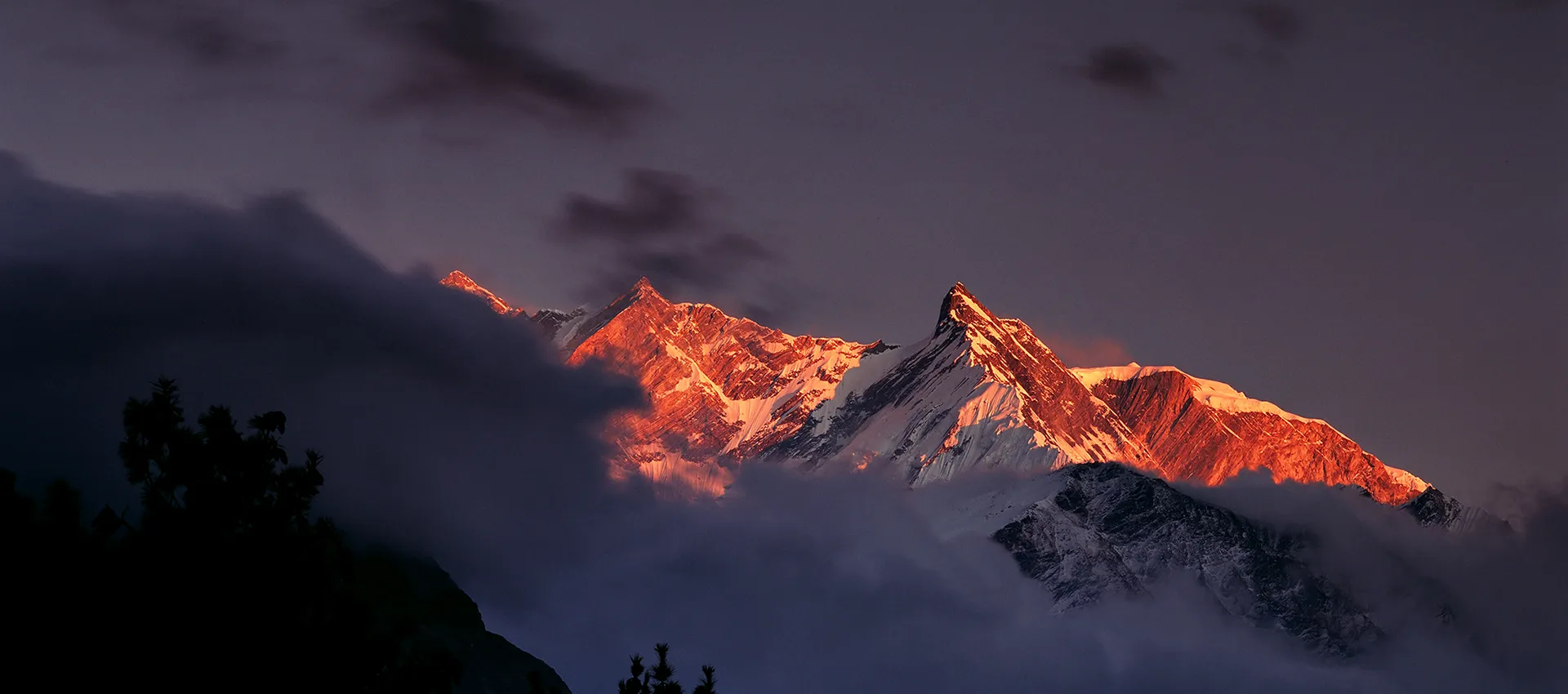
Lumba Sumba Pass Trek

Duration
19 Days

Trip Difficulty
Moderate

Max. Altitude
5,070m

Destination
Nepal

Group Size
2-16

Accommodation
Teahouse, Camping

Transportation
Flight, Jeep

Meals
Breakfast, Lunch & Dinner
Explore more facts about the trip
Overview of Lumba Sumba Pass Trek
The Lumba Sumba Pass Trek is a 19-day adventure that offers one of the most remote and rewarding trekking experiences in eastern Nepal. This remote high-pass route became accessible to trekkers in recent years through regulated permits and links the Kanchenjunga region with the Makalu region via the high Lumba Sumba Pass (5,070 meters). It is a real wilderness trip and passes through Kanchenjunga Conservation area as well as Makalu Barun National Park. The path is appropriate to those trekkers who are fond of quiet trails, spectacular mountain landscapes, and pure culture experiences outside of the popular trekking destinations.
The Lumba Sumba Pass Trek is a 19 days fully supported trek organized by Morning star treks as a camping expedition aimed at trekkers who can comfortably work the long walking days and the shifting weather. The journey starts with a flight to Bhadrapur and then gradually ascends through traditional Rai and Sherpa villages toward higher alpine landscapes. This trip has a natural progression of subtropical forests and river valley to high mountain rocky landscapes as the trip advances.
The Lumba Sumba Trek provides a rare opportunity to witness some of the world’s highest peaks from a less explored route. On clear days, you may see Kanchenjunga and Makalu, along with other surrounding Himalayan peaks. The landscape varies continuously on the path. Lower parts are green hills, terraced farmland and suspension bridges and high parts are rocky moraines and snow-covered tracks and secluded yaks pastures. This contrast makes Lumba Sumba Pass trekking visually impressive and physically demanding.
This trek is characterized by cultural experiences. You travel through such villages like Olangchung Gola, Thudam where there are still strong traditions of Tibetan Buddhism. The spirituality of the local people is depicted by prayer flags, mani walls and monasteries. The isolation of the region has facilitated the continuation of the traditional ways of life which are founded on agriculture, pastoralism, and small-scale trade.
The Lumba Sumba Pass trek itinerary is well designed with sufficient acclimatization in order to ensure safe adjustment to the altitude before the high pass is crossed. The trek has an expedition-like feel since the main activity is accommodation which happens to be mostly camping. This is a trip that suits seasoned trekkers who want to be challenged, experience unspoiled landscapes and have a significant experience between two Himalayan legends.
- Safety first, always
- Best prices guaranteed
- Expert travel team
- Easy booking, no extras
- Customize your journey
Based on 10 reviews

Trip Highlights
- Cross Lumba Sumba Pass at 5,070 meters, which is one of the high and remote passes in the eastern part of Nepal.
- Trek between the Kanchenjunga and Makalu regions on one remote high-pass route.
- View close-ups of Makalu, Kanchenjunga, and other surrounding Himalayan peaks on sunny days.
- Have a fully facilitated camping adventure in a serene Himalayan place.
- Stroll in Kanchenjunga conservation area and Makalu Barun national park.
- Tour classical Rai and Sherpa villages with a high concentration of Tibetan Buddhism.
- Take a less travelled trekking path accessible to visitors in 2012.
Photo and Video Gallery


Lumba Sumba Pass Trek Detail Itinerary

Day 01: Kathmandu to Bhadrapur by Flight & Drive to Ilam
Today we will begin our Lumba Sumba Pass Trek with a morning flight from Kathmandu to Bhadrapur. During the flight we will see changing landscapes from valley towns to wide plains and distant hills. After landing we will meet our team and proceed by jeep towards Ilam. The drive takes us through tea gardens, small markets and through green countryside roads. As we ascend gradually and slowly to higher land the environment becomes cooler and more peaceful. Upon arrival to Ilam, we will check into our teahouse and take time to rest. In the evening, we will go through the plan of the trekking days.

Activity: Flight and scenic drive, 45 minutes flight and 3 to 4 hours drive

Max. Altitude: 1,200m/3,937ft. (Illam)

Meal: Lunch & Dinner

Accommodation: Teahouse
Day 02: Ilam to Taplejung by Drive
After breakfast, we will proceed on a road towards Taplejung. The journey is long but scenic, following both rivers and terraced farmland and hillside villages. There will be short stops for rest and refreshments along the way.
As we gain elevation the air cools and the scenery becomes more mountainous. Taplejung is an important starting point for trekking in this region. Upon arrival, we will check into our teahouse, organize trekking equipment, and prepare for the walking section of the Lumba Sumba Trek beginning tomorrow.
Activity: Overland drive, 8 to 9 hours drive
Max. Altitude: 1,820m/5,971ft. (Taplejung)
Meal: Breakfast, Lunch & Dinner
Accommodation: Teahouse
Day 03: Taplejung to Chirwa
Today, we will start trekking by following the Tamor River over a slow path. We will pass through cultivated areas, small villages, and pieces of forest. The route consists of moderate walks up and down, as we adapt to the pace of everyday walking.
We will pass through suspension bridges and watch how people live there. The speed is moderate and easy going as we slowly approach Chirwa. Upon arrival to the village, we will camp and have a nice meal prepared by our support team.
Activity: Trekking, 5 to 6 hours walk
Max. Altitude: 1,270m/4,167ft. (Chirwa)
Meal: Breakfast, Lunch & Dinner
Accommodation: Camping
Day 04: Chirwa to Lelep
We will walk along the Tamor River after breakfast, and proceed slowly towards Lelep. The pathway is scenic in its course crossing woody areas and small villages where we can also observe the everyday life of the locals. Our walk will be slow and comfortable with sufficient rest intervals and water intake.
The higher we move the more the air starts to feel cool and the environment becomes more calm. At this point we officially enter Kanchenjunga Conservation Area where nature seems less ravaged and less noisy. We will then pitch our camp and spend the night at Lelep, which is an important cultural village in this area.
Activity: Trekking, 5 to 6 hours walk
Max. Altitude: 1,860m/6,102ft. (Lelep)
Meal: Breakfast, Lunch & Dinner
Accommodation: Camping
Day 05: Lelep to Illa Danda
Today, we will leave the river valley, and start a gradual ascent to Illa Danda. The route is surrounded by high trees and natural environment through dense forest. We will take a slow ascending route and have a mixed pace in walking to save on energy.
As we ascend, the outlook on the valley gradually widens behind us. The surrounding is less noisy and less distant than it was. We will have short rest intervals when necessary and proceed slowly. Once we arrive at Illa Danda, we will camp and spend a relaxing night in the forest setting.
Activity: Trekking, 5 to 6 hours walk
Max. Altitude: 2,051m/6,729ft. (Illa Danda)
Meal: Breakfast, Lunch & Dinner
Accommodation: Camping
Day 06: Illa Danda to Selep Kharka
After breakfast, we will keep climbing upwards to Selep Kharka. The road slowly ascends across woodland and pasture. The vegetation starts to shift and the settlements become less common as we gain in altitude. We will move slowly and maintain a steady pace, since the road is now more lonely and quiet.
The environment provides peaceful nature and expansive hill views. We can go through temporary shelters of local herders. Later on, when we will reach Selep Kharka, a small grassy field, with hills that cover it, we will pitch camp and rest well before we reach the higher parts.
Activity: Trekking, 5 to 6 hours walk
Max. Altitude: 2,525m/8,284ft. (Selep Kharka)
Meal: Breakfast, Lunch & Dinner
Accommodation: Camping
Day 07: Selep Kharka to Olangchung Gola
We will resume the trekking after breakfast to Olangchung Gola. The path slowly ascends through the alpine land, with the trees being sparsely presented, and the scenery more open. Our walking will be slow and easy and our bodies will be able to adapt naturally to the rising altitude. On our route, we can come across herding grounds of yaks and small 4 season huts inhabited by local herders.
As the mountain scenery is ascending higher up we start to feel closer to the valley. One of the major settlements in this area, which is a strong representation of the Tibetan Buddhist culture, is the Olangchung Gola. On arrival, we will establish a camp and rest and have time to visit the village environment.
Activity: Trekking, 6 to 7 hours walk
Max. Altitude: 3,208m/10,525ft. (Olangchung Gola)
Meal: Breakfast, Lunch & Dinner
Accommodation: Camping
Day 08: Rest Day in the Olangchung Gola
We will spend a rest day in Olangchung Gola to support proper acclimatization. Rest and gradual adjustment are important as we prepare for higher elevations on the Lumba Sumba Pass Trek. We will go on a little hike to a local view point or hill side so that our body can adjust to it and not be idle.
Once we go back to the camp, we will be able to explore the village and learn a bit of the local culture. We can go to a monastery and stroll down the streets of the village. This is an additional day which is beneficial to enhance safety and comfort as we proceed to climb to the high mountain section.
Activity: Acclimatization and short hike, 2 to 3 hours light walk
Max. Altitude: 3,208m/10,525ft. (Olangchung Gola)
Meal: Breakfast, Lunch & Dinner
Accommodation: Camping
Day 09: Olangchung Gola to Upper Langmale
We will go on with our climb after breakfast to Upper Langmale. The path goes up along the valley and ascends slowly through the alpine scenery with vast panoramic views. We start to have more sparse vegetation as we ascend and the landscape becomes rougher. We will walk gradually and take a steady pace to save energy and adapt comfortably to the thinner air.
The environment is calm and isolated, and the snow-capped mountains appear in the distance during clear days. In several hours we will arrive at the Upper Langmale and pitch camp. We will take an early rest to prepare the greater climb ahead.
Activity: Trekking, 6 to 7 hours walk
Max. Altitude: 3,893m/12,772ft. (Upper Langmale)
Meal: Breakfast, Lunch & Dinner
Accommodation: Camping
Day 10: Upper Langmale to Lumba Sumba Pass Camp
After breakfast, we will continue our gradual ascent from Upper Langmale to the Lumba Sumba Pass Camp. As we further go into the high mountains, the trail gets rugged and open. We will walk at a slow pace and have frequent short breaks to control the rising altitude. The topography is now composed of rocky slopes, glacial areas and expansive valley scenery.
The day might be colder and windy at this height, and we will dress up accordingly and drink enough water. As soon as we reach the pass camp area we will make sure that we camp and sleep early. This is a significant preparation because we will prepare to cross the pass the next day.
Activity: Trekking, 5 to 6 hours walk
Max. Altitude: 4,748m/15,577ft. (Lumba Sumba Pass Camp)
Meal: Breakfast, Lunch & Dinner
Accommodation: Camping
Day 11: Lumba Sumba Pass camp to Chauri Kharka
Today will turn out to be one of the most important days of our journey. From the morning we will begin to cross Lumba Sumba Pass at an altitude of 5,070 meters. The climb is long and takes patience and proper footing as the trail can contain rocky or snow covered sections. We will walk slowly and help each other throughout the ascent.
From the top we may have wide views of the mountains if the weather is clear. After spending some time at the pass we will start a slow descent towards Chauri Kharka. The descent is very extensive, and we will be proceeding slowly to conserve our strength. On arrival we will camp and take a rest after a very tiring day.
Activity: Pass crossing and trekking, 9 to 10 hours walk
Max. Altitude: 5,070m/16,634ft. (Lumba Sumba Pass)
Meal: Breakfast, Lunch & Dinner
Accommodation: Camping
Day 12: Chauri Kharka to Thudam
After breakfast we will continue the way down towards Thudam. The trail slowly emerges from the high alpine area and enters a greener environment. We will walk at a comfortable pace and let our bodies recover from the hard work of the previous day. The air becomes slightly warmer as we drop in elevation.
Along the way, we may pass through traditional houses and cultivated fields as we approach the village. Thudam is a culturally rich settlement with strong mountain traditions. Upon arrival we will set up camp and enjoy a relaxed evening in this peaceful environment.
Activity: Trekking, 6 to 7 hours walk
Max. Altitude: 3,450m/11,319ft. (Thudam)
Meal: Breakfast, Lunch & Dinner
Accommodation: Camping
Day 13: Thudam to Kharka
We will resume our descent today by forested trails and hillside paths. The path consists of a combination of leisurely descents and small uphill routes. We will maintain a steady pace in walking and have short breaks where necessary. The vegetation is denser and the environment is more relaxed than the elevated areas.
We can cross little grazing fields, and see local village agriculture on the way. The locality is a small grazing field called Kharka, with hills and woodland. Once we arrive at our camp, we will rest and enjoy the comforts of the lower elevations on our way to the last part of the trek.
Activity: Trekking, 5 to 6 hours walk
Max. Altitude: 2,877m/9,439ft. (Kharka)
Meal: Breakfast, Lunch & Dinner
Accommodation: Camping
Day 14: Kharka to Chyamtang
After breakfast, we will make our way towards Chyamtang by woody walks and little clearings. The pathway is steep, and it tends to progress all the way down with crossings over streams by suspension bridges. We will go through villages where people live according to the old order. As we descend further in altitude the atmosphere becomes warmer and more comfortable.
We will keep a casual rhythm and savor the natural environment along the path. Chyamtang is an open village where we can see the farming and local culture. On arrival, we will camp and have a rest in the evening.
Activity: Trekking, 5 to 6 hours walk
Max. Altitude: 2,229m/7,313ft. (Chyamtang)
Meal: Breakfast, Lunch & Dinner
Accommodation: Camping
Day 15: Chyamtang to Hatiya
Today, we will proceed further down the valley of the Arun River to Hatiya. The path is across terraced agricultural areas, wooded regions and small-towns. The climate will become warmer and the vegetation more varied. The path is full of slow ups and downs, however the trek is moderate. We will proceed with a rather slow and comfortable speed and have short pauses when we need them.
Hatiya is a traditional settlement, which is situated close to the river and is an essential point in this area. After reaching our campsite, we will relax and enjoy a peaceful evening as we near the end of the trekking section.
Activity: Trekking, 5 to 6 hours walk
Max. Altitude: 1,595m/5,233ft. (Hatiya)
Meal: Breakfast, Lunch & Dinner
Accommodation: Camping
Day 16: Hatiya to Gola
We will walk on the valley of the Arun River further into Gola after breakfast. The path traverses wooded areas, terraced agricultural fields, and small rural villages. We will move in a slow and steady rhythm since the land is not as challenging as the high mountain part. The heat and increased vegetation density remind us that we are slowly changing back to the lower altitudes.
On the route, we can see village farmers in their fields and children passing by among villages. We will reach Gola after a couple of hours of walking and will pitch camp beside the settlement. The night will be quiet because we will sleep on the outskirts of the landscape of the valley.
Activity: Trekking, 5 to 6 hours walk
Max. Altitude: 1,128m/3,701ft. (Gola)
Meal: Breakfast, Lunch & Dinner
Accommodation: Camping
Day 17: Gola to Hedangna Gadi
Today we are going to pass through forested hills and rural villages as we head toward road access areas. There are slow ascending and descending hikes along the trail, yet it is an easy and comfortable walk. We will have a constant rhythm and take brief pauses when necessary.
The trail starts to become more attached to the local trade paths, and we can come across the villagers who carry products along the path. The environment grows more relaxed as we move towards Hedangna Gadi. On arrival, we will pitch our camp and spend our last night in the field. This is a good time to reflect on the journey we have completed together.
Activity: Trekking, 6 to 7 hours walk
Max. Altitude: 1,179m/3,868ft. (Hedangna Gadi)
Meal: Breakfast, Lunch & Dinner
Accommodation: Camping
Day 18: Hedangna Gadi to Num and Drive to Tumlingtar
After breakfast, we will finish our last walk part toward Num. The path slowly goes downward and ultimately joins the road. As soon as we arrive at Num, we will meet our jeep and start driving to Tumlingtar. The road trip goes through hills and river valley landscapes.
The drive enables us to rest and watch the shifting scene in the comfort of the vehicle after days of walking. Once we reach Tumlingtar we will check in a teahouse and have a nice evening. To celebrate the successful completion of the trekking part, we will organize a farewell dinner.
Activity: Trekking and drive, 3 to 4 hours walk and 3 hours drive
Max. Altitude: 1,020m/3,346ft. (Tumlingtar)
Meal: Breakfast, Lunch & Dinner
Accommodation: Teahouse
Day 19: Tumlingtar to Kathmandu by Flight
We will leave Tumlingtar this morning by air to Kathmandu. The short landing offers last minute sightseeing of the hills and mountain ranges in the distance in case the weather is favorable. After landing in Kathmandu, our Lumba Sumba Pass Trek officially comes to an end. We will take you to your hotel and will assist with any additional traveling plans as needed.
The remaining day is at liberty to do personal activities, shopping or relax. This concludes our 19 days Lumba Sumba Pass Trek through remote valleys, high mountain terrain, and culturally rich villages of eastern Nepal.
Activity: Flight transfer, 45 minutes flight
Max. Altitude: 1,350m/4,429ft. (Kathmandu)
Meal: Breakfast
If our standard itinerary doesn't fully meet your needs, we are happy to tailor it to your specific preferences and requirements.

Includes and Excludes
What’s Included?
- Private vehicle transportation from Kathmandu to the airport and airport transfers as per the Lumba Sumba Pass Trek itinerary
- Domestic flight from Kathmandu to Bhadrapur and Tumlingtar to Kathmandu
- Hotel accommodation in Kathmandu before and after the trek
- Camping accommodation during the trek with full camping support
- Breakfast in Kathmandu hotel, and three meals (breakfast, lunch, dinner) each day during the trek
- Professional, English speaking trekking guide and required porters
- Trekking guide salary, insurance, meals, accommodation, equipment, transportation, etc.
- Seasonal fresh fruit during the trek
- All necessary trekking permits, Restricted Area Permit, and conservation area entry fees
- Basic medical kit and safety equipment during the trek
- Sleeping bag, down jacket, walking poles, duffel bags (you have to return after the trek)
- Certificate of achievement at the end of the journey
- Government taxes and agency service charges
What is not Included?
- International flights to and from Nepal
- Nepal entry visa fees upon arrival
- Lunch and dinner in Kathmandu
- Personal expenses such as drinks, snacks, hot showers, Wi Fi, and device charging
- Travel insurance that covers medical emergencies and helicopter evacuation (above 5,000m)
- Tips for guides, porters, and drivers
- Extra hotel nights caused by flight delays, early arrival, or late departure
- Extra cost caused by natural or political disturbances beyond our control
Trip Information of Lumba Sumba Pass Trek
Weather and Season for the Lumba Sumba Pass Trek
The Lumba Sumba Pass Trek is best enjoyed during spring from March to May and autumn from September to November. The weather is normally stable in these seasons, there is a clear view of the mountains, and the daytime temperatures are pleasant. During spring, the forests are in blossom with rhododendron flowers and the hills look fresh and colourful. Fall is usually characterized by clear air and long visibility, and thus, it is the best time of the year to take photographs and have long hiking days.
During the higher sections of the Lumba Sumba Trek, mornings and evenings can be cold, especially near the pass. It can be done during winter, although it will be colder and may have snow in higher places. The monsoon season from June to August brings rainfall, cloudy skies, and slippery trails, which may affect parts of the Lumba Sumba Pass trek itinerary. For most trekkers, spring and autumn remain the most suitable seasons for Lumba Sumba Pass trekking.
Trip Difficulty
The 19 days Lumba Sumba Pass Trek is graded as strenuous due to its length, remote setting, and high altitude crossing at 5,070 meters. The days of trekking last between five and seven hours of walking although there is one day when a longer day is experienced during the pass crossing. The route consists of woody routes, rocky routes, slow inclinations, and glacial sections in the higher areas.
No technical climbing is involved and no special mountaineering hard equipment is necessary. But good physical fitness, strength and some previous experience in trekking at high altitude is highly advisable. The key challenges of the Lumba Sumba Trek include long walking distances, simple camping accommodation, and limited facilities in remote areas.
It becomes possible and rewarding when the trip is properly prepared and paced. Careful planning within the Lumba Sumba Pass trek itinerary helps support gradual acclimatization and safe progress.
Altitude Sickness and Recommendations
The highest point of the Lumba Sumba Pass Trek is 5,070 meters, so there is a possibility of altitude related discomfort. During Lumba Sumba Pass trekking, we follow a gradual ascent and include an acclimatization day to support safe adjustment. All people respond to altitude in different ways, it is better to listen to your body and report to the guide in case some symptoms occur.
Early symptoms of altitude discomfort may include headache, loss of appetite, and difficulty sleeping. We suggest the middle to slow pace of walking, keeping hydrated, and avoidance of alcohol. In case of need, more rest can also be organized depending on the circumstance.
The structured design of the 19 days Lumba Sumba Pass Trek helps reduce risk by allowing proper adjustment time before crossing the high pass. Most of the trekkers would be able to complete the trip safely and comfortably under guidance and awareness.
Food and Drink during the Trip
During the Lumba Sumba Trek, we provide three meals per day, including breakfast, lunch, and dinner. Lower regions will have meals such as rice, lentils, vegetables, noodles, potatoes, and simple local food. Our kitchen department also cooks fresh and healthy food in more advanced camping areas to keep the energy levels up during the trek.
Safe drinking water is important during Lumba Sumba Pass trekking. We promote the use of boiled or treated water to drink and we also promote the use of reusable bottles. They usually serve tea and warm beverages in the evenings and in higher elevation where the temperatures are lower.
Proper nutrition and hydration are essential for strength and acclimatization throughout the Lumba Sumba Pass trek itinerary. Easy, yet healthy foods aid in sustaining your body in this 19 day trip in remote mountainous areas.
Visa and Permits for the Lumba Sumba Pass Trek
To join the Lumba Sumba Pass Trek, you will need a valid Nepal tourist visa and the required trekking permits. The majority of the travelers are able to get a visa at Kathmandu International Airport and this requires a passport photo and the corresponding fee. This route passes through restricted and regulated trekking areas, so special permits are required.
The Lumba Sumba Trek includes permits for Kanchenjunga Conservation Area and Makalu Barun National Park. A Restricted Area Permit is also required because some sections fall under regulated trekking zones. The paper work is done before the trek starts and hence you do not have to deal with the paper work on your own.
During Lumba Sumba Pass trekking, your passport may be checked at various checkpoints, so carrying it is important. Proper permits ensure that the 19 days Lumba Sumba Pass Trek operates legally and responsibly.
Health and Safety
Your safety remains a priority throughout the Lumba Sumba Pass Trek. It is a distant camping adventure, and proper planning and consciousness matter. We have a team of guides, who check on the group health every day and carry first-aid kit. We follow a gradual pace according to the Lumba Sumba Pass trek itinerary to reduce fatigue and altitude related risk.
Our advice would be to keep the body clean, to consume treated water, and to report any form of discomfort to the guide. At the higher altitudes, alcohol is not encouraged to facilitate appropriate acclimatization. Emergency evacuation can be planned in case of emergency. During the Lumba Sumba Trek, teamwork and communication play an important role in maintaining safety. With steady pacing and responsible decision making, Lumba Sumba Pass trekking can be completed in a safe and organized manner.
Transportation
Transportation for the 19 days Lumba Sumba Pass Trek includes domestic flights and overland drives. The trip starts with a flight between Kathmandu and Bhadrapur after which one drives to the starting point of the trek. We then drive out of the road head at the end of the trek to Tumlingtar and fly back to Kathmandu.
The roads in eastern Nepal may be either paved or mountain roads in the rural areas. These routes are controlled by experienced drivers. All airport transfers related to the Lumba Sumba Pass Trek are arranged in advance to ensure a smooth travel experience. The air and road tours will enable us to make a linkage between Kanchenjunga and Makalu territories. Transportation planning is an important part of the overall Lumba Sumba Pass trek itinerary.
Travel Insurance
Travel insurance is strongly recommended for the Lumba Sumba Pass Trek. The high altitude trekking above 5,000 meters and emergency helicopter evacuation should be included in your insurance policy. Medical cover, trip interruption as well as evacuation coverage are significant because of the remoteness of this route.
Since Lumba Sumba Pass trekking takes place in isolated mountain terrain with limited road access, proper insurance provides peace of mind. We encourage the need to have insurance prior to coming to Nepal because local policies might not be that effective in covering high altitude. Keeping a copy of your insurance details accessible during the 19 days Lumba Sumba Pass Trek is important in case of emergency. Proper organization will make you capable of staying concentrated on enjoying the ride.
Language and Communication
During the Lumba Sumba Pass Trek, you will encounter a mix of local languages including Nepali, Rai dialects, and Tibetan influenced languages in higher villages. A few of the teahouse owners and your guide in low settlements are able to learn simple English. In remote sections of the Lumba Sumba Trek, communication facilities are limited and mobile network coverage may be weak or unavailable.
Internet access is not guaranteed during Lumba Sumba Pass trekking, especially in camping areas. This has restricted connectivity so you can entirely enjoy the mountain atmosphere without digital distraction. Your guide will help, in case of translation and local communication. Simple greetings such as Namaste and Dhanyabad are appreciated by local communities and help build respectful interaction throughout the Lumba Sumba Pass trek itinerary.
Responsible Travel Guidelines
The Lumba Sumba Pass Trek passes through culturally sensitive villages and protected conservation areas. The local traditions and the nature are highly respected. We promote simple clothes in the villages and removal of shoes prior to entering homes or monasteries. It is also worth asking before capturing photos of people or places of worship.
During Lumba Sumba Pass trekking, we follow responsible waste management practices and carry back non-biodegradable items. Direct distribution of money or sweets to the children is not advisable.By remaining with the group and following the guide instructions, it is possible to be safe and at the same time be respectful of the area.Responsible behavior helps preserve the environment and culture along the Lumba Sumba Trek for future visitors.
Photography and Drone Rules
The landscapes along the Lumba Sumba Pass Trek offer many opportunities for photography. The mountains of snow, the alpine valleys and the ancient traditional villages make a pleasant memory. We support considerate photography whereby we seek consent before we take photographs of people or places of worship.
The use of drones in Nepal is subject to special government permission. Without official permits, drones are not allowed in conservation and restricted areas included in the Lumba Sumba Pass trek itinerary. In the camping areas, the charging facilities are few and thus it is better to carry spare batteries and power banks. During the 19 days Lumba Sumba Pass Trek, responsible photography ensures that we capture memories without disturbing wildlife or local communities.
Tips for First Time Visitors
For those joining the Lumba Sumba Trek for the first time, physical preparation is important. Regular walking, light cardio exercise, and stamina training before arrival will help make Lumba Sumba Pass trekking more comfortable. Proper clothes should also be packed which are used at different weather conditions.
It is helpful to maintain a steady pace, stay hydrated, and follow the structured Lumba Sumba Pass trek itinerary carefully. It should also be flexible as the place of the mountain and the trail conditions may require minor adjustments in the schedule. Most importantly, take the journey patiently and with a clear mind. The 19 days Lumba Sumba Pass Trek offers a rewarding experience through remote landscapes and cultural villages when approached with preparation and awareness.
Most Asked Questions
 General
Is the Lumba Sumba Pass Trek suitable for all trekkers?
The Lumba Sumba Pass Trek is best suited for trekkers who are comfortable with long walking days and remote camping conditions. It is not so difficult and can be quite rewarding with the proper preparation and the right attitude of the experienced trekkers.
How remote is the Lumba Sumba Trek route?
This trek features isolated valleys with few infrastructural roadways and access to roads. Once the journey starts, facilities become basic and the environment peaceful and undisturbed.
What style of trekking is followed in this route?
The Lumba Sumba Trek is mainly a fully supported camping trek with a professional crew. This enables us to travel through areas where there are no lodge facilities.
Will there be a large number of other trekkers on the trail?
This route is not so crowded as other popular trekking areas of Nepal. You can expect a quiet trail and a more private experience of the mountain.
What sort of cultural experience should I expect?
You will pass through villages which are influenced by Rai, Sherpa and Tibetan traditions. Local customs, monasteries and traditional way of life are a meaningful cultural addition to the journey.
 Preparation & Fitness
How fit should I be for the Lumba Sumba Pass Trek?
This trek requires a good physical fitness and stamina. Moving around, hiking or light endurance training before arrival is very advisable.
What do I need to do to get ready to take part in the trek?
The best way to prepare for it is to train long walks with a light pack and to train a cardiovascular strength. Stretching and leg strengthening exercises will also be able to make the trek more comfortable.
Am I going to be transporting a lot of luggage?
During the trek, you will only have a personal day pack with basic stuff. The main duffel bag will be used to transport your equipment and will be carried by porters.
Is previous High Altitude Experience Required?
Previous high altitude trekking experience is certainly helpful but not compulsory. The itinerary is planned to permit slow acclimatization.
How many hours are we walking every day?
Most days are of moderate walking hours with one longer day in pass crossing. The pace is steady and supportive to manage the energy levels.
 Insurance and Visa
Does this trek require travel insurance?
Travel insurance highly recommended as remote and high altitude trek. It should cover emergency evacuation above 5000 meters.
What type of visa do I need for Nepal?
Most travelers can get a tourist visa at the Kathmandu Airport. The duration of your visa should be sufficient for you to stay in Nepal.
What are the documents needed for trekking permits?
A valid passport with adequate validity is required for the processing of the permit. Passport information is used to make arrangements for restricted area permits in advance.
Is trekking permit included in the package?
All necessary permits for the Lumba Sumba Pass Trek are arranged before departure. You need not go personally to any government office.
Should I carry my insurance with me on the trek?
It is a good idea to have a digital or printed copy of your insurance information. This provides access in case of emergency.
 Accommodation and Facilities
What kind of accommodation is given during the trek?
The Lumba Sumba Trek is mainly a camping trek with tents arranged by our support team. In lower areas, simple teahouse stays may occasionally be used.
Are there bathroom facilities available while camping?
Basic toilet tents are set up in camping sections. Facilities are simple but looked after for hygiene.
Do they have electricity while on the trek?
Electricity is limited and mostly available in lower villages. In higher camping areas the options for charging are very limited.
Will I get a sleeping bag and down jacket?
A sleeping bag and down jacket can be provided for use during the trek. These items need to be returned at the end of the trip.
Can I request a private tent?
A private tent can be arranged upon request, on availability. Additional charges may be applied upon request.
 Food and Drinks
What type of food will there be on the trek?
During the trekking period we serve three freshly cooked meals daily. Food is easy and good and tends to sustain your body energy levels in the altitude.
Are dietary requirements acceptable?
There are vegetarian meals that can easily be found throughout the trek.In case you have any special food needs please inform us in advance so that we can make the preparations.
Does the trek include drinking water?
The availability of safe drinking water is either in form of boiled or treated water. We promote the adoption of reusable water bottles in order to minimize plastic waste.
Do higher camps have access to hot drinks?
Yes, the warm drinks like tea are served on a regular basis, especially in the morning and evening. These help conserve warmth and water at higher elevations.
Should I bring some additional snacks from Kathmandu?
Bringing along some personal food in the form of energy bars or nuts is a good idea. Availability of packaged snacks becomes limited in remote parts of the trek.
 Weather & Seasons
Which season is best for the Lumba Sumba Pass Trek?
Spring and autumn are generally regarded as the best seasons. These are the months when there are usually clear views and better weather conditions.
How cold does it get at night?
Temperatures can be much lower at higher camps, and especially near the pass. Proper layered clothing and a warm sleeping bag is important for comfort.
Does it snow on the Lumba Sumba Trek?
There can be snowfall in higher areas, especially during early spring or late autumn. Winter months may see more depth to the snow on the pass area.
Is it possible to go trekking during monsoon season?
Trekking during monsoon is possible but it involves heavy rain and slippery trails. Cloud cover could also result in a poor mountain visibility.
How unpredictable is the weather in the mountains?
Mountain weather can be in constant changing conditions, especially when high altitude is involved. Carrying proper rain and wind protection is always recommended.
 Health & Safety
How is safety controlled during the trek?
Your guide keeps an eye on the health of the group and makes sure that the pace is maintained throughout the journey. Basic first aid equipment is carried at all times.
What happens if somebody doesn't feel well at altitude?
If symptoms are present, the guide will evaluate the situation carefully. Rest or descent will be arranged if necessary for safety.
Is there a medical facility on the way?
Small health posts may be located in lower villages. Advanced medical services are not available in remote sections.
Is there Helicopter rescue in an emergency?
Emergency evacuation can be organized if necessary. Rescue services are reliant on weather conditions and valid insurance cover.
How can I minimise the risk of altitude discomfort?
Walking at a regular pace and being well hydrated are very important. Following the planned itinerary helps your body to get adjusted gradually.
 Booking & Payment
How do I reserve my place on the trek?
You can request your booking and confirm it by means of completing the reservation process and depositing the necessary sum. The selection of permits is restricted and it is advisable to book early.
Which are the accepted payment methods?
The payment options may be agreed payment methods like bank transfer. All information is given in the process of making a booking.
Does it require a deposit to confirm trek?
Yes, permits and logistic arrangements require deposits. The remaining amount can be paid off before traveling.
What will happen in case I need to cancel my trip?
Cancellation policies are based on the time and the decision on permits and logistics. All information is provided in a clear manner prior to confirmation.
Can I change my travel dates after booking?
Date changes may be possible depending upon availability and permit regulations. Early communication helps to manage adjustments smoothly.
 Transportation & Flight
How do we get to the beginning of the trek?
The journey starts with the domestic flight from Kathmandu to Bhadrapur followed by a road transfer towards the trekking area. All transfers related to the Lumba Sumba Pass Trek are arranged in advance for a smooth experience.
Is Domestic flights reliable in eastern Nepal?
Domestic flights tend to run on a regular basis but are at the mercy of the weather. Delays sometimes do occur because of mountain weather or poor visibility at the airport.
What happens if the flight is delayed or cancelled?
If there is a delay, then alternate arrangements will be discussed with regard to availability and conditions. Flexibility is important while traveling in remote mountain areas.
Is there a baggage limit in domestic flights?
Yes, domestic airlines will typically have weight restrictions on checked baggage and hand carry. Extra baggage may be accompanied by extra payment at the airport.
How are the road conditions during the road sections?
Road conditions may differ between paved highways and rural mountain roads. The more experienced drivers are careful while driving on these routes to ensure safe travel.
- Safety first, always
- Best prices guaranteed
- Expert travel team
- Easy booking, no extras
- Customize your journey
Based on 10 reviews
Have Questions?
+977 9767224414