
 English
 Dutch
Dutch Japanese
 Hindi
Hindi Italian
 Spanish
 French
 German
 Chinese
 Korean
 Arabic
 Hebrew
 Russian
 Portuguese
 Danish
 Czech
Czech Polish
 Swedish
Have Questions?
+977 9767224414
Unmissable holidays deals - Save up to 20%
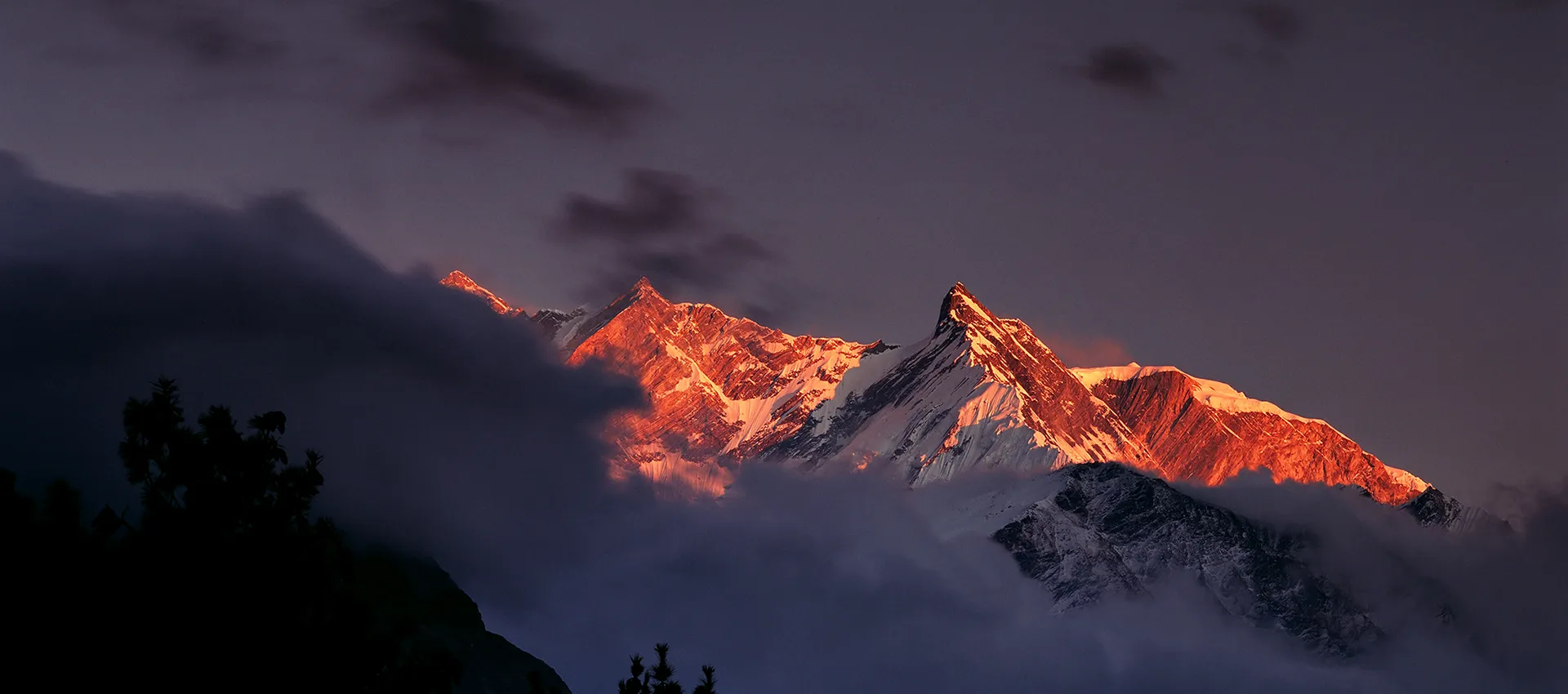
Manaslu Rupina La Pass Trek – 13 Days

Duration
13 Days

Trip Difficulty
Moderate

Max. Altitude
4,610m

Destination
Nepal

Group Size
1-20

Accommodation
Hotel, Teahouse, Homestay or Camp

Transportation
Private Jeep or Mini Bus

Meals
B L D
Explore more facts about the trip
Overview of Manaslu Rupina La Pass Trek – 13 Days
Manaslu Rupina La Pass Trek is 13 days of exploring the beautiful and less-traveled Manaslu region in Nepal. It will be a combination of both natural and cultural excursions since you can visit peaceful villages, beautiful forests, and high alpine meadows.
The trail was first opened to trekking in 1991, and since then, there has been a lack of visitors, and this offers you an opportunity to enjoy the Rupina LaPass trekking expedition unhindered by congested trails. On your way, you will cross the Rupina La Pass at 4,610m with panoramic views of the other Himalayan peaks.
Manaslu Rupina La Pass Trek begins with a picturesque drive from Kathmandu to the Gorkha district. Throughout the hike, you will cross through terraced fields, rivers hanging across in suspension bridges, as well as beautiful Gurung and Tamang villages.
The trail ascends slowly, and this can give you acclimatization since you are no longer in subtropical valleys but in cooler alpine environments. There will also be monasteries, chortens, and prayer flags, which will also provide a reflection of the rich Buddhist culture of the region. The path is quiet, and one does not typically see many trekkers on the trail, allowing trekkers to enjoy the serenity and connection with nature..
The major highlight of the trek is making the Rupina La Pass. You will have panoramic views of Manaslu (8,163 m), Himalchuli (7,893 m), Boudha Himal (6,672 m), and Ganesh Himal. The trail follows the Budhi Gandaki valley, crossing meadows, green fields, and villages. The journey ends around the ancient Gorkha and back to Kathmandu on the road.
During the trek, trained Morning Star Treks personnel will assist you with the permits, navigation, and camping or teahouse arrangements. In less accessible locations, accommodation is alternated between village teahouses and tented camps.
Dal Bhat, soups, and fresh local food are served as healthy meals that will make you full of energy. Safety and comfort are prioritized, and the focus is on acclimatization and emergency preparedness.
This trek offers a combination of adventure, cultural experiences, and serene landscapes. It is a moderate to challenging walk, though there is no experience in mountaineering. It will assist you in enjoying each step, ascent to mountain peaks, peaceful mornings on mountain-views, as Good fitness and love of trekking will help you to make it pleasant.
This trek allows you to explore remote villages, cross Rupina La Pass, and enjoy the unique landscapes of the region.

Price starts
US$ 1350
US$ 1500
- Safety first, always
- Best prices guaranteed
- Expert travel team
- Easy booking, no extras
- Customize your journey
Based on 10 reviews

Trip Highlights
- Cross the distant Rupina La Pass (4,610 m) with panoramic Himalayan views of Mt. Manaslu and other peaks in view.
- Visit the villages of traditional Gurung, Tibetan Buddhist-based culture, and their warm hospitality of homestay.
- Explore a variety of sceneries: terraced fields, green forests, untamed rivers, and high alpine meadows.
- Spend time on a non-mainstream trail in solitude – meet a much smaller number of trekkers than on other trails.
- Stay in the teahouse and camp with a skilled guide, cook, and porters.
- Scenic overland trip from Kathmandu to Gorkha, and a satisfying end near ancient Gorkha Bazaar.
Photo and Video Gallery


Manaslu Rupina La Pass Trek – 13 Days Detail Itinerary

Day 01: Arrival in Kathmandu (1,350 m) – Welcome to Nepal
After arrival in Kathmandu, a Morning Star Treks representative will meet you at Tribhuvan International Airport and transfer you to your hotel in Kathmandu.
You will be able to rest after the check-in and refresh after the flight. During the evening, we will see your guide, who will brief you on the Rupina LaPass Trek and inspect your trekking gear.
We will provide a welcome dinner with traditional Nepali cuisine, where we will introduce you to our culture and hospitality. You can also experience the bustling spirit of Kathmandu this evening.
Today, you will be prepared and eager to start the Manaslu Rupina La Pass Trek tomorrow.

Activity: 30 min transfer

Max. Altitude: 1,350m/4,429ft. ()

Meal: Welcome Dinner

Accommodation: Hotel
Day 02: Kathmandu Sightseeing and Trek Preparation
Today, we will be ready to begin the Rupina La Pass trekking adventure and see the cultural diversity of Kathmandu Valley. We will assist in getting trekking permits to the Manaslu area after breakfast.
We will then proceed to UNESCO World Heritage Sites, such as Pashupatinath Temple, Boudhanath Stupa, and Swayambhunath (Monkey Temple), which offer a panoramic view of the city.
We will also make a walk in Kathmandu in the afternoon or Patan Durbar Square, where we will see Newari architecture andthe Kumari (Living Goddess) house.
We will look at the equipment for the Manaslu Rupina La Pass Trek later and check that it is all in place. The night will make us ready for the trip into the mountains tomorrow.
Activity: Cultural sightseeing
Max. Altitude: 1,350m/4,429ft. ()
Meal: Breakfast
Accommodation: Hotel
Day 03: Drive from Kathmandu to Trishuli Bazaar (540 m)
In the morning, we will drive out of Kathmandu and reach Trishuli Bazaar (4-5 hours), which is a distance of about 80 km.
We will have scenic views of the Trishuli River, green hills, and small rural settlements on the way.
After arrival, we will have a brief walk across the classic bazaar, paying attention to local life and markets.
The Trishuli is an ancient trading town and the beginning of the Rupina La Pass Trek. We will have dinner together, and we will remain in a plain lodge.
This reduced altitude point will enable your body to adjust in advance before the trek. We will sleep soundly tomorrow so that we can start the Manaslu Rupina La Pass Trek with fresh energy.
Activity: 4-5hrs drive
Max. Altitude: 540m/1,772ft. ()
Meal: B L D
Accommodation: Teahouse
Day 04: Trishuli Bazaar to Bumdang (1,680 m)
We will begin the Rupina La Pass trekking expedition after breakfast in the north of Trishuli Bazaar.
The road slowly climbs up through terraced fields, villages, and patches of forest. In the process, we will stop to have lunch along streams or at local teahouses. The scenery is different as we climb higher, and we are greeted with green valleys.
In the late afternoon, we will arrive at Bumdang (1,680 m), a small, quiet country village with a few homestays.
During the evening, we will have a home-cooked meal and mix with the local hosts. Bumdang will be the last trek of the Manaslu Rupina La Pass Trek to view the Trishuli Valley below, which will provide satisfaction on the first day of the trek.
Activity: 6-7hrs trek
Max. Altitude: 1,680m/5,512ft. ()
Meal: B L D
Accommodation: Homestay
Day 05: Bumdang to Satyadevi (1,680 m)
We will start our day with breakfast and drive towards Satyadevi village. The path cuts across terraced fields and oak-rhododendron woods.
On clear days, we will stop at the points to take a glimpse of the snow-capped Ganesh Himal region. On the way, we can find villagers and children who are greeting us with Namaste.
At noon, we will reach Satyadevi (1,680 m), a hill-top village, which is named after a local goddess.
We will spend the night in a homestay or community lodge and savor warm tea as the sun sets behind the hills.
On the Rupina La Pass Trek the day-to-day experience is attached to nature and the local culture, and the Manaslu Rupina La Pass Trek is a memorable trip.
Activity: 5-6hrs trek
Max. Altitude: 1,680m/5,512ft. ()
Meal: B L D
Accommodation: Homestay or Lodge
Day 06: Satyadevi to Jharlang (2,030 m)
We will leave Satyadevi and ascend gradually to Jharlang (2,030 m). The route traverses aesthetic fells, wild flowers, and woodlands.
We can see birds and the herders of the neighborhood. The elevation is accompanied by cooler, fresher weather and mountainous scenery, comprising the Ganesh Himal range in the distance.
We will walk slowly with pauses to have a glimpse of the environment. Jharlang is a small village on the ridge through which we are going to stay in a homestay or camp.
In the evening, we will enjoy the sunset and stargazing. This is a quiet day of the Rupina La Pass trekking expedition and a necessary stage of the trek.
Activity: 5hrs trek
Max. Altitude: 2,030m/6,660ft. ()
Meal: B L D
Accommodation: Homestay or Camp
Day 07: Jharlang to Khading (2,600 m)
We will leave Jharlang and walk deeper into a remote place to Khading (2,600 m). The path is rougher, and the fields are smaller and less cultivated, and the woods are thicker.
We will pass over little brooks and can come upon shepherds or country people gathering herbs. Lunch will be on the trail with some serene landscape.
Khading is a small mountain village commonly used for camping. We will camp or stay in a basic teahouse.
During the evening, we will sit around the dining table, have a warm meal, and recount the day.
We will have a good night because tomorrow we will reach the peak of the Rupina La Pass Trek, which will be a memorable experience of the trek.
Activity: 6hrs trek
Max. Altitude: 2,600m/8,530ft. ()
Meal: B L D
Accommodation: Teahouse or Camp
Day 08: Khading to Rupina La Pass (4,610 m) and down to Laprak/Lapubesi (2,640 m)
We will begin very early at Khading to ascend the Rupina La Pass (4, 610 m). The climb will be very steep and tough, and we shall walk gradually and consistently, with frequent pauses.
We will also congratulate each other on the success of making it to the pass at the peak, with the use of prayer flags, and get a beautiful view of Manaslu, Himalchuli, Boudha Himal, and Ganesh Himal.
We will then descend (deliberately) close to 2,000 m to Laprak or Lapubesi (2,640 m), a Gurung village in the hills after the summit.
We will remain in a teahouse or camp, sleep, and celebrate this accomplishment. It is the highlight of the Rupina La Pass Trek and the Manaslu Rupina La Pass Trek.
Activity: 8-9hrs trek
Max. Altitude: 4,609m/15,121ft. ()
Meal: B L D
Accommodation: Teahouse or Camp
Day 09: Laprak/Lapubesi to Barpak (1,900 m) via Singla
We will leave Laprak in the morning and walk to a historic Gurung village known as Barpak. It goes over the Singla Ridge (approximately 2,800 m) and offers gorgeous mountain scenery.
We will go down into Barpak through rhododendron forests and terraced fields when we are on the ridge.
The village is characterized by stone houses, rich culture, and history as the epicenter of the earthquake of 2015.
We will stay in a teahouse where we can explore the village, visit some local viewpoints, or just relax.
Rupina La Pass trekking on this day will offer us a blend of scenic ridges and rich cultural exploits as part of the trek.
Activity: 6hrs trek
Max. Altitude: 2,800m/9,186ft. ()
Meal: B L D
Accommodation: Teahouse
Day 10: Barpak to Takukot (1,250 m)
We will leave Barpak and walk southwards to Takukot (1,250 m). The path is generally downward, and it goes through small farms, orchards, and villages.
As we go down, the climate is slowly growing warm and more humid. On the way, we will have the pleasure of seeing the countryside and village life.
When we reach Takukot, we will be accommodated in a homestay, and afternoons will be free to relax or to have a look around the village.
During the evening, we are going to have a farewell dinner with the crew, celebrating the success of the trek.
It is a lazy day, and we are able to take time and look back at the success of the Rupina La Pass Trek.
Activity: 5hrs trek
Max. Altitude: 1,250m/4,101ft. ()
Meal: B L D
Accommodation: Homestay
Day 11: Takukot to Gorkha Bazaar, then Drive to Kathmandu
We will begin early at Takukot and walk a short distance to Gorkha Bazaar (1,100 m), where the trek ends.
We will say goodbye to our local crew and get in our own vehicle to enjoy a 5 to 6-hour scenic drive back to Kathmandu along the Trishuli and Marsyangdi rivers.
We will have lunch in between and reach Kathmandu late afternoon. Upon arrival at the hotel, we will have a rest and take a hot shower.
We will also organize a farewell dinner with our team at a traditional Nepali restaurant in the evening to celebrate the completion of the Rupina La Pass Trek.
Activity: 1.5hrs trek & 5-6hrs drive
Max. Altitude: 1,350m/4,429ft. ()
Meal: B L D
Accommodation: Hotel
Day 12: Free Day in Kathmandu (Contingency Day)
Today, will have a free day in Kathmandu as a buffer in case of any delays during the trek.
If the trek proceeds as planned, today is yours to relax, shop, or explore additional cultural sites such as Durbar Squares or the Garden of Dreams. Your hotel can also offer local or foreign cuisine, a spa, or high-speed internet.
This day makes it flexible and offers an opportunity to have a rest after the Rupina La Pass trekking adventure. In the event of any delay, today would be the return day of the trek.
Otherwise, it is a sightseeing day before we go, and we can have plenty of time to have a good look at Kathmandu.
Max. Altitude: 1,350m/4,429ft. ()
Meal: Breakfast
Accommodation: Hotel
Day 13: Departure from Kathmandu
We will pick you up after breakfast and transfer you to Tribhuvan International Airport, where you will board your flight.
You can do some last-minute shopping, or you can spend some time in your hotel in the morning.
Our team will help with airport formalities and will see you off with kind regards and gratitude of trekking with us.
This is the final day of your Rupina La Pass Trek, and you will leave with Manaslu Rupina La Pass Trek memories of the mountain, village, and culture. We wish to invite you back to Nepal for another adventure.
Meal: Breakfast
If our standard itinerary doesn't fully meet your needs, we are happy to tailor it to your specific preferences and requirements.

Includes and Excludes
What’s Included?
- Pick-up and drop-off at Kathmandu airport in a private vehicle.
- Two nights in a hotel in Kathmandu (twin sharing) with breakfast.
- Road transport from Kathmandu to the trek starting point and back from Gorkha to Kathmandu.
- Accommodation in teahouses along the trek; tents and sleeping mats provided if camping is needed.
- Three meals a day on the trek – breakfast, lunch, and dinner.
- Experienced English-speaking trekking guide and porters (one porter for two trekkers).
- Guide and porter costs, including salary, food, accommodation, insurance, and equipment.
- All trekking permits and entry fees (Manaslu RAP, MCAP, ACAP, TIMS).
- Half-day sightseeing in Kathmandu Valley with private transport and entry fees
- First-aid kit carried by the guide and help with emergency helicopter evacuation (insurance must cover it).
- Welcome and farewell dinners in Kathmandu.
- All government taxes and local service charges.
What is not Included?
- Flights to and from Nepal.
- Nepal entry visa (available on arrival at the airport).
- Lunch and dinner in Kathmandu, except for the welcome and farewell dinners.
- Personal travel insurance covering trekking and emergency evacuation.
- Personal costs like drinks, snacks, hot showers, Wi-Fi, charging devices, or laundry.
- Tips for guides, porters, and drivers (optional but appreciated).
- Extra hotel nights due to early arrival, late departure, or flight delays.
- Costs from weather, natural events, political issues, or anything outside our control.
- Anything not specifically mentioned above.
Trip Information of Manaslu Rupina La Pass Trek – 13 Days
Weather and Season for the Rupina La Pass Trek
The Rupina La Pass Trek is best in the autumn (SeptemberNovember) or spring (MarchMay). These months will be characterized by good weather, clear mountain views, and temperatures.
Autumn is a dry season with blue skies, and spring is full of colorful blooming rhododendrons and warmth. Evenings, particularly in the higher spots, are cold, and may get down to nearly freezing, in which case we shall have warm garments and sleeping-equipment.
The monsoon (June-August) is not a good season because of the downpours, leeches, and the chances of landslides; the mountains are usually shrouded in clouds.
Winter trekking (December-February) can also be done, but it is quite cold, and there is a possibility that Rupina La Pass is covered with deep snow. In autumn and spring, the daytime temperatures vary between 15-25 C at lower altitudes and above 0 C in the late afternoons in high altitude areas. We will have the best mornings, which will be suitable to trekking and photography.
Trip Difficulty
The Rupina La Pass Trek is moderate to difficult. Most days, we will walk 5-7 hours across mountainous and hilly terrain. It has trails with steep ascents, lengthy downhills, and several secluded parts.
The peak is Rupina La Pass and is at 4,610 m, a gradual climb up and down. Trekkers are required to be strong, fit, and of good condition (mind, legs, and stamina). Experience in trekking at high altitude is essential but optional.
No technical climbing is required on this route, neither a rope nor special gear. The distance, the altitude, and the simple accommodations are the key challenges, particularly during camping nights.
We will have a steady walk, rest, incremental increase in altitude to assist in acclimatization. The Manaslu Rupina La Pass Trek, with the preparation, training, and the help of our team, will be achievable, rewarding, and provide memorable experiences in the Himalayas.
Altitude Sickness and Suggestions
The highest altitude we will have on the Rupina La Pass Trek is 4,610 m, so Acute Mountain Sickness (AMS) is possible. In order to avoid AMS, we will climb slowly, taking several days to go under 2,500 m before greater heights.
Each person will perceive the altitude differently, and therefore, we will listen to our bodies and inform our guide. We will proceed at a moderate pace, remain well hydrated, and do not drink alcohol and smoking. The typical initial symptoms are headache, lack of appetite, and sleeping disturbances.
We can have a rest or spend one or two more nights at the same altitude, in case of necessity. Severe symptoms involve urgent descent – our guide will organize this as quickly as possible.
We will have a first aid kit, oxygen monitor, and basic AMS medication. With the guidance and pacing instructions of our guide, most trekkers have been able to complete the Rupina La Pass trek safely and appreciate the adventure.
Food & Drink During the Trip
On the Rupina La Pass Trek, we will have three meals a day, which are breakfast, lunch, and dinner, cooked by our expert staff. Lunch is easy, healthy, and hearty, and it gives energy for trekking.
Breakfast may consist of eggs, bread, or porridge; lunch and dinner may consist of dal bhat (rice and lentils), noodles, momos (dumplings), vegetables, or potatoes. In case of a request made in advance, vegetarian and special diet options will be available.
When doing camping segments, our trek cook will prepare fresh meals on a daily basis. Safe water is necessary to drink. We will make sure to drink boiled or filtered water and reuse bottles.
Lodges serve tea and coffee, and fresh fruit can be served after dinner. Healthy nutrition and hydration will keep us energetic, facilitate acclimatization, and make us enjoy the Manaslu Rupina La Pass Trek and daily life on the trail.
Visa and Permits for the Rupina La Pass Trek
We will require special trekking permits and a tourist visa to trek in Nepal. A visa can be obtained at Kathmandu Airport by most of the nationalities by paying a fee and a passport photo. The Manaslu Rupina La Pass Trek involves a Restricted Area Permit (RAP) as the area is restricted.
We will also facilitate the Manaslu Conservation Area Permit (MCAP), and in case the route comes out through Annapurna, the Annapurna Conservation Area Permit (ACAP). A TIMS card is also required.
Morning Star Treks will do all paperwork, permits, and fees, so we need not worry about the paperwork. Our trek will be led by a licensed guide and will include at least two trekkers.
You should also have your passport because the police can inspect it on the way. Having all the permits and documentation in place, we will now completely concentrate on getting to enjoy the Rupina La Pass trekking experience safely and within the law.
Health & Safety
The Rupina La Pass Trek is a priority for your safety. Our guides will have a first aid kit, keep a check on health every day, and have training on the management of altitude sickness.
We will maintain high levels of hygiene, wash our hands, and drink filtered or boiled water. We will listen to the guide, keep up with the group, and avoid overexertion or risky routes. Alcohol is discouraged, and we will go very slowly to prevent exhaustion.
There are emergency plans, such as evacuation by helicopters, in case of necessity. On the route, there are health posts and village clinics where minor problems can be addressed.
Under the supervision of our guide, we will trek safely, appreciate the views, and concentrate on the adventure without causing ourselves and other trekkers harm along the Manaslu Rupina La Pass Trek.
Transportation
Manaslu Rupina La Pass Trek Transportation is well organized to be comfortable and safe. We will take a private jeep or minibus (approximately 4-5 hours) to Kathmandu to start the trek at Trishuli Bazaar, where we will see wonderful rivers and hills. On the completion of the trek, we will drive back to Kathmandu (5-6 hours) via Gorkha.
Highways can be paved, gravel, or dirt, and seasoned drivers will take care of the trip. The trip includes all the airport transfers and city tours, as well as personal travel.
We will concentrate on the trekking experience and leave the transportation to the professionals. This makes the Manaslu Rupina La Pass Trek not only convenient but also enables us to fully appreciate both the rides and the scenic Himalayan views as we go.
Travel Insurance
We will make certain that there is travel insurance on high-altitude trekking that involves 5,000 m and helicopter rescue in case of emergencies. They should also include medical treatment, evacuation, and trip interruption. Insurance should be done prior to arrival since Nepali insurers seldom insure emergencies of foreign trekkers.
We will have a copy of your insurance that is easily accessible in case of need. This insurance provides some peace of mind when trekking in remote locations. In the Rupina La Pass Trek, we will be ready to meet the unpredictable and concentrate on the adventure because we will be insured against health and investment. With proper insurance, we can be assured of completing the Manaslu Rupina La Pass Trek fully.
Language & Communication
We will experience Nepali, Gurung, and Tamang languages on the Rupina La Pass Trek. Guides and some villagers, in particular children, speak English. You will get to know such simple greetings as Namaste (hello) and Dhanyabad (thank you). There is also poor mobile coverage and internet connectivity. We will mostly be off-grid, which allows us to enjoy a digital detox and fully appreciate the Himalayan environment.
The guide will assist with translations and handle communications if needed. During the Manaslu Rupina La Pass Trek, we will embrace the local culture, interact politely, and use technology minimally to remain present on the trail.
Don’ts on This Trip
In the Rupina La Pass Trek, we shall observe the local traditions and regulations in safety. We will wear simple clothes, take off our shoes when walking into houses or temples, and seek permission before taking photos of individuals or religious sites. We should not give children money or sweets, and we will never leave trash without taking it away.
We will remain with the group, not travel alone, and proceed slowly at elevated altitudes. You should avoid consuming alcohol to stay hydrated and avoid altitude sickness. With these few guidelines, we will safely and respectfully enjoy the Manaslu Rupina La Pass Trek and gain the respect and goodwill of the communities we interact with.
Photography & Drone Rules
On the Rupina La Pass Trek, we will have fun taking pictures, but we will seek permission before we take pictures of people or places that are considered sacred. The use of drones is not permitted without government permits, and without that, we will concentrate on conventional photography. We will bring along extra batteries and memory cards, since there are few charging points.
The observance of regulations and local customs will make sure that we get memorable photographs without creating a bad impact on communities. Photography enhances the Manaslu Rupina La Pass Trek experience since we can enjoy and share the Himalayan scenery in a friendly way.
Tips for First-Time Visitors
We will prepare for the Rupina La Pass Trek by getting fit, packing smart, pacing ourselves, and staying hydrated. To respect local culture, learn some simple phrases in Nepali, and dress decently is also a necessity. It needs flexibility – the conditions of the mountains may require some changes.
Most importantly, we will enjoy ourselves during the trek, the views, and the other trekkers, and just have every moment of the trek. It will be a safe and unforgettable journey through preparation, mindfulness, and our team.
Most Asked Questions
 General
What is the duration of Rupina La Pass trek?
The Rupina La Pass trek typically requires approximately 13 days, including your arrival and departure from Kathmandu. The trekking itself takes approximately 8-10 days.
How many hours do we walk daily?
5-7 hours of walking a day on most days. There may be short days, approximately 4 hours, and up to 8 hours or more in the day between the Rupina La Pass.
What is the maximum height attained in this trek?
The peak is Rupina La Pass at approximately 4,610 meters (15,125 feet) above sea level.
Is this trek restricted to any age group?
There’s no strict age limit. Adolescents and the elderly have successfully gone through this journey. It is more about health and fitness than age.
Will there be a lot of other trekkers on this route?
Rupina La Pass trekking trail is isolated and silent. You can expect to meet a few other foreigners on treks and local villagers mainly.
 Preparation & Fitness
What is the fitness required when doing this trek?
The optimum level of general fitness is suggested. You should feel at ease walking about 5-6 hours daily with a few uphill and downhill steps. Having physical preparedness will make your trek more comfortable.
Do I require previous trekking experience?
The prior trekking experience is optional. Even first-time trekkers can make it through this trip with proper preparation and a positive attitude.
What are my training recommendations before the trek?
It is very helpful to do cardio exercises like walking, jogging, or cycling. Training your legs by walking longer walks or hiking on weekends can be used to train your body for the trek.
Am I required to have any vaccination or extraordinary medical preparations?
No special vaccinations are required for this trek. However, we recommend that you consider adhering to routine vaccines and carrying some personal medication in case you need it.
Do they need to involve technical climbing skills?
No technical climbing is necessary. It is a hiking trail that requires good physical fitness, proper hiking shoes, and proper clothing; however, no climbing experience is required.
 Permits
Is this trek accompanied by a guide?
Yes, Manaslu Rupina La Pass Trek is a restricted place, and both safety and permit policies need a licensed guide.
Is solo trekking allowed?
It is not allowed to trek alone in this area. Trekkers are required to walk in a group of two or more, accompanied by a licensed guide. It will be our pleasure to assist individual travelers in joining a proper group.
Do I need to bring my passport in my trek?
Yes, you are supposed to always bring your original passport as it is needed at different checkpoints to verify permits.
Is it possible to customize the itinerary?
Absolutely. You can book private and personalized itineraries, with extra days of rest or excursions, based on your needs.
 Guides & Support Staff
Can I hire porters with me on the trek?
Yes, they offer experienced porters to help with most of your baggage, and you will be able to enjoy the trek with simply a light daypack.
What is the usual group size?
Our group sizes are very small, ranging between 4 and 6 trekkers, in order to have close attention and have an enjoyable trekking experience.
Where is the starting point of the trek?
Kathmandu to Trishuli Bazaar is about 140 km and can be reached in 4–5 hours by private vehicle. We drive back to Kathmandu after the trek.
Do guides and porters tip?
Tipping is not obligatory but highly valued as an expression of gratitude towards excellent service. The trekking staff usually shares about 10% of the overall trip cost.
How much additional money to spend?
NPR 2,000-3,000 per day is typically enough to cover snacks, beverages, minor personal expenses, and tips.
Are there any hidden costs?
No, our trekking package is all-inclusive. There are no extra expenses other than personal costs, travel insurance, visa fees, or optional rentals.
 Accommodation and Facilities
Do ATMs work in the trek?
ATMs can be found only in Kathmandu. We strongly suggest that you bring enough cash to cover personal expenses on the trek.
What is the kind of accommodation that is offered during the trek?
Accommodation will have simple teahouses in villages and camping in remote places in an orderly way. There are good tents, eating places and toilets with a camping setup.
Does it offer vegan food?
Vegetarian food is readily available on the trek. They enjoy such common dishes as Dal Bhat, rice, noodles, and seasonal vegetables.
Can special dietary requirements be accommodated?
We do our best to accommodate dietary preferences such as vegan meals or gluten-free meals. We may advise you in advance, and then we can plan.
Where do I get safe drinking water?
Clean drinking water is supplied by boiled or filtered water. You can also use purification tablets as a choice.
What are the facilities of the toilet?
In villages, there are simple toilets, or mostly squat-type. Tents have private toilets that are offered in the camping areas.
Are hot showers available?
Hot showers are minimal and are offered in the lower villages at an extra charge. In camping, simple washing facilities are provided.
Does it have mobile network or Wi-Fi?
The mobile and Wi-Fi network is extremely poor. The majority of the hiking will be offline, but your guide will help you in case of an emergency.
Is it possible to charge electronics when trekking?
There is a scarcity of charging opportunities, and they usually depend on solar recharging at teahouses at a small fee. We suggest having a power bank.
What type of wildlife is possible to observe?
You can find langur monkeys, Himalayan thar, and different birds, as well as domestic animals. Uncommon sightings can be musk deer or red panda.
 Health & Safety
What is the temperature in the trek?
The daytime temperatures in the lower regions are between 15 and 25 °C. In the camps, especially at night, the temperature may go down to 0 °C or even lower, and hence warm garments are needed.
Is it possible to have snow or rain?
The trek is continued in most weather conditions unless safety is threatened. Light rain or snow can be handled, but a lot of snow can necessitate changes in the schedule.
Are there unsafe spots on the trail?
There are some steep passages or narrow passages around the Rupina La Pass, which require special attention. These are safe zones under the guidance of an experienced walker and with firm footing.
What in case I cannot go on with the trek?
Your guide will help you to go down safely. Helicopter evacuation can be organized in case of serious situations. Safety and well-being are our primary concern.
 Packing & Gear
What gear should I bring?
We recommend durable hiking shoes, layered clothes, a warm-up jacket, gloves, a hat, sunglasses, a backpack, and personal items. They will provide a sleeping bag on demand.
Is it possible to hire trekking equipment in Kathmandu?
Kathmandu does have lots of good stores where you can hire out or buy trekking stuff. We will be pleased to help you locate good-quality equipment.
Do I have to bring tents or cooking tools?
No, everything relating to camping gear and meals is organized by our team. All you have to do is pack your personal belongings in a day pack.
What kind of luggage is allowed in the trek?
We recommend having a trekking pack of approximately 15 kg. During the trek, any additional baggage can be stored safely in Kathmandu.
Price starts
US$ 1350
US$ 1500
- Safety first, always
- Best prices guaranteed
- Expert travel team
- Easy booking, no extras
- Customize your journey
Based on 10 reviews
Have Questions?
+977 9767224414