
Unmissable holidays deals - Save up to 20%

 English
 Dutch
Dutch Japanese
 Hindi
Hindi Italian
 Spanish
 French
 German
 Chinese
 Korean
 Arabic
 Hebrew
 Russian
 Portuguese
 Danish
 Czech
Czech Polish
 Swedish
Trekking
Trip Packages



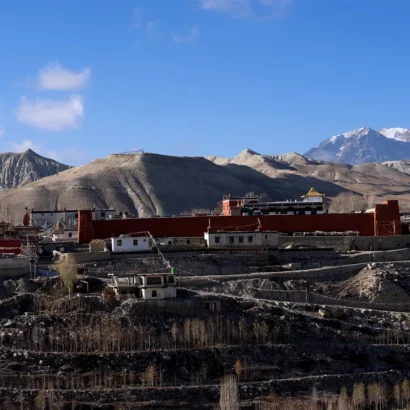
Short Information on Trekking
Trekking
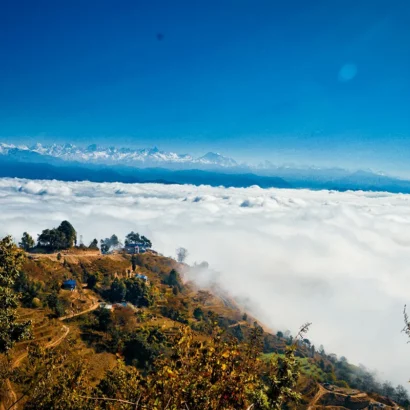
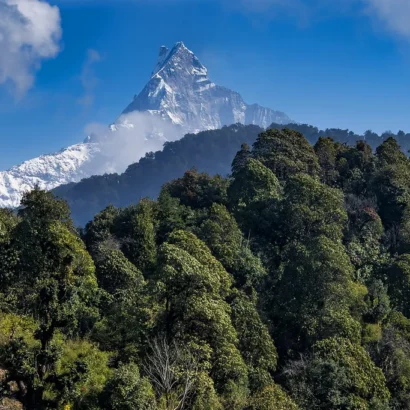
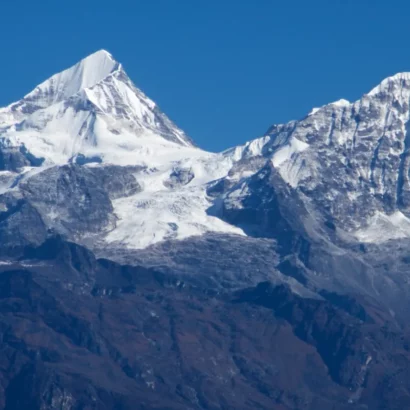
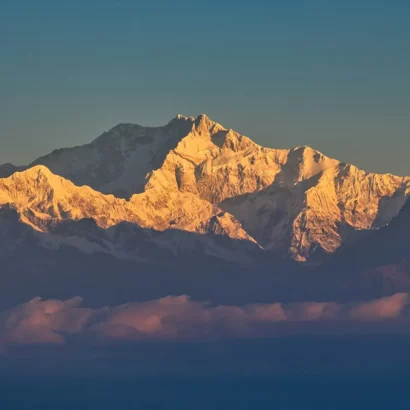
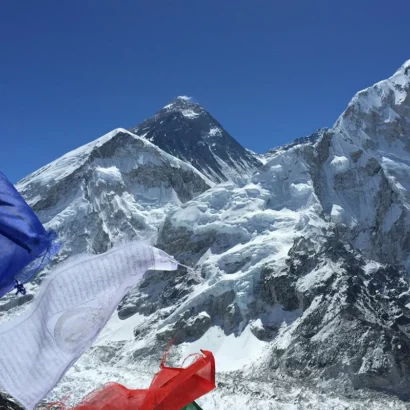
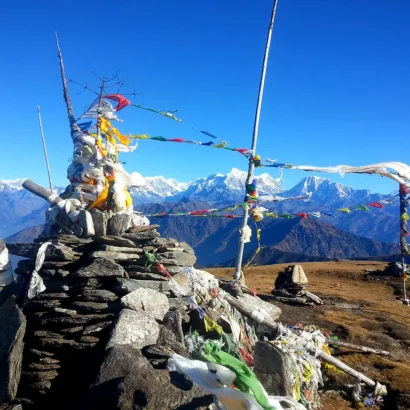
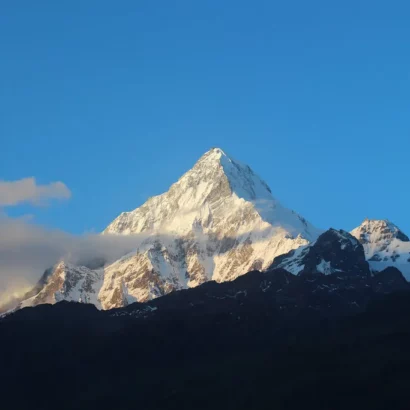
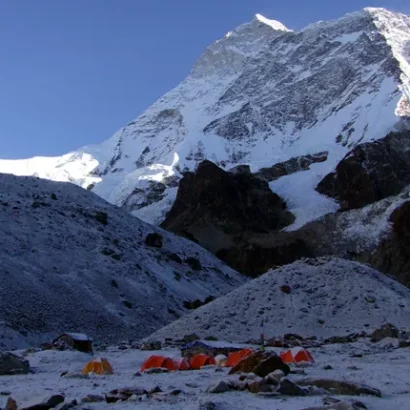
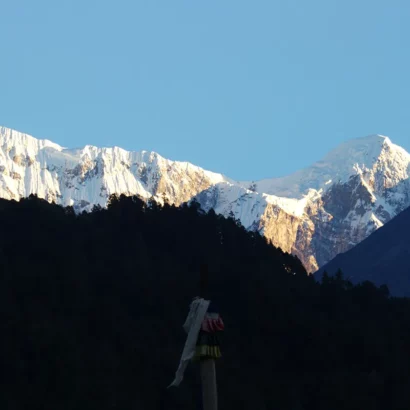
Trekking in Nepal is one of the most significant methods to observe the natural landscapes and cultural diversity of the country. Nepal has a great variety of trekking routes that go across mountains, hills, forests, rivers, and isolated valleys. Such paths enable the tourists to witness varying altitudes, climatic conditions, and ways of life in one trip. Whether it is short and soft strolls or long and challenging high-altitude trails, trekking in Nepal will fit any individuals with varying interests, fitness, and travel objectives.
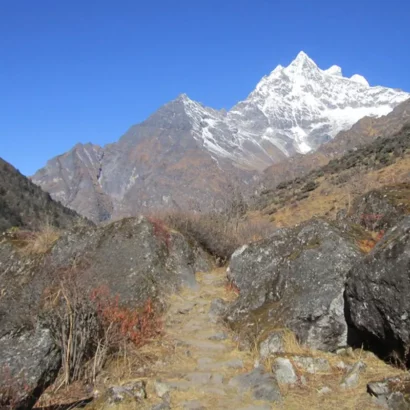
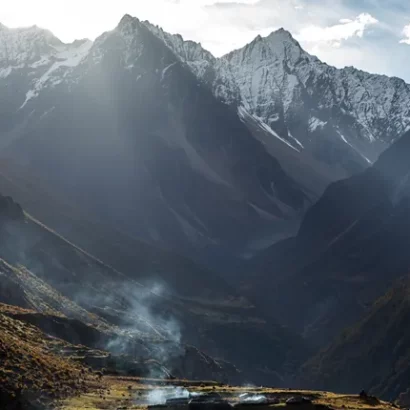
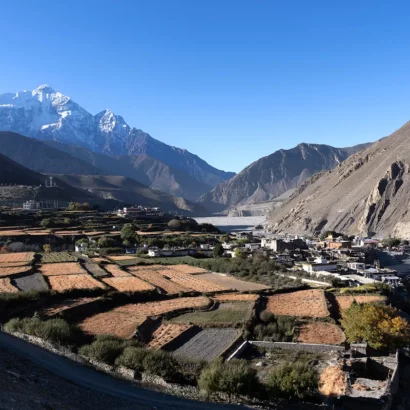
Nepal’s diverse geography makes trekking unique. In a few days of trekking, trekkers can go from warm lowland to cool alpine regions. Often the trails link small villages, farmland, forests and mountain areas, thus offering a gradual and pleasant change of landscape. Trekking in a slow speed enables the traveler to see everyday life, experience nature, and slowly adapt to the alterations in the altitude.
In Nepal, trekking does not just involve walking long distances. It is also about knowing the connection between the people and the environment. Many trekking trails traverse areas in which communities have been established for generations with traditional methods of farming, animal husbandry, and local trade. This blend of nature and culture is the reason why trekking in Nepal is a balanced travel experience.
Why Choose Trekking in Nepal
Nepal is also a popular trekking destination because of its well-developed trail networks, qualified local guides and a great variety of trekking possibilities. Trekkers can choose routes depending on their schedule, comfort and interests. There are some treks that are more cultural and some that are more physical challenge and high-altitude walking.
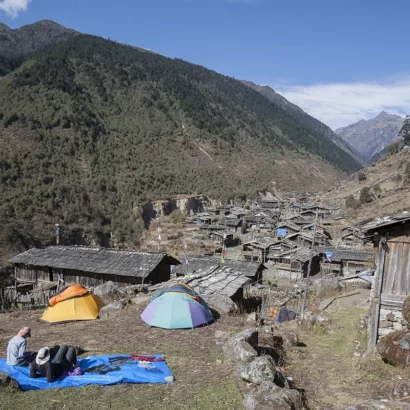
The other fact that makes trekking in Nepal so popular is the presence of infrastructure in trekking. In most of the areas, tourists are able to stay in the local accommodations which provide meals and simple accommodation. In even more distant locations, the camping treks are arranged on full logistical basis. This will allow the traveler to customize the type of trekking experience they would want.
Trekking is another means of helping the local communities. Most families who live in trekking regions rely on tourism as a source of income via lodges, guiding services, portering and small businesses. Through responsible trekking, the travelers directly affect the livelihood of the surrounding people as they experience a well-planned and valuable trip.
Trekking Experiences in Nepal
The trekking in Nepal is not just a way to be active, but it is also the chance to feel the rural and mountain life as it is. Trekkers tend to go through villages where individuals are cultivating or pasturing animals or running small businesses. Everyday activities in these regions are based on seasonal patterns and traditions.
Accommodation during the treks normally involves accommodation in tea houses or local lodges. These are basic and yet friendly places to stay and eat and have a good and comfortable rest. By staying in local lodges, trekkers will be able to mingle with its hosts, get to know about the local practices, and get an understanding of what life in the mountains is like.
The topography and way of life also alter slowly as trekkers increase in height. Forested tracks give way to open hill and Upper Mountain. Walking hours are planned carefully to provide sufficient rest and adaptation. This slow pace allows trekkers to take pleasure in this adventure without exertion.
Popular Trekking Routes in Nepal
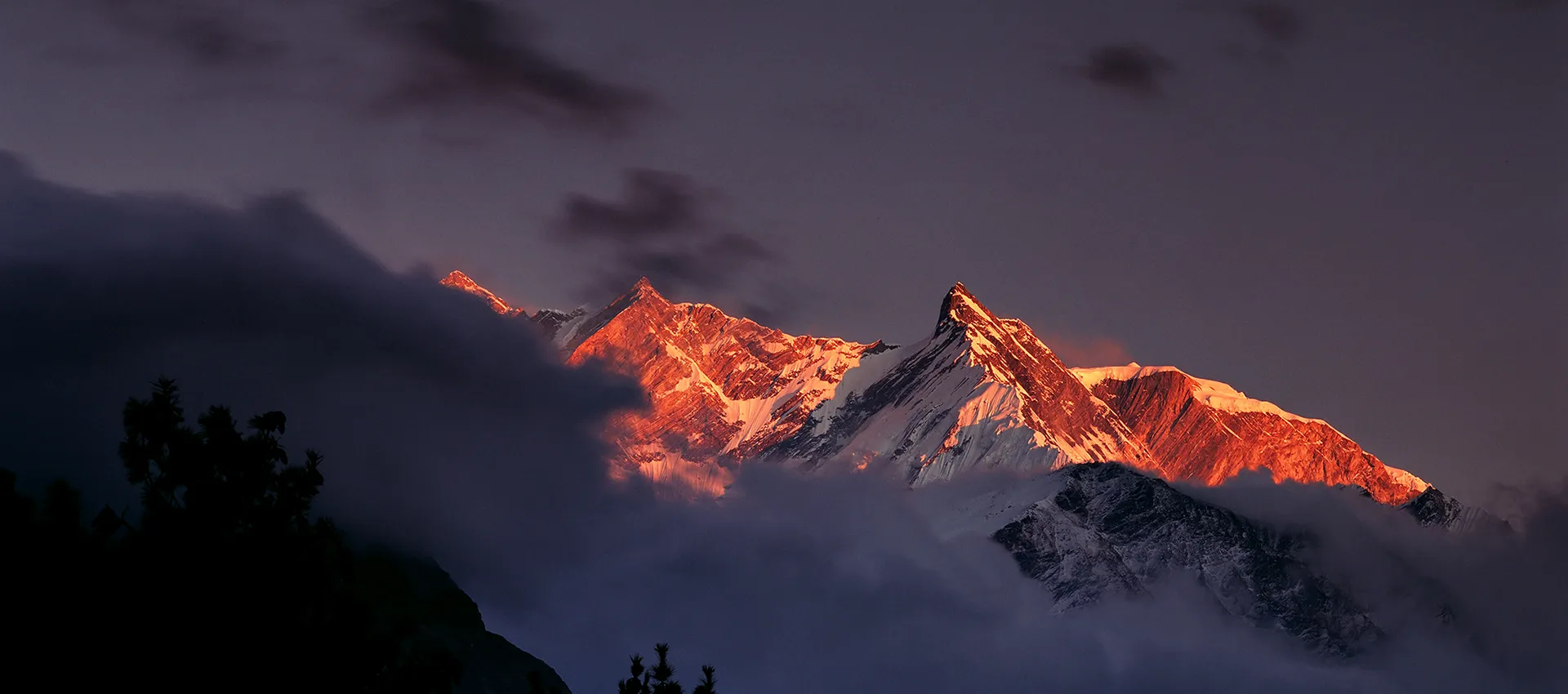
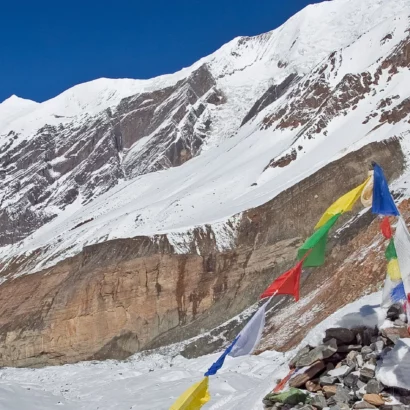
There are many trekking trails in Nepal with varying characters, and environments. Api Base Camp Trek is situated in far western Nepal and is ideal to ladies, who love lonely roads and isolated landscapes. The trail moves through woodland, river valleys, and tiny villages, and enables the trekking to be serene.
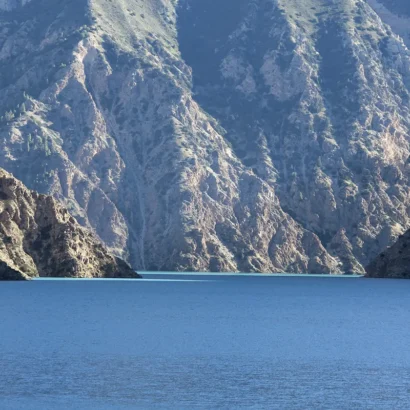
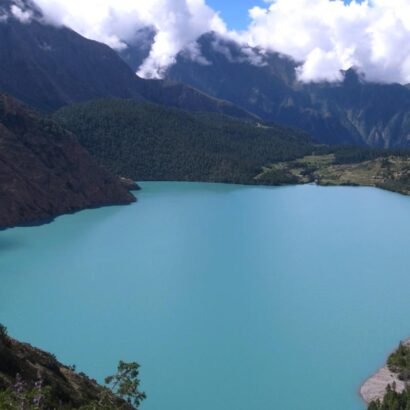
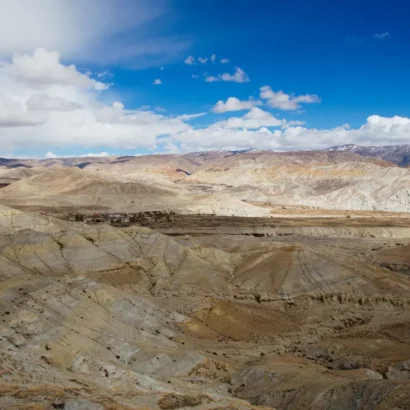
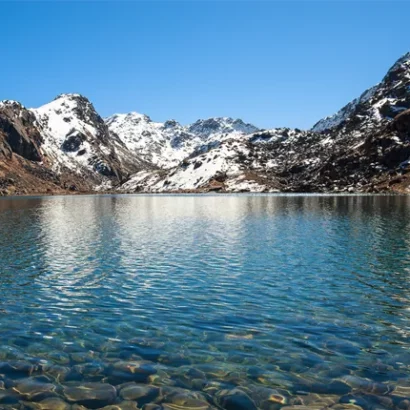
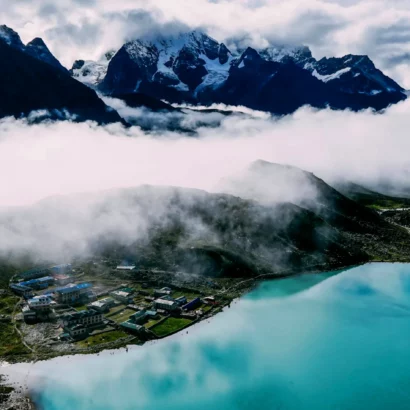
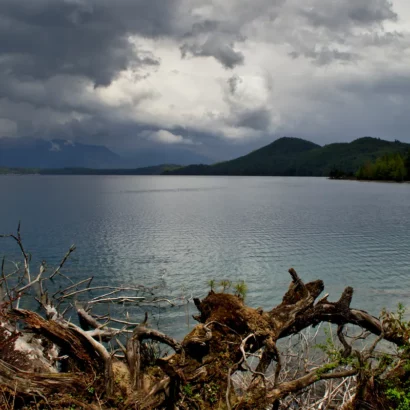
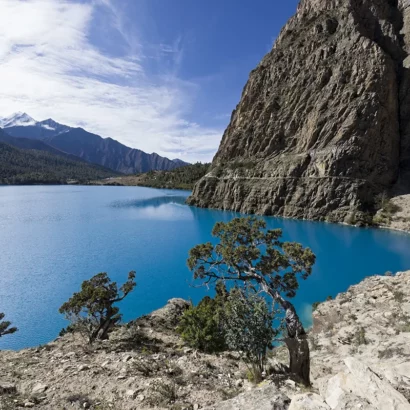
Shey Phoksundo Lake Trek leads one to the area of Dolpo, where the Tibetan cultural influence is high. The trek involves walking at high altitude, dry landscapes and old-fashioned settlements. Upper Dolpo Shey Gompa Trek is more difficult and you need to be physically fit and experienced in trekking before the trek. This route leads to a very remote area where traditional ways of living and religious practices are still very much the same.
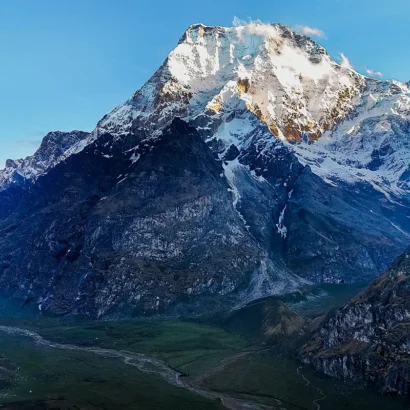
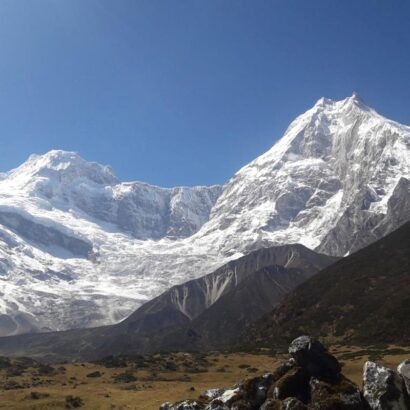
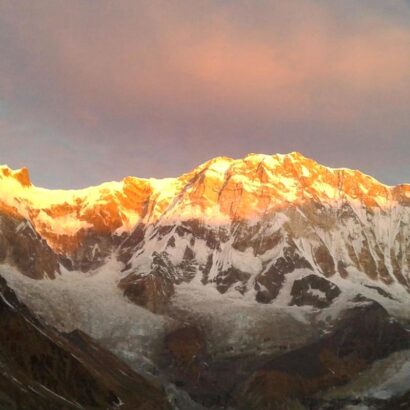
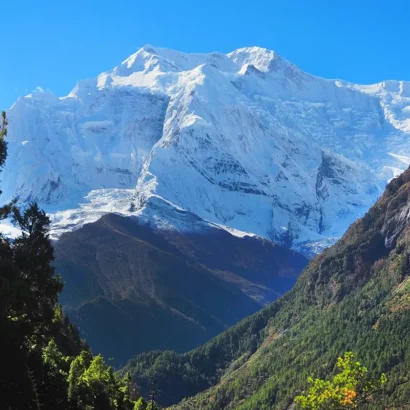
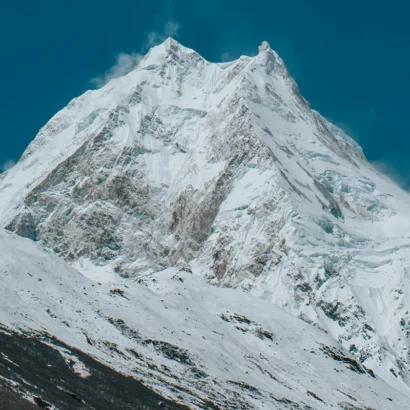
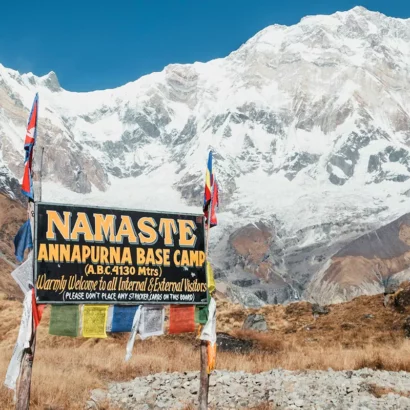
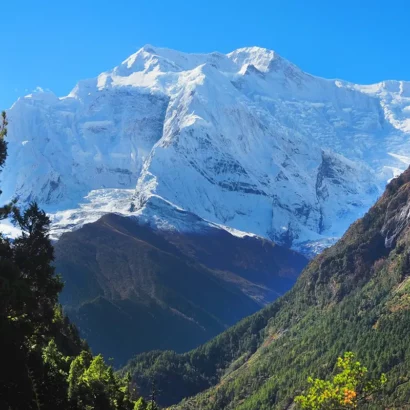
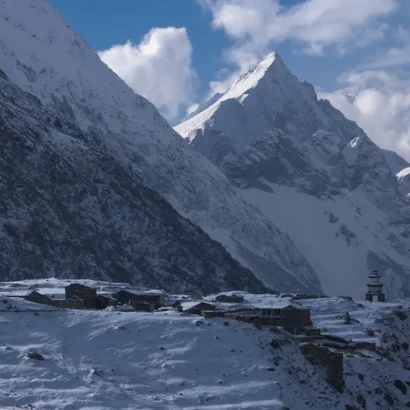
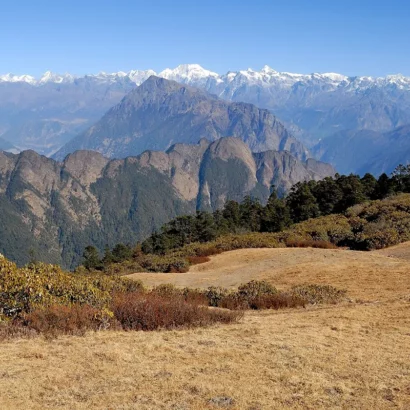
Manaslu Rupina La Pass Trek is a mix of the mountains with rural village life. The trail is not as crowded and offers a balance of cultural interaction and physical challenge. North Annapurna Base Camp Trek is for experienced trekkers who prefer to take a challenging route in a lesser-visited area of the Annapurna region. Ganesh Himal trek is a balanced trek as it passes through traditional villages, forests, and mountain viewpoints.
Each trekking route is planned keeping in mind safety, acclimatization and logistic support. Travelers may opt for the treks individually or along with some other travel activities in Nepal.
Trek Difficulty Levels in Nepal
Trekking in Nepal ranges from easy and moderate routes to challenging high-altitude treks. Moderate treks are for the moderately fit and those who may have some experience in walking. These treks include steady walking, easy daily distances, and gradual altitude gain. They are perfect for first-time trekkers or those who like to go at a comfortable pace.
Difficult treks require greater physical fitness, more walking days and being able to adapt to high altitude conditions. These routes frequently cross remote areas where facilities are reduced. It is important to properly prepare and have some previous experience of trekking and to be in good health for the difficult treks.
Each trek is graded very clearly according to walking hours, altitude and terrain. This enables travelers to choose a trek based on their ability and level of comfort. With the help of a professional, even challenging treks can be safely handled.
Trek Duration and Itinerary Options
Trekking trips in Nepal last on average ten to twenty-one days. Shorter treks are suitable for those who have a shorter amount of time to spend, while longer treks can be used to explore remote areas in more depth. The overall time includes trekking days, acclimatization days, rest days and transportation to the start point and back.
The itineraries are planned in such a way that there is a balance between walking and rest. There are also acclimatization days to make the body accustomed to elevated heights. Daily walking hours are planned carefully so as to reduce fatigue and let the trekkers enjoy the surroundings.
Flexible itinerary options are available and travelers can tailor their trek depending on time, interest, and physical condition. This flexibility is to help create a comfortable and well-paced journey.
Culture and Village Life during Treks
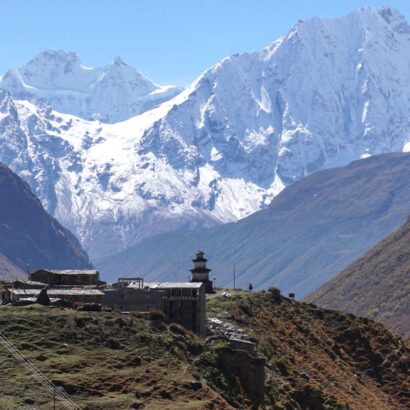
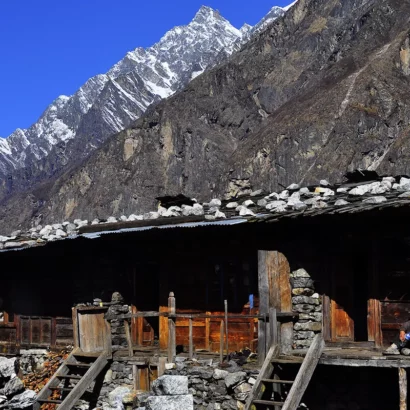
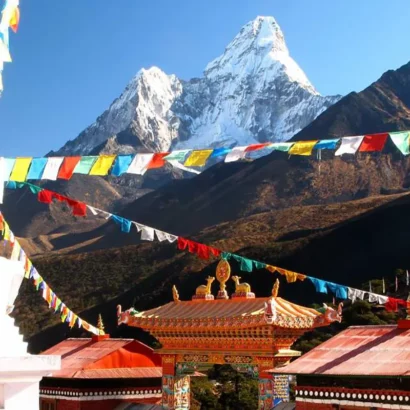
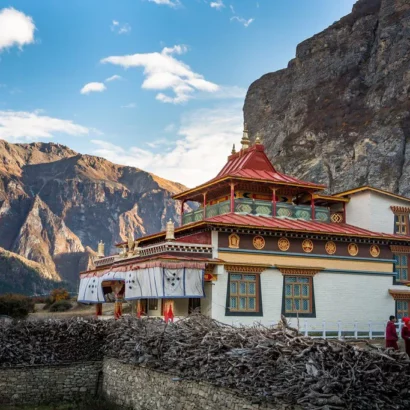
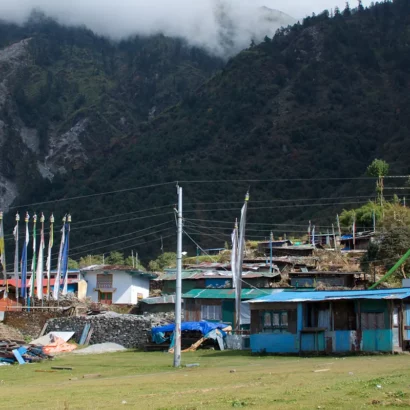
Cultural experience is an important part of trekking in Nepal. Many trekking paths also go through villages where traditional houses, farming techniques and community practices remain unchanged with generations. Religious sites, including monasteries, prayer walls and small shrines are common along the trails.
Trekkers are often given opportunities to see local festivals and farming activities, and daily life. Simple interactions with local people help travelers gain insight into their values, beliefs, and relationship with nature. These cultural experiences give depth to the trekking journey and help the travelers to understand life in the Himalayan regions.
Responsible Trekking in Nepal
Responsible trekking is promoted on all the routes of Nepal. Tourists are encouraged to be respectful of local traditions, minimize waste and not to disrupt wildlife. To save the environment, reusable water bottles and reduction of plastic will help.
Local guides, porters and lodges serve to support the local economy and encourage sustainable tourism. Trekking routes are fully organized such that they have minimal effects on the environment and preserve natural areas. By following the practices of responsible trekking, travelers can help ensure that trekking continues to be a positive practice for both communities and the environment.
Safety & Trekking Support Services
In every trekking trip in Nepal, safety is prioritized. All treks are led by qualified guides who are trained in first aid and mountain safety. The risks of the altitude are controlled by means of clear daily plans, acclimatization plans and regular health examinations.
The physical preparation, awareness of altitude and individual care of the trekkers are guided throughout the trip. Emergency support and communication systems can be used in case of unforeseen circumstances. Trekking in Nepal is secure and well-coordinated with proper planning and knowledge.
Best Time to Trek in Nepal
Spring season and autumn are the best season to trek in Nepal. The weather conditions are fairly stable during these periods and trails are open. The spring is characterized by warm weather and full village activity and the fall is characterized by bright skies and pleasant time to walk around.
Certain trekking paths can be done during the summer and the winter depending on the location and the level. Off season trekking requires proper planning so that the trek is made safe and comfortable.
Start Your Trekking Journey in Nepal
Trekking in Nepal is a satisfying means of discovering nature, culture, and rural life at a pace that is gradual and significant. We have trekking packages which are strategized with consideration of the best itineraries, expert guides and effective support services. This helps travellers to concentrate on the trip and be in a relaxed and safe state.
Both moderate trekking and a tough route will provide you with a chance to become one with the land, the people and the mountains traditions in Nepal. Your trek in Nepal can be an enjoyable fulfilling experience with proper planning and responsible tourism.